7 Best Color for Living Room Walls That Make It Feel Instantly Cozy Now Revealed
You want a living room that wraps you in warmth the second you step in—soft light, layered textures, and a color that flatters everything you own. You hate when the walls look flat, cold, and somehow make your expensive sofa look like it came from the office break room. If you’re craving mood, glow, and that “I can finally exhale” feeling, these seven color-led designs will fix the frustration. Each idea focuses on a specific, cozy wall color and a complete styling plan—so you can get a photogenic, Pinterest-ready living room for under $1,800 in a weekend or two.
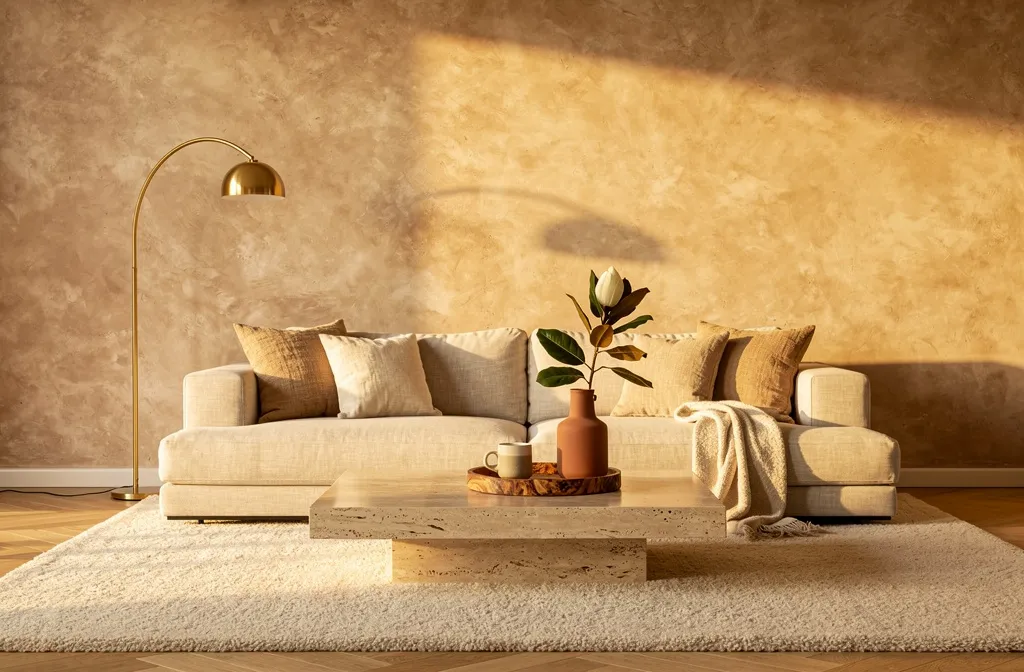
Expect cozy corners, richer daylight, and colors that play nice with real life—kid fingerprints, rental rules, and the occasional red wine night included. If you love rooms that feel like an artisanal latte (creamy, complex, deeply comforting), you’re in the right place.
1. Cocoa Butter Cream With Linen Layers
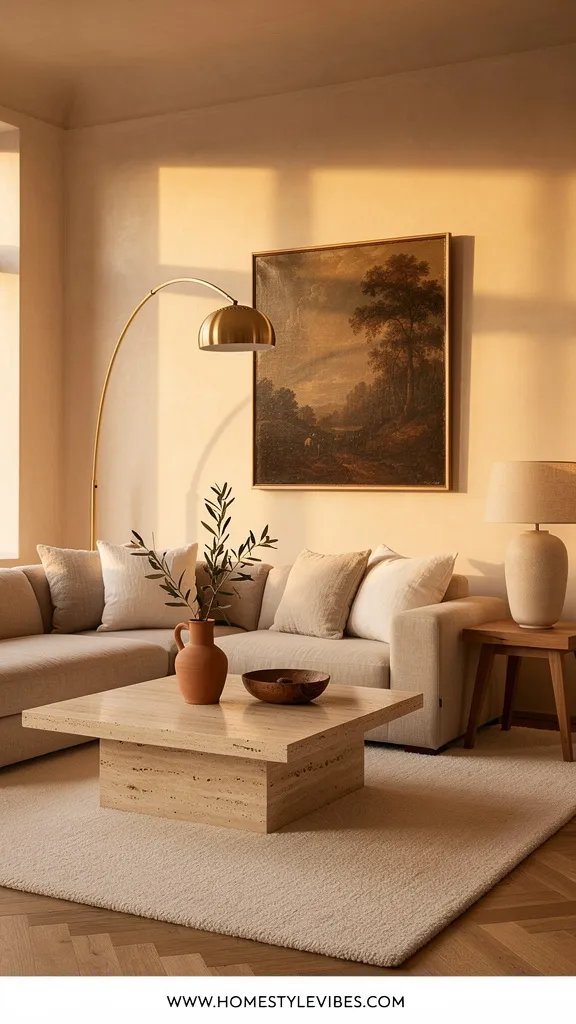
We’ve all been there: your “warm white” reads like printer paper at noon and turns yellow at night. It’s that one corner that always feels off—the sofa looks gray, the art looks cheap, and nothing feels coordinated. Cocoa Butter Cream (think: a warm, soft cream with a drop of cocoa) solves that by bringing quiet glow without tipping brassy. You get a cozy, sunlit mood that flatters wood and soft textiles.
This look creates a bright, calm, hotel-lobby-at-golden-hour vibe that still works for family life. It thrives in small spaces because the cream expands the room while the cocoa undertone adds depth. Lighting matters: use warm bulbs (2700K-3000K) to keep the cream from going icy. Materials lean soft and textural—bouclé, washed linen, matte ceramic, and pale oak. Photos love this setup because the cream grounds the scene, and the layered neutrals add shadow and dimensionality instead of glare.
Variations: For a budget-friendly spin, keep existing furniture and just add linen curtains and a large jute rug. Small-space version? Use low-slung seating and wall-mounted lamps to free floor area. Renter-friendly swap: a removable fabric wall panel behind the sofa in a slightly deeper cream to fake a tonal headboard effect.
Budget Breakdown:
- Paint (2 gallons, premium washable matte): $90–$140
- Linen curtain panels + black metal rod: $120–$280
- Large jute or jute-wool rug (8×10): $180–$450
- Matte ceramic table lamps (pair): $120–$250
- Cream bouclé throw pillows (set of 4): $60–$120
- Canvas-wrapped frames (set of 3): $100–$180
Total Estimated Cost: $670 – $1,420
Best For: Apartments or small living rooms that need softness without darkness. Great if you love neutral palettes but want warmth that feels intentional rather than beige-blah.
Key Design Elements:
- Main materials: linen, bouclé, jute, matte ceramic
- Color palette: cocoa-cream walls, pale oak, black metal accents, soft wheat tones
- Lighting strategy: layered lamps with warm bulbs; minimal overhead glare
- Furniture silhouettes: low, rounded edges, slim black legs
- Texture layers: bouclé pillows, linen curtains, textured rug
- Accent details: a single black-framed mirror, dried grasses, stacked coffee table books
How To Recreate This Look:
- Start with a warm cream paint with a hint of cocoa undertone—test in corners to ensure it stays warm at night.
- Add a large natural-fiber rug to ground the room and absorb echo.
- Layer linen curtain panels hung high (2–3 inches from the ceiling) to visually lift the room.
- Install two matte ceramic table lamps at varied heights to create a glow triangle.
- Style with soft pillows, a neutral throw, a black-framed mirror, and three oversized coffee table books.
Why This Looks Expensive: Tone-on-tone layers read curated. The slight cocoa undertone adds depth that cheap paint lacks, and the controlled black accents provide graphic structure without heaviness.
Watch Out: Don’t choose a cream with strong yellow notes. It’ll turn sallow under warm bulbs. Always sample near baseboards and next to your sofa fabric.
Pro Styling Tip: Angle one lamp toward a textured wall to create gentle shadow play that photographs beautifully.
Scroll on—our next color leans moody without stealing daylight.
2. Smoky Mushroom Taupe With A Soft-Edge Sofa
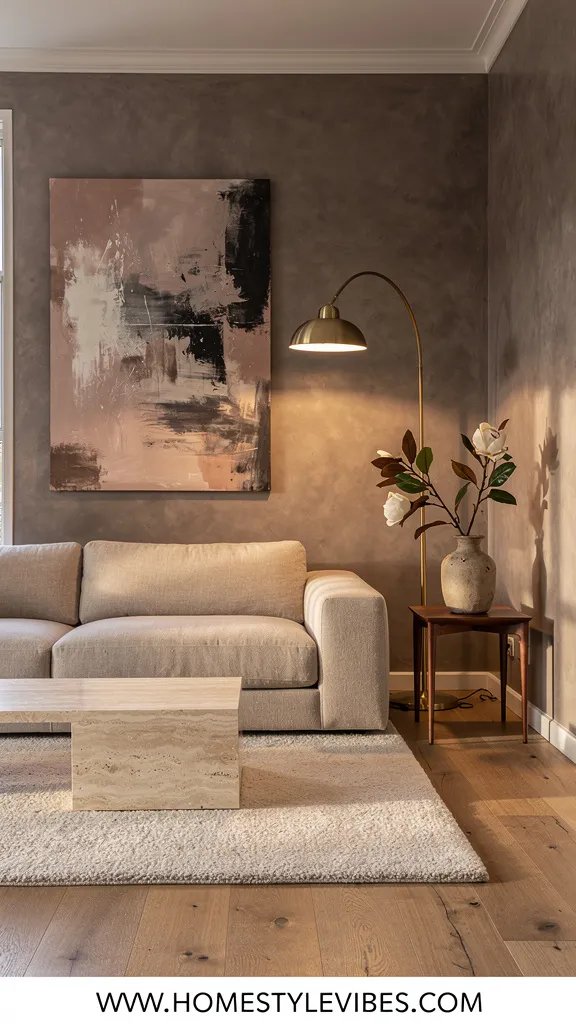
You’ve tried “greige,” but it still looks like office paint. The sofa reads tired, the art feels mismatched, and somehow the room never looks finished. Cue Smoky Mushroom Taupe: a chameleon color that wraps the room in a warm, smoky hug without going brown. It’s cozy, modern, and plays well with black, brass, walnut, and blush.
Why it works in real homes: this color loves imperfect light. North-facing room? It stays warm. South-facing? It holds its sophistication. Lighting amplifies mood—use dimmable wall sconces and one floor lamp for layered pools of light. Materials bring contrast: suede pillows, walnut coffee table, brushed brass hardware, and a nubby wool rug. Photos adore this palette because taupe creates mid-tone depth that makes whites pop and wood glow.
Variations: Darker version? Go one shade deeper and pair with cream drapes. Small-space edit: use pale oak instead of walnut, glass coffee table, and slim sconces. Renter-friendly swap: peel-and-stick fabric panels behind the sofa for a faux feature wall.
Key Design Elements:
- Main materials: brushed brass, walnut, wool blend, smoked glass
- Color palette: smoky taupe walls, cream textiles, black accents, blush or rust micro-accents
- Lighting strategy: dimmable sconces + sculptural floor lamp
- Furniture silhouettes: soft-edged sofa, rounded coffee table, slender legs
- Texture layers: nubby rug, velvet or suede cushions, ribbed vase
- Accent details: curved brass tray, low ceramic bowl with palo santo
Budget Breakdown:
- Paint (2–3 gallons, scrubbable matte): $120–$210
- Plug-in sconces (pair): $130–$260
- Wool-blend rug (8×10): $250–$600
- Walnut coffee table (round): $200–$500
- Velvet/suede pillows (set of 4): $80–$160
- Floor lamp (sculptural): $140–$320
Total Estimated Cost: $920 – $2,050
Best For: Medium to larger rooms with mixed light; ideal if you love modern Mediterranean or quiet luxury vibes but still want a snuggle-friendly space.
How To Recreate This Look:
- Paint walls in smoky mushroom taupe; keep trim a crisp, soft white for contrast.
- Bring in a soft-edge, rounded sofa to echo the cozy curves of the color.
- Add a round walnut coffee table to break up straight lines.
- Install two plug-in sconces at eye level to create balanced warmth.
- Style with suede or velvet pillows, stacked books, and a brass tray.
Why This Feels Designer: The restrained palette makes every material count. Rounded silhouettes soften shadows, while brass reads as a quiet gleam rather than bling.
One Thing To Avoid: Don’t pair this with blue-tinted whites. They’ll make the taupe look murky. Choose a warm white with a touch of red or yellow undertone.
Pro Styling Tip: Photograph from a lower angle so the rug texture and rounded furniture create depth lines leading into the shot.
Ready for a richer vibe? The next color brings soulful drama—without gloom.
Remember, this isn’t about recreating a showroom. It’s about building a living room that works with your light, your habits, and your Sunday afternoon naps. If one idea resonates louder than the others, that’s your starting point.
3. Spiced Clay Terracotta With A Woven Glow
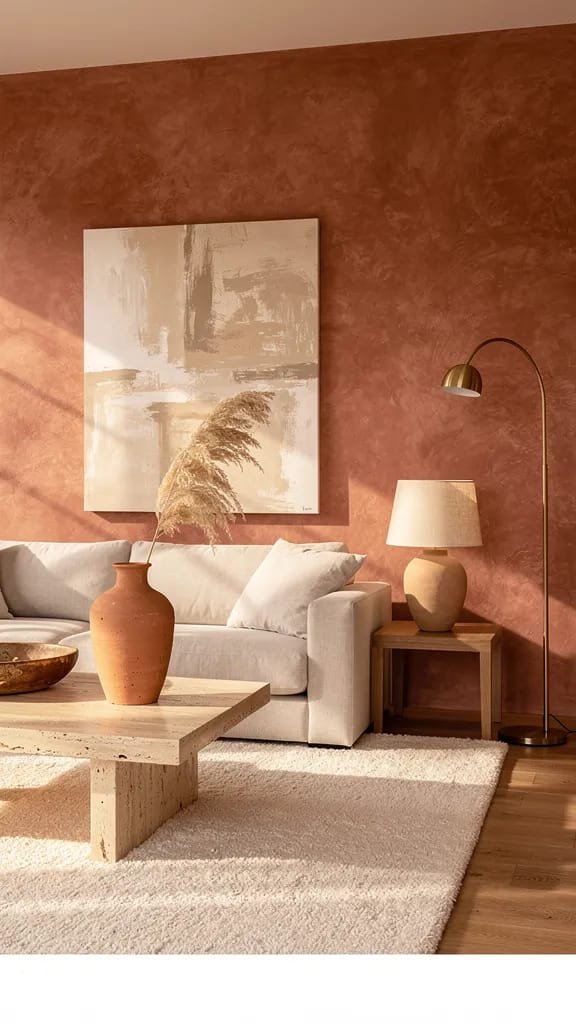
It’s that wall that always feels chilly and a little lifeless, even when the heat’s on. You’ve hung art, added blankets, but it still reads “meh.” Spiced Clay Terracotta flips the story. It’s earthy, not orange; sunwarmed, not rustic. With the right undertone (a whisper of pink and brown), it hugs the room and flatters skin tones like candlelight.
Expect a modern Mediterranean mood with grounded warmth. In daylight, terracotta radiates softly; at night, it deepens into a moody cocoon. Real-home friendly? Absolutely. It hides scuffs better than white and brings instant character to builder-grade spaces. Materials shine here: rattan shades, travertine side tables, soft wool throws, and aged brass. Photos love this combo because terracotta sits in the mid-to-dark range, creating incredible contrast with creamy textiles and natural wood.
Variations: Budget-friendly—use a feature wall behind the sofa and carry the color onto a console or shelf. Darker version—add a shade deeper on the wall behind the TV for depth. Renter-friendly—opt for removable clay-toned wallpaper or a large terracotta-toned canvas leaned behind the sofa.
Budget Breakdown:
- Paint (2 gallons, eggshell): $90–$160
- Woven rattan pendant: $80–$220
- Travertine or faux-travertine side tables (pair): $180–$450
- Cream heavy-knit throw + pillows: $80–$180
- Vintage-style brass table lamp: $90–$200
- Neutral linen curtains: $120–$280
Total Estimated Cost: $640 – $1,490
Best For: Rooms that feel sterile or under-furnished; great in cooler climates where warmth is welcome most months.
Key Design Elements:
- Main materials: rattan, travertine, linen, aged brass
- Color palette: spiced terracotta, cream, natural oak, sage green accents
- Lighting strategy: woven pendant for pattern + table lamps for warmth
- Furniture silhouettes: low profile, relaxed cushions, simple wood frames
- Texture layers: heavy knits, woven shades, stone surfaces
- Accent details: terra-cotta pots, olive branches, matte pottery
Why This Reads High-End: Earthy color palettes feel intentional. Natural textures—stone and rattan—age gracefully and photograph with gorgeous shadow play.
How To Recreate This Look:
- Paint walls in a spicy terracotta with brown-pink undertone; test samples to avoid orange.
- Swap a basic drum shade for a woven rattan pendant to cast soft lattice shadows.
- Add cream textiles: a chunky throw and oversized pillows for visual relief.
- Introduce stone with travertine side tables for a grounded, timeless vibe.
- Style a few terra-cotta pots with olive branches or dried stems for sculptural lines.
The Most Common Mistake: Pairing terracotta with bright, cool whites. Use a warm, creamy white for trim or upholstered pieces to keep everything cohesive.
Pro Styling Tip: Place a small up-light behind a rattan pot or plant—those tiny shadows make the wall color look layered and luxe in photos.
4. Deep Olive Fog With Brass Lines
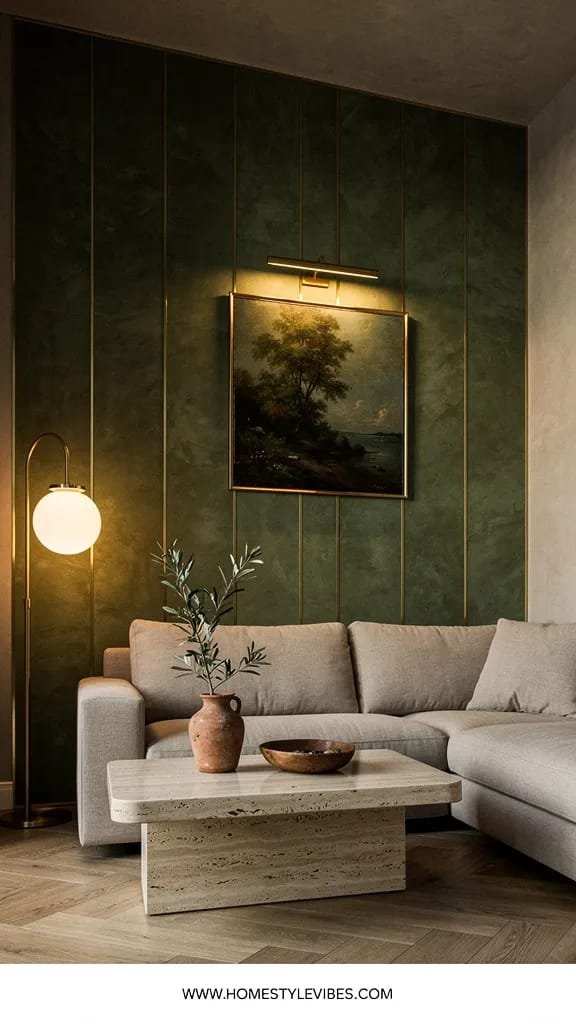
You want drama but fear the cave effect. I hear you. Deep Olive Fog is the compromise: a moody, vegetal green with a foggy gray veil. It’s sophisticated, a little mysterious, and unbelievably calming. Picture forest at dusk, not hunter green jacket.
This color works in real homes because it makes old pieces look important: thrifted frames suddenly feel like heirlooms, a simple credenza becomes museum-like. Lighting should be layered and low: picture lights over art, a floor lamp with an opal globe, and a slim table lamp on a console. Materials skew rich—brushed brass lines, fluted wood, glossy black pottery. Photographs adore this—dark walls create a stage for lighter elements; the play of matte and gleam reads editorial.
Variations: Small-space version—paint only the lower two-thirds (do a subtle color block), keep upper third creamy. Budget version—green on a single focal wall plus olive linen pillows and a brass lamp. Renter-friendly—extra-large green fabric panel behind sofa or peel-and-stick paneling painted olive.
Key Design Elements:
- Main materials: fluted wood, brushed brass, opal glass, black clay pottery
- Color palette: deep olive, warm brass, cream, walnut, black accents
- Lighting strategy: picture lights + globe floor lamp + dimmers
- Furniture silhouettes: clean-lined with one curvy hero chair
- Texture layers: velvet pillow or two, wool rug, ribbed wood
- Accent details: botanical prints, black-framed art, a single brass bowl
Budget Breakdown:
- Paint (2–3 gallons, matte): $120–$210
- Plug-in picture light(s): $80–$200 each
- Opal globe floor lamp: $120–$300
- Velvet cushions (pair): $40–$100
- Black clay vases (set): $50–$120
- Fluted wood console or DIY fluted panels: $150–$400
Total Estimated Cost: $560 – $1,330
Best For: Larger rooms or spaces with medium-to-good light; perfect if you love tailored, moody lounges with a hint of old-world charm.
How To Recreate This Look:
- Paint a deep olive-gray on walls; keep ceiling creamy to prevent a cave.
- Add a fluted console or DIY fluted panels on a small section for texture contrast.
- Install plug-in picture lights over a gallery trio of black-framed prints.
- Ground with a light wool rug and a walnut coffee table.
- Style with a single brass bowl, black clay vases, and an opal globe lamp.
Why This Looks Intentional: The dark envelope frames your pieces like art. Consistent brass lines unify the space while the cream rug keeps it approachable.
Don’t Do This: Don’t overstuff with too many dark textiles. You need contrast—light rug, light drapes, or light upholstery to balance the depth.
Pro Styling Tip: When photographing, turn the picture light on and the overhead off; let the art glow and the olive fade back slightly for a cinematic feel.
Halfway in? Take a beat. If one color is making your pulse slow (in the best way), save it. You only need one gorgeous decision to make the room feel like home.
5. Buttered Oatmeal With Pale Oak And Quiet Pattern
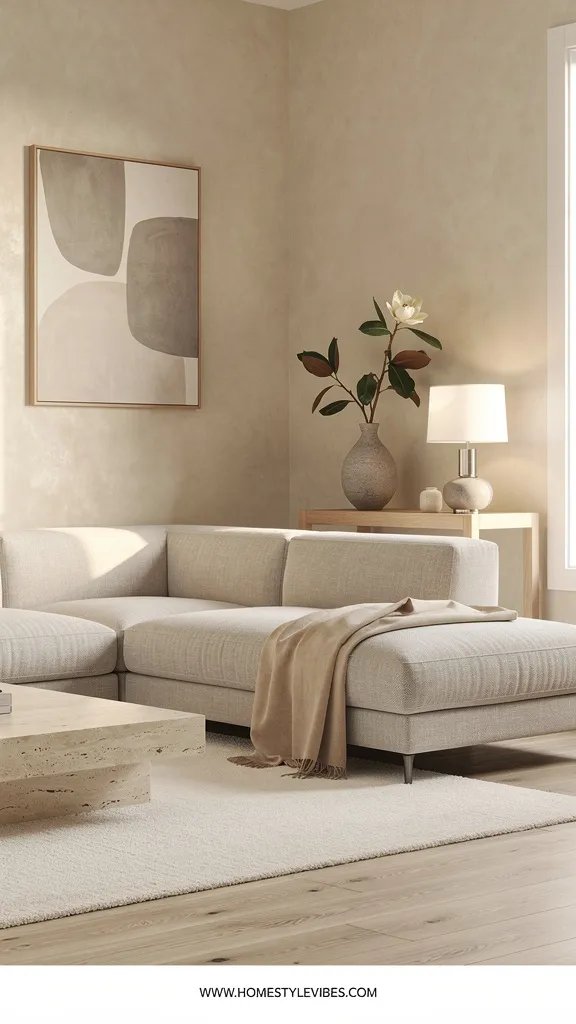
You crave coziness but every beige you try looks builder-basic. Been there. Buttered Oatmeal is the secret: a soft, oatmeal-neutral warmed with a hint of butter. It’s not yellow; it’s glow. This shade makes sunlight look longer and turns simple furniture into a serene set piece.
The mood is Japandi meets country modern—clean lines, warm tones, and a whisper of pattern. Real-life win: this color hides dust and fingerprints better than stark white and reflects enough light to keep small rooms feeling open. Materials focus on tactility: pale oak, washed cotton, textured plaster accessories. Cameras love the low-contrast palette with subtle texture shifts, which read expensive and calm.
Variations: Small-space edit—monochrome furniture and one patterned lumbar pillow. Budget-friendly—paint only, add a pale oak side table and soft patterned rug. Renter-friendly—use removable linen-look wallpaper in a similar tone behind the sofa.
Budget Breakdown:
- Paint (2 gallons, washable matte): $90–$140
- Pale oak side tables (pair): $180–$380
- Soft patterned rug (subtle geometric): $200–$500
- Washed cotton curtains: $80–$180
- Textured plaster vase + bowl: $50–$120
- Neutral lumbar pillow with small-scale pattern: $30–$70
Total Estimated Cost: $630 – $1,390
Best For: Small or low-ceiling rooms where warmth and lightness need to cooperate. Great if you like minimalism but want it to feel human and cozy.
How To Recreate This Look:
- Paint walls in buttered oatmeal; keep trim the same or slightly lighter for a soft edge.
- Swap in washed cotton curtains, hung high and just kissing the floor.
- Choose a pale oak side table or two for gentle contrast.
- Layer a subtle-patterned rug to break up solids without visual noise.
- Style with a textured plaster vase, neutral art, and a single patterned lumbar.
Why This Looks Expensive: The room reads tonal but not flat, thanks to tiny shifts in texture and pattern. The effect is quiet luxury—no single item shouts, everything whispers “finished.”
Watch Out: Don’t choose a rug that’s too high contrast. A bold black-and-white undercuts the softness—opt for oatmeal on oatmeal with a lighter pattern thread.
Pro Styling Tip: Add a single dark object (like a black book or iron candlestick) to anchor the photo and prevent the palette from washing out.
6. Inky Navy Night With Gallery Glow
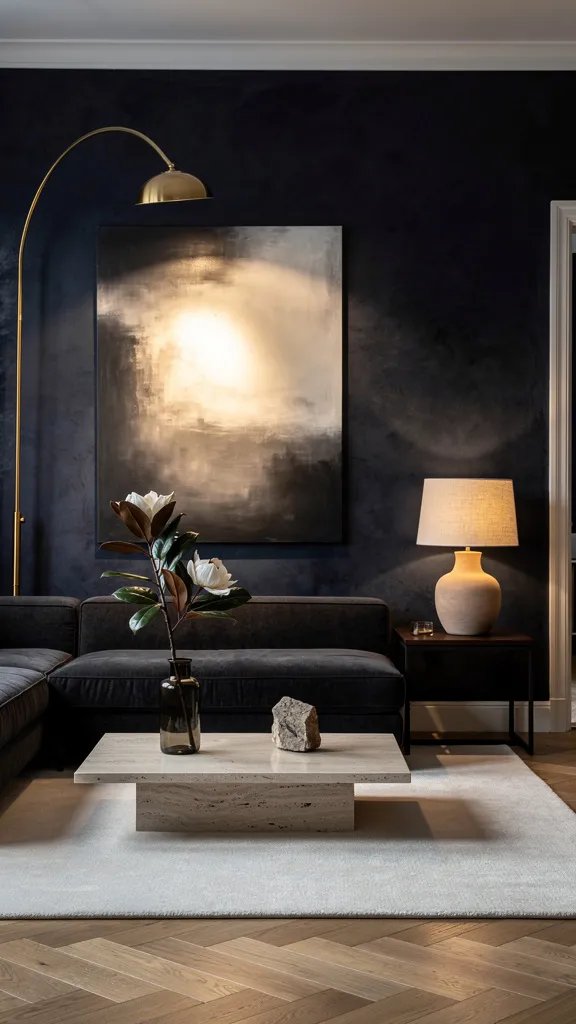
You love the idea of a dark, moody living room but fear it’ll feel like a basement. My friend agonized over this for weeks before realizing the issue wasn’t color—it was lighting and scale. Inky Navy Night, done right, feels like a calm sky and makes everything else in the room look curated. Gloss level matters: choose matte or ultra-matte to avoid streaks and weird reflections.
This mood is modern library meets boutique hotel. Why it works at home: dark walls recede visually, so the room can actually feel bigger when styled with intentional contrasts. Lighting makes or breaks it—think warm sconces, art lights, and a diffused paper lantern overhead. Materials: leather, wool, brass, and smooth ceramics. Photos love the navy because it frames art like a midnight mat and turns lamp light into golden halos.
Variations: Small-space version—paint only the wall behind the sofa and the adjacent corner to create depth. Budget-savvy—swap new furniture for brighter throws, brass frames, and cream lampshades. Renter-friendly—navy fabric panels secured with removable strips behind a console for instant drama.
Budget Breakdown:
- Paint (2–3 gallons, ultra-matte): $120–$220
- Paper lantern or large fabric drum: $40–$120
- Brass frames (set of 6 for gallery): $120–$260
- Cream wool rug: $220–$600
- Leather accent chair or ottoman: $200–$700
- Sconces or picture lights (pair): $130–$260
Total Estimated Cost: $830 – $2,160
Best For: Medium to large rooms or spaces with good artificial lighting control. Ideal if you want a nighttime lounge vibe that still functions for Netflix and guests.
Key Design Elements:
- Main materials: leather, wool, brass, smooth ceramics
- Color palette: inky navy, cream, brass, walnut, hints of rust
- Lighting strategy: layered warm lighting with diffused overhead
- Furniture silhouettes: structured sofa, classic armchair, slim legs
- Texture layers: wool rug, leather ottoman, silk or sateen pillow or two
- Accent details: brass gallery frames, cream lampshades, dark blue vase
Why This Feels Designer: Controlled contrast. Navy recedes, cream leaps forward, and brass creates micro-highlights that make a basic living room read like a pulled-together suite.
How To Recreate This Look:
- Paint walls in inky navy with ultra-matte finish; fix wall dings first—dark colors show flaws.
- Hang a large paper lantern overhead to soften the darkness with a cloud-like glow.
- Create a gallery wall with brass frames and cream mats for sharp contrast.
- Add a cream wool rug to brighten the floor plane.
- Style with a leather accent and warm wood for depth, plus a couple of cream throws.
The Most Common Mistake: Using cool white bulbs that make navy read like black-blue ink spill. Stick to 2700K and dimmers, always.
Pro Styling Tip: Shoot with one lamp on and the overhead off; the gradient on navy walls sings on camera and makes metals glow.
Feeling bolder yet? Our last color is soft, soulful, and shockingly flattering in daylight.
Quick mindset reset: Perfection isn’t the assignment. A beautiful living room comes from a strong color choice and three supportive textures. If a pillow is off or your coffee table is temporary, that’s fine—your wall color will carry you.
7. Mushroom Pink Beige With Vintage Brass And Velvet
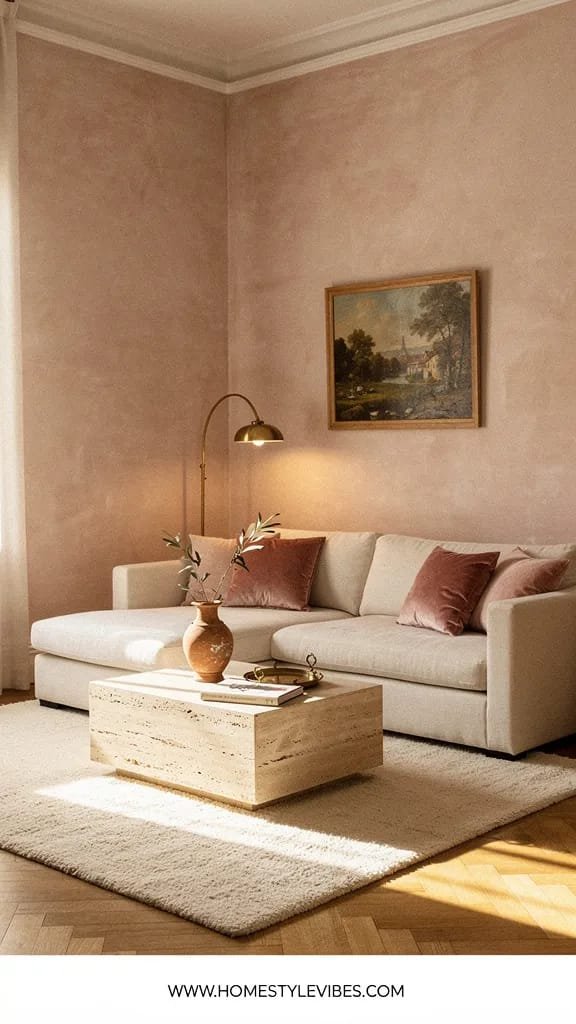
You think pink and immediately imagine a nursery. I did too—until I tried a mushroom pink beige in my own living room last fall and honestly couldn’t believe the difference. It’s not girly. It’s a subtle blush grounded with mushroom undertones, like a rose quartz filtered through fog. The result: everything looks warmer and more expensive, including you on FaceTime.
Mood-wise, it’s soft romance meets Parisian apartment. In real life, it hides scuffs better than white and flatters woods from oak to walnut. The key is balance: add vintage brass, textural velvet, and charcoal for structure. Lighting should be warm and indirect; wall washers or shaded lamps prevent hot spots. On camera, this color reads editorial because it enriches skin tones and makes textiles glow.
Variations: Darker version—deepen one accent wall a half shade. Small-space edition—pair with light floors, lucite coffee table, and two velvet pillows. Renter-friendly—large pink-beige fabric screen behind the sofa for a dramatic, movable backdrop.
Budget Breakdown:
- Paint (2 gallons, washable matte): $90–$160
- Vintage brass lamp or reproduction: $80–$250
- Velvet pillow set (blush-mushroom): $60–$140
- Charcoal throw or ottoman: $70–$220
- Framed line art (set of 2–3): $80–$200
- Linen curtains in warm white: $120–$280
Total Estimated Cost: $500 – $1,250
Best For: Spaces that feel cold or clinical; perfect for renters or anyone wanting a soft, sophisticated living room that looks amazing day and night.
How To Recreate This Look:
- Paint in mushroom pink beige; keep ceilings creamy white for lift.
- Bring in a vintage or vintage-style brass lamp for patina and glow.
- Add two velvet pillows in a blush-mushroom tone; counter with a charcoal throw.
- Hang warm white linen curtains high to elongate the space.
- Style with minimal line art and a single leafy plant in a matte pot.
Why This Reads High-End: The blush undertone softens everything while mushroom grounds it. Mixed textures—velvet, linen, brass—feel collected, not theme-y.
Don’t Do This: Don’t overload with pastel accents. You need a few dark notes (charcoal, black frame, deep wood) to keep it sophisticated.
Pro Styling Tip: Photograph at golden hour with curtains skimmed closed; the filtered light turns the pink-beige into a warm halo.
Confession time: picking the right cozy color for living room walls isn’t always instant. I’ve repainted a room twice in one week—humbling, messy, worth it. The truth is, your light is unique. Sampling is not a maybe; it’s the whole move. Once the color sings, the rest falls into place.
Quick Checklist
- Sample 3–4 shades on poster board and track them in morning, noon, and night light
- Choose warm bulbs (2700K–3000K) to keep cozy shades from reading cold
- Use matte or washable matte finishes for richer, softer walls
- Hang curtains 1–2 inches from the ceiling to avoid the cheap-looking gap
- Layer at least three textures: one soft, one nubby, one sleek
- Balance deep walls with light rugs or light upholstery for contrast
- Add one or two metallic accents to create micro-highlights
- Use dimmers to control mood shifts from day to evening
- Keep art mats and lamp shades cream against darker walls for pop
- Feature one curved piece to offset all the rectangular lines
Frequently Asked Questions
How do I pick the right undertone so my cozy color doesn’t turn yellow or orange at night?
Test samples on movable boards and look at them under your evening bulbs. If it shifts too warm, choose a color with a touch of gray or pink in the undertone. Also switch to 2700K bulbs—cool bulbs will skew any undertone oddly.
My living room is small. Will darker colors make it feel claustrophobic?
Not if you balance them. Dark walls recede, which can make a room feel larger when paired with light rugs, light curtains, and reflective accents. Keep the ceiling light and add a diffused overhead fixture to prevent a cave effect.
I’m on a strict budget. What’s the minimum I should do to get a cozy, finished look?
Paint, proper bulbs, and one substantial rug. That combo handles 80 percent of the visual transformation. Then add two textured pillows and a throw for depth. Keep everything within one cohesive palette.
How do I keep cozy colors looking clean with kids and pets?
Choose washable matte or eggshell finishes and keep a small jar of touch-up paint on hand. Mid-tone colors like taupe, terracotta, and buttered oatmeal hide scuffs better than bright whites. A patterned or nubby rug also conceals daily life beautifully.
I rent and can’t paint. How can I still get the cozy wall color effect?
Use large removable fabric panels, peel-and-stick wallpaper in a similar tone, or lean oversized canvases painted in your chosen color. Add warm curtains and dimmable lamps—light temperature does half the work.
Conclusion
Here’s your nudge: pick the one color that made you slow your scroll and start there. Sample it in three spots, swap your bulbs, and commit to a weekend. Don’t wait until you’ve organized every drawer—paint first. It’s the fastest way to make the room actually feel finished.
Cozy doesn’t come from filling the room with stuff. It comes from the right color on the walls, textured layers you want to touch, and lighting that flatters the space. Restraint makes the room breathe; texture and warm light make it feel alive.
You’re closer than you think. Choose your shade, queue your playlist, and change the feeling of your home by next Sunday. Seriously—once that first coat dries, you’ll wonder why you lived with flat walls for so long. You’ve got this.

About the Author

Krisztina P.Rendes, Founder of Home Style Vibes
Founder of Home Style Vibes
Krisztina Puskásné Rendes created Home Style Vibes as a cozy-modern lifestyle space where homemaking meets inspiration. Her goal is to help women create beautiful, organized, and peaceful homes they truly love — without overwhelm. You’ll find here heart-driven content on home decor, cleaning tips, easy family recipes, organization and decluttering, DIY home projects, plants, and seasonal ideas — all designed to bring more calm, comfort, and style into everyday life.