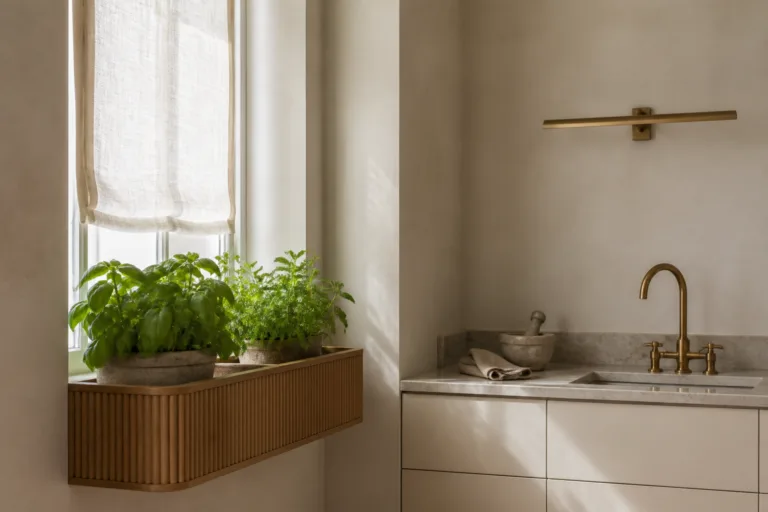
How To Create A Meditation Garden In Your Backyard (Step By Step)
Take a deep breath. Now imagine a cozy corner of your backyard that hushes your brain the second you step in. That’s your meditation garden—your personal “do not disturb” zone that doesn’t require a plane ticket or a retreat fee. Let’s build it step by step, with simple choices, smart shortcuts, and a little bit of zen magic.
Pick The Perfect Spot (Your Future Zen Zone)
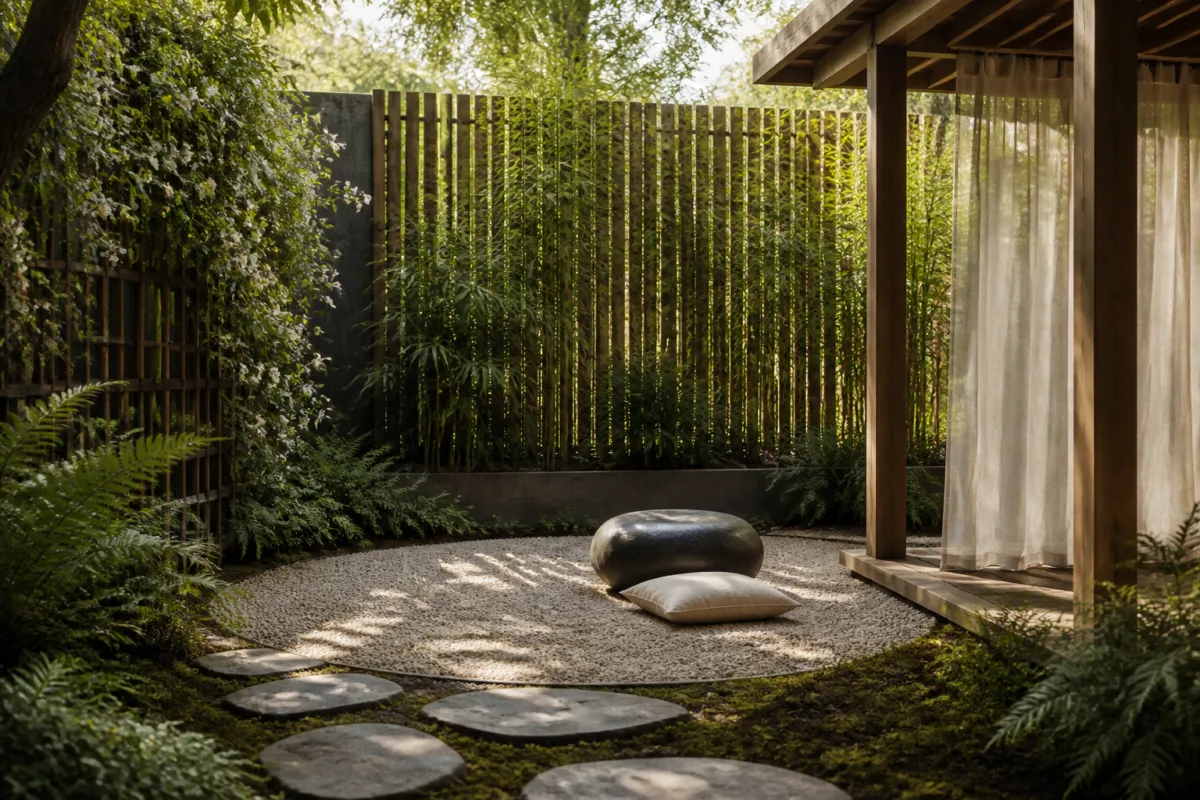
You don’t need acres. You need a spot that feels tucked away and gets gentle light. Avoid high-traffic areas and noisy fences if you can.
- Look for dappled light: Morning sun = soft glow. Midday blast = 🥵 no thanks.
- Check the ground: Slightly level soil saves you leveling headaches later.
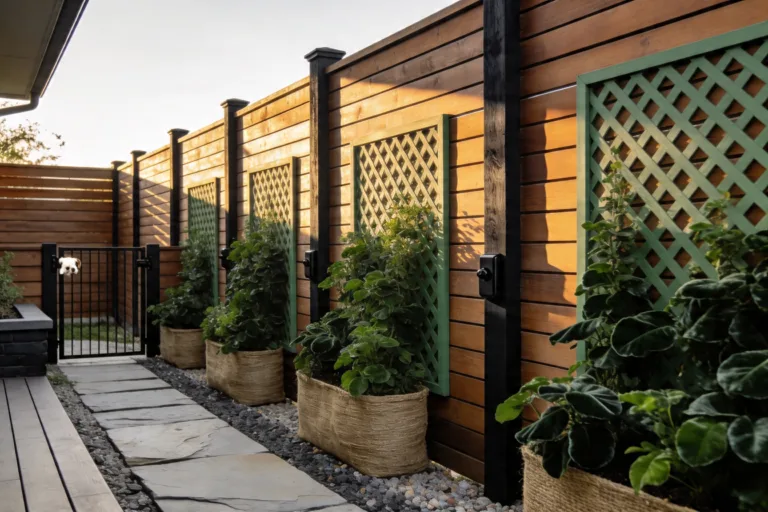
- Think privacy: Hedges, trellises, or a simple screen can create instant calm.
Quick Privacy Fixes
- Bamboo in large planters (clumping varieties only, please—running bamboo is chaos).
- Outdoor curtains on a simple pergola or tension rod.
- A lattice panel with climbing jasmine or clematis.
Define The Space With A Simple Layout
Meditation gardens thrive on intention. Create a flow that guides you from “daily chaos” to “I can hear my breath again.”
- Entrance: A stepping stone or small arch signals you’re entering a calm zone.
- Path: Curved, not straight. It naturally slows your pace.
- Center: A sitting nook or focal point where you practice.
Ground Cover Ideas
- Pea gravel: Affordable, great sound underfoot, easy to maintain.
- Decomposed granite: Smooth finish, good for raked patterns.
- Moss or creeping thyme: Soft, lush, low maintenance (if the light and moisture are right).
Create A Comfortable Meditation Seat
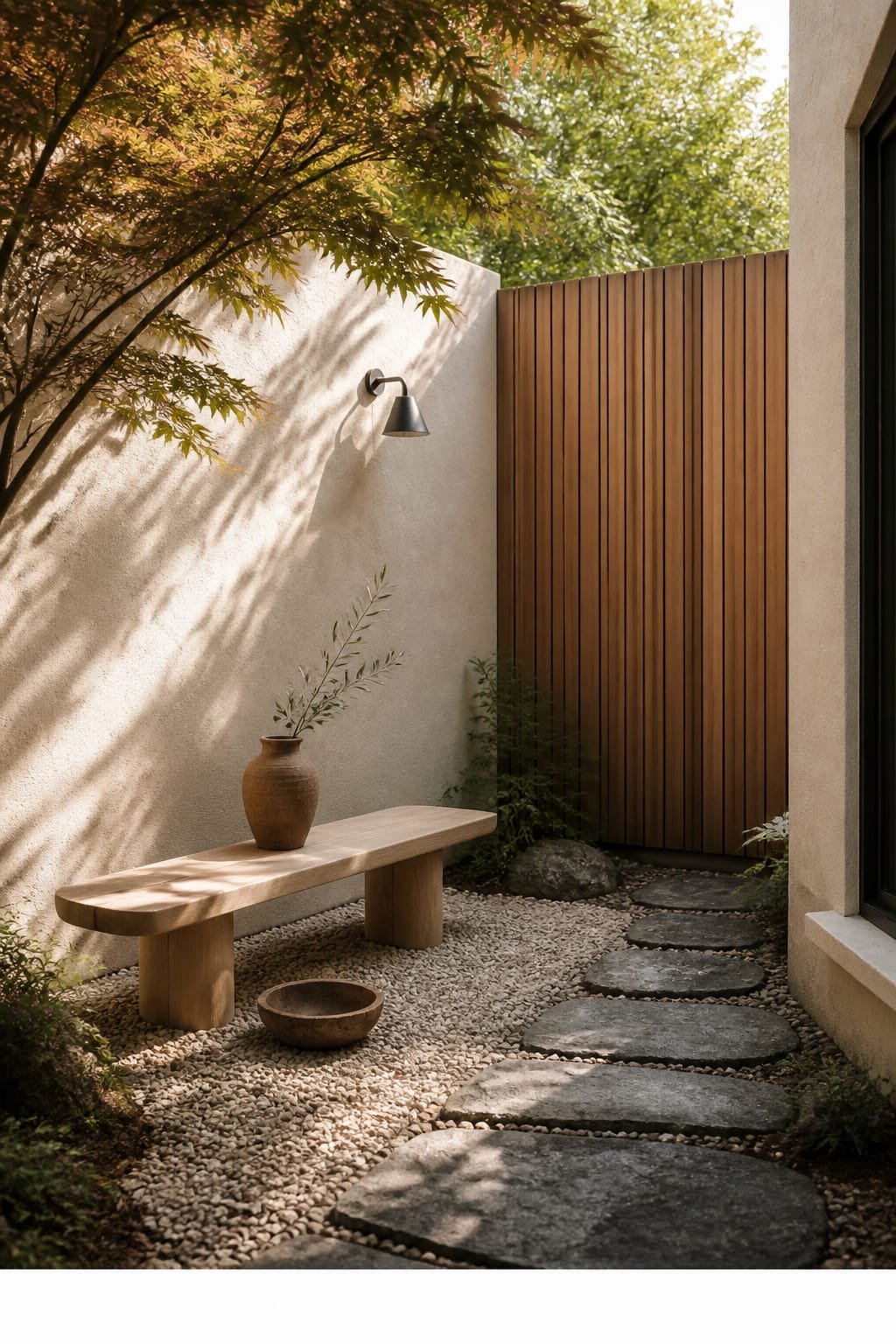
You’ll never use your garden if your back protests every minute. Make comfort non-negotiable.
- Ground sitters: Use a weather-resistant zafu cushion on a mat, or a low kneeling bench.
- Chair people: A simple wooden or Adirondack chair works—add a lumbar cushion.
- Platform idea: A small deck tile area or stone slab keeps you dry and stable.
Shade And Weather Hacks
- A cantilever umbrella or shade sail for harsh sun.
- Thick outdoor rug to insulate from cold ground.
- Stash cushions in a waterproof deck box. FYI: mildew is not zen.
Choose Plants That Whisper, Not Scream
Go for soothing textures, soft movement, and subtle scents. You don’t want a sensory circus; you want a gentle background hum.
- Textures: Japanese forest grass, hostas, ferns, lamb’s ear.
- Movement: Dwarf fountain grass, bamboo (clumping), feather reed grass.
- Color palette: Greens, silvers, whites, and pale purples keep it calm.
- Scent (light and intentional): Lavender, chamomile, gardenia, jasmine. Place near your seat, not everywhere.
- Evergreens: Boxwood or dwarf conifers provide year-round structure.
Low-Maintenance Combos By Light
- Sunny: Lavender + rosemary + thyme path edges + olive or dwarf conifer.
- Part shade: Ferns + hakone grass + hydrangea + hellebores.
- Shade: Hostas + heuchera + moss + Japanese maple (if your climate allows).
Sound, Water, And Elements That Calm Your Brain
Your senses make or break the vibe. Gentle sound covers noise and anchors you in the moment.
- Water feature: A small ceramic spill fountain or solar bubbler—low splash, soft burble.
- Sound screen: Wind in grasses, bamboo leaves, or a subtle chime (one, not five).
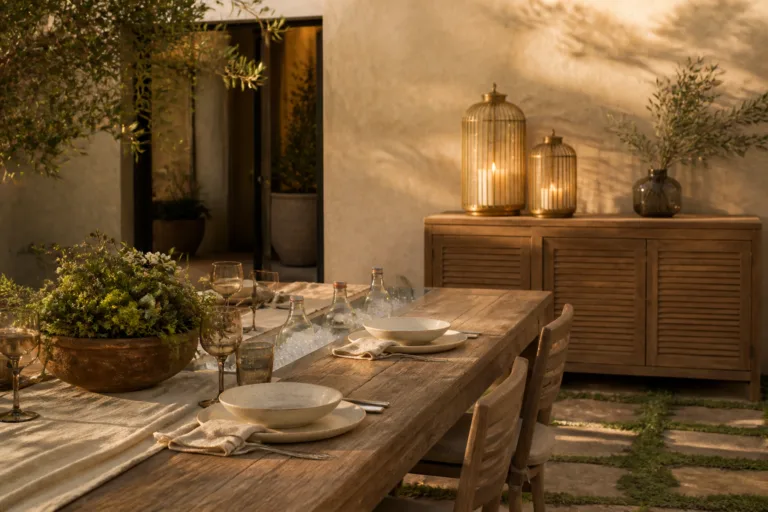
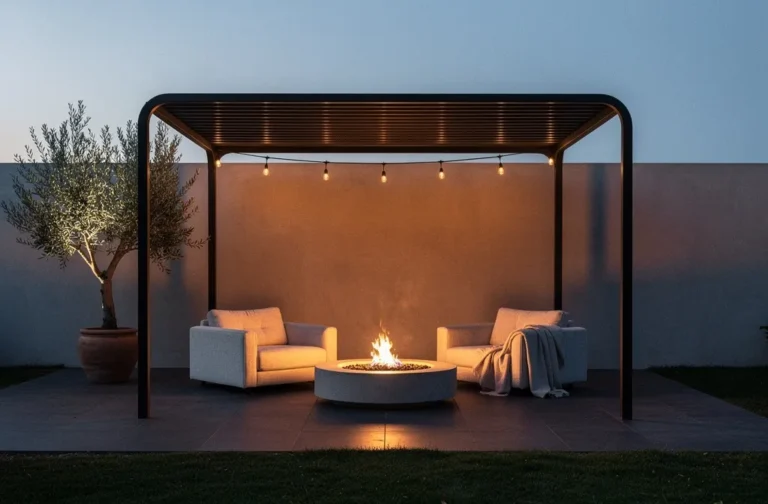
- Fire element: A tabletop fire bowl or candle lantern for evening sessions.
Lighting For Early Birds And Night Owls
- Warm-white string lights or stake lights to guide the path.
- A small lantern near your seat (battery LED = zero fuss).
- Keep it dim—no interrogation vibes. IMO, dim > bright for meditation.
Mindful Decor And A Focal Point
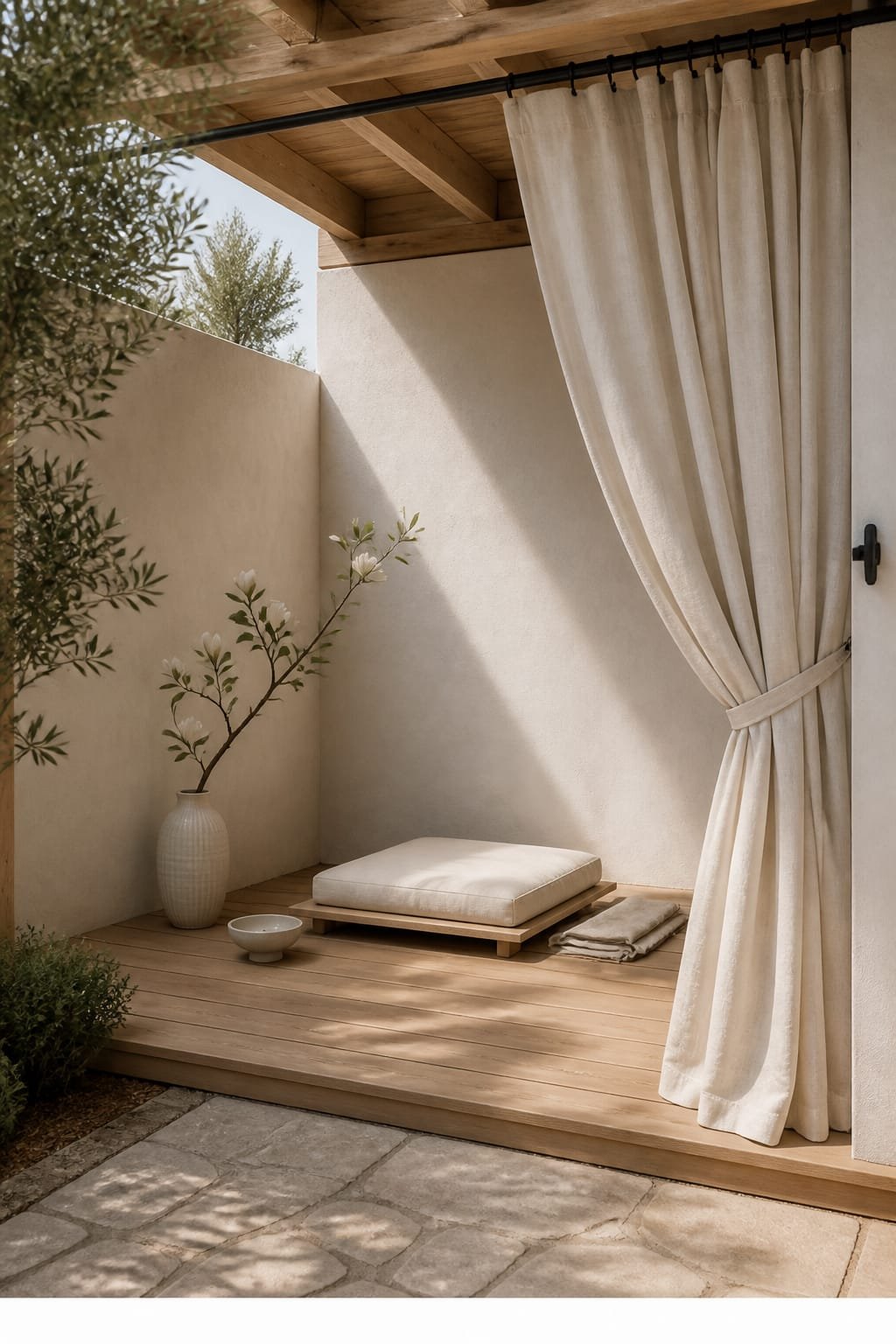
Less stuff, more meaning. Pick one object that centers the space and avoid clutter.
- Focal options: A stone, a simple statue, a shallow bowl with pebbles, a bonsai on a stand.
- Raked gravel or sand: Meditative to maintain and gorgeous in small zones.
- Textiles: One outdoor throw or mat in a neutral tone. Done.
Mini Alter Or Intention Corner
Place a weatherproof tray with a candle, a small bell, and a notebook. You can add a daily stone or leaf as a ritual—tiny, meaningful, and free.
Maintenance That Feels Like Meditation (Not Chores)
A meditation garden should invite you in every day, not guilt-trip you.
- Weekly: 10-minute tidy—pluck weeds, sweep gravel, reset cushions.
- Monthly: Prune lightly for shape, check drip irrigation, refresh mulch.
- Seasonal: Swap cushions, divide perennials, add a few bulbs for spring joy.
Watering Without Worry
- Drip lines under mulch save time and reduce fungal issues.
- Group thirsty plants together and keep drought-tolerant ones separate.
- Use a simple timer. Automation = more meditation.
Simple Step-By-Step Build Plan
- Mark your space: Outline with rope or a garden hose to test shapes.
- Prep the ground: Remove weeds, level, add landscape fabric if using gravel.
- Add hardscape: Lay stepping stones, spread pea gravel or DG, set your platform.
- Plant structure first: Evergreens and shrubs, then grasses and perennials, then ground covers.
- Install water/sound: Place your fountain or chime; check volume and splash.
- Set your seat: Cushion, bench, or chair where the view feels grounded.
- Style lightly: One focal piece, one lantern, and you’re done. FYI: restraint is a power move.
FAQs
How much space do I need for a meditation garden?
You can create one in as little as 20–30 square feet. Focus on enclosure, a single seat, and one focal point. Small actually helps—less to maintain, more to feel held.
What if my yard is noisy?
Layer sound screens. Use a soft water burble, rustling grasses, and a single chime. Add a privacy screen with dense planting near the noise source. White-noise-level sound, not a waterfall at a theme park.
Can I do this on a balcony or small patio?
Absolutely. Use planters with bamboo or grasses for privacy, a compact chair, a tabletop fountain, and a small outdoor rug. Same principles, just containerized. IMO, balconies make stellar mini sanctuaries.
What plants work if I have zero gardening skills?
Try lavender (sunny), dwarf conifers (year-round shape), heuchera (shade-tolerant), and creeping thyme (path edges). Stick to 3–5 species max and repeat them. Repetition = calm and easy care.
Do I need a water feature?
Nope, but it helps. If maintenance scares you, use a small solar bubbler bowl. Or skip water and lean on wind-friendly plants and soft chimes.
How do I keep it low maintenance?
Pick slow-growing plants, mulch well, and automate watering. Keep decor minimal and do a 10-minute weekly reset. That tiny habit beats any weekend-long overhaul.
Conclusion
You don’t need a monastery to find quiet—you just need a thoughtful corner that nudges your mind to soften. Pick your spot, define a path, add a comfy seat, and plant for texture and whispery movement. Keep it simple, repeat your favorites, and let the space evolve. Before you know it, you’ll step outside, breathe, and—boom—instant calm.

About the Author

Krisztina P.Rendes, Founder of Home Style Vibes
Founder of Home Style Vibes
Krisztina Puskásné Rendes created Home Style Vibes as a cozy-modern lifestyle space where homemaking meets inspiration. Her goal is to help women create beautiful, organized, and peaceful homes they truly love — without overwhelm. You’ll find here heart-driven content on home decor, cleaning tips, easy family recipes, organization and decluttering, DIY home projects, plants, and seasonal ideas — all designed to bring more calm, comfort, and style into everyday life.