7 Summer Home Decor Ideas That Make Your House Feel Like a Vacation
You want an easy-breezy, iced-limeade-in-hand kind of summer home. You hate that your place still feels like late February—heavy, cluttered, low-energy. Picture linen-swaddled sofas, salt-kissed textures, morning light stretching across pale floors, and little rituals that whisper, stay a while. These 7 summer home decor ideas will solve the exact frustrations making your home feel stuffy by focusing on texture, light layering, and small design shifts that create big, photogenic impact—under a weekend or two and without blowing past a $1,200 refresh per zone. Expect airy color stories, clever furniture swaps, and hotel-level details that hold up IRL with kids, pets, and sandy feet. If you crave a summer house vibe—calm, chic, and effortlessly welcoming—this list is your unofficial passport.
1. Salt + Citrus Living Room With Breezy Linen Layers
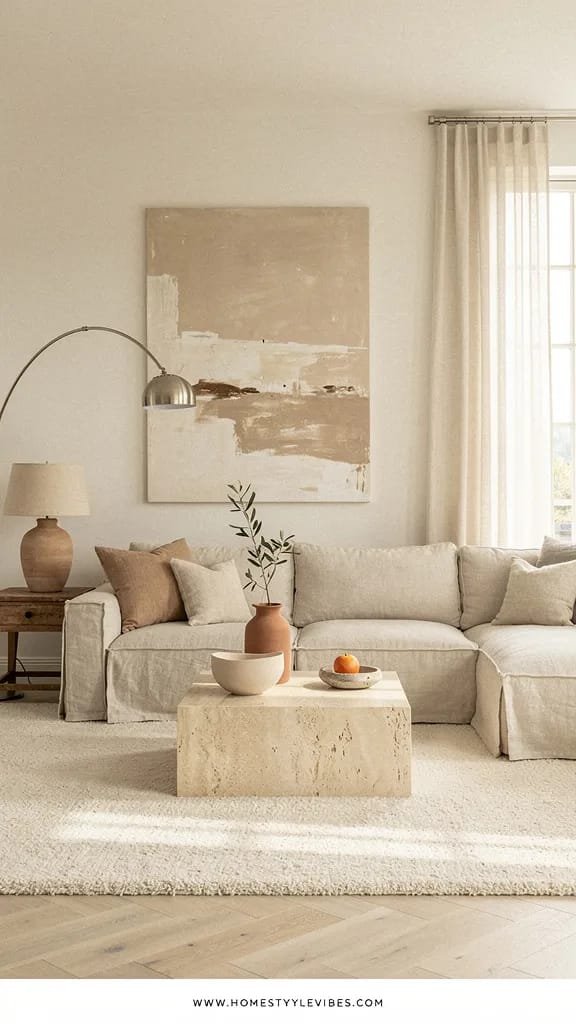
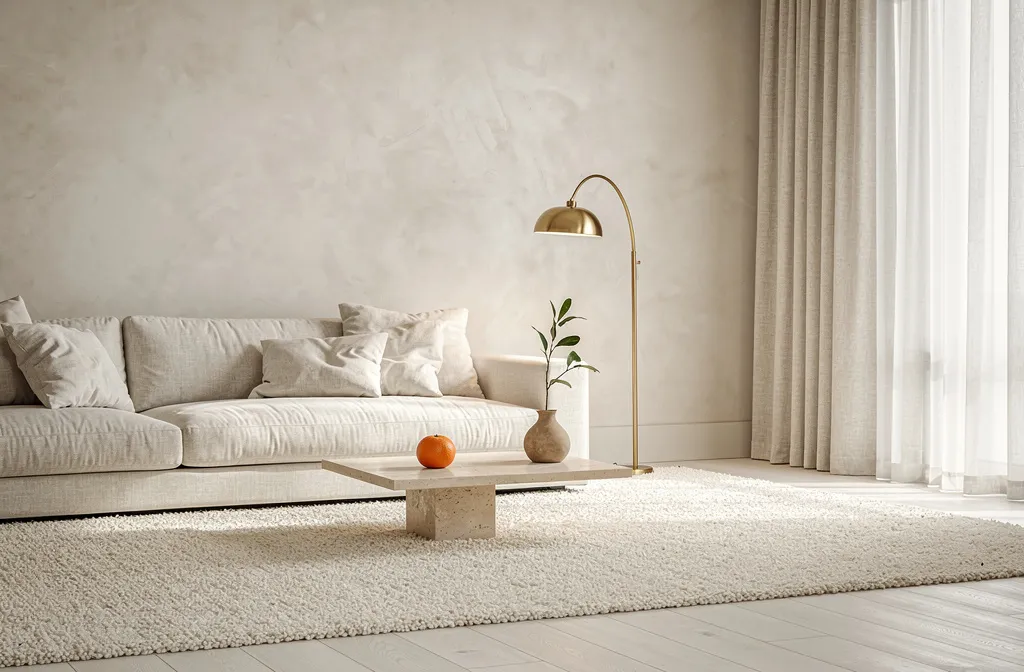
We’ve all been there: the living room that still feels like sweater weather in July. You’ve tried tossing a lighter throw blanket onto the sofa, but it still looks dense and seasonally confused. This design creates a coastal-modern mood—think Capri steps at noon and a just-cut grapefruit. It works in real homes because it doesn’t demand new furniture; it asks for breathable textiles, tone-on-tone styling, and one citrus accent that wakes the room up like sunshine. Lighting becomes the quiet hero here: warm white bulbs, a pale rug that reflects light back up, and curtains that filter rather than block.
Materials do the heavy lifting: stoneware, raw oak, nubby linen, cane, and matte pottery. These keep the room easy to maintain and family-friendly; linen cushions wash well and look better a little rumpled. Why does this photograph beautifully? Subtle contrast: chalky whites against oat linen, a single blood-orange pillow against a sandy sofa, a textured jute basket with glossy green limes. Shadows feel gentle instead of harsh because nothing is overly shiny; it’s calm, not plastic.
Variations to consider: swap the linen slipcover for a washable cotton duck version if you have pets; downsize to a 5×7 light-wool flatweave for apartments; add a darker wood coffee table for more visual weight; or go renter-friendly with removable linen cushion covers and a citrus-toned art print instead of repainting.
Budget Breakdown:
- Linen slipcovers for sofa/chairs: $120 – $450
- Light, low-pile rug (flatweave or wool blend): $160 – $600
- Sheer curtains (two panels): $60 – $180
- Citrus accent pillow(s) or throw: $25 – $120
- Stoneware vases/bowls: $20 – $90
- Rattan or cane tray: $25 – $80
Total Estimated Cost: $410 – $1,520
Best For: Small to medium living rooms needing seasonal lightness; family homes that want summer freshness without replacing core furniture.
Key Design Elements:
- Main materials: linen, raw oak, stoneware, cane
- Color palette: soft sand, chalk white, pale gray, citrus pops (blood orange or lemon)
- Lighting strategy: warm 2700–3000K bulbs; filtered daylight via sheers; floor lamp with linen shade
- Furniture silhouettes: low-profile sofa, rounded-edge coffee table, slim accent chairs
- Texture layers: airy throws, woven trays, matte pottery, subtle slub-linen pillows
- Accent details: stacked travel books, greenery in stone trough, citrus bowl
How To Recreate This Look:
- Start with your sofa: add a slipcover or swap cushion covers to a breathable linen or cotton.
- Add a light-reflecting rug—flatweave or low-pile—sized to anchor front legs of your seating.
- Layer sheer curtains that graze the floor; mount rods close to the ceiling to elongate the walls.
- Install warm bulbs in table and floor lamps; swap drum shades for linen to diffuse glow.
- Style with a rattan tray, stoneware bowl of limes, and one citrus-colored pillow or throw.
Why This Looks Expensive: Tonal layers read intentional when you repeat the same soft neutrals across big surfaces, then introduce one bold accent. The restraint makes the citrus pop look curated, not chaotic.
Watch Out: Don’t pick a rug that’s too yellow; it can make everything look dingy. Aim for neutral sand or cool beige. Also avoid tiny curtains—the gap between curtain rod and ceiling cheapens the look instantly.
Pro Styling Tip: For photos, pull the sheer curtain slightly into frame so light feathers across the rug—instant vacation glow.
2. Indoor–Outdoor Dining Nook With Resort-Style Banquette
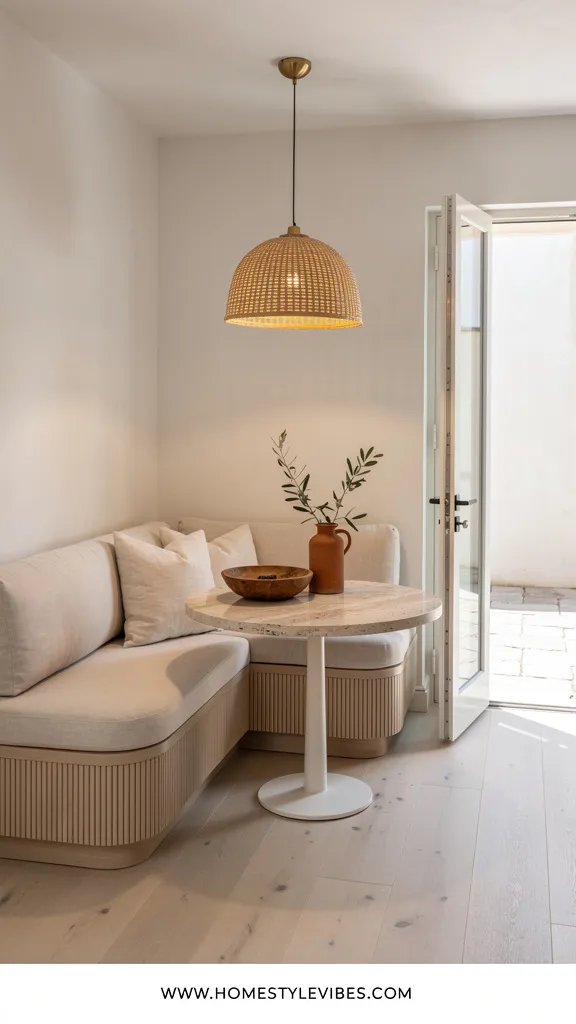
It’s that one corner that always feels off—your dining nook that never quite invites long summer dinners. You’ve tried a new centerpiece, but it still reads flat and formal. This idea builds a cozy, resort-style banquette with washable cushions, fluted detail, and a round bistro table that keeps traffic flowing. The mood lands somewhere between Mediterranean courtyard and boutique hotel breakfast room—casual, sunlit, and effortlessly social.
Why it works in real homes: banquettes create seating density without eating up floor space. You gain storage with drawers underneath, which is a quiet miracle for table linens and extra platters. Lighting matters: a dome pendant with a soft diffuser creates that flattering café glow at night, while a mirror or pale limewash opposite a window bounces daytime light and softens shadows.
Materials star here: fluted panels on the banquette base, performance linen for cushions, and pale travertine or faux-travertine tabletop. It photographs beautifully thanks to the vertical rhythm of fluting, curved table edges, and layered textures—cane-backed chairs against the upholstered bench, a ceramic pitcher with herbs for height. Renter? Use a freestanding storage bench and peel-and-stick fluted panels or beadboard wallpaper.
Key Design Elements:
- Main materials: fluted wood, performance fabric, travertine or laminate lookalike, cane
- Color palette: chalk white, pale stone, olive, inky stripe for cushions
- Lighting strategy: single pendant with diffuser, candle wall sconces, mirror to bounce daylight
- Furniture silhouettes: rounded bistro table, slim-profile chairs, L- or U-shaped bench
- Texture layers: fluting, woven cane, matte ceramics, striped textiles
- Accent details: herbs in pitcher, stripe table runner, shallow bowl with peaches
Budget Breakdown:
- Freestanding bench or DIY banquette: $160 – $600
- Performance cushion foam + covers: $120 – $350
- Round bistro table (faux travertine ok): $180 – $680
- Cane or wood dining chairs (2): $130 – $400
- Pendant with diffuser: $80 – $240
- Mirror or limewash kit: $35 – $120
Total Estimated Cost: $705 – $2,390
Best For: Apartments or modest dining areas craving hospitality energy; great near a window or sliding door.
How To Recreate This Look:
- Start with your bench: choose a freestanding storage bench or build a simple banquette using stock cabinets.
- Add firm foam cushions with performance covers—solid base with a subtle striped lumbar or piped edge.
- Layer a round table to ease movement and add soft lines; pick a pale stone look for summer brightness.
- Install a pendant 30–34 inches above tabletop with a diffuser for flattering glow.
- Style with a narrow runner, a bowl of nectarines, and a ceramic pitcher of herbs or olive branches.
Why This Feels Designer: The combination of fluting and curved silhouettes creates rhythm—your eye moves smoothly. It’s a small space trick that adds sophistication without clutter.
One Thing To Avoid: Overstuffed cushions that swallow guests. Aim for 3–4 inches of foam with firm density. People should perch, not sink.
Pro Styling Tip: For a photo-ready table, group items in odd numbers at different heights: pitcher, fruit bowl, low candle—done.
Keep going—next we take the airiness even further, right where you start your day.
3. Morning Spa Entryway With Limewash, Hooks, and Barefoot Storage
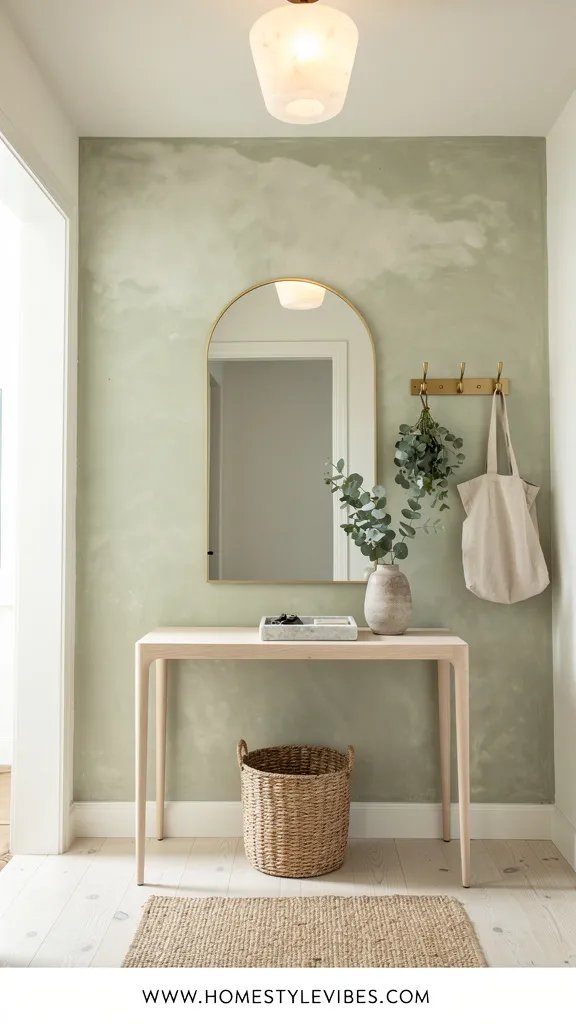
You love the idea of slipping off sandals by a breezy entry that smells like eucalyptus. You hate that yours is a pile of shoes and mail. This look channels boutique spa lobby—calm, textured, and efficient. Limewash on the walls brings soft, cloud-like movement; a slim console and wall hooks corral life’s chaos. It works in real homes because entryways do heavy daily lifting. Materials must be forgiving: sealed limewash, stone tray for keys, a washable runner, and a woven shoe basket.
Lighting is quiet but crucial. A small plaster or alabaster sconce floodes the wall with diffused glow, which enhances the limewash’s depth and hides minor scuffs. Photographing this space is a dream: the chalky wall texture eats glare, while a single branch in a matte vase adds sculpture and height without clutter. Renter-friendly version? Use removable paint-effect wallpaper and adhesive hooks rated for coats.
Two variations: go warmer with oat-colored limewash and aged brass hooks, or cooler with pale gray-blue walls and black hardware. For tiny apartments, swap the console for a shallow shelf with drawers and mount a mirror vertically to draw the eye up.
Budget Breakdown:
- Limewash kit or effect paint: $60 – $180
- Console or shallow wall shelf: $120 – $480
- Hooks (set of 4–6): $30 – $110
- Washable runner: $70 – $220
- Matte vase + branch or faux stem: $25 – $90
- Wall sconce (plug-in or hardwire): $80 – $260
Total Estimated Cost: $385 – $1,340
Best For: Small entryways or mudroom corners; homes that need fast tidy-up systems without a built-in closet.
Key Design Elements:
- Main materials: limewash, matte ceramics, woven baskets, aged brass or black metal
- Color palette: warm oat, soft white, eucalyptus green, tan leather
- Lighting strategy: diffused wall sconce and warm lamp for evening glow
- Furniture silhouettes: slender console, frameless or thin-frame mirror
- Texture layers: chalky wall, woven runner, leather key fob, stone tray
- Accent details: branch in vase, bowl for sunglasses, linen catch-all bag
How To Recreate This Look:
- Start by painting or limewashing—two coats, feathered edges, let texture show.
- Add hooks at two heights if possible—adults and kid level—for real function.
- Layer a washable runner sized to land just inside the door swing.
- Install a plug-in sconce for instant spa mood without rewiring.
- Style with a stone tray for keys, a basket for shoes, and one sculptural branch.
Why This Reads High-End: Limewash adds subtle movement that feels custom. Paired with a single quality sconce and restrained styling, the entry stops looking like a hallway and starts feeling like a destination.
The Most Common Mistake: Overfilling the console. Leave negative space so the texture breathes. Clutter kills the spa vibe faster than wet flip-flops.
Pro Styling Tip: Angle the branch slightly toward the light source to cast soft, interesting shadows across the wall in photos.
Remember, this isn’t about recreating a showroom. It’s about building a space that actually feels like yours. If one idea resonates, that’s your starting point. You don’t need all seven to make your home feel like summer.
4. Coastal-Cool Bedroom With Canopy-Lite Drapery and Crisp Bedding
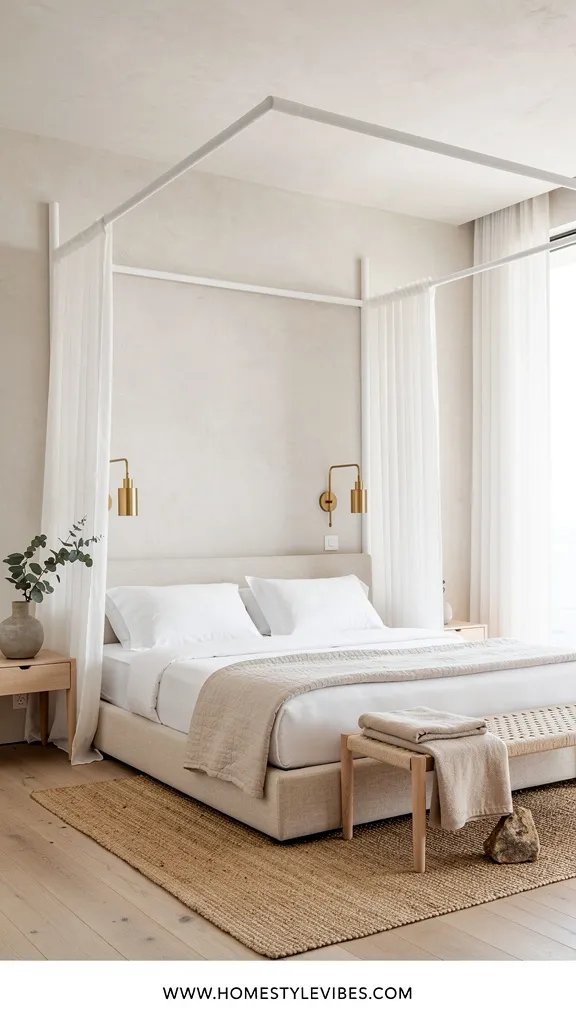
You want a room that whispers, nap now. You’ve swapped bedding before, but it still looks tired. This approach focuses on one architectural move: canopy-lite drapery. No canopy bed required—just mount slim rods on the ceiling around the headboard zone and hang gauzy panels. It frames the bed like a boutique cabana and instantly changes the vibe to hotel-spa. Pair with crisp percale sheets, a pale quilt, and a textured bench at the foot.
Why it works in real homes: it uses ceiling height, not floor space. Even in small rooms, vertical softness reduces visual clutter. Lighting becomes part of the architecture: a pair of petite shaded sconces or plug-in swing arms glow through the fabric at night, creating layered shadows that read expensive in photos. Materials stay breezy—cotton percale, seagrass or rope bench, bleached wood nightstands. Renter-friendly? Use command hooks with tension rods or corner ceiling brackets that leave minimal marks.
Not into white-on-white? Try a warm shell pink panel with ivory bedding, or reverse it: white panels with a pale blue quilt. For darker rooms, use off-white panels with warm bulbs to keep it from going grayscale. Small space version: one ceiling rod at the headboard with two panels that stop just past the bed width.
Budget Breakdown:
- Ceiling rods + gauzy panels: $90 – $260
- Percale sheet set + lightweight quilt: $120 – $320
- Seagrass/rope bench or ottoman: $80 – $240
- Plug-in sconces (pair): $100 – $280
- Nightstand styling (tray, book, ceramic cup): $30 – $90
Total Estimated Cost: $420 – $1,190
Best For: Any bedroom craving softness; works well in rentals and rooms with less-than-stellar headboards.
Key Design Elements:
- Main materials: cotton percale, gauzy voile, bleached wood, seagrass
- Color palette: white, ivory, pale blue or shell pink, honey wood
- Lighting strategy: warm sconces behind/near drapery for soft halos
- Furniture silhouettes: light, slim nightstands and a low bench
- Texture layers: crisp percale, airy drape, rope weave, matte ceramic
- Accent details: small carafe, woven catch-all, single framed print
Why This Looks Intentional: Framing the bed with fabric creates a clear focal point and adds verticality. Even if the rest is simple, the architecture of drape makes it feel designed, not accidental.
How To Recreate This Look:
- Start by measuring bed width and mount ceiling rods 2–4 inches from walls, forming a soft frame.
- Add two to four gauzy panels; allow a gentle puddle or barely graze the floor for a crisp line.
- Layer percale sheets and a light quilt; avoid heavy duvets in summer.
- Install plug-in sconces; hide cords with paintable cord covers.
- Style with a rope bench, one small framed print, and a carafe—keep surfaces spare.
Don’t Do This: Skimpy panels. If the fabric looks thin and stingy, the effect dies. Use enough width for soft pleats even when closed.
Pro Styling Tip: For photos, pull the duvet down a third of the bed and fold the top sheet over—crisp lines photograph like a hotel bed.
5. Sunlit Kitchen Coffee Bar With Stone Slab + Weekend Rituals
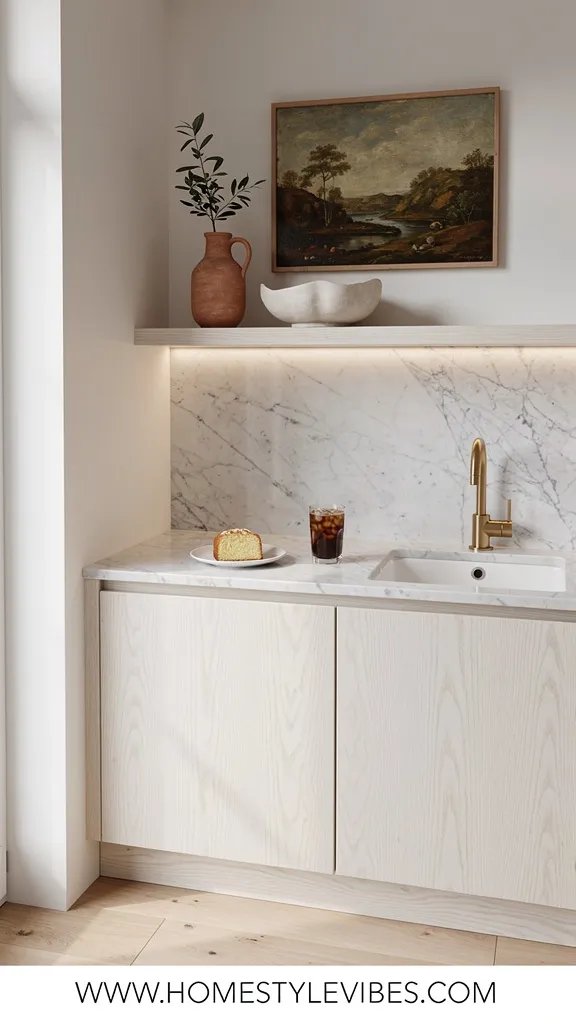
You crave a café moment at home—iced coffee clinking, lemon loaf on a plate. You hate that your counters scream multitask and clutter. This summer home decor idea carves out a dedicated coffee/tea bar using a small stone or stone-look slab, a narrow shelf, and a single artwork. The mood channels European sidewalk café—clean, unfussy, sensory. It works in real kitchens because it consolidates the mess into one beautiful station. Lighting? A small under-cab LED strip set to warm turns morning prep into a ritual and photographs like a magazine teaser.
Materials keep it practical: quartz remnant or faux-stone board, micro-shelf for cups, ribbed glass canisters, and a linen towel. The composition reads finished because of height variation—machine or kettle, stacked cups, framed print. For renters or tiny spaces, convert part of a bookcase or bar cart; put the machine on a tray to visually define the zone. Darker kitchen? Use white cups and a light tray to add contrast that pops on camera.
True story: a friend of mine spent weeks agonizing over the right greige paint for her kitchen. We created a coffee bar instead—tray, remnant stone, espresso cups—and instantly it felt curated. She forgot about the paint for months.
Key Design Elements:
- Main materials: stone or faux-stone slab, ribbed glass, brushed brass or black shelf brackets
- Color palette: creamy white, natural stone, hints of black, lemon yellow accent
- Lighting strategy: warm under-cab LED strip or tiny clip light
- Furniture silhouettes: if using a cart, slim and open with one closed basket
- Texture layers: ribbed glass, linen towel, matte ceramic mugs
- Accent details: framed café print, lemon bowl, small vase with mint
Budget Breakdown:
- Stone remnant or slab board: $40 – $160
- Narrow shelf + brackets: $35 – $120
- Ribbed glass canisters: $20 – $60
- Under-cab LED strip: $18 – $60
- Framed print: $30 – $110
- Tray + mugs: $25 – $80
Total Estimated Cost: $168 – $590
Best For: Tight kitchens, studio apartments, or anyone who wants a daily ritual that feels like vacation mornings.
Why This Feels Designer: A defined vignette beats a scattered counter. The stone surface sets a quiet, luxe foundation; repeated materials (glass, linen, ceramic) make it look pulled together.
How To Recreate This Look:
- Start by clearing a 24–30 inch counter section or top a bar cart with a stone or faux-stone board.
- Add a narrow shelf above for cups; align the shelf with a nearby cabinet bottom for clean lines.
- Layer a framed print off-center to keep it relaxed, not symmetrical and stiff.
- Install a warm LED strip and hide the cord; avoid cool blue light.
- Style with canisters, a lemon bowl, and one linen towel draped casually.
One Thing To Avoid: Over-accessorizing. Five mugs max on display. Stacks over rows look personal and chic; rows look like retail.
Pro Styling Tip: Set a glass with ice near the edge so it catches light; the condensation looks refreshingly real in photos.
Quick breather—at this point, you might be eyeing your guest room or patio. Good. Up next, we take the vacation vibe outdoors and then bring it back inside for movie nights that feel like a boutique stay.
6. Mediterranean Courtyard Balcony With Terracotta Rhythm
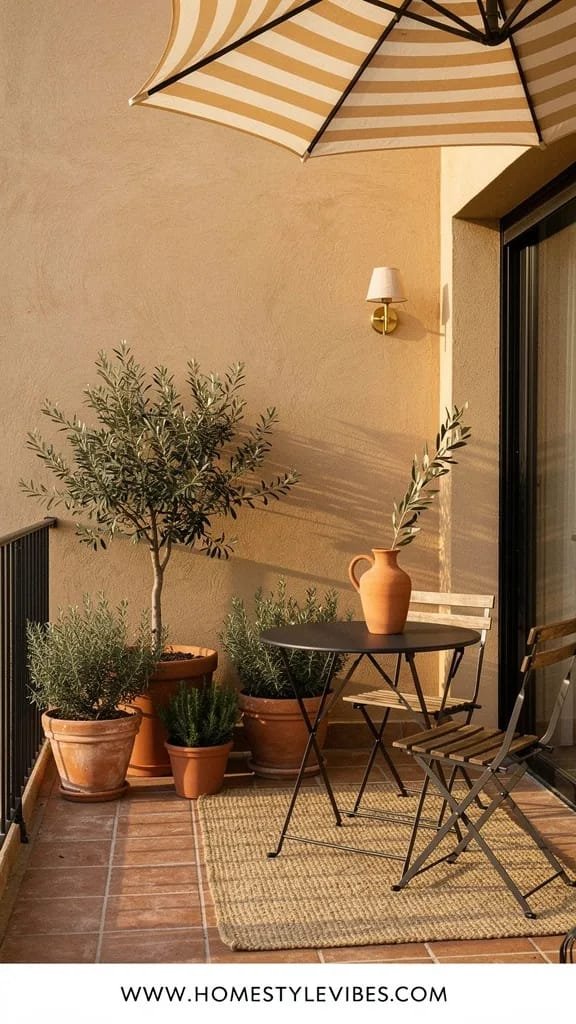
Small outdoor spaces can feel like an afterthought—two chairs, a sad plant, and a view of the parking lot. You’ve tried a string light or two, but it still feels like a temporary setup. This design borrows from Mediterranean courtyards: repetition of warm terracotta pots, olive or rosemary, a bistro table, and a striped umbrella or canopy. The mood: relaxed aperitivo hour. Why it works in real life: repetition creates cohesion. Instead of a jumble of planters, stick to terracotta in varying sizes and let the greenery be the “color.”
Lighting transforms balconies at dusk. Use two layers: low lanterns or solar candles on the floor and a single overhead strand tucked taut so it doesn’t sag weirdly. Materials are forgiving: weather-friendly rugs, metal bistro chairs with washable cushions, and sealed terracotta. Photographing this space is easy because terracotta reads rich on camera and the green-on-rust palette pops even on cloudy days. For renters, all elements are movable—no drilling needed if you use a freestanding umbrella base or clamp shade.
Variations: dark-and-moody version with black metal chairs and inky stripes on cushions; micro-balcony with one chair, a slim plant stand, and a petite round side table; budget hack with painted plastic pots in terracotta paint plus a single hero olive tree.
Budget Breakdown:
- Bistro set (table + 2 chairs): $120 – $420
- Terracotta pots (3–5 sizes): $45 – $160
- Plants (olive/rosemary/lavender): $30 – $120
- Outdoor rug: $60 – $220
- Lanterns/solar candles: $25 – $90
- Striped umbrella or clamp canopy: $70 – $260
Total Estimated Cost: $350 – $1,270
Best For: Balconies, small patios, or stoops that want vacation-at-dusk energy with minimal maintenance.
Key Design Elements:
- Main materials: terracotta, powder-coated metal, outdoor textiles
- Color palette: sun-warmed clay, olive green, black or navy stripe, cream
- Lighting strategy: floor-level lanterns + one tidy overhead strand
- Furniture silhouettes: compact round table, slim chairs with curved backs
- Texture layers: rough clay, woven rug, striped cushions
- Accent details: bowl of almonds, carafe of water, linen napkins
How To Recreate This Look:
- Start by choosing 3–5 terracotta pots—vary height and width; group in odd numbers.
- Add a compact bistro set; keep finishes cohesive (all black, all cream, etc.).
- Layer an outdoor rug sized to leave a 4–6 inch border from edges for a tailored look.
- Install a single strand of lights pulled taut, or use a clamp umbrella for midday shade.
- Style with lanterns on the floor near plant groupings and a striped cushion or throw.
Why This Looks Expensive: Repetition and restraint. Matching terracotta with disciplined plant choices feels curated. One strong stripe anchors the palette like a designer’s signature.
Watch Out: Random pot colors or too many plant species can turn visual soup. Pick 2–3 plant types and repeat for rhythm.
Pro Styling Tip: Water plants right before photos so leaves look glossy and the terracotta darkens at the base—a subtle, beautiful gradient.
Remember, tiny changes add up. Style is the sum of small, repeatable choices—repeat your materials, edit hard, and you’ll start seeing your home like a boutique stay.
7. Monochrome Media Lounge With Summer-Soft Layers
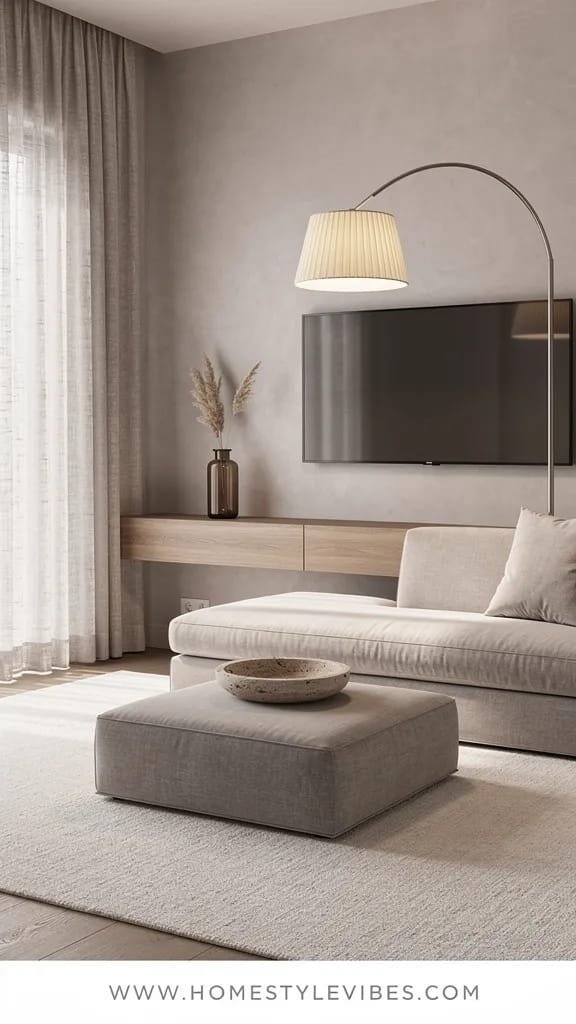
Movie nights belong on vacation too, but living rooms often turn into a tangle of remotes and cords. You’ve tried a new TV console, but the room still feels scattered. This concept strips the palette to a single tone—stone, mushroom, or pale taupe—and focuses on plush, breathable layers: cotton-linen sofa cover, gauzy curtains, a tall floor lamp with a scalloped or pleated shade, and a low ottoman instead of a heavy coffee table. The mood hints at Japandi-meets-hotel suite: calm, tactile, cinematic at night.
Why it works for real life: monochrome calms visual noise, which instantly reads “tidy” even when life happens. Use performance-washable covers and a low-pile rug that vacuums well. Lighting strategy matters: a dimmer on the floor lamp and a hidden LED strip behind the TV or media shelf to soften shadows and reduce eye strain. In photos, monochrome lets textures do all the talking—ribbed ceramics, boucle pillow, and a single dark wood tray for contrast. For renters, add a peel-and-stick ribbed panel behind the media zone to fake built-ins.
Confession: I tried this in my own living room last fall and honestly couldn’t believe the difference during summer. The neutral monochrome made the room feel lighter and cooler, even when the temperature wasn’t cooperating.
Budget Breakdown:
- Slipcover or throw-over for sofa: $90 – $280
- Low-pile rug (monochrome): $140 – $520
- Floor lamp with pleated shade: $80 – $260
- Ottoman or pouf: $70 – $280
- LED backlight strip + cord management: $25 – $60
- Decor set (ribbed vase, tray, boucle pillow): $60 – $180
Total Estimated Cost: $465 – $1,580
Best For: Open-plan living areas, renters, and families who want cozy nights without a visually heavy setup.
Key Design Elements:
- Main materials: cotton-linen, low-pile rug, ribbed ceramics, dark wood accent
- Color palette: stone, mushroom, pale taupe with one deep wood note
- Lighting strategy: dimmable floor lamp + hidden LED behind media
- Furniture silhouettes: rounded ottoman, slim-leg media unit, overstuffed-but-neat pillows
- Texture layers: boucle, linen slub, ribbed ceramic, matte metal
- Accent details: one dark tray, a stack of summer reads, subtle greenery
How To Recreate This Look:
- Start by unifying color—choose a single neutral and swap covers/pillows to match within two shades.
- Add a low-pile rug that nearly matches sofa color for seamless flow.
- Layer a pleated-shade floor lamp on a dimmer; position behind or beside the sofa for back-glow.
- Install an LED strip behind the TV or console; tuck cords with adhesive channels.
- Style the ottoman with a sturdy tray, ribbed vase, and one tactile pillow for depth.
Why This Feels Designer: Monochrome removes distractions so form and texture shine. The room looks edited, and edited always reads luxurious.
Don’t Do This: Mixing too many off-whites that clash (pink-beige with green-beige). Bring a pillow to the store and compare under bright light to keep undertones harmonious.
Pro Styling Tip: For photos, turn off overheads and use side lighting only—shadows on the linen read cinematic, not flat.
If you’re feeling overwhelmed, take a breath. Start with the one corner you use daily. Nail the light and texture there, and the rest of the room will ask to follow—promise.
Quick Checklist
- Switch to sheer curtains that graze the floor
- Choose one bold citrus accent against neutrals
- Add a low-pile, light-reflecting rug
- Cluster terracotta pots in varying sizes
- Create a defined coffee bar with a stone board
- Mount a simple ceiling rod for canopy-lite drapery
- Install warm LED strips for soft evening light
- Use limewash or textured paint for depth
- Repeat materials (cane, linen, stone) for cohesion
- Hide cords with paintable channels
- Opt for performance fabrics in high-touch zones
- Keep vignettes to 3–5 styled objects max
Frequently Asked Questions
How can I get a vacation vibe on a tight budget?
Focus on textiles and lighting first. Sheer curtains, a light rug, and warm bulbs in existing lamps make the biggest visual shift. Then add one statement accent—like a citrus pillow or terracotta pot cluster—to wake up the palette.
My place is small. Which idea should I start with?
Go for the coffee bar or the banquette dining nook. Both carve out function in tight spaces and deliver daily joy. In a studio, a monochrome lounge setup also calms visual clutter and makes the room feel larger.
I rent and can’t paint. What are my options for texture?
Use peel-and-stick textured wallpapers, command hooks for canopy-lite drapery, and removable ribbed panels behind media zones. Layering linen, cane, and stone accessories adds depth without touching walls.
How do I keep summer fabrics clean with kids and pets?
Choose performance linen or cotton blends with removable covers. Wash on cold and line dry for longevity. Use low-pile rugs you can hose off or machine-washable runners in busy areas.
What’s the most common mistake when trying summer decor ideas?
Too many mismatched accents. Pick a tight color palette and repeat materials. The moment you repeat textures—linen, stone, terracotta—your home looks finished instead of busy.
Vacation Starts at Home
Pick one corner today. Maybe it’s the living room that still feels like February or the balcony you never sit on. Choose the idea that sparked a yes in your chest and do just that one fully—curtains hung high, rug rolled out, lemon bowl centered. The shift you feel from a single well-finished vignette is the nudge to keep going.
The truth is, luxury at home is mostly texture, light, and restraint. Get those right and even simple pieces look considered. You don’t need a designer budget; you need a point of view and the willingness to edit.
Summer is short. Start small, stay consistent, and let your home meet you where you actually live—barefoot, relaxed, and ready for another slow morning. You’ve got this. Seriously.

About the Author

Krisztina P.Rendes, Founder of Home Style Vibes
Founder of Home Style Vibes
Krisztina Puskásné Rendes created Home Style Vibes as a cozy-modern lifestyle space where homemaking meets inspiration. Her goal is to help women create beautiful, organized, and peaceful homes they truly love — without overwhelm. You’ll find here heart-driven content on home decor, cleaning tips, easy family recipes, organization and decluttering, DIY home projects, plants, and seasonal ideas — all designed to bring more calm, comfort, and style into everyday life.