6 Summer Home Decor Ideas with a Coastal Beach Vibe You Will Want All Year
You want your home to feel like a breezy summer morning—salt air, sun-warmed linen, that flutter of calm when the light hits just right. But clutter, mismatched tones, and heavy winter textures keep getting in the way. This guide gives you six fully thought-out coastal decor ideas—each one a complete concept—so you can find your version of that beach vibe and make it last beyond August. Every idea solves a specific frustration, works within realistic budgets, photographs beautifully, and can be pulled together over a few weekends. Expect soft whites, sunbleached woods, watery blues, and the kind of detail that makes guests stop mid-sentence and ask, “Wait, what did you do in here?” If you’re craving rooms that feel casual, refined, and totally Pinterest-friendly, these are for you.
1. Salt-Bleached Living Room With Woven Shadows
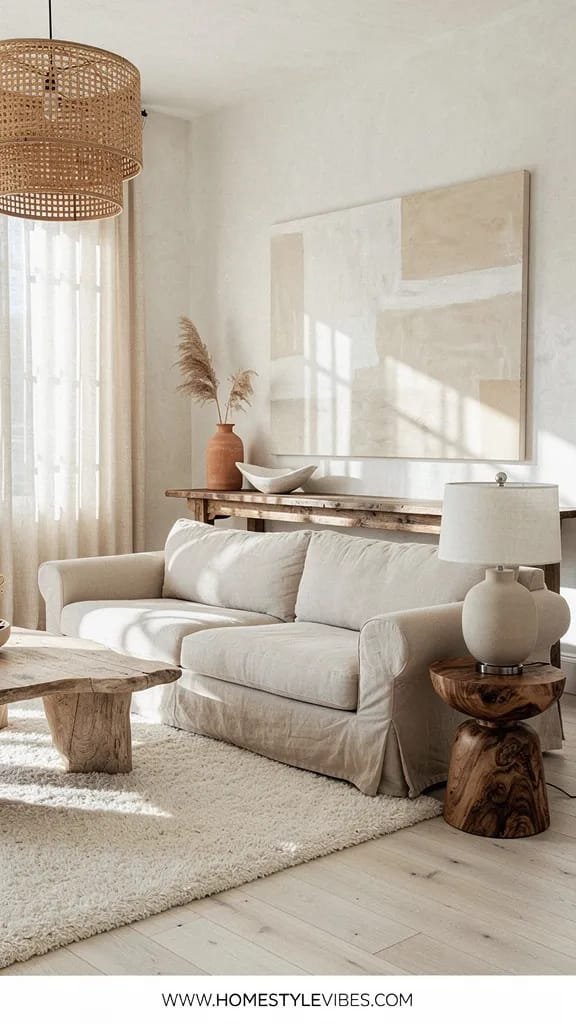
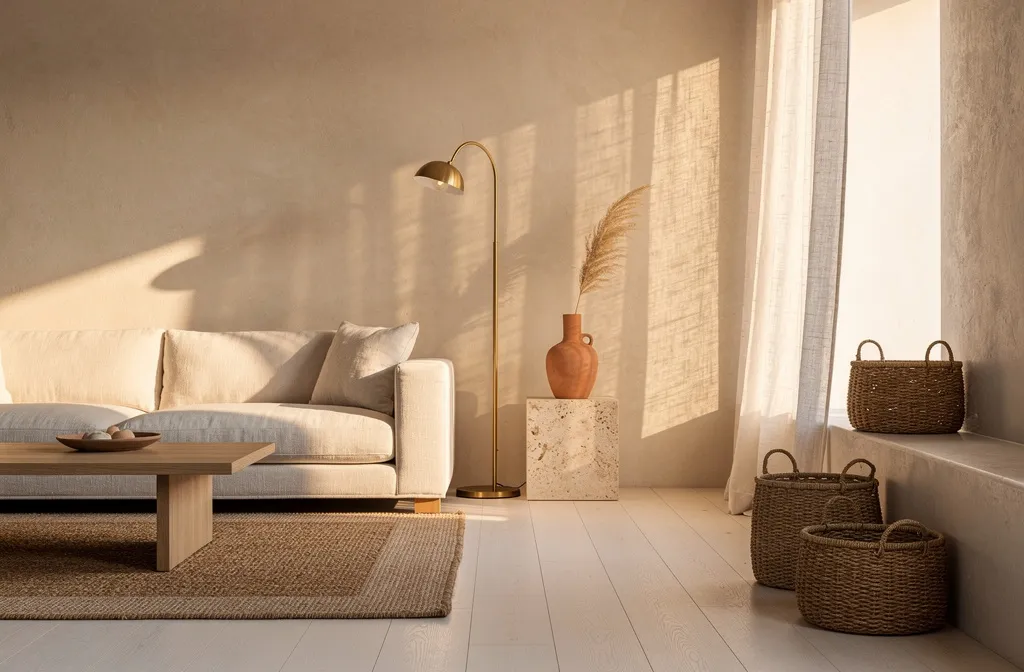
We’ve all been there: your living room is technically “fine,” but it never feels as light and airy as you want. You buy candleholders, toss pillows, and another scented thing you didn’t need, but it still looks flat and, worse, heavy. This approach fixes the big issue—overly dark finishes and chaotic textures—by editing down the palette and playing up woven elements that cast beautiful shadows. Think of it as a coastal reset: light floors or rugs, sunbleached wood, linen seating, and strategically placed basketry that creates those gorgeous crisscross shadows at golden hour.
What mood does this create? Relaxed and subtly luxe, like a boutique beach hotel that doesn’t try too hard. It works in real homes because it’s forgiving: sandy tones hide dust, slipcovers can be washed, and woven pieces are durable and family-friendly. Lighting does the heavy lifting here. A woven pendant softly filters daylight, and a floor lamp with a warm white bulb adds evening glow. The materials are simple: rattan, cane, oak, linen, and stone. Everything photographs beautifully because the palette is restrained and textures do the storytelling—think pale woods against crisp white walls with the contrast of a charcoal ceramic bowl.
Variations give you options. On a budget, swap a new sofa for a linen slipcover and refinish a dark coffee table to a lighter oak. For small spaces, choose a leggy sofa, a round coffee table, and one oversized art piece instead of a gallery wall. Renter-friendly upgrade? Peel-and-stick grasscloth on a single wall and a plug-in woven pendant hung high to draw the eye up.
Budget Breakdown:
- Linen slipcover or slipcovered sofa: $200–$1,600
- Woven pendant light (plug-in or hardwired): $70–$350
- Light-toned jute or sisal rug: $150–$800
- Oak coffee table or thrifted piece refinished: $80–$900
- Oversized neutral artwork or DIY canvas: $60–$450
- Cane or rattan accent chair: $160–$1,200
- Neutral throw pillows in linen/cotton: $20–$200
Total Estimated Cost: $740 – $5,500
Best For: Living rooms that feel heavy or cluttered; homes with decent natural light; families who want washable, low-maintenance finishes.
Key Design Elements:
- Main materials: linen, rattan, cane, pale oak, ceramic stoneware
- Color palette: warm whites, sandy beiges, driftwood gray, a single accent of charcoal
- Lighting strategy: one woven pendant for texture + a linen-shaded floor lamp for warmth
- Furniture silhouettes: low-profile sofa, rounded edges, visible legs
- Texture layers: jute rug, ribbed pottery, linen throws, a single chunky knit in winter
- Accent details: black metal curtain rods, eucalyptus stems, a big shell bowl (vintage if possible)
How To Recreate This Look:
- Start with a pared-back palette: paint walls warm white and remove overpowering colors.
- Add a light jute or sisal rug to ground the seating area and brighten the floor.
- Layer a linen slipcover on your existing sofa and introduce 2–3 textured pillows.
- Install a woven pendant (plug-in if renting) and replace cool bulbs with warm 2700K.
- Style with a pale wood coffee table, a charcoal ceramic bowl, and restrained plant life.
Why This Looks Expensive: Consistency. By limiting the palette and introducing airy negative space, the room reads edited and intentional. The woven shadows add visual sophistication you can’t fake with knick-knacks.
Watch Out: Don’t layer three different beiges that clash. Choose warm undertones across everything, and test your rug against the sofa fabric to avoid the dreaded “dirty yellow” effect.
Pro Styling Tip: Photograph mid-morning when light is soft; angle the woven pendant so its shadow grazes the wall for subtle depth.
2. Sea Glass Kitchen Nook With Limewash Calm
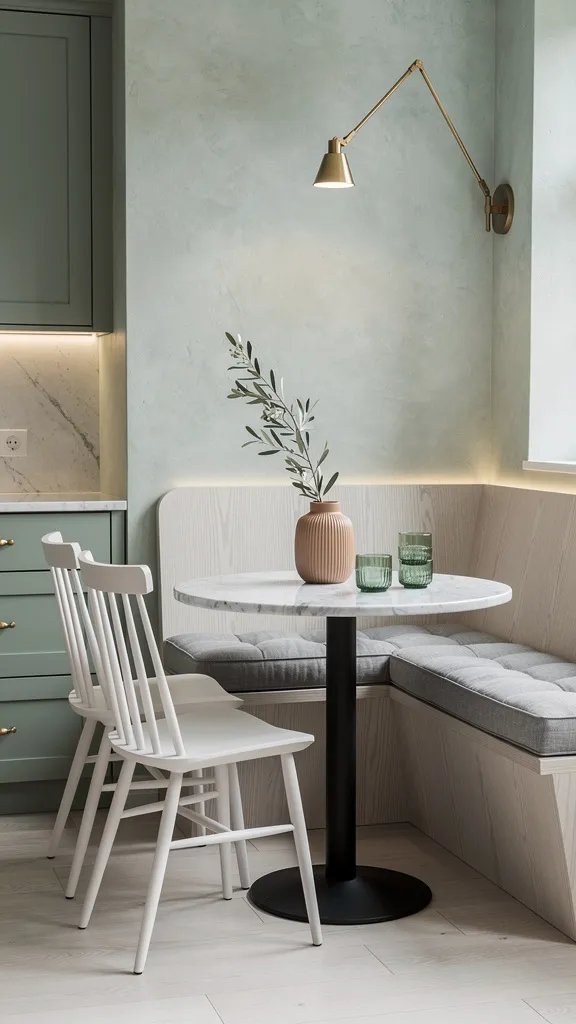
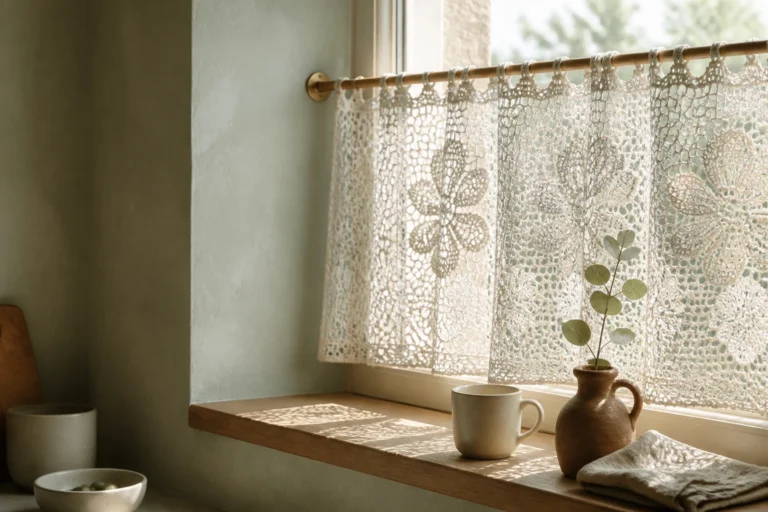
It’s that one corner you always ignore—the kitchen breakfast area that collects mail, keys, and regret. You’ve tried placemats and a new fruit bowl, but it still looks chaotic. This design gives you a calm pocket of coastal beach vibe within reach of your coffee mug. The secret? A limewash wall that diffuses light like sea spray, plus sea glass tones that feel cool even on the hottest day.
The mood is soft Mediterranean-meets-coast: romantic but approachable. Limewash makes small rooms look dimensional without busy patterns, and a scalloped or curved-edge bistro table adds softness to all the right angles. It works in real homes because it focuses on one zone: paint, a small table, compact cushions, and art. The light matters; limewash thrives with side light, creating a velvety glow that photographs beautifully. Materials? Limewash plaster, pale oak, linen, brushed nickel or unlacquered brass, and glass. Snap a photo and you’ll see gradations in the wall, glass reflections, and a tiny bit of sparkle from a small sconce.
Two quick variations: For renters, use removable limewash-look wallpaper and a plug-in picture light over art. For darker spaces, lean into it: use a deeper blue-green limewash with light linen cushions and a polished nickel sconce to bounce light.
Key Design Elements:
- Main materials: limewash, linen, glass, pale oak, brushed metals
- Color palette: sea glass green, misty blue, cloud white, warm sand
- Lighting strategy: side sconces or a small pendant with a matte opal shade
- Furniture silhouettes: rounded bistro table, spindle or wishbone chairs
- Texture layers: limewash wall movement, linen seat pads, sheer cafe curtain
- Accent details: simple framed coastal photograph, a glass carafe, a ceramic berry bowl
Budget Breakdown:
- Limewash paint + tools or removable wallpaper: $80–$300
- Small bistro table (30–36 inches): $120–$700
- Chairs (2): $120–$800
- Plug-in sconce or picture light: $60–$300
- Linen seat cushions: $30–$120
- Sheer cafe curtain + rod: $35–$150
- Framed art print: $40–$250
Total Estimated Cost: $485 – $2,620
Best For: Small dining corners, apartment kitchen nooks, anyone who wants a serene breakfast spot that still handles spills.
How To Recreate This Look:
- Start by prepping the wall and applying limewash in soft, irregular strokes for movement.
- Add a round bistro table to soften corners and boost circulation.
- Layer in linen seat pads and a sheer cafe curtain for diffused morning light.
- Install a plug-in sconce or picture light above a single framed coastal print.
- Style with a glass carafe, one potted herb, and a tidy tray for daily clutter.
Why This Feels Designer: The textured wall turns a throwaway corner into a moment. Rounded furniture and soft fabrics balance the kitchen’s hard finishes, so the nook reads curated instead of leftover.
One Thing To Avoid: Don’t mix three different metal finishes in a tiny nook. Choose one warm and one cool at most—like brushed nickel with natural brass accents.
Pro Styling Tip: Place the glass carafe where it can catch side light; that tiny glint brings life to photos.
Curious how this would look in a darker home? Keep scrolling—there’s a moody coastal dining idea up ahead that still feels fresh in winter.
3. Driftwood Bedroom Retreat With Layered Linen Calm
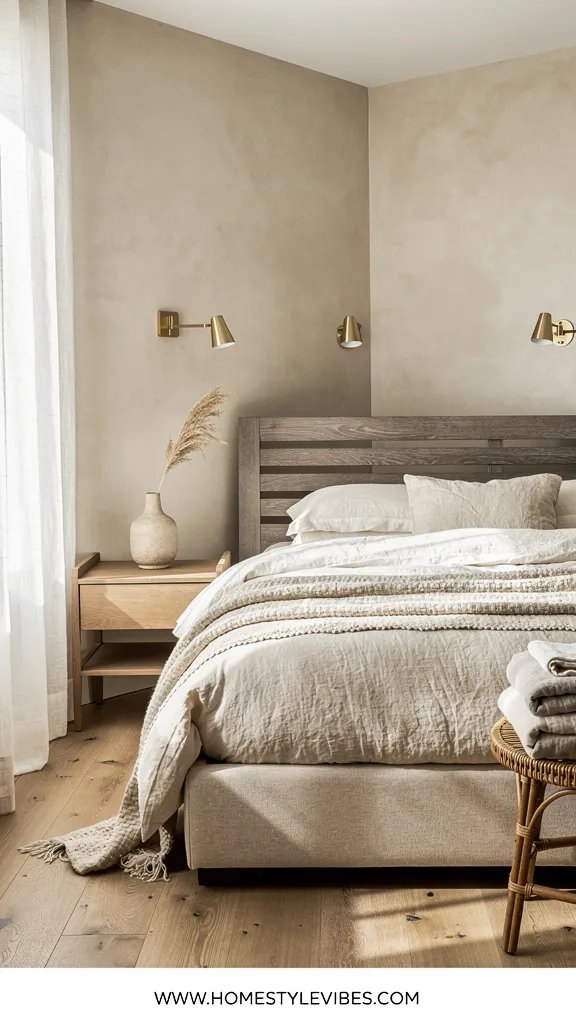
You want your bedroom to feel like a nap was always meant to happen there. But tangled bedding, clashing tones, and too many little decorative things keep your space from exhaling. This bedroom design pares it back to texture: layered linen, low profile bedside lighting, and driftwood-inspired wood tones for a coastal beach vibe that lasts all year.
The mood is hotel-spa meets rustic tidepool. It works in real homes because linen wrinkles beautifully—seriously, embrace it—and a limited palette streamlines busy minds. Lighting makes the room; choose dimmable bedside sconces so you can free up nightstands. Materials dominate the space: washed oak, sand-toned linen, a stone or travertine accent, and matte pottery. Photography loves this look thanks to tone-on-tone layers, soft shadows on linen folds, and a contrast pop from a single dark framed print.
Variations to suit your life: On a budget, keep your bed frame and invest in one linen duvet set plus a large lumbar pillow in a contrasting stripe. Small room? Use floating nightstands and plug-in swing-arm sconces to save floor space. Renter-friendly rug pad and runner at the foot of the bed? Yes. For colder climates, swap light linen curtains for wool blend in winter while keeping the sandy color story.
Budget Breakdown:
- Linen duvet cover + shams: $150–$450
- Large lumbar pillow (36–48 inches): $40–$180
- Neutral area rug or runner: $120–$900
- Bedside sconces (plug-in or hardwired): $80–$500 per pair
- Nightstands (floating or slim): $120–$800 per pair
- Framed art (coastal black-and-white): $60–$300
- Stone catchall or tray: $25–$120
Total Estimated Cost: $595 – $3,470
Best For: Primary bedrooms and guest rooms that feel chaotic; light sleepers who need a calming palette and soft textures.
Key Design Elements:
- Main materials: linen, washed oak, travertine, matte ceramic
- Color palette: ivory, sand, driftwood taupe, a single slate accent
- Lighting strategy: dimmable swing-arm sconces; warm 2700K bulbs
- Furniture silhouettes: low bed, slim nightstands, rounded lamp shades
- Texture layers: linen bedding, nubby rug, gauzy curtains
- Accent details: thin black frames, stone bowl, minimal florals
Why This Reads High-End: Big, simplified moves replace micro-decor: one oversized lumbar, clean-lined sconces, and limited color. Restraint looks expensive because it signals intention.
How To Recreate This Look:
- Start with crisp neutral walls and clear your nightstands completely.
- Add linen bedding in two tones (e.g., ivory duvet, sand sheets) for layered depth.
- Layer a nubby rug underfoot, and hang gauzy curtains just skimming the floor.
- Install plug-in sconces and center them slightly above your shoulder height when seated.
- Style with a single framed print and one stone catchall; skip the clutter.
The Most Common Mistake: Too many throw pillows. Use one large lumbar and call it a day. Your mornings will be calmer—trust me.
Pro Styling Tip: Gently “crumple” your linen duvet by hand before snapping photos; natural creases create shadow play that feels editorial.
Quick breather. If something here sparks joy, screenshot it. You don’t have to commit today—just decide which corner you’re excited to fix first. Your home should earn your affection one small win at a time.
4. Moody Coastal Dining With Charcoal Shiplap and Brass Glow
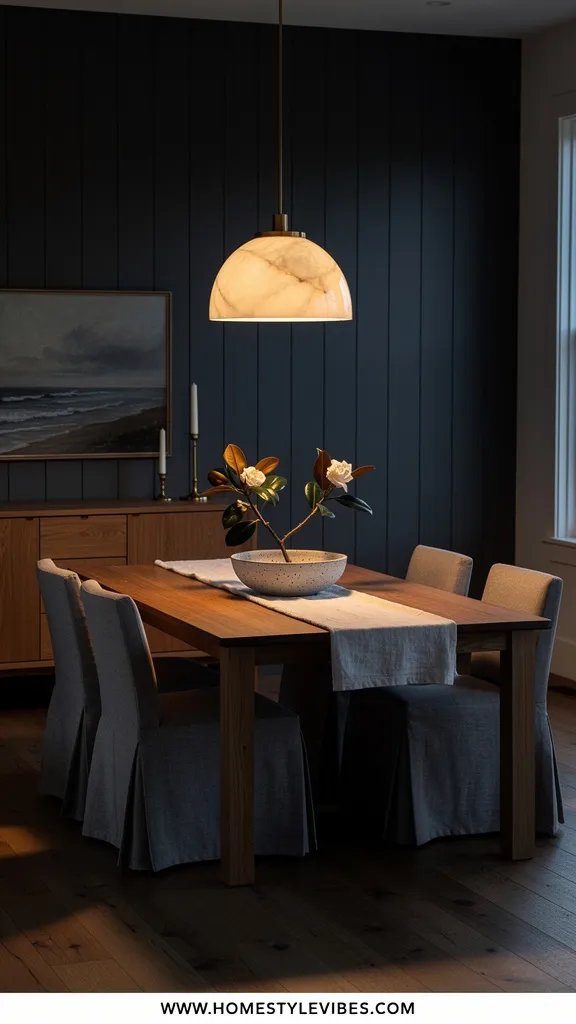
You love the coastal look, but pure white everything feels a little too “beach rental.” You’ve tried adding navy napkins and a rope lantern, yet the room still lands flat. This dining concept embraces a darker, moodier palette that still reads coastal—like foggy coastline evenings—with charcoal shiplap, brass touches, and linen textures that keep it from feeling heavy.
The mood is modern nautical without kitsch: think oyster bar meets artist’s loft. It works because deeper tones can make small spaces feel intimate and purposeful. And if your room lacks sunshine, lean into it instead of fighting it. Lighting matters big time; a warm brass chandelier with opal shades spreads a flattering glow, while candles reflect off muted charcoal walls. Materials center on painted wood, antique brass, linen, and honed stone. It photographs like a dream because rich contrast emphasizes silhouettes—the curve of a chair back, the matte gleam of brass—so details pop.
Variations let you tailor. Budget-friendly? Paint just the lower half of the wall in charcoal with a simple rail, keep white above, and add brass candlesticks. Renter-friendly? Use removable beadboard wallpaper below and deep gray curtains to frame the scene. For tiny dining areas, pick a round pedestal table and two sculptural chairs to maintain flow.
Budget Breakdown:
- Charcoal paint or peel-and-stick beadboard: $50–$300
- Brass chandelier or semi-flush: $120–$1,200
- Linen table runner and napkins: $40–$160
- Dining table (pedestal or trestle): $250–$2,000
- Chairs (set of 4): $200–$1,600
- Honed stone or travertine bowl: $60–$350
- Brass candlesticks: $25–$180
Total Estimated Cost: $745 – $5,790
Best For: Homes with limited natural light; dinner party lovers; open-plan spaces that need a dramatic focal point.
How To Recreate This Look:
- Start by painting one accent wall or lower paneling in charcoal (satin or matte finish).
- Add a warm brass chandelier with opal or linen shades for diffuse light.
- Layer a linen runner and keep the table styling minimal—one stone bowl or a low floral.
- Install simple black curtain rods high and wide; hang deep gray curtains to frame light.
- Style with brass candlesticks, and keep other metals consistent for cohesion.
Why This Looks Intentional: The contrast ratio is dialed in—deep walls, light linens, warm brass. Your eye knows exactly where to land, which makes the room feel composed, not busy.
Don’t Do This: Avoid glossy charcoal. Shiny paint reflects light awkwardly and shows wall flaws. Choose matte for 10/10 cozy.
Pro Styling Tip: Light two candles and dim overheads to 30% before taking photos; specular highlights on brass add cinematic drama.
Between us? I once fought a dining room that I painted three times before realizing the real problem was the light fixture casting a weird scalloped shadow on the ceiling. Swapped it for a linen drum shade and everything snapped into place. Lighting isn’t an accessory—it’s architecture.
5. Sandbar-Inspired Entry With Slatted Bench and Shell White Walls
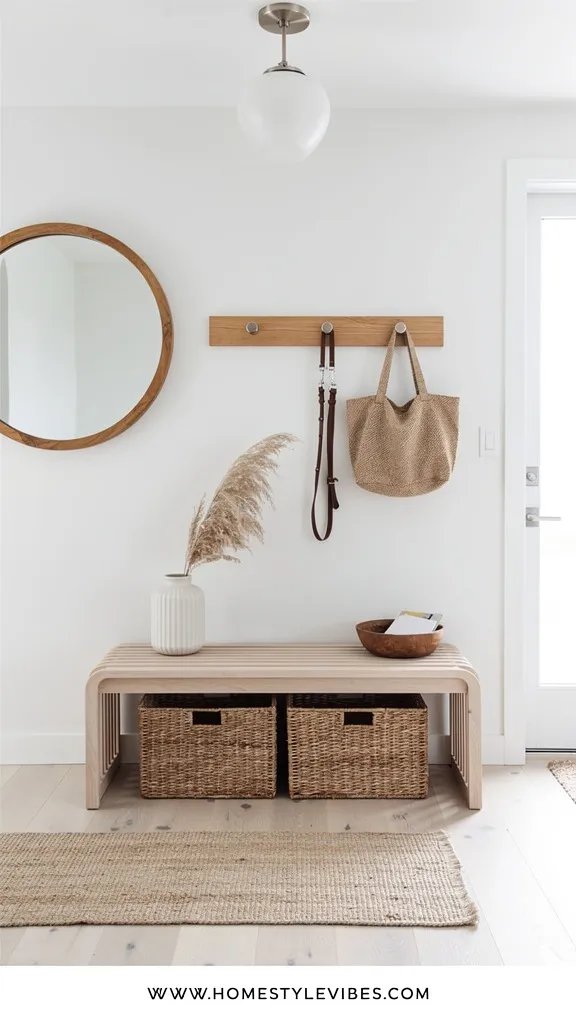
The entry is where chaos gathers: shoes, mail, dog leashes, and that package you meant to return last month. You’ve tried a console table, but it still looks like a drop zone. This design turns your entry into a sandbar moment—calm, streamlined, and ready for real life—with a slatted bench, hidden storage, and shell-white walls that bounce light.
The vibe is Japandi-coastal: clean lines, blonde wood, and tactile baskets. It works in real homes because it’s brutally practical. A bench invites “sit and take off shoes,” large baskets capture the mess, and a single oversized mirror floods the zone with light. Materials keep it honest: birch or oak slats, sturdy baskets, forged hooks, and a small stone tray for keys. The space photographs beautifully due to repetition—matching baskets, a rhythmic bench slat pattern, and airy negative space overhead.
Options for different needs: Budget route? IKEA slatted bench + thrifted mirror repainted in off-white. Small entry? Choose a wall-mounted floating bench and one slim basket. Renter-friendly? Use removable hooks and a stick-on ledge shelf for mail. Cold climate? Add a ribbed doormat outside and a low-profile washable runner inside for grit control.
Key Design Elements:
- Main materials: blonde wood, woven seagrass, matte black metal, natural stone
- Color palette: shell white, oat, warm wood, matte black
- Lighting strategy: a small frosted globe flush mount; no harsh downlight
- Furniture silhouettes: slatted or floating bench; oversized round mirror
- Texture layers: woven baskets, ribbed doormat, linen-cotton runner
- Accent details: forged hooks, a small ceramic vase, a brass bell for the front door
Budget Breakdown:
- Slatted bench or floating bench: $120–$850
- Oversized round mirror (30–36 inches): $100–$600
- Woven baskets (2–3): $40–$180
- Hook rail or individual hooks: $25–$180
- Small stone or travertine tray: $25–$120
- Washable runner: $80–$300
- Frosted globe flush mount: $60–$280
Total Estimated Cost: $450 – $2,510
Best For: Busy households that need storage at the door; apartments with narrow entries; anyone who wants first-impression calm.
How To Recreate This Look:
- Start by painting your entry shell white—choose a satin finish for wipeability.
- Add a slatted or floating bench; center it under a round mirror hung at eye level.
- Layer 2–3 large woven baskets under or beside the bench for shoes and tote bags.
- Install a hook rail at shoulder height for jackets and dog leashes.
- Style with a stone tray for keys, a tiny vase, and a runner that hits just shy of the door swing.
Why This Feels Designer: Repetition and rhythm. Matching baskets, a single large mirror, and consistent wood tones read polished. Plus, the floating negative space above the bench makes it feel airy.
The Most Common Mistake: Hanging the mirror too high. Keep the center 57–60 inches from the floor so it feels connected to the bench, not divorced from it.
Pro Styling Tip: For photos, tuck shoes neatly with toes aligned and tilt the mirror slightly to avoid ceiling light reflections.
Perspective check: You don’t have to warm up your whole house at once. If all you do this month is make your entry calm and useful, you’ll feel the win every time you walk through the door.
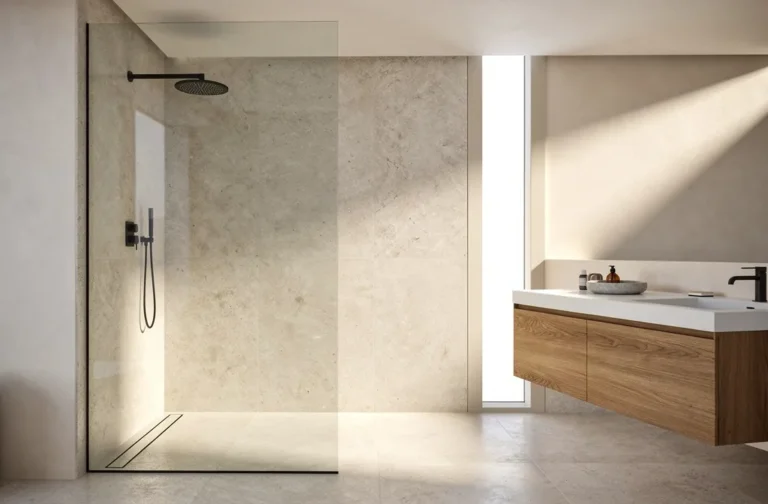
6. Coastal Bath Refresh With Zellige Glow and Stone Quiet
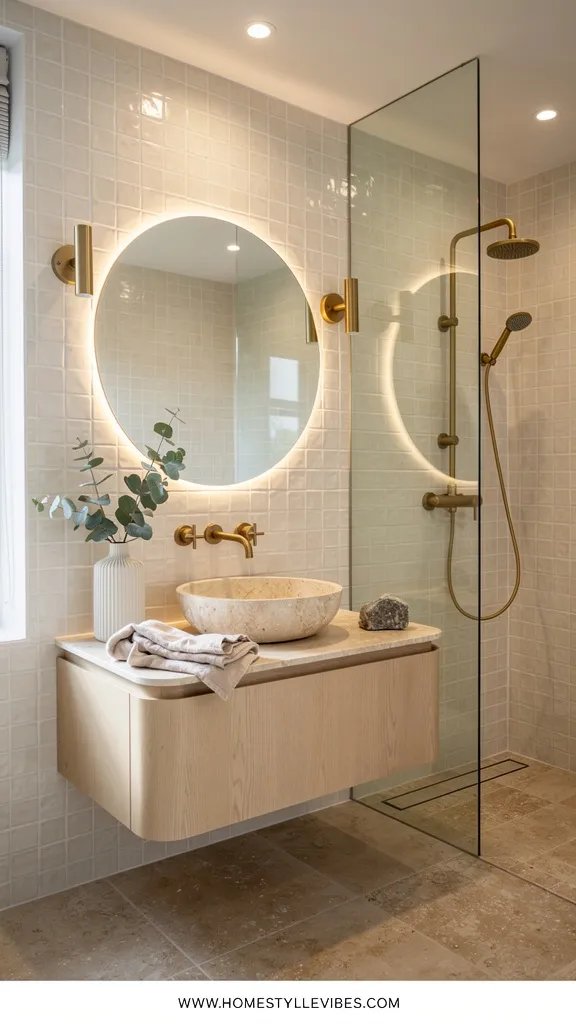
You want spa energy in the bathroom, but changing tile feels out of reach. You’ve tried new towels and a soap pump, yet it still screams “builder-basic.” This refresh captures a coastal beach vibe with minimal demo by focusing on light play: zellige-inspired textures, soft stone accents, and thoughtful fixtures that make mornings feel calmer.
The mood? Boutique seaside hotel with sunlight bouncing off irregular tile. It works because you can do it in layers: start with a new vanity light and mirror, then update hardware and textiles. Lighting is crucial; front-lit mirrors or double sconces prevent awkward shadows, and a dimmer helps early mornings feel kinder. Materials: gloss zellige or zellige-look tile for the splash, honed travertine stool or shelf, woven hamper, and linen shower curtain. The camera loves how zellige throws soft highlights across the wall, while honed stone grounds the sheen.
Variations: For renters, use peel-and-stick zellige-look tiles in a niche or behind the vanity and upgrade to a linen-blend shower curtain with a weighted hem. Darker version? Choose deep sea-glass green tile with matte black hardware and warm white towels for contrast. Small-space tweak: a floating vanity to reveal more floor, making the room feel bigger.
Budget Breakdown:
- Vanity light or pair of sconces: $90–$600
- Framed mirror (rounded corners): $80–$450
- Zellige or zellige-look tile for vanity wall: $150–$1,200
- Honed stone stool or ledge: $120–$700
- Hardware set (faucet, towel bar, hooks): $120–$600
- Linen-blend shower curtain + weighted liner: $40–$160
- Woven hamper and bath mat: $40–$180
Total Estimated Cost: $640 – $3,890
Best For: Bathrooms that feel sterile; renters who want visual interest; morning people who care about flattering light.
Key Design Elements:
- Main materials: zellige ceramic, honed travertine, brushed brass or matte black
- Color palette: sea-glass green, cloud white, warm sand, soft gray
- Lighting strategy: face-level sconces or front-lit mirror; dimmer is non-negotiable
- Furniture silhouettes: rounded-corner mirror, slim vanity with visible toe-kick
- Texture layers: glossy tile, nubby towels, linen curtain, woven hamper
- Accent details: shell-shaped soap dish, eucalyptus bundle, subtle striped towel
How To Recreate This Look:
- Start by swapping your vanity light for face-level sconces or a soft front-lit mirror.
- Add zellige or peel-and-stick tile behind the vanity to create soft highlights.
- Layer in a linen-blend shower curtain with a weighted liner for a crisp vertical fall.
- Install cohesive hardware in a single finish; keep lines clean and modern.
- Style with a honed stone stool, woven hamper, and two high-quality bath towels.
Why This Reads High-End: Where matte meets gloss. The interplay between honed stone and glossy tile mimics real spa materiality—quiet, tactile, and sophisticated.
Watch Out: Don’t pick high-gloss tile with harsh cool lighting. You’ll get clinical glare and weird shadows under eyes. Warm bulbs or a diffused fixture keep it soft.
Pro Styling Tip: Before photos, run a hot shower for two minutes to add a whisper of steam; it softens reflections and makes towels look plush.
Little confession: I once spent weeks hunting the “perfect” bath rug when the real fix was upgrading to a weighted shower liner so the curtain hung clean and didn’t puddle. Sometimes the magic is the unsexy thing.
Mindset Reset: Your Coastal Vibe, Your Rules
Remember, this isn’t about recreating a showroom. It’s about building a home that supports your mornings and unwinds your nights. If one idea pulls at you more than the others, start there. You’re allowed to change your mind mid-project. You’re also allowed to keep the seashell your kid found because it makes you smile. That’s design too.
Quick Checklist
- Warm white bulbs at 2700K for inviting light
- Linen or linen-blend textiles for breathable texture
- Woven pendant or shade for shadow play
- Jute or sisal rug to brighten floors
- Driftwood or pale oak finishes for warmth
- Limewash or limewash-look texture on a feature wall
- Single oversized art piece for clean focus
- Round table or curved edges to soften angles
- Brass or matte black hardware—don’t mix too many
- Weighted shower curtain liner for crisp lines
- Oversized round mirror in the entry for bounce light
- Matching baskets for tidy storage rhythm
- Dimmer switches to control mood shifts
- One dark accent (charcoal, slate) for contrast
- Greenery: eucalyptus, olive, or a single large leaf
Frequently Asked Questions
How do I get a coastal beach vibe on a tight budget?
Start with the biggest visual swings: paint, lighting, and textiles. Warm white walls, a jute rug, and a linen slipcover can change the whole mood under $500. Add a woven pendant and one oversized art piece when funds allow.
My space is small and dark—won’t coastal style look washed out?
Not if you add contrast. Use deeper tones like charcoal or sea-glass green with warm brass lighting. Choose matte finishes and dimmers to control the glow. Small rooms love moody coastal—it feels intentional and cozy.
I rent—how much can I actually do without losing my deposit?
Plenty. Use peel-and-stick textures, plug-in sconces, tension rods for cafe curtains, and slipcovers. Lean art instead of drilling. Replace bulbs and switch plates, then store the originals to swap back when you move.
What’s the most common mistake with coastal decor?
Too much themed decor and not enough texture. Skip the anchor motifs and layer materials—linen, wood, ceramic, woven fibers—with one or two natural shells or coral pieces max.
How do I keep light fabrics clean with kids or pets?
Choose performance linen or cotton blends, washable slipcovers, and removable cushion covers. Keep a small fabric shaver handy and spot-clean with a gentle solution. Jute rugs also hide a surprising amount of daily life.
The Wrap-Up: Your Year-Round Coastal Calm
Pick one idea and claim a corner. Maybe it’s the salt-bleached living room with woven shadows or the sea glass nook that makes your coffee taste better. Big feelings come from simple moves: texture that invites touch, lighting that edits reality just a little, and restraint that lets your eye rest.
The truth is, luxury isn’t a brand name; it’s the right materials in the right light with nothing extra. When you commit to a tight palette and one or two hero textures, rooms feel finished. That’s the secret to a coastal beach vibe that lasts through holidays, snow days, and muddy spring afternoons.
You’ve got this. Start with a rug or a light, then keep going until your home exhales. And when the sun hits that woven pendant just so? Enjoy the moment. You made it happen.

About the Author

Krisztina P.Rendes, Founder of Home Style Vibes
Founder of Home Style Vibes
Krisztina Puskásné Rendes created Home Style Vibes as a cozy-modern lifestyle space where homemaking meets inspiration. Her goal is to help women create beautiful, organized, and peaceful homes they truly love — without overwhelm. You’ll find here heart-driven content on home decor, cleaning tips, easy family recipes, organization and decluttering, DIY home projects, plants, and seasonal ideas — all designed to bring more calm, comfort, and style into everyday life.