6 DIY Fall Wall Decor And Hanging Ideas For Blank Wall Syndrome
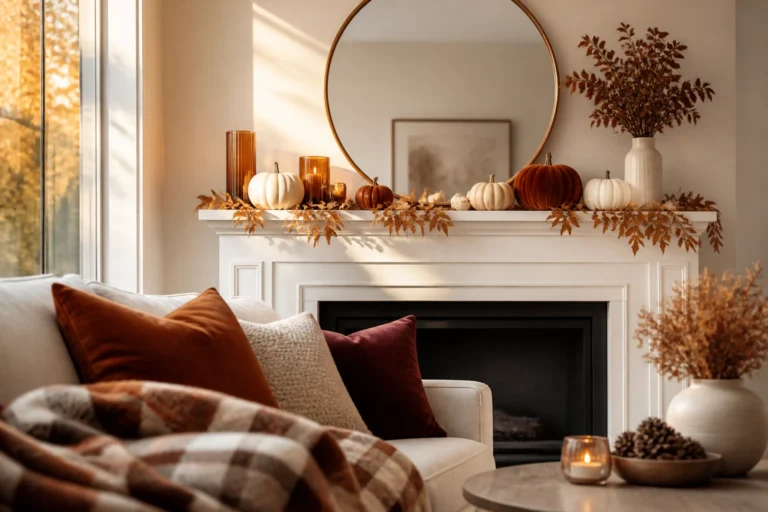
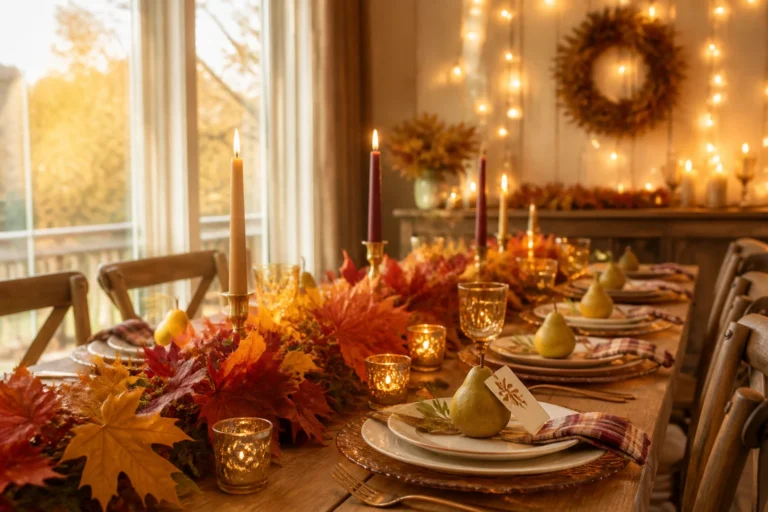
You want those cozy bright autumn feels—saturated rust, a flicker of candlelight, pumpkins tucked into every corner—and you want it to look magazine-worthy every time you glance up from your mug. But that one blank wall keeps mocking you. It’s big. It’s empty. And everything you’ve tried looks either too sparse or too cluttered. This guide to 6 DIY fall wall decor and hanging ideas for blank wall syndrome solves that. Think layered plaid, harvest textures, warm amber glow, and simple builds you can finish in a weekend for less than $120 per idea.
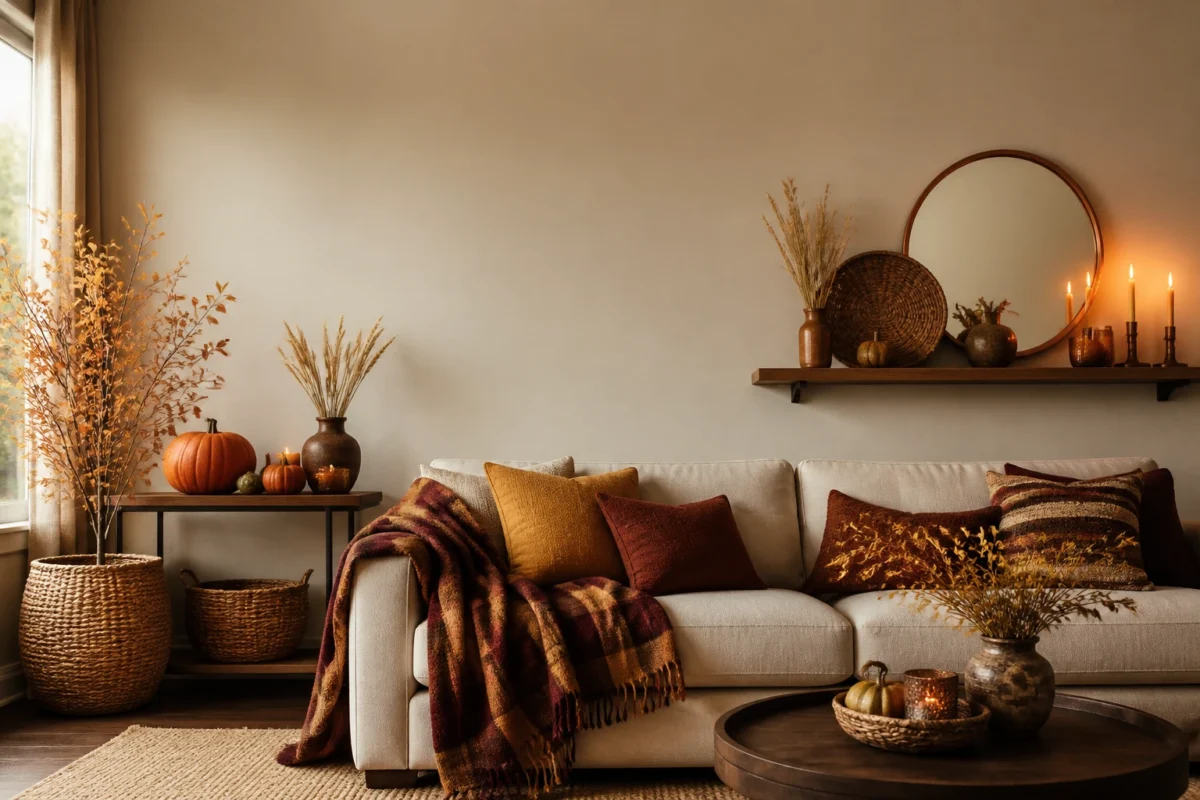
Expect color, texture, and easy-to-style props: garlands, baskets, wheat, tiny gourds, copper, and candlelight. We’ll fix the scale problem, give you depth, and show you how to make your fall walls incredibly photogenic without custom millwork or a decorator’s budget. These ideas deliver instant cozy—perfect for early September through Thanksgiving—and they’ll make your phone come out every time the sun hits at golden hour. If you love rich, cheerful fall energy and you’re ready to stop apologizing for that blank expanse, you’re in the right place.
1) Plaid Blanket Banner With Amber Candle Glow Over the Sofa
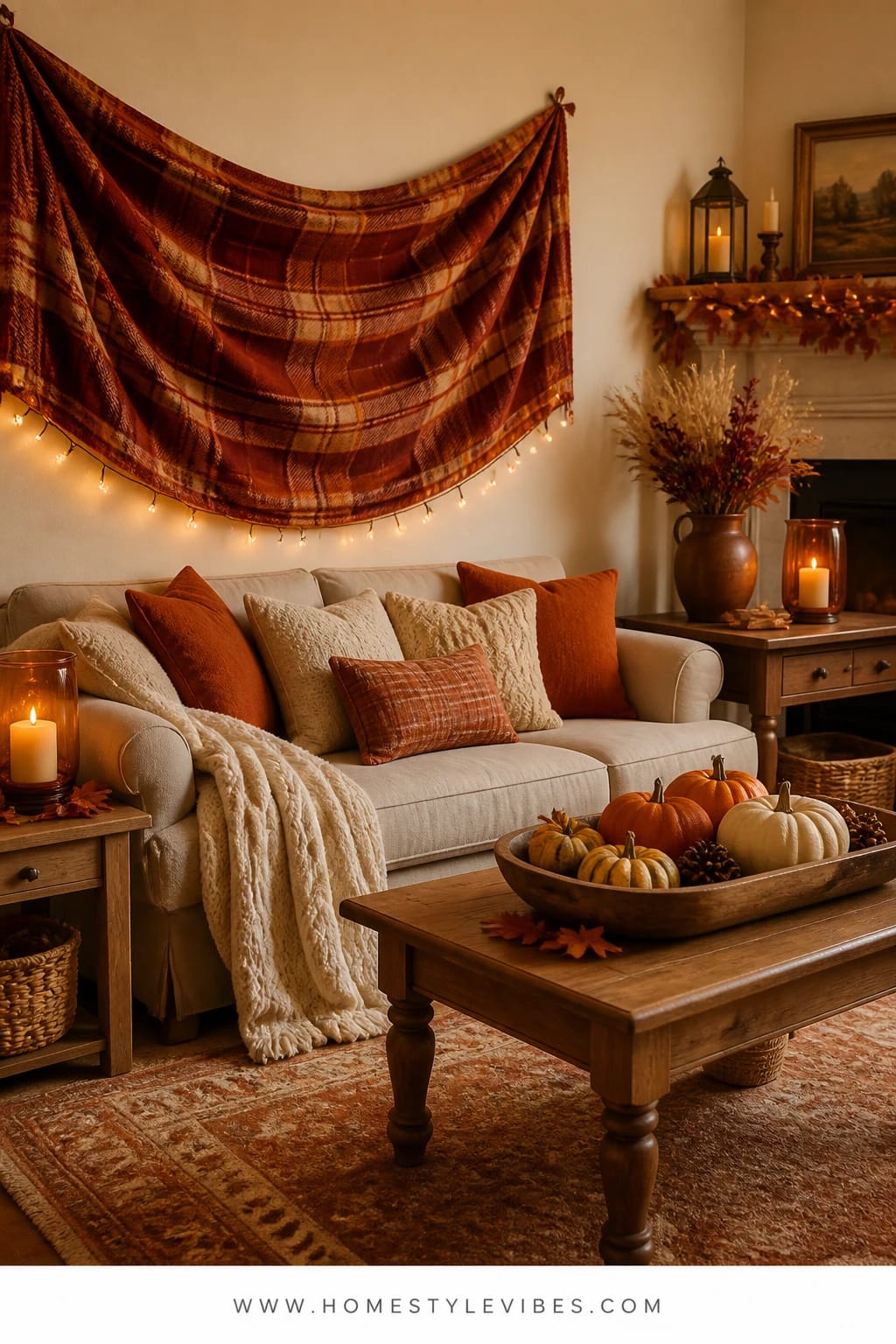
We’ve all been there: a long wall above the sofa that feels like a runway of nothing. You try one small frame and it looks lonely. You try a gallery wall and it somehow turns chaotic. This plaid blanket banner brings cozy bright autumn right where you sit—rich rusts and burgundy in easy layers, plus a scatter of amber candle glow on your side tables so the whole scene hums at night.
The mood you’ll get is cozy, friendly, and full—like the room finally exhaled. It works in real homes because blankets read as art when hung right, but you can still use them on chilly nights. No fragile pieces to dust, just soft texture that makes a giant wall behave. Lighting here does the heavy lifting: two or three amber-glass votives or a small lantern cluster on your side tables that bounce warmth up toward the plaid. The banner photographs beautifully because of the saturated blocks of color, the visible weave, and the soft sheen of candlelight that rakes across the fabric.
Try variations: go budget with a thrifted throw and simple twine loops. Keep it neutral with oatmeal and wheat-toned plaid if your living room already has loud color. For small spaces, do a “mini-banner” over a loveseat with one big blanket centered and two skinny scarves acting like side tails. This setup also transitions effortlessly from early September to Thanksgiving—swap in a wheat garland or add a few mini pumpkins on the side table in November.
Budget Breakdown:
- 2–3 plaid blankets or throws: $15–$40 each
- 1 wooden dowel or copper pipe: $8–$20
- Leather cord or jute twine for hanging: $5–$12
- Amber votives/lanterns (set of 4–6): $12–$30
- Small hooks or wall anchors: $6–$10
Total Estimated Cost: $56 – $152
Best For: Long living room walls above a sofa or sectional; families who want soft, kid-friendly decor; early September through Thanksgiving with easy tweaks.
Key Design Elements:
- Main seasonal props: plaid blankets in rust, burgundy, golden mustard
- Color palette: saturated rusts, deep cranberry, warm amber, a touch of cream
- Lighting strategy: amber votives at side table height; optional warm LED strip hidden behind sofa for a soft halo
- Textile layers: wool or wool-blend throws, plus a flannel scarf
- Natural elements: mini gourds or dried leaves in a small bowl on the side table
- Accent details: copper pipe for the banner rod; leather cord loops
How To Recreate This Look:
- Start with a dowel or copper pipe cut 6–10 inches wider than your sofa.
- Add hanging loops: tie leather cords or jute at each end, measured to center above the sofa height.
- Layer blankets over the dowel: fold each lengthwise, stagger the hemlines by 2–4 inches to show pattern variety.
- Place amber votives or small lanterns on both side tables to bring up the glow.
- Style with a shallow bowl of mini pumpkins or a wheat bundle to echo the plaid palette.
Why This Looks Expensive: Repeating a plaid motif in large, confident swaths reads intentional and custom. The copper or wood rod gives visual structure, while the amber glass adds a designer-like warmth that feels curated rather than thrown together.
Watch Out: Don’t hang the banner too high. Aim for 6–8 inches above the sofa back so the textile connects visually with the seating. Too high and it floats awkwardly.
Pro Styling Tip: Angle one candle slightly behind a plant leaf or a book stack so the flame glow has a soft, diffused halo in photos.
2) Wheat Bundle Grid in Soft Rust Over the Dining Nook
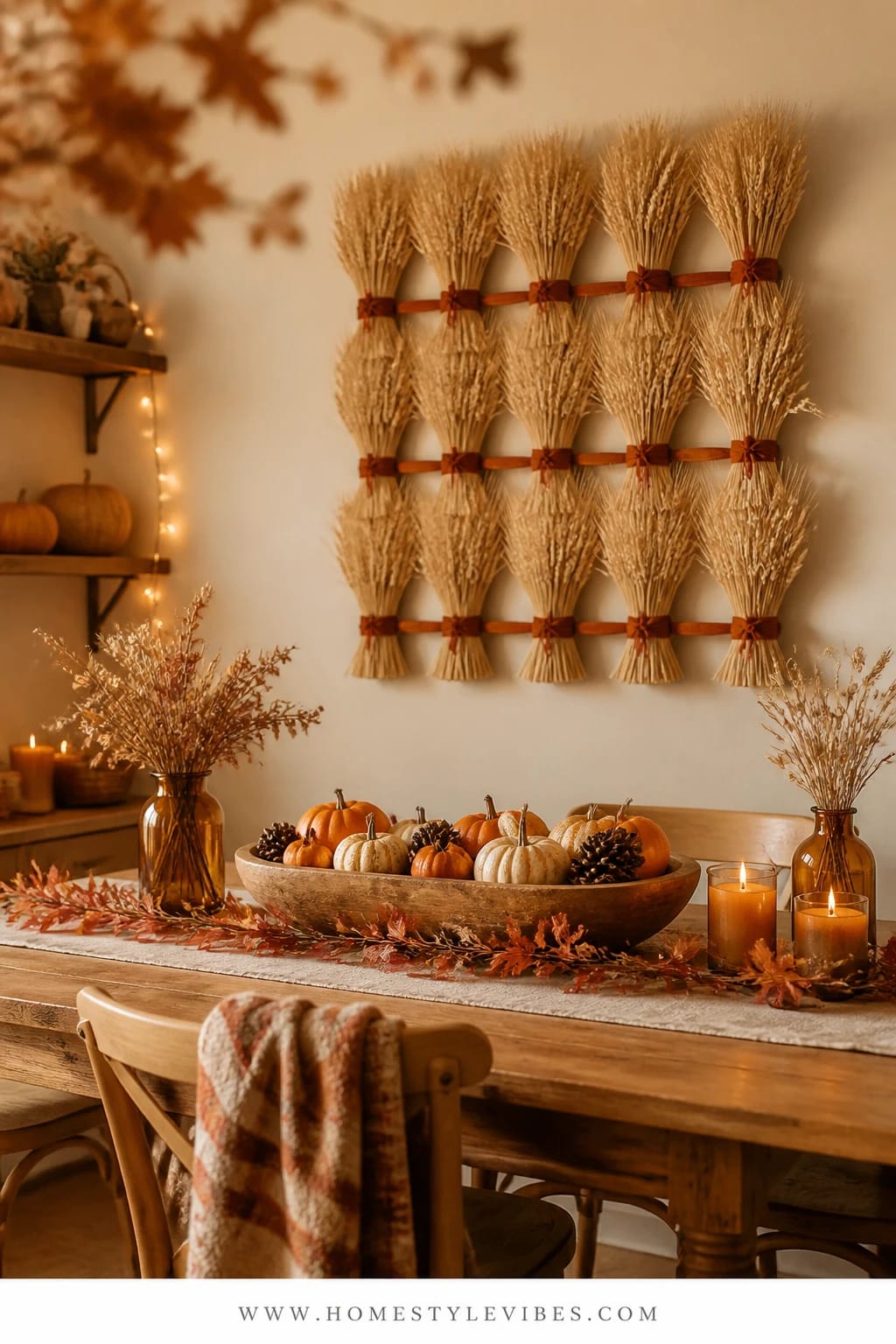
It’s that one corner that always feels off—the dining nook that never looks finished no matter how many art prints you buy. A wheat bundle grid solves it with gentle harvest energy and sculptural texture. Think soft rust ribbons tying slender wheat sheaves into a grid pattern—clean, graphic, and warm.
This look gives you cozy bright autumn without visual clutter. It works in smaller rooms because the elements are light-toned and low-profile. You still get depth, thanks to the dimensional bundles, but the grid’s negative space keeps it calm. Afternoon sunlight turns the wheat into spun gold, and dinner candlelight makes the shadows dance just enough to feel festive. It photographs beautifully because of the repetition: nine identical wheat bundles have the same satisfying rhythm as a gallery wall—just softer and more seasonal.
Variations include a budget-friendly version with dried grasses from your yard tied with twine (seriously), or a more refined version using matching brass tacks and velvet rust ribbons. For an easy November refresh, tuck a couple of mini dried corn cobs into the top-left and bottom-right bundles to “corner-anchor” the grid without overwhelming it.
Budget Breakdown:
- Wheat bundles (8–12): $2–$5 each
- Soft rust ribbon or velvet ribbon (2 rolls): $8–$16
- Small brass nails or removable hooks: $6–$12
- Optional: mini dried corn or millet stems: $6–$12
Total Estimated Cost: $36 – $92
Best For: Dining corners, breakfast nooks, or over a small buffet; households that prefer neutral-leaning fall with a hint of color.
Key Design Elements:
- Main seasonal props: wheat sheaves, optional dried corn
- Color palette: soft rust, wheat blonde, cream, gentle brass
- Lighting strategy: dusk candlelight on the table; morning light makes the wheat glow naturally
- Textile layers: rust ribbon bows; linen runner on the table below
- Natural elements: dried grass stems, mini gourds in a bowl on the table
- Accent details: brass or wood pushpins aligned in a clean grid
How To Recreate This Look:
- Start by choosing your grid size: 2×3 for narrow walls, 3×3 for square walls.
- Add small brass nails or removable hooks in precise rows, spacing 10–12 inches apart.
- Layer each wheat sheaf by tying with rust ribbon, leaving 3–4 inches of tail.
- Place each bundle onto its nail so the ribbon knot faces slightly to one side for movement.
- Style the table below with a linen runner and a low bowl of gourds in similar tones.
Why This Feels Designer: Uniform scale and measured spacing create the polish. You’re letting one seasonal material take center stage, which reads confident and gallery-worthy.
One Thing To Avoid: Skip overly bulky bundles. If they protrude more than 3–4 inches, the wall can look crowded. Slimmer is better for that refined harvest vibe.
Pro Styling Tip: Capture at late afternoon with one candle lit and one unlit—mixed light points keep photos from blowing out highlights on the wheat.
Take a breath. You don’t need every idea at once. If one concept resonates—like the grid or the plaid—start there and live with it for a week. Your wall will tell you what it wants next.
3) Copper-Colored Leaf Garland and Pumpkin Shelf Over the Entry Console
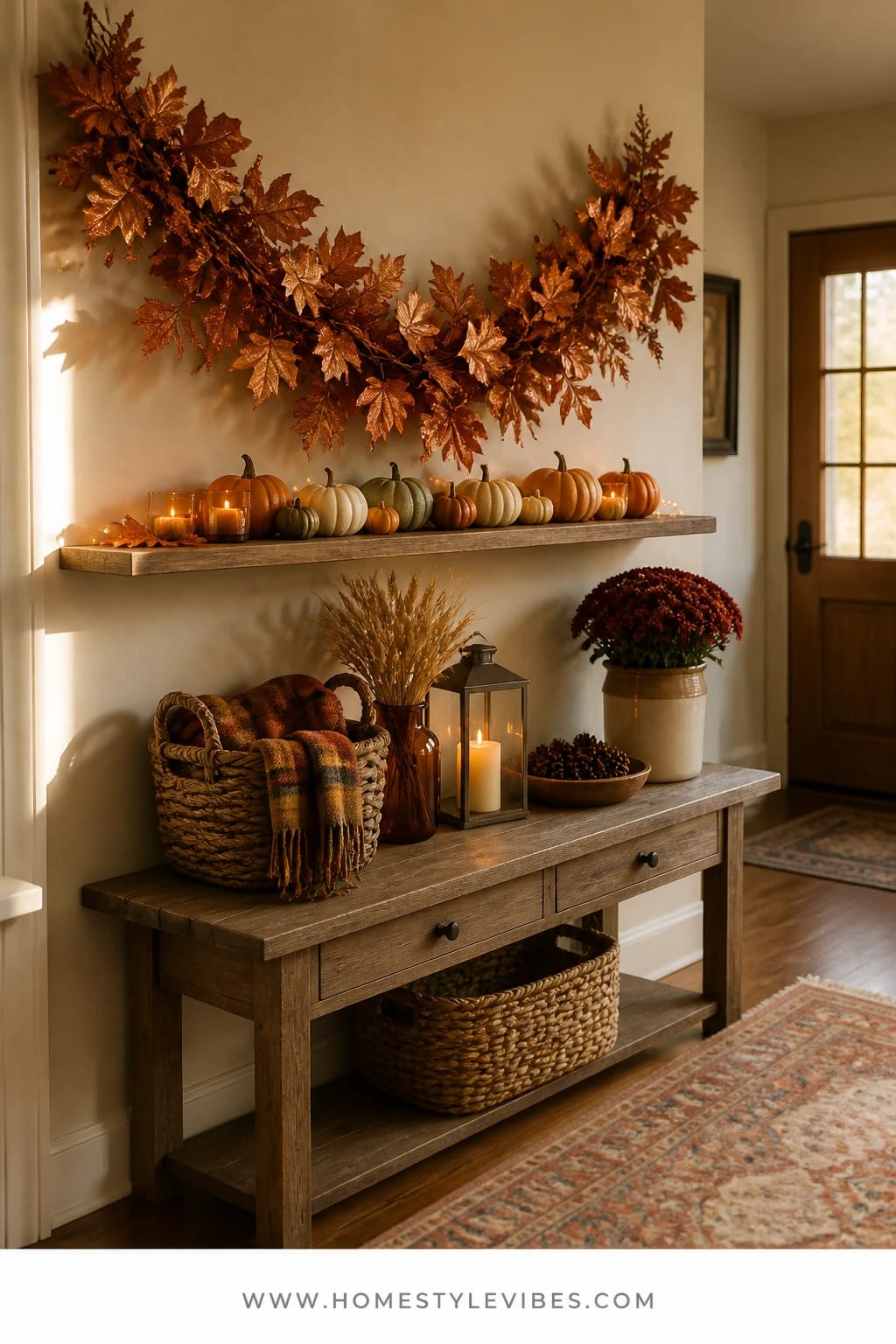
You’ve tried a mirror over the console, but it still feels… bland. The solution: a copper-colored leaf garland swagged along the wall with a floating shelf beneath to host a tidy parade of small pumpkins. It’s cheerful, layered, and impossible to ignore when you walk in with grocery bags and get a whiff of cinnamon the second you set keys down.
The mood is upbeat cozy—harvest energy without the clutter avalanche. This works wonderfully for busy entryways because garland stays up and out of the way while the shelf gives you a controlled zone for styling. Lighting matters: a small lamp with a warm bulb on the console sends a golden cast up to the leaves, and a battery tea light hidden behind a pumpkin adds the kind of glow that makes the arrangement feel alive at night.
It photographs beautifully thanks to the tiered composition: upper line (garland), middle line (shelf), lower line (console). Your eye zigzags through the scene, which creates depth. For families, this setup is also super practical—if you choose faux pumpkins, they’ll keep shape and color even under HVAC vents. Real pumpkins? Just don’t place them over a heat register unless you enjoy the sad, half-deflated look by week three.
Budget Breakdown:
- Faux copper leaf garland (2–3 strands): $12–$18 each
- 36–48 inch floating shelf: $20–$50
- Mini pumpkins (real or faux, 6–10): $0.75–$3 each
- Console lamp with warm bulb (if you don’t have one): $25–$60
- Battery tea lights: $6–$12
Total Estimated Cost: $55 – $170
Best For: Entry hall or hallway console; high-traffic areas where decor needs to stay tidy and photogenic.
Key Design Elements:
- Main seasonal props: copper-tone leaf garlands, mini pumpkins
- Color palette: copper, rust, pumpkin orange, warm cream
- Lighting strategy: small lamp on console; hidden tea light creating accent glow on shelf
- Textile layers: a woven runner on the console for subtle pattern
- Natural elements: a bowl of acorns or pinecones to ground the warm metals
- Accent details: a small brass dish for keys; matte black brackets if you skip a floating shelf
Why This Reads High-End: The triple-layer vertical story (garland, shelf, console) feels designed. Consistent copper tones across the garland and any metal accents create a custom palette that looks thought-out.
How To Recreate This Look:
- Start by installing the floating shelf 12–16 inches above the console surface.
- Add small finishing nails or clear hooks 4–6 inches above the shelf line to swag your garland.
- Layer two garlands for volume; let one drop slightly lower for movement.
- Place your pumpkins in odd numbers along the shelf, mixing sizes for rhythm.
- Style the console: lamp on one side, shallow bowl for keys, and a small stack of fall cookbooks for height.
Don’t Do This: Avoid placing the lamp too close to the garland. Faux leaves can warp under heat. Keep a few inches of breathing room for safety (and better light spread).
Pro Styling Tip: For photos, tuck one pumpkin a couple of inches over the shelf edge so it barely peeks—this tiny “break of the line” adds depth and looks editorial.
4) Harvest Basket Collage With Golden Lanterns Beside the Fireplace
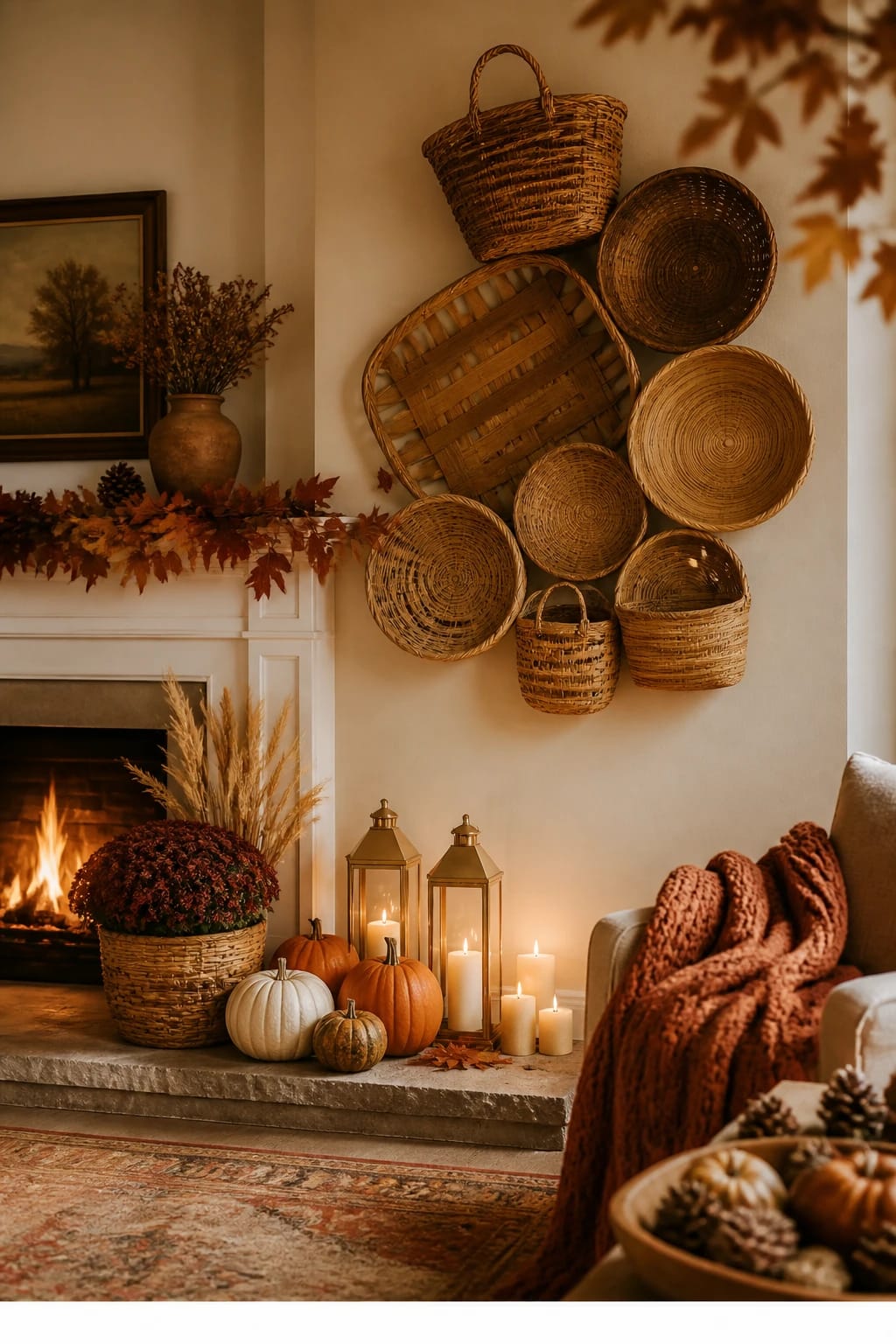
That massive stretch of wall next to your fireplace can feel like a brick wall for ideas—literal or metaphorical. Art often looks too small, and a big mirror doubles glare. A harvest basket collage brings sculptural warmth: flat woven baskets, handled market baskets, a shallow tobacco basket, all arranged as a wall collage with golden lanterns on the hearth below.
This is cozy bright autumn turned textural. It works in real homes because baskets are light, forgiving, and easy to store. The palette stays warm and neutral while the shapes and weaves provide the interest. In evening light, lanterns toss soft patterns upward, and during sunny afternoons, the basket shadows add gentle dimension. It’s highly photogenic—textures stack, shadows play, and the whole scene feels touchable.
Variations: thrifted baskets for a collected look; add a single deep rust ribbon trailing from one basket for color punctuation. If you love pattern, weave a thin plaid strip through one basket’s slats. Want more autumn? Tuck dried eucalyptus or wheat into a couple of the baskets using floral wire.
Budget Breakdown:
- Assorted baskets (5–9 pieces): $3–$20 each
- Lanterns (2–3, varying heights): $18–$40 each
- Floral wire and small nails/hooks: $6–$12
- Optional dried stems: $6–$14
Total Estimated Cost: $63 – $206
Best For: Living rooms with a fireplace and a big blank flank wall; households wanting high-impact texture over color.
Key Design Elements:
- Main seasonal props: woven baskets, lanterns, dried stems
- Color palette: honey, caramel, wheat, warm brass, a hint of rust
- Lighting strategy: lantern trio on the hearth; optional LED candles for safe sparkle
- Textile layers: a small plaid throw folded on the hearth bench or a nearby basket
- Natural elements: wheat, eucalyptus, dried leaves
- Accent details: a brass match striker, vintage-style candle snuffer
How To Recreate This Look:
- Start by placing your tallest lantern to one side of the hearth and the medium and small nearby for a gentle triangle.
- Add nails or hooks on the wall in a loose cluster shape that spans at least 60% of the vertical space beside the fireplace.
- Layer your largest basket first, slightly off-center; surround with medium and small pieces, varying weave and shape.
- Place a couple of dried stem bundles into baskets using floral wire for stability.
- Style the hearth with a folded plaid throw and a shallow bowl of pinecones or small gourds.
Why This Looks Intentional: Varying basket size and weave creates a curated, layered wall that reads as art. The lantern light adds purpose and ties the installation back to the hearth, making it a single cohesive moment.
The Most Common Mistake: Making the collage too tight. Leave space between baskets so the wall color peeks through. Negative space keeps it from looking like a patchwork quilt.
Pro Styling Tip: When you photograph, sit slightly to one side so the lantern glow rakes across multiple basket surfaces—more visible texture, more warmth.
Remember, this isn’t about recreating a showroom. It’s about making your rooms feel finished and comforting. Choose textures that make you want to reach out and touch them. That temptation is your sign you’re on the right track.
5) Cranberry-and-Rust Produce Peg Rail in the Kitchen
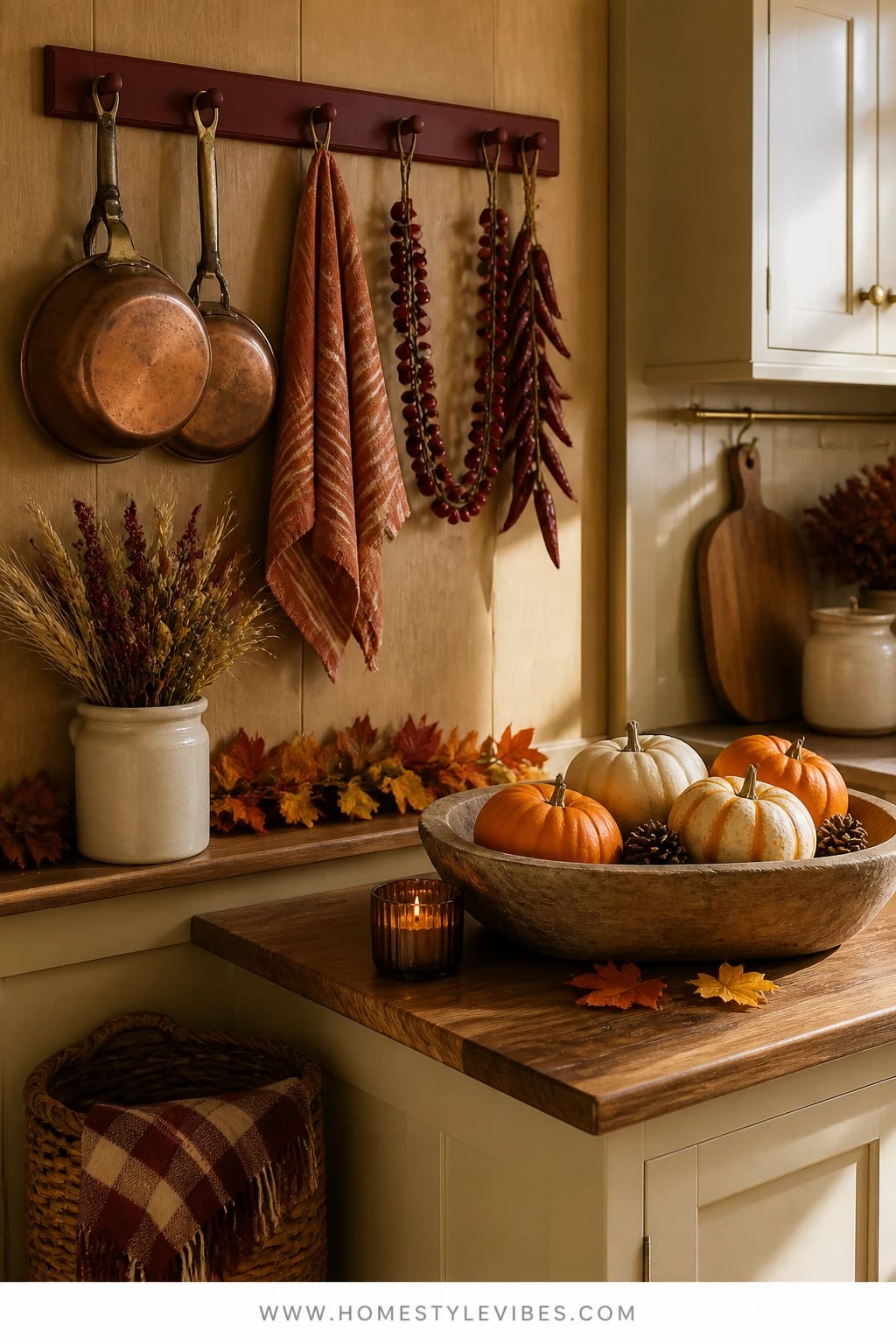
Kitchens get tricky. You want fall energy, but counter clutter is real. A produce peg rail hits that sweet spot: hang copper pans, rust-striped tea towels, and a string of faux cranberries or chili peppers. Add a small framed recipe card for heart—suddenly the blank wall near your breakfast bar becomes the most charming corner of the house.
The mood is cheerful utility: things you actually use, styled in a way that reads seasonal. Peg rails thrive in real homes because they flex—one week it’s a basket of apples, the next it’s a bunch of dried herbs. Lighting in kitchens can be bright, so lean into it. The warm metals and red tones pop under task lights, while at night a dimmed sconce or under-cab LED warms the palette into that amber lane you crave. It photographs beautifully because the hanging shapes give you clear vertical lines and the color hits (cranberry, rust) are saturated without noise.
Bonus: this is easy to store later. The rail stays put year-round; swap the seasonal items in and out. I tried this last October on my own wall by the coffee station and kept half of it up through January—just switched the cranberries for dried orange slices and called it winter. No regrets.
Budget Breakdown:
- Wood peg rail (24–36 inches): $18–$45
- Rust-striped tea towels (2–3): $10–$24
- Faux cranberry or chili pepper garland: $8–$20
- Small produce basket: $8–$16
- Optional copper pan or ladle: $20–$60
Total Estimated Cost: $64 – $165
Best For: Kitchen walls near the prep zone or breakfast bar; households that like useful decor that doubles as storage.
Key Design Elements:
- Main seasonal props: faux cranberry string, tea towels, dried herb sprigs
- Color palette: cranberry red, rust, copper, cream, warm wood
- Lighting strategy: under-cabinet LEDs set warm; one small sconce above the rail if possible
- Textile layers: striped towels, a small plaid potholder
- Natural elements: fresh apples in a hanging basket, dried thyme or rosemary bunches
- Accent details: brass S-hooks, a tiny framed recipe or kitchen quote
How To Recreate This Look:
- Start by installing a sturdy peg rail at eye level where it won’t block cabinet doors.
- Add S-hooks for flexibility so you can slide items around.
- Layer in a copper piece on one end for visual weight.
- Place the cranberry strand or chili string through two pegs so it swags gently.
- Style with a tea towel, a small basket, and a clipped herb bundle to finish the rhythm.
Why This Looks Expensive: You’re mixing warm metal with purposeful wood and a tight color story. Function + beauty always reads bespoke, especially in a kitchen where clutter usually wins.
Watch Out: Keep anything fresh (like apples) away from heat vents. Fruit goes soft fast near the oven, and then you’re cleaning fruit fly traps instead of sipping cider.
Pro Styling Tip: For photos, angle one towel so it skims the counter edge—this creates a nice diagonal line that draws the eye across the frame.
6) Burgundy Book Ledge With Pumpkin Art Over the Reading Chair
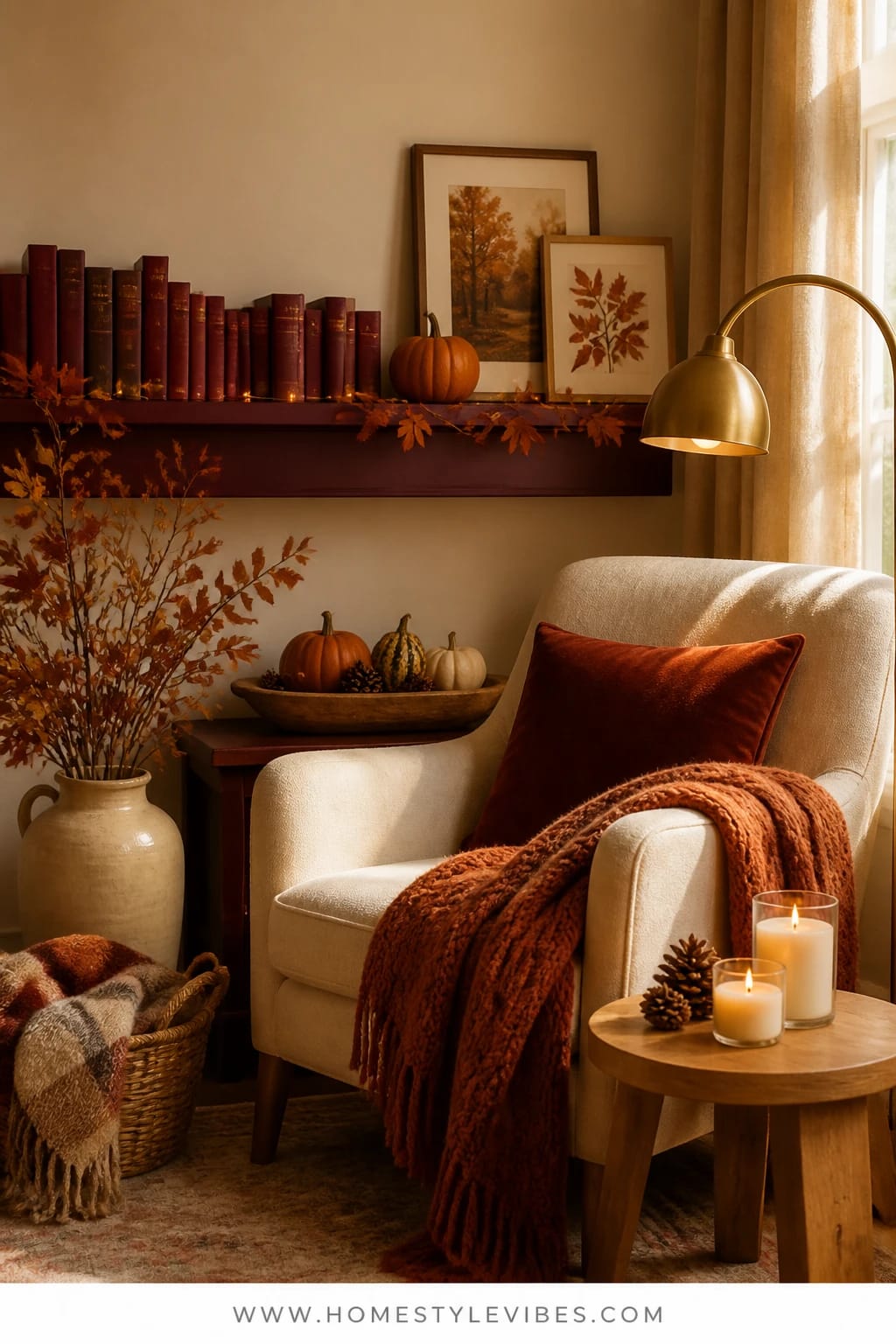
Reading corners deserve better than a lone print that never quite feels right. A slim wall-mounted ledge that holds a rotating row of burgundy-spined books, a fall print or two, and a petite pumpkin creates a cozy bright autumn moment that feels smart and seasonal. The chair, the ledge, the lamp—done.
This idea gives you an intimate, story-filled mood. It works beautifully because a ledge lets you swap art and objects without new holes, and the books add the weighty color blocks you need to make a small wall feel grounded. Lighting is key: a shaded lamp beside the chair casts a warm pool that kisses the spines and makes the pumpkin glow. I once styled a friend’s narrow living room this way—one ledge, five books, a tiny ceramic pumpkin—and she texted me for a week straight about how it “finally feels like fall in that corner.”
Go budget-friendly with thrifted books and a printable fall art download. Or go bolder with a deeper ledge that can hold a mini vase of wheat. Transition to November by swapping the pumpkin art for a harvest recipe cover or a vintage turkey illustration—yes, it’s a hint festive, no, it’s not cheesy when the palette stays rich and warm.
Budget Breakdown:
- 24–36 inch wall ledge: $15–$40
- Used books with burgundy/rust spines (5–7): $1–$5 each
- Printable fall art + simple frame: $12–$30
- Small ceramic or real pumpkin: $3–$12
- Reading lamp (if needed): $25–$80
Total Estimated Cost: $56 – $177
Best For: Living room reading corners, bedroom sitting areas, or home offices that need a warm, inspirational wall moment.
Key Design Elements:
- Main seasonal props: burgundy books, pumpkin art, small pumpkin
- Color palette: deep burgundy, rust, amber, cream
- Lighting strategy: shaded lamp with warm bulb; optional clip-on picture light above the ledge
- Textile layers: nubby throw on the chair, rust velvet pillow
- Natural elements: wheat stems in a bud vase or a sprig of dried maple leaves
- Accent details: thin black or brass frame; matte ceramics for the pumpkin
Why This Feels Designer: A narrow color edit with book spines creates a custom library vibe. The ledge’s slim proportion and overlapping frames look collected, not random.
How To Recreate This Look:
- Start by installing a slim ledge 6–10 inches above the chair back height.
- Add your tallest frame off-center, then tuck a smaller print to overlap slightly.
- Layer in burgundy books with varied heights for an easy skyline effect.
- Place a small pumpkin near one end for a pop of organic shape.
- Style the chair with a rust pillow and soft throw; add the lamp to create a warm focal point.
Don’t Do This: Avoid too many tiny items on the ledge. Keep the mix bold: bigger books, one or two frames, one pumpkin. Tiny clutter kills the calm.
Pro Styling Tip: Angle the top frame a few degrees so it catches lamp light—those tiny highlights make prints read richer on camera.
Here’s the mindset shift: imperfect is inviting. If a pumpkin tilts a little or a ribbon tail hangs at a funny angle, that’s texture and life. Your home is a place to breathe, not a display case.
Quick Checklist
- Pick a warm bulb (2700K) to flatter fall colors
- Choose one saturated anchor color: rust, burgundy, or copper
- Repeat that color in 3 spots for cohesion
- Use negative space so walls don’t feel crowded
- Vary heights: top line, middle shelf, lower console or chair
- Layer at least one textile for softness
- Add one natural element: wheat, leaves, gourds, or pinecones
- Introduce warm metals: brass, copper, or antique gold
- Hide a small light source for glow (votive, tea light, or picture light)
- Photograph at golden hour or with lamps on for depth and warmth
Frequently Asked Questions
How do I keep costs down if I want to try more than one of these wall ideas?
Pick one “investment” element (like a shelf or peg rail) and pair it with low-cost seasonal items. Thrift blankets and books, make your own wheat bundles, and reuse amber votives across rooms. Rotate the same pumpkins and ribbons between setups through the season so each wall feels fresh without buying more.
Real or faux pumpkins and florals—what photographs better and lasts longer indoors?
Real pumpkins look richer in color on camera, but they soften near heat vents and sunny windows. Faux holds up for weeks and is lighter to hang or shelf. My rule: use real on consoles and tables you see up close; use faux on shelves and ledges where weight and safety matter.
My living room is small. Which of these fall wall decor ideas won’t overwhelm it?
The wheat bundle grid and the book ledge are perfect for small spaces. They’re low-profile, visually tidy, and easy to scale down. Stick to a tight color palette and leave breathing room between pieces to keep the space calm.
Where do I store all of this after Thanksgiving?
Choose collapsible or flat items: baskets nest, wheat ties bundle neatly in a garment bag, garlands coil into shoeboxes, and peg rail props go back to daily use. Label one clear bin “Fall Wall” so next year’s setup takes minutes, not hours.
Are candles safe on these walls with kids and pets around?
Use LED candles in lanterns and on high shelves. Keep open flame on sturdy surfaces away from fabric and curious tails. You’ll still get that amber glow in photos and zero stress during bedtime chaos.
When should I start decorating for fall so it doesn’t feel too early?
Begin with textiles and warm metals in early September (plaid banner, book ledge). Add pumpkins and wheat by late September. Layer in richer tones and candlelight mid-October, then keep the warm palette rolling through Thanksgiving.
What if I rent and can’t make a ton of holes?
Use removable hooks for garlands, a single center hook for a blanket banner, and leaning frames on a console or ledge. Command-style strips can hold lightweight baskets and small shelves rated for them—just mind the weight limits.
Conclusion: Your Fall Walls, Finally Warm and Finished
Pick one wall. Choose one idea. Do it tonight, even if it’s just the book ledge and a single pumpkin. Cozy bright autumn isn’t about having everything—it’s about the right mix of layered texture, warm light, and a few harvest details that make the room feel finished.
The secret isn’t more stuff. It’s scale, repetition, and glow—rust and burgundy tucked into soft textiles, wheat that catches the afternoon sun, and one or two candles (or LEDs) that warm the scene at night. Start small, trust your eye, and let the season build around you.
You’ve got this. Your walls won’t be blank for long, and when that first cool evening hits, you’ll sit back with something cinnamon-y and think, oh—this is exactly how fall is supposed to feel.
About the Author

Krisztina P.Rendes, Founder of Home Style Vibes
Founder of Home Style Vibes
Krisztina Puskásné Rendes created Home Style Vibes as a cozy-modern lifestyle space where homemaking meets inspiration. Her goal is to help women create beautiful, organized, and peaceful homes they truly love — without overwhelm. You’ll find here heart-driven content on home decor, cleaning tips, easy family recipes, organization and decluttering, DIY home projects, plants, and seasonal ideas — all designed to bring more calm, comfort, and style into everyday life.