7 Best Bathroom Colors That Make Even the Smallest Space Look Beautiful Secrets
You want a bathroom that feels calm, bright, and pulled-together the second you flip on the light. You hate that yours reads cluttered and dull no matter how many baskets and trays you add. Picture silk-smooth walls that bounce light like water, soft matte textures that hide smudges, and metal accents that offer quiet sparkle—these seven bathroom color ideas fix the cramped, shadowy feeling and make a tiny room look designed on purpose. Over one weekend and under $1,200 in most cases, you can turn a “fine, I guess” bath into something you actually want to show your friends on FaceTime. These bathroom colors photograph beautifully, feel effortless, and suit real life—not just Pinterest boards. If you love clean vibes, polished charm, or warm serenity, one of these will be your style home base.
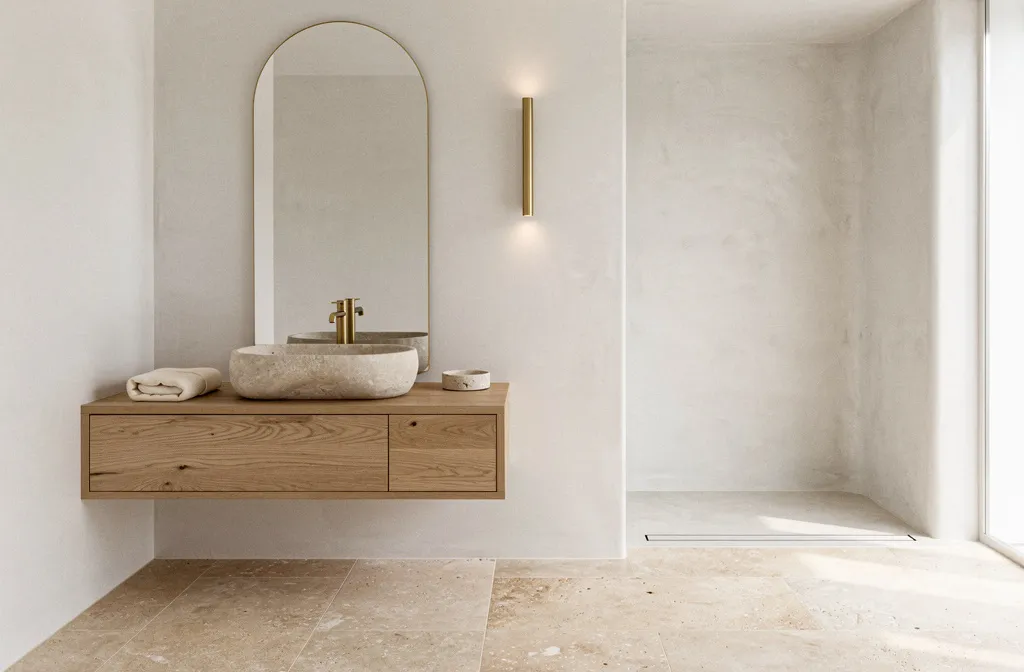
1. Cloud-Soft White With Warm Brass and Bone Tile
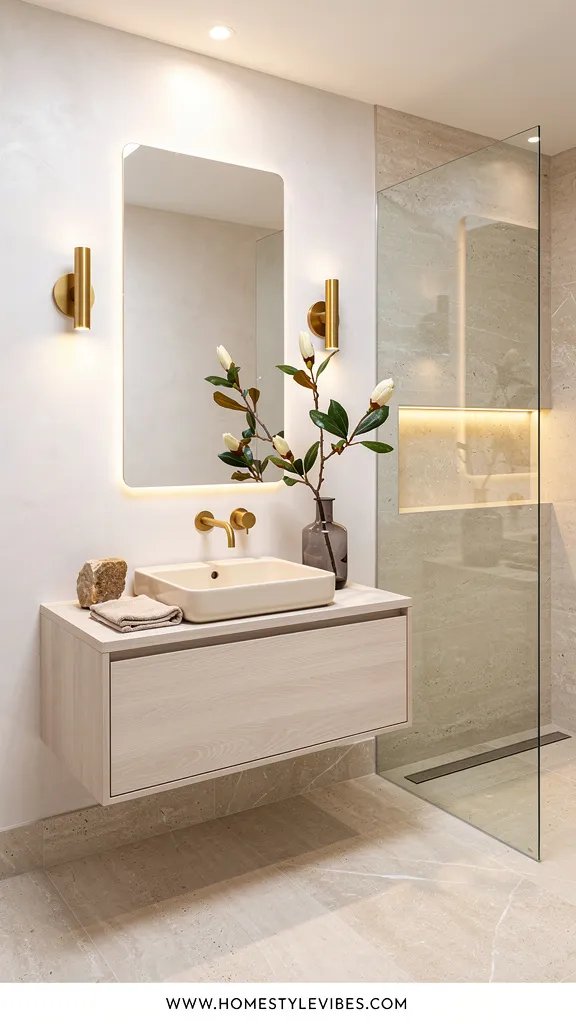
We’ve all been there: you painted the bathroom white for “brightness,” yet it somehow looks stark, clinical, and a little sad at 7 a.m. under harsh bulbs. Cloud-Soft White solves that. Think milky porcelain, a whisper of cream, not “rental white.” It creates a spa-adjacent calm and suits small spaces because it bounces light around without looking sterile. Warm-toned whites play well with brushed brass and bone travertine or ivory porcelain tile—suddenly the room looks cocooned, not cold.
This color story works in real homes because it forgives daily life: toothpaste flecks don’t pop the way they do on cool white, and warm brass naturally patinas, which reads more charming than fussy. Light behaves beautifully here—morning light glows, evening light deepens the cream, and a dimmer switch can make the room feel like a boutique hotel. A matte, scrubbable paint in a warm white (something like a hint of oatmeal) paired with bone or creamy off-white tile builds tone-on-tone layers that photograph like a dream: soft contrast, subtle shadow, and a hint of shimmer from metal hardware.
Variations help this scheme flex. Budget-friendly? Use porcelain “travertine-look” tile and brass-look hardware. Renter-friendly? Paint only the vanity and add peel-and-stick bone tile in the shower niche. Small-space version? Keep grout lines tight and use a larger-scale tile to reduce visual noise.
Budget Breakdown:
- Warm white paint (1 gallon, premium scrubbable): $50–$85
- Porcelain bone tile (floor or wall): $2–$6/sq ft
- Brushed brass hardware set (faucet, towel bar, TP holder): $180–$450
- Round brass-framed mirror: $80–$220
- Dimmer switch + warm LED bulbs: $25–$60
- Textured ivory towels + bath mat: $40–$120
Total Estimated Cost: $375 – $935
Best For: Tiny bathrooms with zero natural light; anyone who wants a serene, hotel-spa vibe with warmth; great for resale in transitional or traditional homes.
Key Design Elements:
- Main materials: matte warm white paint, bone porcelain tile, brushed brass
- Color palette: cream, bone, soft gold, warm gray grout
- Lighting strategy: warm 2700–3000K LEDs, dimmer, wall sconces for flattering face light
- Furniture silhouettes: rounded mirror, soft-edged vanity, thin-profile hardware
- Texture layers: plush looped towels, low-sheen walls, honed tile
- Accent details: a small bunch of eucalyptus, alabaster soap dish, linen shower curtain
How To Recreate This Look:
- Start with a low-sheen, warm white paint on walls and ceiling to blur edges.
- Add bone or ivory tile on the floor or a single feature wall to build tone depth.
- Layer in brushed brass hardware and a round brass mirror to warm the palette.
- Install wall sconces with warm bulbs and a dimmer to soften morning glare.
- Style with cream towels, a textured bath mat, and a single green stem in a small vase.
Why This Looks Expensive: Tonal harmony. Keeping white, bone, and brass within a warm range creates cohesion; your eye reads fewer breaks, so the room appears larger and more considered.
Watch Out: Don’t use cool daylight bulbs. They make warm whites look dingy. If your tile skews cool, adjust the paint to a slightly cooler warm white to avoid clashing.
Pro Styling Tip: For photos, nudge the sconce light to 70%, fold towels with the finished edge facing out, and angle the brass mirror slightly to catch a soft highlight, not a direct bulb glare.
Ready for color that still feels grown-up? The next one leans earthy and quietly moody.
2. Sage-Green Serenity With Natural Oak and Matte Black Accents
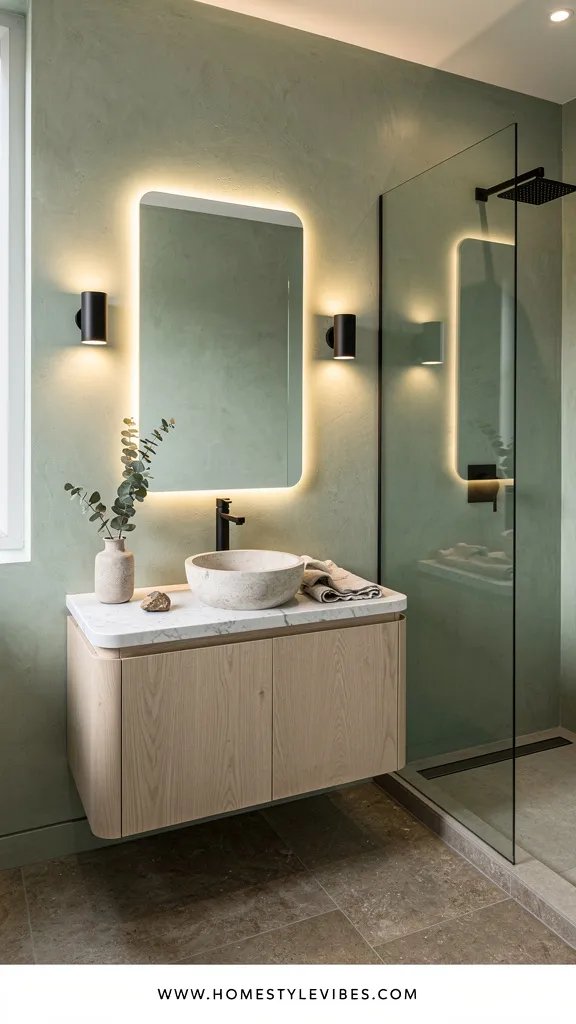
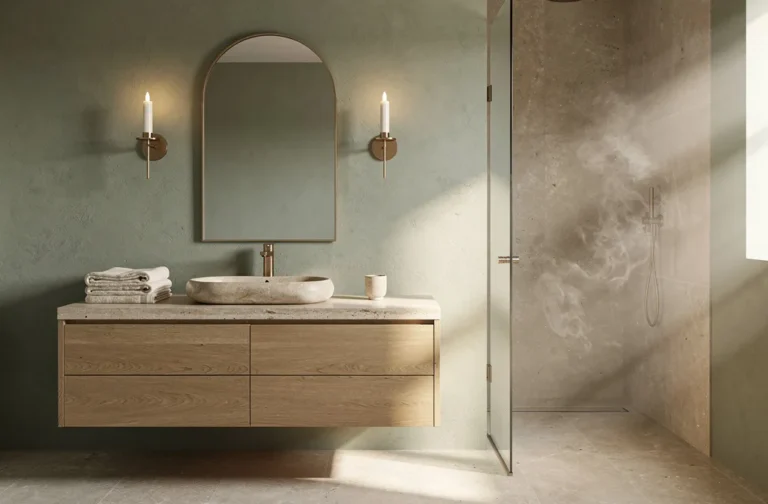
It’s that one corner that always feels off—too many cold surfaces, not enough soul. Soft sage fixes the mood without overwhelming the senses. The vibe sits between modern cottage and Japandi: tranquil, grounded, and herbaceous. Sage walls with natural oak accessories and matte black taps deliver just enough contrast to sharpen the room while keeping a soft, organic heart.
In small bathrooms, sage works because it adds color without shouting. Lighting falls across sage with lovely mid-tone shadows that hide minor wall imperfections. Oak brings warmth and pattern through a gentle grain, which is crucial when your square footage can’t handle busy tile. Photography loves this palette: green next to black creates crisp edges, while oak and linen add depth and tactile realism. Easy to maintain, too—matte black hides fingerprints better than chrome, and green walls shrug off the occasional splash mark with scrubbable paint.
Variations: Go budget-friendly with painted vanity fronts and a DIY oak shelf. Prefer darker? Choose a deeper eucalyptus green on the vanity only and keep walls light. Renter-friendly swap: peel-and-stick oak-look contact paper for the vanity sides and a removable sage wallpaper on one wall.
Budget Breakdown:
- Sage-green paint (1 gallon): $50–$85
- Matte black faucet + hardware set: $180–$380
- Oak shelf + oak frame mirror: $60–$200
- Neutral linen shower curtain: $25–$60
- Large woven basket for towels: $30–$80
- Matte ceramic planters (faux or real): $20–$60
Total Estimated Cost: $365 – $865
Best For: Apartments or cottages, homes with a bit of natural light, plant lovers, and anyone craving a calm start to the day.
Key Design Elements:
- Main materials: matte sage paint, natural oak, matte black metal
- Color palette: soft sage, oak honey, black, cream textiles
- Lighting strategy: diffuse overhead + a warm backlit mirror to soften green undertones
- Furniture silhouettes: thin-profile shelves, simple flat-front vanity, round-edged mirror
- Texture layers: linen, woven baskets, matte ceramics
- Accent details: a simple black tray, herbal hand soap, small eucalyptus bunch
How To Recreate This Look:
- Start by painting walls in a muted sage with a satin or matte scrubbable finish.
- Add a natural oak shelf and a matching or coordinating oak mirror frame.
- Layer matte black hardware and faucet for sharp contrast.
- Install a backlit or LED mirror to avoid harsh overhead-only lighting.
- Style with linen textiles, a woven basket, and one potted plant for life.
Why This Feels Designer: The trio of sage, oak, and matte black signals intention. You’re not mixing every finish—just three repeated thoughtfully—so even a small bath looks curated.
One Thing To Avoid: Don’t pair sage with blue-tinted whites; it makes the green look icy. Choose a creamy trim paint or keep trim the same as the walls.
Pro Styling Tip: For photos, place a black accessory in the lower third of the frame to anchor the shot and let the green read fresher and lighter above.
Pause for a breath: color doesn’t have to mean bold. It can whisper. And that whisper is often what makes a bathroom color truly chic.
Next up, something sunny but sophisticated—because tiny bathrooms deserve joy too.
3. Buttercream Glow With Polished Nickel and Checkerboard Stone
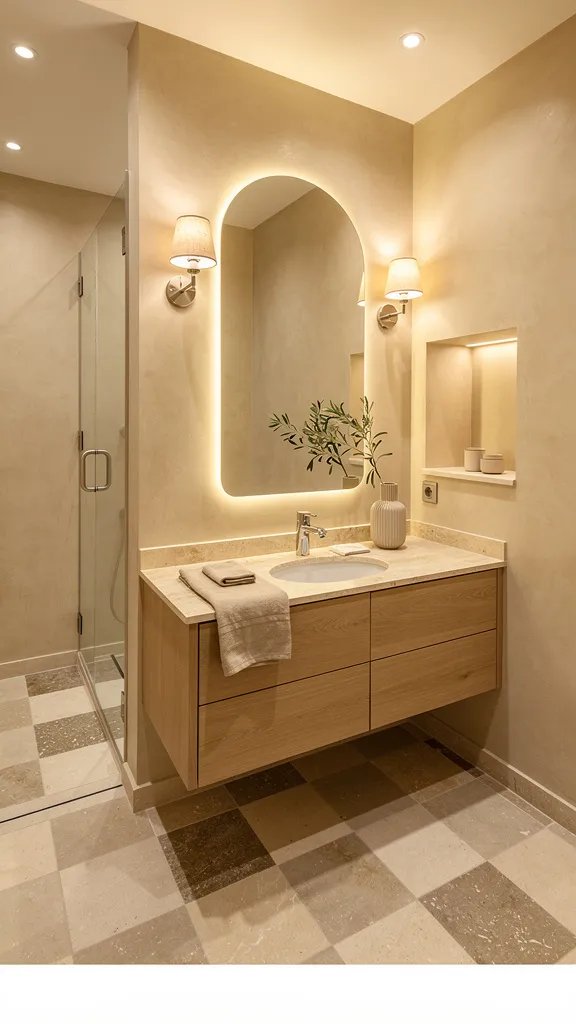
You’ve tried “happy yellow,” but it went toddler-playroom fast. Buttercream is the antidote: soft, warm, and candle-lit rather than neon. It infuses morning light with a glow that flatters skin and makes the smallest space feel like a Parisian powder room. Pair with polished nickel for a cool counterpoint and a tonal checkerboard floor in cream and warm gray for visual play without chaos.
This palette wins in real homes because it handles low-light conditions gracefully. Bright yellows can look garish under LEDs; buttercream stays elegant. Polished nickel reflects light crisply (less yellow than brass), creating clarity around mirrors and taps. The checkerboard, done in subtle tones, elongates the floor plane and distracts from cramped footprints. Photographs love the gentle color temperature mix: warm walls, cool metal, nuanced stone—depth without clutter.
Variations: On a budget, paint walls buttercream and add a vinyl checkerboard floor tile. For a darker spin, use warm gray walls and introduce buttercream in textiles and art. Renter-friendly? Peel-and-stick checkerboard, nickel-framed mirror, and buttercream shower curtain in a rich fabric like cotton sateen.
Key Design Elements:
- Main materials: buttercream paint, checkerboard tile or vinyl, polished nickel
- Color palette: butter, cream, warm gray, cool silver
- Lighting strategy: layered—ambient flush mount plus two nickel sconces at eye height
- Furniture silhouettes: classic cross-handle taps, shapely pedestal or slim vanity
- Texture layers: sateen or percale textiles, glossy tile, smooth metal
- Accent details: small framed print, cut crystal tumbler, pale straw basket
Budget Breakdown:
- Buttercream paint (1 gallon): $50–$85
- Peel-and-stick checkerboard (small bath): $70–$200
- Polished nickel faucet + hardware: $220–$520
- Nickel-framed mirror: $90–$280
- Quality shower curtain (cotton sateen): $40–$90
Total Estimated Cost: $470 – $1,175
Best For: Windowless baths needing warmth; vintage or pre-war apartments; anyone who loves soft light and a touch of classic glam.
How To Recreate This Look:
- Start with buttercream walls in a matte or eggshell finish to diffuse light.
- Add a subtle checkerboard floor—cream and warm gray to avoid high-contrast busyness.
- Layer polished nickel fixtures; keep lines classic for timelessness.
- Install twin sconces beside the mirror for balanced, flattering light.
- Style with a simple art print and a crystal or glass cup to echo the nickel gleam.
Why This Reads High-End: Tone-on-tone checkerboard looks custom, even when it’s vinyl. Understated contrast signals restraint—a hallmark of expensive-looking rooms.
The Most Common Mistake: Using bright white trim with buttercream. It can look dirty by comparison. Match trim to walls or step just a half shade lighter within the same family.
Pro Styling Tip: For photos, angle a small table lamp just outside the frame to kiss the buttercream wall with a warm highlight—your camera will capture that golden dusk effect.
Here’s a mindset moment: you don’t have to commit to a bold design forever. Paint can change. Hardware can change. You’re not marrying a color—you’re dating it. Try a weekend fling with something new.
4. Charcoal Envelope With Burnished Brass and Marble Veining
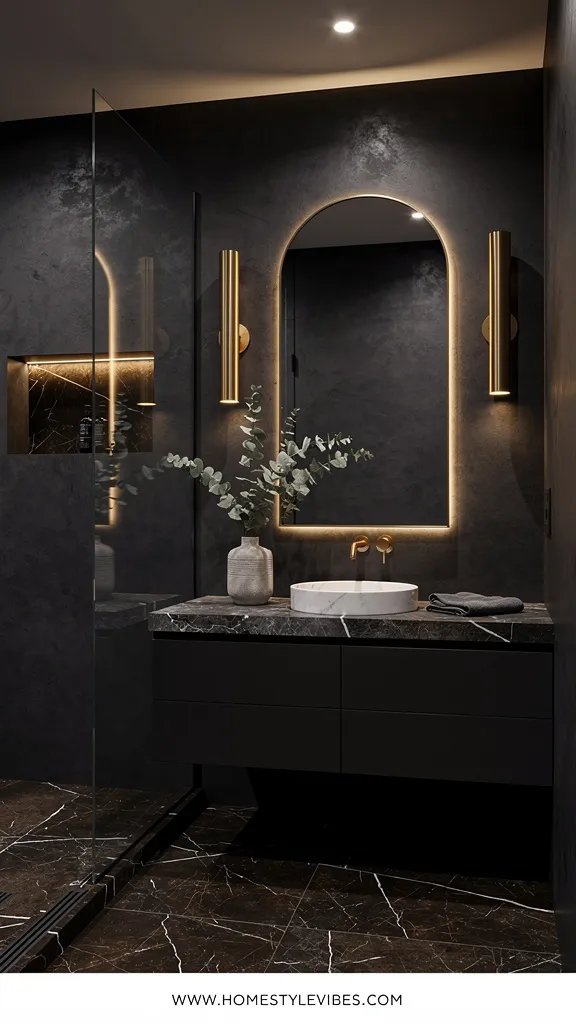
You want drama. But you’re worried dark paint will make your small bathroom feel claustrophobic. Here’s the truth: wrapping a tiny bath in charcoal can actually make edges dissolve and the room feel like a jewel box. It’s cinematic, moody, and ridiculously flattering in candlelight. Burnished brass hardware and pronounced marble veining bring movement and gleam that stop the charcoal from flattening.
This works in real homes because bathrooms are nighttime spaces as much as daytime. Charcoal handles artificial light better than pure black—no harsh reflections, just soft shadows. If you have a white sink, toilet, or tub, the contrast makes fixtures pop in a deliberate way. Photography-wise, charcoal backgrounds let every texture—linen, stone, metal—read with editorial clarity. You get depth, drama, and a “wow” mirror shot every time.
Variations include a budget version with painted walls only and a veined vinyl countertop overlay. Prefer a slightly lighter mood? Choose deep graphite or a deep mushroom gray. Renter-friendly? Paint a removable mural panel or large art-sized foam board in charcoal and lean it behind the vanity; swap knobs to aged brass and keep them for your next place.
Budget Breakdown:
- Charcoal paint (2 gallons to envelope walls + ceiling): $100–$170
- Burnished brass faucet + hardware: $220–$520
- Veined marble-look quartz shelf or remnant: $80–$250
- Smoked glass or black-framed mirror: $80–$220
- Soft linen towels (stone or off-black): $40–$120
Total Estimated Cost: $520 – $1,280
Best For: Powder rooms, evening entertainers, and anyone comfortable with mood over brightness. Gorgeous in modern or historic homes with personality.
Key Design Elements:
- Main materials: matte charcoal paint, burnished brass, veined stone
- Color palette: charcoal, off-white, brass, smoky glass
- Lighting strategy: layered; dimmable sconces + backlit mirror to prevent black holes
- Furniture silhouettes: slim profiles, arched or pill-shaped mirror
- Texture layers: linen, honed stone, unlacquered brass
- Accent details: beeswax candle, dark-stained wood stool
Why This Looks Intentional: Enveloping walls and ceiling removes the horizon line. The room reads as one sculptural volume with purposeful contrast points (fixtures, art, mirror).
How To Recreate This Look:
- Start by painting walls and ceiling charcoal in a matte finish to absorb glare.
- Add burnished brass or unlacquered hardware to introduce warm highlights.
- Layer a high-contrast marble or marble-look element—counter, shelf, or ledge.
- Install dimmable sconces at face height and a soft backlight for the mirror.
- Style with off-black towels, a beeswax candle, and one crisp white accessory.
Don’t Do This: Avoid shiny black tile paired with glossy charcoal paint. Too much reflection creates uneven hotspots and cheapens the effect. Mix sheens: matte walls, honed stone, softly gleaming metal.
Pro Styling Tip: For photos, crack the door so a thin bar of light grazes the charcoal near the handle—instant cinematic edge and a sense of invitation.
Now for something coastal, but not cliché—think salt air, not seashell soap.
5. Misty Blue-Gray With Pearl Tile and Chrome Sparkle
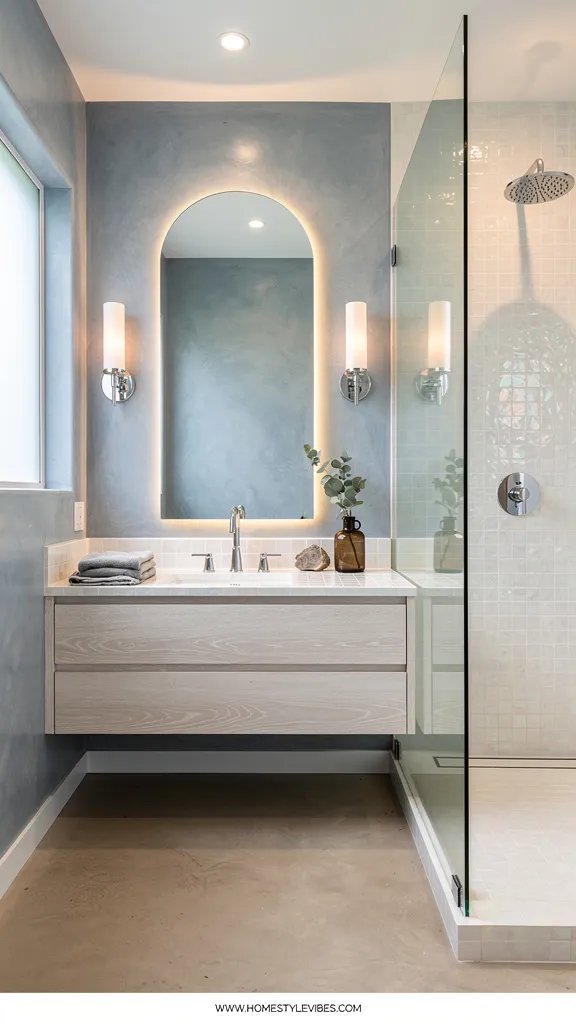
You crave that breezy, coastal calm, but baby blue felt juvenile and nautical stripes went kitsch. Misty blue-gray delivers the ocean note you want, with grown-up restraint. It sits right between blue and gray, so it reads sophisticated and shifts gently with light—cooler at dawn, slightly warmer under soft bulbs. Add pearl-finish ceramic tile and cool chrome accents for a clean, spa-fresh feel that stays timeless.
This scheme thrives in small baths because blue-gray recedes visually, enlarging the sense of space. Chrome reflects just enough to keep the room bright without stealing the show. A pearl or satin tile finish adds a delicate sheen that photographs beautifully—no harsh glare, just a watery shimmer. Maintenance stays easy; chrome cleans up fast, and blue-gray hides tiny lint fibers that show on deep navy.
Variations: Budget-friendly with paint, a chrome shower rod that sits just below the ceiling (to avoid that awkward gap), and a pearl-look mosaic for a niche. Darker version? Go stormy blue on the vanity and keep walls misty. Renter? Removable misty wallpaper and chrome hardware swaps you can reverse.
Budget Breakdown:
- Misty blue-gray paint (1 gallon): $50–$85
- Pearl-finish ceramic tile: $3–$8/sq ft
- Chrome faucet + hardware: $150–$360
- Tall chrome shower rod + hooks: $40–$90
- White waffle-weave towels and curtain: $50–$140
Total Estimated Cost: $340 – $1,015
Best For: Modern coastal, rentals with decent light, and anyone wanting crisp mornings without stark whiteness.
Key Design Elements:
- Main materials: misty blue-gray paint, pearl tile, chrome
- Color palette: mist, cloud white, soft silver
- Lighting strategy: cool-neutral 3000–3500K LED; avoid overly warm bulbs that muddy blue
- Furniture silhouettes: slim, rectilinear vanity, clean-edge mirror
- Texture layers: waffle towels, ribbed glass accessories, smooth tile
- Accent details: sea glass soap dispenser, a single coral branch print (no shells)
How To Recreate This Look:
- Start with misty blue-gray walls to set a calm, receding backdrop.
- Add pearl-finish tile as a backsplash or shower field for subtle gleam.
- Layer chrome hardware and faucet for crisp clarity.
- Install a high-mounted shower rod to visually lift the room height.
- Style with waffle textiles and a small ribbed-glass cup to echo the tile sheen.
Why This Looks Expensive: Controlled cool tones plus one consistent metal finish keep it tailored. The pearl tile’s soft gleam reads more boutique spa than big-box gloss.
Watch Out: Don’t use true white grout with pearl tile; it can look chalky. Choose a soft gray grout to blend seams and keep the look refined.
Pro Styling Tip: For photos, slightly underexpose by a notch to deepen the mist tone and make chrome highlights sparkle like jewelry.
Perspective check: This isn’t about recreating a showroom. It’s about crafting a bathroom color story that supports your morning rhythm and your evening wind-down. If one idea is tugging at you, that’s your sign.
6. Terracotta Blush With Aged Bronze and Fluted Wood
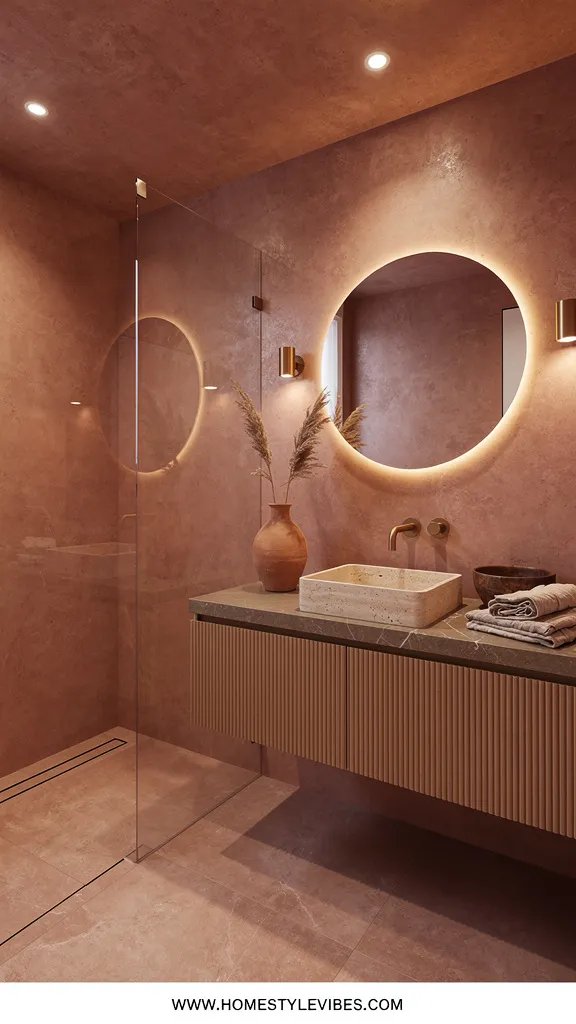
You want warmth that doesn’t feel pumpkin-spice seasonal. Terracotta blush—more clay than coral—adds sun-kissed energy in a way that flatters skin tones and brings life to a windowless bath. It’s modern Mediterranean meets cozy boutique inn. Aged bronze provides earthy contrast, and a touch of fluted wood introduces artisanal texture without clutter.
Why this works in tight quarters: mid-warm tones compress visual noise and create a continuous envelope of color, especially if you paint walls and trim the same hue. Terracotta blush loves soft, indirect light; even a single sconce can make it read candlelit. Photography benefits from the warm-cool friction between clay walls and white porcelain fixtures, plus the vertical striation of fluting that adds depth.
Variations: On a budget, paint only the upper wall terracotta blush, keep white lower tile, and add a fluted wood soap tray for texture. Darker mood? Go deeper clay on the vanity and pair with cream walls. Renter-friendly? Terracotta shower curtain, aged bronze knobs, and a fluted adhesive panel on a cabinet door.
Budget Breakdown:
- Terracotta blush paint (1 gallon): $50–$85
- Aged bronze faucet + hardware: $180–$420
- Fluted wood vanity panel or trim kit: $100–$280
- Cream stone-look floor tile: $2–$6/sq ft
- Thick cotton terry towels (ivory): $40–$120
Total Estimated Cost: $370 – $1,105
Best For: Homes that lean warm, boho, or Mediterranean; busy families who want a forgiving, stain-friendly color; powder rooms that need personality.
Key Design Elements:
- Main materials: terracotta paint, aged bronze, fluted wood
- Color palette: clay blush, cream, deep bronze, warm sand
- Lighting strategy: warm, diffused sconces; avoid stark overhead-only
- Furniture silhouettes: rounded vanity corners, arched mirrors
- Texture layers: fluted ridges, nubby towels, matte walls
- Accent details: olive branch in a clay vase, travertine tray
Why This Looks Expensive: Textural contrast. The fluted wood reads bespoke, and pairing it with terracotta’s pigment depth suggests custom millwork even if it’s a DIY panel.
How To Recreate This Look:
- Start by painting walls (and trim) terracotta blush to create a continuous field.
- Add aged bronze hardware for earthy gravity and patina over time.
- Layer a fluted detail on the vanity or a wall panel to introduce artisan texture.
- Install warm, shaded sconces to flatter the clay undertones.
- Style with ivory textiles, a small clay vessel, and a travertine catchall.
One Thing To Avoid: Don’t pair terracotta with blue-gray metals; it can read muddy. Commit to warm metals and cream-based neutrals for harmony.
Pro Styling Tip: Shoot with a slightly higher angle to catch the ribbed shadows on fluted panels—those tiny shadows read as high craft in photos.
Confession time: I once painted a client’s powder room a bright peach. It looked incredible at 2 p.m. and terrible at 8 p.m. The switch to a softer terracotta blush with warmer bulbs fixed everything. Lighting and undertone matter—so much more than the swatch on your phone.
7. Greige Stonewash With Brushed Nickel and Linen Layers
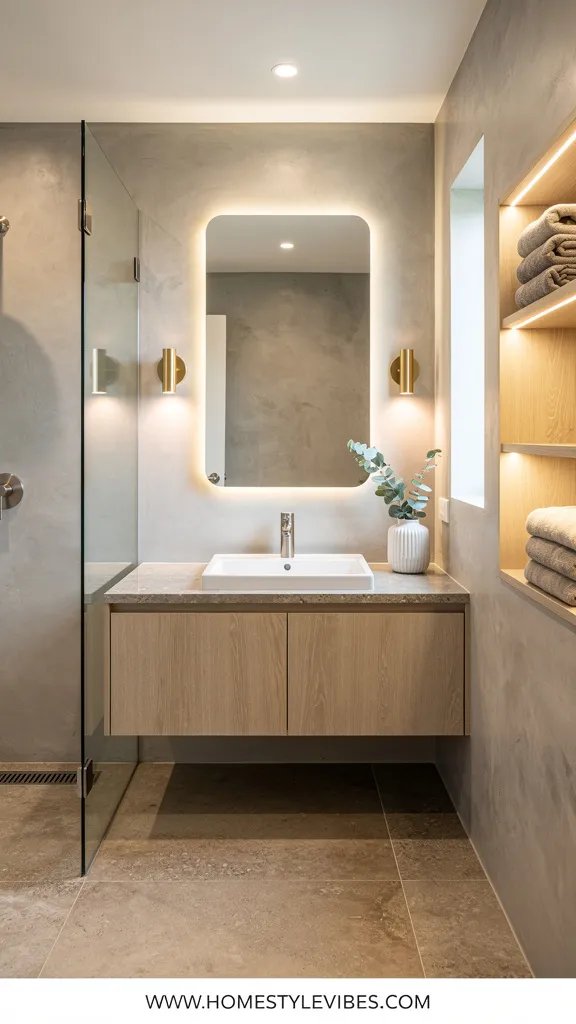
You love minimalism, but your beige phase felt blah and gray felt cold. Greige stonewash is the bridge: a gentle neutral with the softness of limestone and the clarity of a well-pressed linen shirt. It’s calm, unfussy, and makes small baths read airier because it sits in that forgiving mid-light zone. Brushed nickel adds quiet structure, while layered linens and pale oak or ash give it a lived-in, tactile warmth.
This color thrives in mixed-light spaces—those awkward baths with one small window and a cool LED overhead. Greige absorbs and balances shifts, so the room never feels too yellow or too blue. For photography, greige provides a beautiful backdrop that makes foliage, wood, and stone pop without any harsh edges. Resale-wise, this is the safest of all bathroom colors: it appeals across styles from Scandinavian to transitional.
Variations: Budget version with just paint, a nickel shower rod, and new textiles. Want depth? Limewash the vanity in a similar greige for subtle movement. Renter-friendly? Large neutral peel-and-stick tiles on the floor and a fabric-wrapped storage stool to layer texture without permanent changes.
Budget Breakdown:
- Greige paint or limewash (1 gallon): $60–$120
- Brushed nickel faucet + hardware: $160–$380
- Linen shower curtain + towels: $70–$200
- Light ash/oak floating shelf: $40–$120
- Neutral stone soap dispenser and tray: $25–$70
Total Estimated Cost: $355 – $890
Best For: Condos and family homes seeking a calm, neutral bath that photographs well year-round; great when selling or renting.
Key Design Elements:
- Main materials: greige paint or limewash, brushed nickel, linen, pale wood
- Color palette: warm gray, stone, pale oak, soft white
- Lighting strategy: balanced 3000K bulbs, frosted shades for diffusion
- Furniture silhouettes: simple slab-front vanity, thin framed mirror
- Texture layers: linen, limewash movement, honed stone
- Accent details: small olive tree cutting, ceramic tray, pale woven hamper
Why This Feels Designer: Neutral-on-neutral reads intentional when you vary texture: matte walls, nubby linen, and soft metal. It’s restraint done right, which always photographs like money.
How To Recreate This Look:
- Start with a balanced greige on walls; test under both day and night light.
- Add brushed nickel hardware and a slim-profile mirror to keep lines clean.
- Layer linen in towels and a curtain for breathable texture.
- Install a pale wood floating shelf to break up wall planes and add warmth.
- Style with a stone tray, a simple ceramic, and one sprig of greenery.
The Most Common Mistake: Choosing a greige that turns purple in evening light. Always test large swatches with your actual bulbs. If it flashes lavender, go a touch warmer.
Pro Styling Tip: Steam the linen curtain so it falls in gentle vertical waves—those lines create subtle shadow play that makes small baths look taller on camera.
Remember: you don’t need to master every detail on day one. Start with the wall color; live with it for a week; then add hardware and textiles. Design grows in layers, just like good outfits and good habits.
Quick Checklist
- Choose one bathroom color family that suits your light: warm white, sage, buttercream, charcoal, misty blue-gray, terracotta, or greige
- Test large paint swatches under your actual bulbs and at different times of day
- Commit to one metal finish and repeat it for cohesion
- Use dimmers or 2700–3000K bulbs for flattering skin tones
- Add one textural statement: fluted wood, linen, honed tile, or limewash
- Keep grout a half shade darker than tile for a custom look
- Mount shower rods high to visually raise the ceiling
- Use larger-format tile in small baths to reduce visual seams
- Limit your accent colors to one or two, repeated thoughtfully
- Style with one plant or branch for life and a small stone tray for order
Frequently Asked Questions
How do I pick the right bathroom color if my space has no natural light?
Choose warm-toned neutrals like cloud-soft white, buttercream, or greige and pair them with 2700–3000K bulbs. Test swatches under your exact lighting; avoid cool daylight bulbs that make colors look flat and clinical.
Can a dark color like charcoal really work in a tiny bathroom?
Yes. Painting walls and ceiling charcoal removes visual breaks and creates a cozy, jewel-box effect. Add warm metals, high-contrast stone, and layered lighting so the darkness reads intentional, not gloomy.
I’m on a tight budget. What gives the biggest visual change fast?
Paint plus lighting tweaks. Repaint walls and swap bulbs for the right color temperature. If you can, add a new mirror and consistent hardware; those four moves can make a small bath look finished for under $400.
What bathroom colors help with resale value?
Warm white, misty blue-gray, and balanced greige appeal widely and photograph well on listings. Keep hardware consistent and avoid extreme contrast that might feel too taste-specific.
What if I rent and can’t make permanent changes?
Use peel-and-stick tile for floors or niches, removable wallpaper for a feature wall, tension-mounted shelves, and swap-friendly hardware. Bring in color with textiles and a high-mounted shower curtain to reshape the room visually.
Bringing It Home
Here’s the secret: luxury comes from texture, lighting, and restraint. The right bathroom color sets the stage, but it’s the soft matte finishes, the quiet gleam of a single metal, and the way light touches a wall at dusk that make it feel special. Pick the color story that pulls at you—maybe sage for calm, buttercream for glow, or charcoal for drama—and start with paint this weekend. One step. Then the mirror. Then the hardware. Layers, not leaps.
I tried the greige stonewash in my own guest bath last fall, swapped in 3000K bulbs, and honestly couldn’t believe the difference—no more weird blue mornings. A friend agonized for weeks over “the perfect white,” only to realize her trim was the wrong temperature. A quick repaint and a dimmer changed everything. Small shifts, big impact.
You don’t need a massive budget or a contractor on speed dial. Choose one of these bathroom colors, commit to two supporting materials, and keep your styling simple. You’ve got this. Your smallest space is about to look beautiful—and feel like yours, every single day.

About the Author

Krisztina P.Rendes, Founder of Home Style Vibes
Founder of Home Style Vibes
Krisztina Puskásné Rendes created Home Style Vibes as a cozy-modern lifestyle space where homemaking meets inspiration. Her goal is to help women create beautiful, organized, and peaceful homes they truly love — without overwhelm. You’ll find here heart-driven content on home decor, cleaning tips, easy family recipes, organization and decluttering, DIY home projects, plants, and seasonal ideas — all designed to bring more calm, comfort, and style into everyday life.