5 Budget Diy Chicken Coop Ideas That Cost Almost Nothing to Build
You want a charming, safe spot for your hens that doesn’t scream “rushed weekend project” or “I raided the scrap pile at dawn.” You’re craving that sun-washed, farmhouse-meets-stylish-yard moment—soft wood grain, dappled light through wire, a hint of black hardware—and you need it for basically zero dollars. These 5 Budget DIY Chicken Coop Ideas that cost almost nothing to build turn found materials into photogenic, practical little homes that solve the big pain point: ugly coops that fall apart and make daily care a hassle. We’ll finesse airflow, create easy-clean layouts, and layer textures so your flock’s space looks considered, not cobbled together.
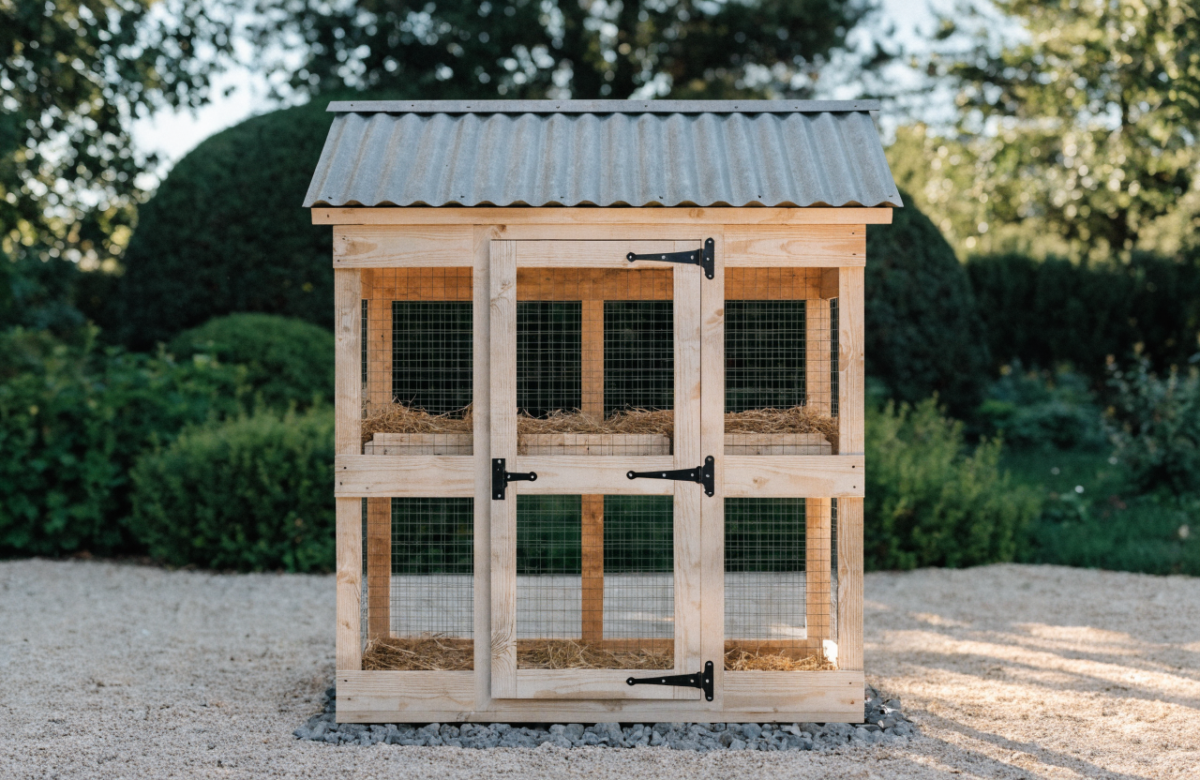
Consider this your blueprint to a Pinterest-worthy coop upgrade. Expect detail: reclaimed palettes with matte black hinges; corrugated panels that shimmer at golden hour; limewash that makes shadows go moody and cinematic. Each idea stands alone—completely different and complete—so you can match one to your yard, your climate, and your hens’ habits. If you love resourceful design with soul, and you want a yard that photographs beautifully when the light hits at 5 p.m., you’re in the right place.
1. Rustic Pallet Cottage With Dutch-Door Charm
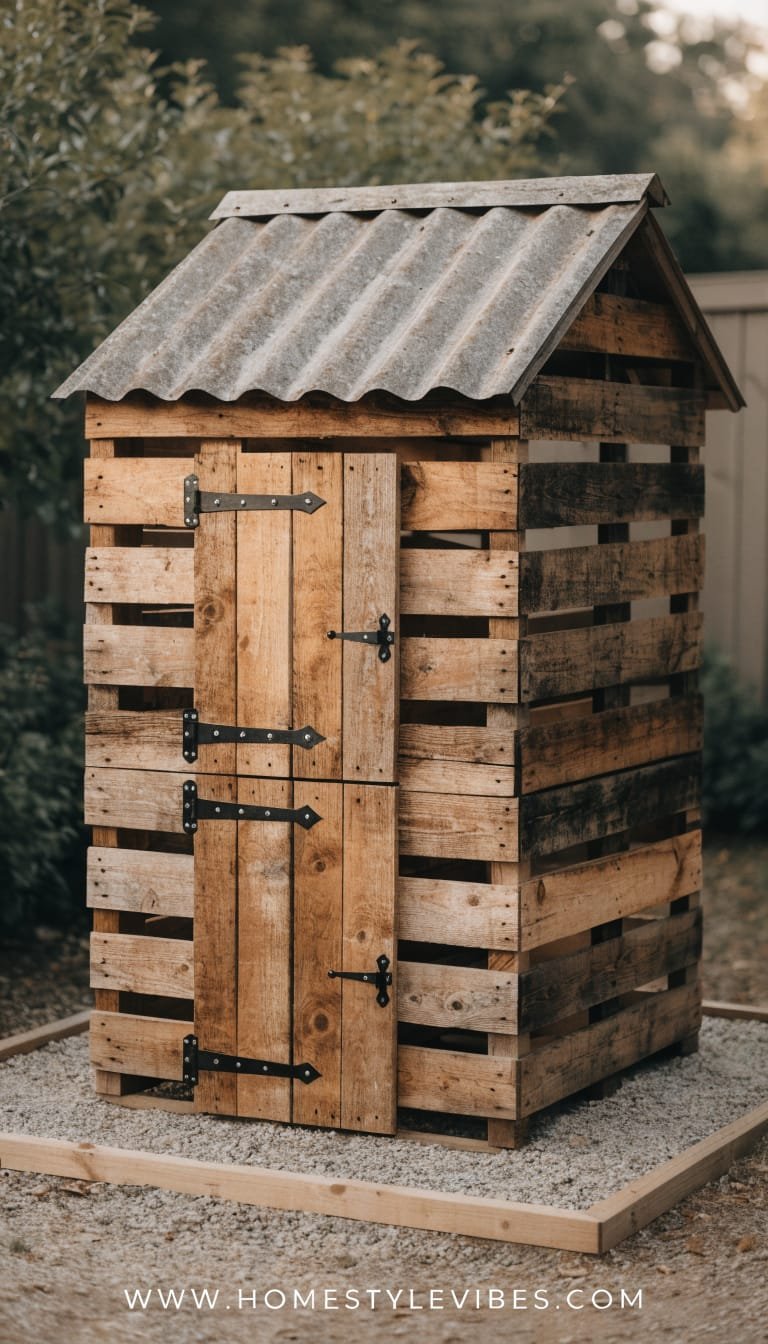
We’ve all been there: you grabbed some old pallets, nailed them into a box, and… now your “coop” looks like a shipping crate with opinions. This Rustic Pallet Cottage turns those pallets into a real moment—think warm wood slats, a split Dutch door, and a little angled roof that catches the light. The mood feels nostalgic and handcrafted, like a tiny woodland cabin in your backyard. It works beautifully in tight yards, and the ventilation runs through the slatted structure so your hens stay comfortable. Early mornings feel storybook when sun filters through the gaps and lands in stripes across the straw.
Why it works at home? Pallets cost nothing (ask local stores), and the modular size keeps the footprint compact. Add a window cutout from a scrap frame and you’ve got a feathery B&B. Lighting transforms it—paint the door a moody off-black or sage, and that matte finish gives designer contrast against raw wood. String a single solar fairy light inside for twilight glow that helps you check in at night without blinding the flock.
Why It Looks Expensive: Uniform slat direction and a centered Dutch door mimic custom millwork. Keep the palette restricted—raw wood, one statement door color, and black metal hardware. That restraint reads high-end, not hodgepodge.
Materials dominate: pallet boards, 2x2s for framing, hardware cloth for windows, leftover asphalt shingles or corrugated plastic for the roof. The layered textures photograph beautifully: matte wood, faint sheen on metal, straw softness. Variations? Budget-friendly: skip the shingles and use overlapping pallet slats. Small-space: make it narrow with a fold-down side panel for egg access. Renter-friendly: build the coop on skids so it moves without tearing up the lawn.
Key Design Elements:
- Main materials: Pallets, 2×2 pine, hardware cloth, salvaged hinges/hasps
- Color palette: Raw wood, off-black or sage door, galvanized metal accents
- Lighting strategy: Solar fairy light inside; morning light through slats
- Furniture silhouettes: Boxy cottage body, angled shed roof, split Dutch door
- Texture layers: Rough wood grain, wire mesh, asphalt shingle grit, straw
- Accent details (hardware, decor pieces, plants): Black hinges, a wooden sign, potted lavender
How To Recreate This Look:
- Start with a pallet base: Attach two pallets side-by-side on scrap skids to raise the floor and deter moisture.
- Add framing: Use 2x2s at corners and midpoints; screw pallet panels vertically to create walls.
- Layer ventilation: Cut a window opening high on one wall; cover inside with hardware cloth; add a small overhang.
- Install a Dutch door: Split a salvaged door or build two half-height doors from pallet planks; add diagonal braces.
- Style with a statement color: Paint the door off-black; attach black hardware; tuck a herb planter near the entry.
Why This Looks Expensive: Alignment is everything. Keep slats consistent and edges clean; repeat black hardware to create rhythm. The split door adds a bespoke touch you usually only see on pricey coops.
Common Mistakes To Avoid: Don’t rely on chicken wire for predators; use hardware cloth. Avoid gaps bigger than 1/2 inch. Seal edges where rain hits most to prolong the wood’s life.
Pro Styling Tip: Shoot at sunrise for long shadows across the slats; angle slightly so the Dutch-door paint color pops against the raw wood.
Ready for something sleeker and storm-proof? Scroll on—our next design turns scrap roofing into a minimalist coop that shrugs off weather.
2. Corrugated Cabin With Rain-Chain Water Feed
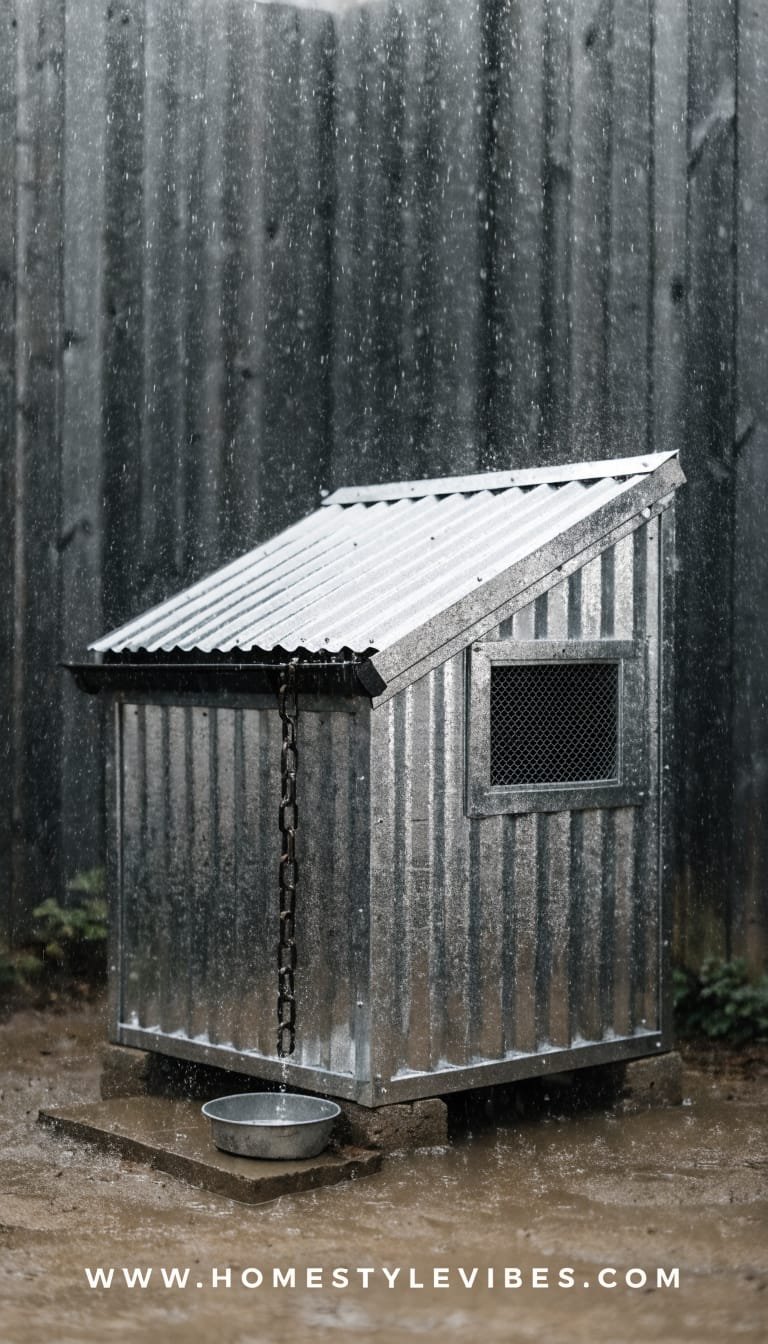
It’s that one yard corner that always becomes a mud pit. You’ve tried tarps and they flap like angry flags, you’ve tried plastic bins and they look… like plastic bins. Enter the Corrugated Cabin: a streamlined little shelter wrapped in salvaged corrugated metal, with a gently sloped roof and a clever rain-chain that fills a water pan for the flock. The mood feels modern utility-meets-cabin chic—quietly confident, metallic highlights, and crisp roof lines. It’s perfect for rainy climates and low-maintenance routines.
Why it works? Corrugated metal costs next to nothing when reclaimed, cleans easily, and reflects light so the coop stays bright. Add a front shade awning for dry feed access and you suddenly have a year-round setup. In harsh light, metal takes on a pearly glow; at dusk, it turns inky and dramatic—seriously photogenic. Families love the easy hose-down clean, and resale appeal rises because the structure doubles as a tool shed later.
Why It Looks Expensive: Monochrome magic. Keep the palette tight—zinc, charcoal, and one warm wood accent like a cedar perch. That sharp contrast screams designer restraint, not budget limitation.
Materials dominate: corrugated sheets, 2×3 framing, leftover pavers for a dry threshold, clear polycarbonate for a tiny clerestory window. Variations? Budget-friendly: mix metal with repurposed billboard vinyl for the roof. Small-space: reduce depth and add a fold-out roost. Darker version: paint the frame charcoal and let the metal patina.
Key Design Elements:
- Main materials: Corrugated metal, 2×3 lumber, hardware cloth, rain chain, pavers
- Color palette: Zinc/galvanized silver, charcoal, warm cedar accent
- Lighting strategy: East-facing clerestory panel for soft morning light; reflective interior
- Furniture silhouettes: Rectilinear cabin, low-slope roof, minimal awning
- Texture layers: Ribbed metal, smooth pavers, knotted rope rain chain, cedar
- Accent details: Black L-brackets, galvanized buckets, a simple house number plaque
How To Recreate This Look:
- Start with a gravel pad: Dig 2 inches, fill with pea gravel for drainage; set pavers at the entry for mud control.
- Add a simple frame: Build a rectangle with 2x3s; include a shallow 1:12 roof pitch.
- Layer corrugated skin: Screw metal panels horizontally for a cabin vibe; seal seams with butyl tape if needed.
- Install a rain chain: Direct the roof drip to a chain that terminates at a shallow water dish on a paver.
- Style the entry: Mount a cedar perch under a slim awning; hang a galvanized feeder; keep decor minimal.
Why This Looks Expensive: Flush edges and hidden fasteners elevate everything. Where possible, align panel ribs and use black screws or cap them for a clean line. The clerestory reads architectural, not makeshift.
Common Mistakes To Avoid: Don’t skip a drip edge; water will find seams. Avoid placing the water pan where droppings fall; offset it from roosts and nest zones.
Pro Styling Tip: Photograph on an overcast day—the metal’s soft reflections look editorial and you’ll avoid glare hot spots.
If metal feels too industrial, get ready. Our next build leans cottagecore with a garden skirt that keeps predators out and charm levels up.
3. Garden-Frame Coop With Arched Trellis Run
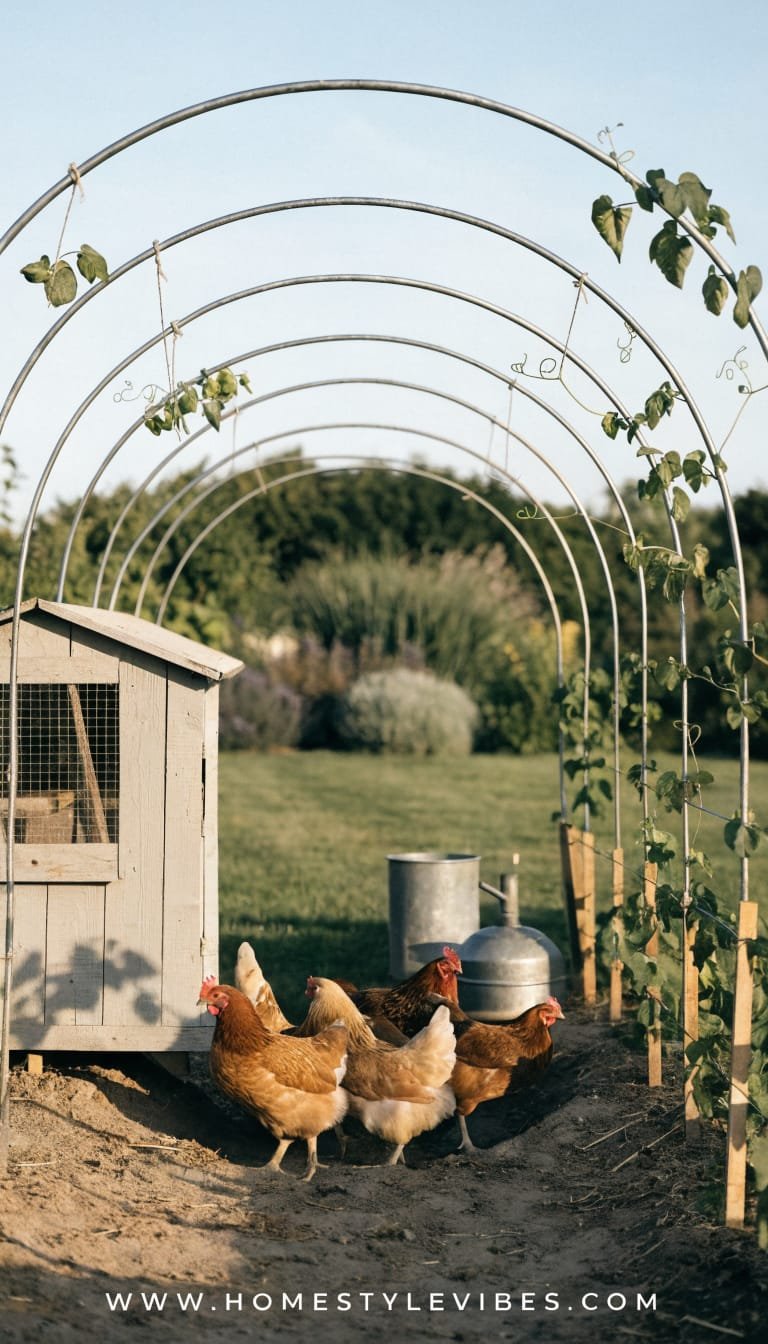
You’ve tried draping netting over your run, but it sags, tangles, and ruins the vibe. This Garden-Frame Coop uses found garden fencing and arched cattle panels or salvaged wire frames to create a graceful tunnel run that feels like a potager walkway. The mood is botanical and airy—greenery climbing up, dappled shade below, hens dust-bathing in filtered light. It turns the coop area into a backdrop for your entire yard, honestly.
Why it works in real homes? It’s lightweight, modular, and great for small yards because the vertical arches make space feel taller. Add vines like peas or morning glories for shade and bug-interest. At golden hour, tendrils throw lacy shadows and it photographs like a lifestyle shoot. Parents love the clear sightlines, and the arched run doubles as a seasonal trellis if you ever rehome the flock (we won’t tell).
Why It Looks Expensive: Curves. Arches read custom and intentional. Keep the frame symmetrical and add one crisp accent color—like a French green latch or a salvaged copper finial—to steer the aesthetic.
Materials dominate: arched fence panels, garden stakes, reclaimed 1×3 slats for the coop body, landscape edging stones, and hardware cloth skirt buried at the base. Variations? Budget-friendly: use flexible PVC conduit for arches and wrap with wire. Small-space: short tunnel that connects a simple nest box to a micro-run. Renter-friendly: build the run as a standalone arched cage you can lift and move.
Key Design Elements:
- Main materials: Cattle panel or flexible conduit, garden wire, 1×3 slats, hardware cloth
- Color palette: Soft herb greens, raw wood, copper or brass accent
- Lighting strategy: Filtered vine shade; align arches east–west for dappled pattern play
- Furniture silhouettes: Low coop box, tall arched tunnel, slim gate
- Texture layers: Vine leaves, wire mesh, sandy earth, stone edging
- Accent details: Copper caps on posts, painted latch, terracotta pots flanking the gate
How To Recreate This Look:
- Start with the base: Lay a hardware cloth skirt flat around the footprint and pin with landscape staples; cover with soil or stones.
- Add arches: Bend cattle panels or conduit to form 6–7 ft arches; secure into the ground with T-posts or rebar.
- Build the coop box: Screw 1×3 slats onto a simple 2×2 frame with a hinged lid for nest access; mount to one end of the tunnel.
- Wrap and gate: Enclose arches with garden wire; add a small framed gate with a latch at the front.
- Style with plants: Train vines up the sides; place terracotta pots along the run; add a crushed-gravel path for easy cleaning.
Why This Looks Expensive: The arched rhythm plus plants equals boutique-farm aesthetic. Repeating curve lines and a single metallic accent create visual coherence worthy of a magazine feature.
Common Mistakes To Avoid: Don’t forget predator-proofing at ground level—bury or skirt hardware cloth. Avoid overcrowding vines on all sides; you want airflow to keep hens dry.
Pro Styling Tip: Snap photos when vines just start flowering—color pops against the neutral coop and wire textures, giving depth without clutter.
Prefer wood-forward and cabin-cozy? The next build feels like a Scandinavian sauna for chickens—warm, simple, quietly beautiful.
4. Scandinavian Crate Coop With Lift-Up Cleaning Wall
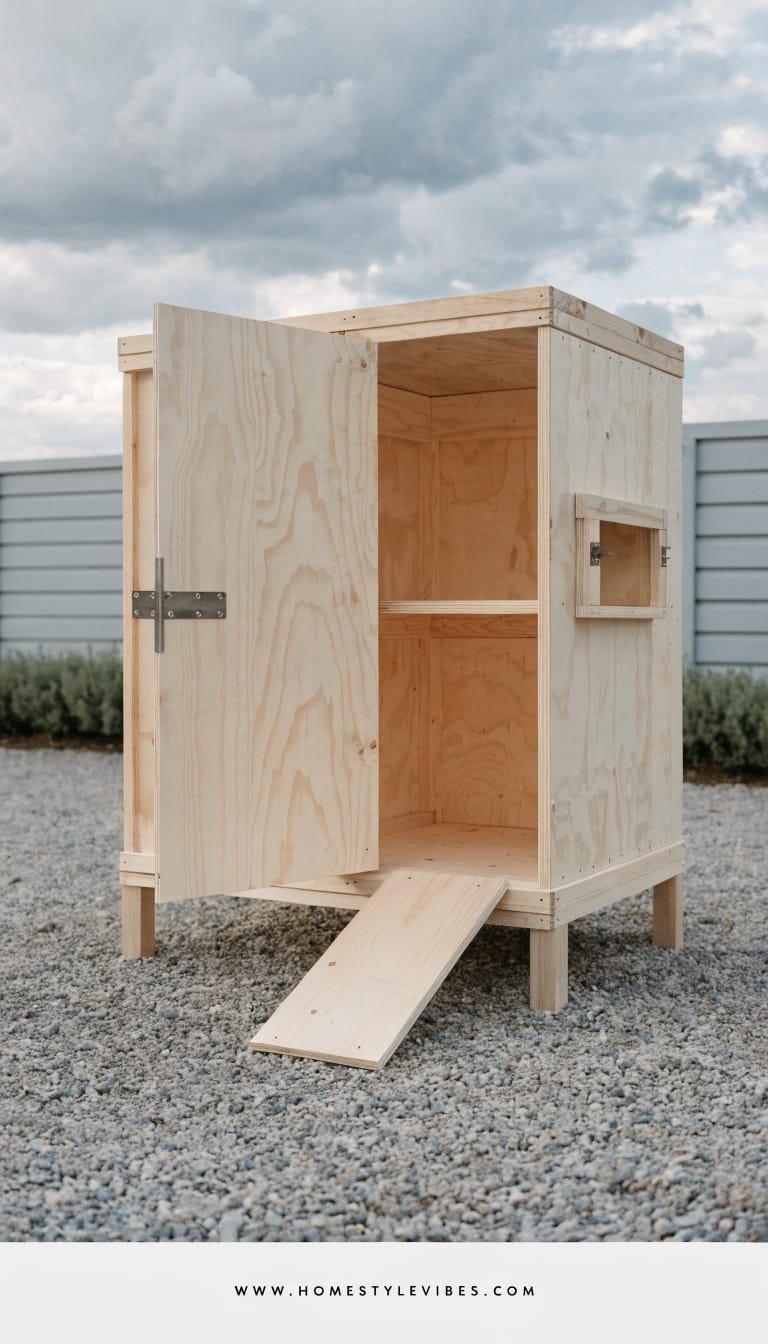
You’ve swept, scooped, and somehow it still smells… barn-ish. You need easy clean, fast access, and simple lines you won’t hate seeing from the kitchen window. The Scandinavian Crate Coop takes free fruit crates or shipping crates and stacks them into a tidy, elevated box with a full lift-up side panel. It delivers an unfussy, serene mood: pale wood, simple hardware, everything crisp and calm. Perfect for small spaces and people who prioritize cleanup speed.
Why it works? Crates give you instant modular walls; add a removable poop board and droppings disappear in under a minute. Keep the palette pale and unified—soft pine, muted gray hinges, and a whisper of whitewash. Midday light bounces around the interior so hens stay active; at night, a single warm LED glows like a lantern (solar-powered, of course). The design reads like thoughtful furniture, which raises curb appeal and future resale flexibility.
Why It Looks Expensive: Minimalism done right. Uniform boards, concealed joints where possible, and a single lift-up plane feel engineered. The whitewash diffuses grain and softens imperfections.
Materials dominate: crates, 1×2 cleats, piano hinge for the wall, hardware cloth panels, leftover laminate or linoleum for the floor (easy wipe). Variations? Budget-friendly: standard hinges with a prop stick instead of a piano hinge. Darker version: soot-colored exterior paint with pale wood interior. Renter-friendly: put the whole unit on a simple dolly base to roll for lawn rehab.
Key Design Elements:
- Main materials: Shipping crates, 1×2 cleats, piano hinge, hardware cloth, laminate scrap
- Color palette: Pale pine, cloud whitewash, soft gray hardware
- Lighting strategy: East-facing vent, warm solar puck inside; reflective interior surfaces
- Furniture silhouettes: Clean rectangle, lift-up wall, thin-line legs
- Texture layers: Smooth whitewash, grippy laminate floor, wire grid, soft bedding
- Accent details: Leather pull on the wall, simple peg rail for tools, a tiny cedar ramp
How To Recreate This Look:
- Start with a frame: Build a 2×2 rectangle platform; add short legs or place on concrete blocks to elevate.
- Add crate walls: Screw crates together into panels; mount to the frame; reinforce corners with L-brackets inside.
- Layer the floor: Cut laminate scrap to fit; caulk edges lightly so liquid doesn’t seep.
- Install the lift wall: Attach the largest panel with a continuous hinge along the top; add a prop arm or chain.
- Style the exterior: Thin whitewash, gray hinges, a small peg rail; keep decor minimal for the calm vibe.
Why This Looks Expensive: The hinge creates a monolithic plane that lifts cleanly—almost like bespoke cabinetry. Repeating pale tones and hidden mess zones sell the “custom” narrative.
Common Mistakes To Avoid: Don’t skip cross-bracing; crates can rack out of square. Avoid glossy paint inside—matte finishes reduce glare and stress for hens.
Pro Styling Tip: Shoot straight-on with negative space around the coop; the clean lines and pale palette love a minimalist composition.
Want whimsy and portability? The next design turns a broken bike trailer into a boho-chic chicken caravan that makes the whole neighborhood smile.
5. Upcycled Chicken Caravan From a Bike Trailer
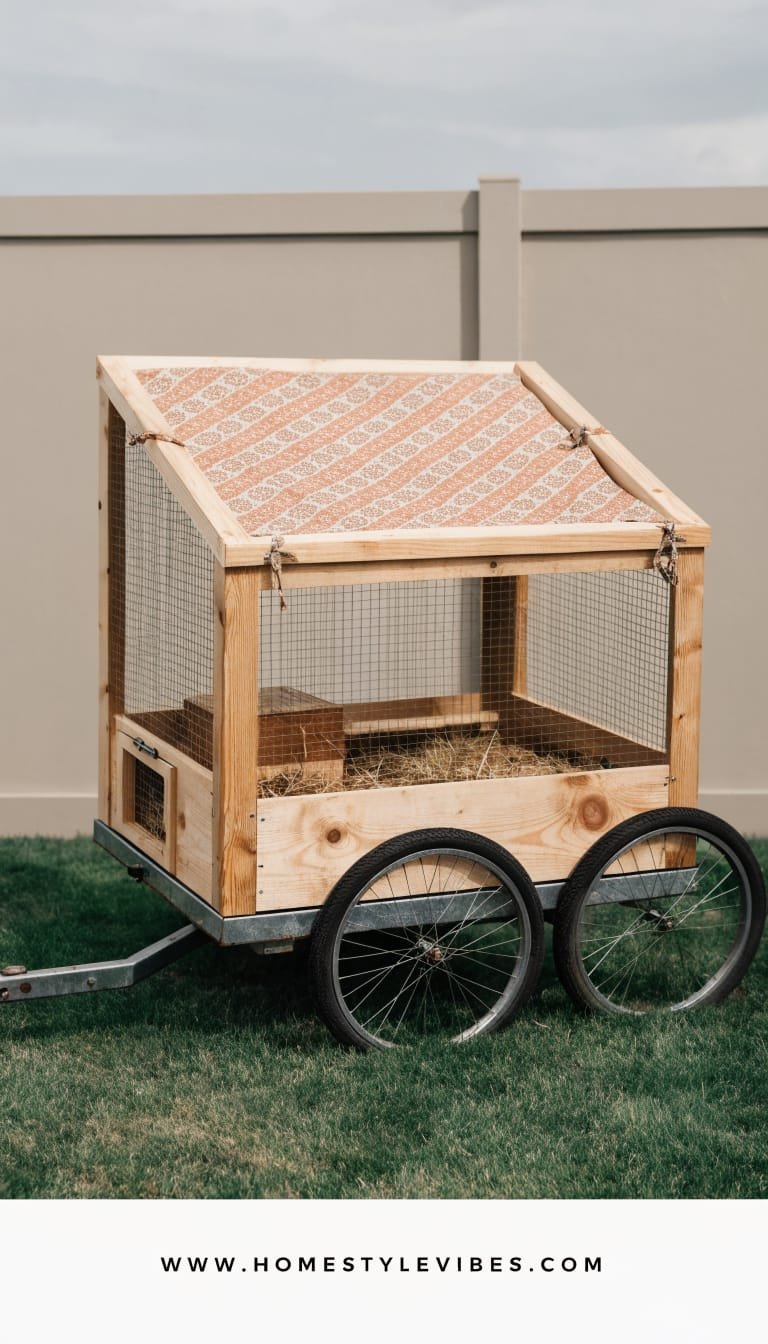
You’ve tried moving your coop by dragging it, and the lawn still bears the scars. You want mobile, you want charming, and you want it without a $600 “tractor” price tag. The Upcycled Chicken Caravan uses a battered bike trailer frame as the base for a rolling mini-coop with a mesh sunroof and a patterned fabric shade. The mood? Boho farmette meets urban cleverness. It’s playful, super functional, and perfect for rotating your flock across fresh grass while keeping design vibes high.
Why it works in real homes: It’s feather-light to move, and the small footprint fits tight yards and side passages. You get fresh grazing, which keeps feed costs down and hens happy. Morning light filters through the mesh like a soft scrim; at sunset, the silhouette looks editorial-level cute. If you ever need to store it, detach the upper box and hang it on garage hooks.
Why It Looks Expensive: A consistent color story with patterned shade fabric transforms the piece from “DIY cart” to “custom mobile habitat.” Repetition of rounded corners and arched mesh top adds refinement.
Materials dominate: bike trailer or garden cart base, lightweight 1×2 frame, hardware cloth, scrap plywood for nest area, leftover outdoor fabric for the shade. Variations? Budget-friendly: old stroller base with a simple skid. Small-space: half-length version that parks on balconies (yes, a tiny quail coop idea if you pivot species). Renter-friendly: the ultimate—move it anywhere without digging.
Key Design Elements:
- Main materials: Bike trailer frame, 1×2 lumber, hardware cloth, outdoor fabric, small casters (optional)
- Color palette: One bold frame color (teal or mustard), natural wood, black mesh
- Lighting strategy: Mesh roof for soft daylight; roll-out shade for heat control
- Furniture silhouettes: Rounded top box, slim legs, compact nest nook
- Texture layers: Woven fabric shade, wire mesh, smooth painted frame, fresh grass
- Accent details: Leather handle wrap, brass bell (yes, for style), plant crate hitch
How To Recreate This Look:
- Start with the base: Remove any fabric from the trailer; check wheels and bearings; add a plywood deck if needed.
- Add a lightweight frame: Build a 1×2 rectangle with curved roof ribs (laminated thin strips or bent conduit).
- Wrap with mesh: Staple hardware cloth around sides; add a hinged solid panel at the back for nest access.
- Install shade: Create a roll-up awning from outdoor fabric; secure with Velcro strips or snaps.
- Style the finish: Paint the frame one joyful color; add a leather-wrapped handle and a small crate up front for feed.
Why This Looks Expensive: Curves plus a single saturated color read intentional and boutique. The fabric shade echoes high-end pram design—unexpected, delightful, and totally doable with scraps.
Common Mistakes To Avoid: Don’t skimp on wheel alignment; a wobbly caravan is misery. Avoid bulky lumber that adds weight; keep it light so one person can move it.
Pro Styling Tip: Photograph on fresh-cut grass with the shade half-rolled; the curve and shadow gradient create magazine-worthy depth.
Still deciding? Here’s a small nudge: picture your hens stepping into morning light, dust motes floating, the coop door creaking softly like a well-loved cottage. Each of these Budget DIY Chicken Coop Ideas that cost almost nothing to build trades chaos for calm and clutter for character. You don’t need a big budget; you need intention—consistency in materials, a clear color story, thoughtful airflow, and one or two smart features that make daily care feel easy.
Pick one concept and commit. If you crave rustic romance, that pallet Dutch door will make you smile every sunrise. If you want low-maintenance and weather-proof, corrugated metal is your forever friend. Love plants? The arched trellis run turns chores into a garden stroll. Need fast cleaning? The Scandinavian crate with a lift-up wall is your interior-design-meets-sanity move. And if you like a little whimsy (and greener grass), the caravan wins—IMO, rolling your hens to breakfast never gets old.
Luxury in a coop doesn’t come from spending; it comes from texture, lighting, and restraint. Let wood be wood. Let metal glint. Keep colors controlled. Layer shadows and soft edges so your photos—and your daily walks to the coop—feel calm and considered. Your flock gets a safe, beautiful home. You get a backyard moment that feels crafted, photogenic, and deeply you. Now go build the one that makes your heart—and your hens—happy.

About the Author

Krisztina P.Rendes, Founder of Home Style Vibes
Founder of Home Style Vibes
Krisztina Puskásné Rendes created Home Style Vibes as a cozy-modern lifestyle space where homemaking meets inspiration. Her goal is to help women create beautiful, organized, and peaceful homes they truly love — without overwhelm. You’ll find here heart-driven content on home decor, cleaning tips, easy family recipes, organization and decluttering, DIY home projects, plants, and seasonal ideas — all designed to bring more calm, comfort, and style into everyday life.