7 Best Coffee Tables for Living Room That Look Designer on Any Budget
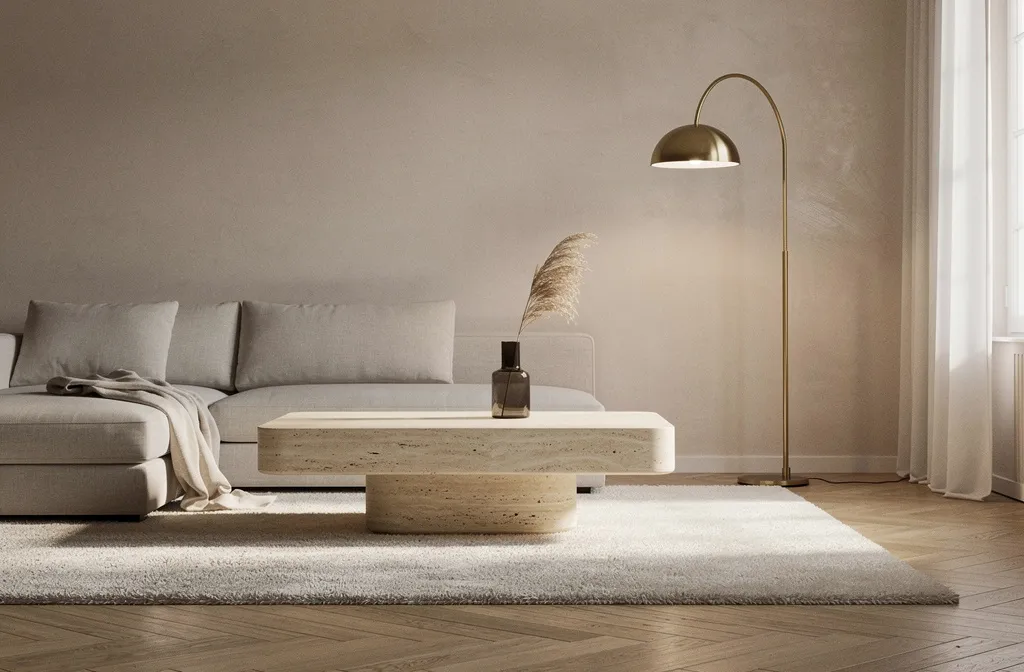
You want a coffee table that anchors your living room like a gallery piece. You hate that every option either looks flimsy, too shiny, or too safe. Picture soft morning light catching on a stone edge, a quiet gloss on wood grain, a shadow line that makes the room actually feel finished. These 7 highly photogenic, Pinterest-ready ideas tackle the real frustration: finding a coffee table that feels truly designer without a sky-high price tag.
You’ll get a living room that looks curated, grounded, and expensive within a weekend, and you won’t spend more than $1,200 total on any single design (and most are far less). We’ll talk color, texture, lighting, and styling—in plain language and practical steps. Expect small tweaks that make a big difference and designs that work for apartments, busy families, and homes that need to do it all. If you love a space that feels calm yet editorial, this guide is for you.
1. Soft-Edge Stone Plinth With Quiet Drama
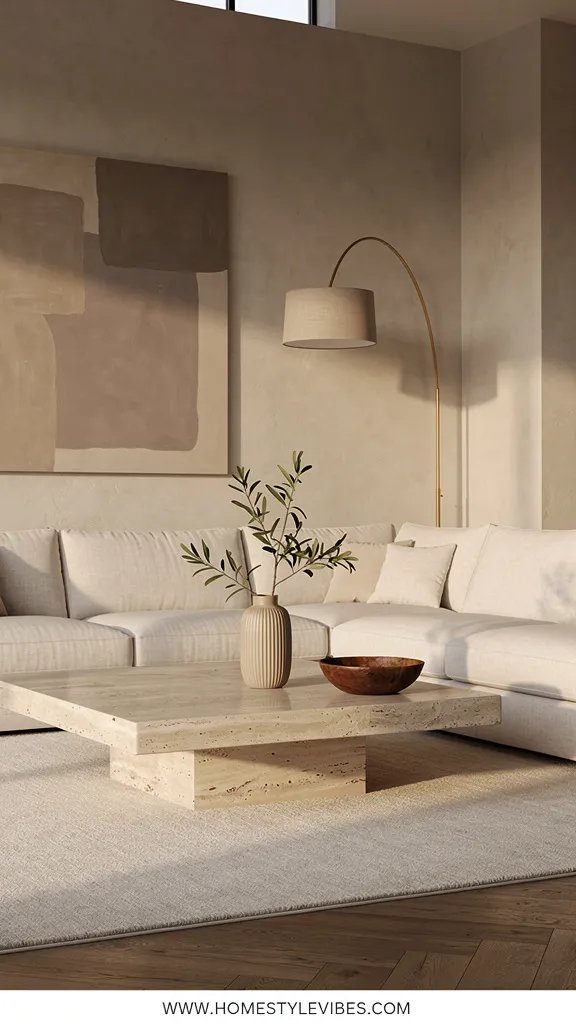
We’ve all been there—your living room looks “fine,” but the middle feels like an afterthought. You’ve tried a basic wood rectangle, but it still reads starter-apartment. This concept uses a low, solid plinth-style coffee table in limestone, travertine, or fossil stone with softened corners. The effect is museum-quality calm: a grounded centerpiece that doesn’t scream for attention, yet everything suddenly looks pulled together.
The mood: modern Mediterranean meets quiet luxury. It works in real homes because the low height keeps sightlines open, the rounded edges are kid-friendly, and the slab top is wipeable. Lighting matters here. Stone loves side-light; a floor lamp grazing across travertine pores creates satisfying shadows and catches in the natural pits for depth. The look photographs beautifully thanks to contrast: matte stone against a moody rug, a black ceramic vessel, and maybe a smoked glass candle to reflect a hint of light.
Materials lead the story: warm travertine, honed limestone, or even a faux-stone resin plinth for a lighter budget. If your room skews small, pick a 34–38-inch round. For larger rooms, a 48-inch low rectangle feels generous and editor-approved. Variations you’ll love: swap real stone for a limestone-look porcelain on a plywood carcass for a renter-friendly version, or go darker with a charcoal soapstone-look finish paired with oatmeal upholstery for a high-contrast editorial edge.
Budget Breakdown:
- Travertine or limestone plinth table: $450–$1,200 (real stone); $180–$450 (faux-stone resin/MDF)
- Minimal tray in black metal: $25–$60
- Oversized ceramic vessel: $45–$120
- Sculptural floor lamp with dimmer: $120–$300
Total Estimated Cost: $370 – $1,680
Best For: Calm, layered living rooms with soft neutrals; families needing rounded edges; rooms that get side light in the morning or late afternoon.
Key Design Elements:
- Main materials: honed travertine, limestone, or stone-look composite
- Color palette: sand, oat, bone, soft gray, espresso accents
- Lighting strategy: side-grazing floor lamp for texture; warm 2700K bulbs
- Furniture silhouettes: low, blocky plinth against curvy sofa or rounded armchair
- Texture layers: wool rug, nubby throw, matte ceramic
- Accent details: single branch in a tall vessel, black match striker, slim metal tray
How To Recreate This Look:
- Start with a low stone or stone-look plinth (12–15 inches high).
- Add a wool or wool-blend rug with a tight loop to contrast the smooth stone.
- Layer one large vessel with a single sculptural branch—keep the surface quiet.
- Install a dimmable floor lamp that washes light across the table in the evening.
- Style with a small black tray and one coffee table book for proportion.
Why This Looks Expensive: The solid, monolithic form telegraphs custom. Honed stone with softened corners diffuses light, creating those nuanced shadows you see in designer homes. Minimal styling lets the material speak—and restraint always reads luxe.
Watch Out: Don’t mix too many finishes on top. Two objects, three max. And avoid glossy lacquer side tables nearby; they’ll fight the honed surface and muddy the mood.
Pro Styling Tip: Angle the table 1–2 inches off-center from the rug to catch a diagonal shadow—your photos instantly feel editorial, not catalog.
2. Sculptural Wood Drum With Inset Shelf (The Cozy-Modern Workhorse)
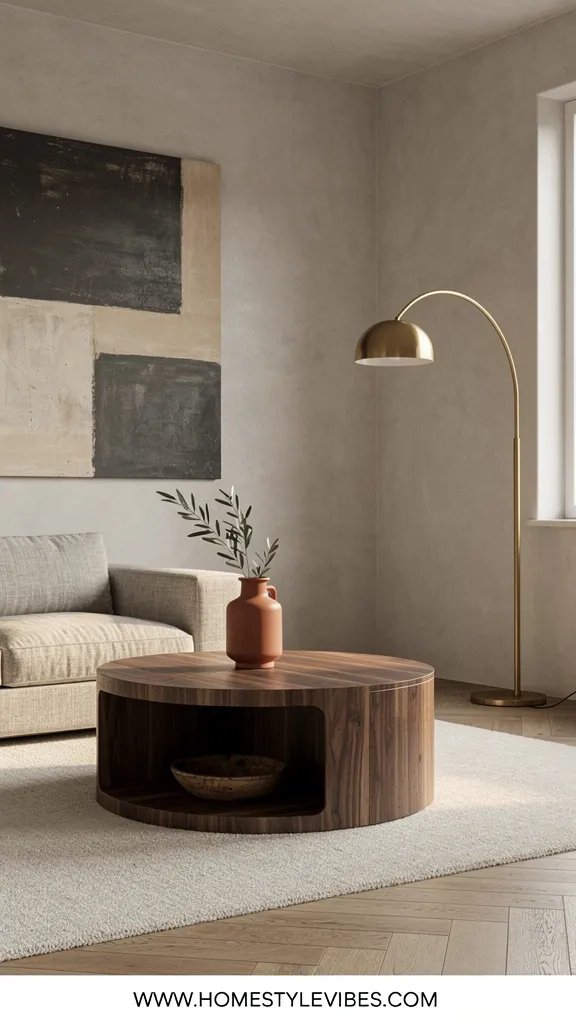
It’s that one corner that always feels off—your sofa’s generous, your rug is great, but the center feels hollow. You’ve tried nesting tables; they shift around and never look intentional. Enter the sculptural wood drum with an inset shelf: bold enough to anchor, warm enough to soften, and practical enough to hide remotes and kids’ crayons.
The mood lands somewhere between Japandi and cabin-chic. Why it works: drums give you 360-degree styling options and no pokey corners. Small space? Round tables create better flow. Lighting plays differently here than on stone: wood grain loves top light. A pendant or ceiling light gives a subtle sheen to oiled oak or walnut, and the curved side catches shadows beautifully for that designer depth in photos.
Materials that make it sing: white oak, walnut, or a deeply grained ash. If you want drama, choose a fluted drum. For airy rooms, go smooth. Budget-friendly trick: pick an MDF drum with a real wood veneer and upgrade the finish with a satin clear coat. Variations: a small-space 28–32-inch drum with a visible shelf for styling, or a moody espresso finish paired with cream boucle seating. Renter-friendly swap: a lightweight hollow drum with felt pads—it glides easily for vacuum day.
Budget Breakdown:
- Solid or veneered wood drum table with shelf: $220–$800
- Satin polyurethane or hardwax oil finish upgrade: $20–$45
- Ceramic catchall + linen coaster set: $25–$70
- Low bowl for fruit or beads: $18–$55
Total Estimated Cost: $283 – $970
Best For: Apartments and family rooms; spaces that need warm texture and hidden storage; great in rooms with center lighting or skylights.
Key Design Elements:
- Main materials: white oak, walnut, or ash veneer
- Color palette: honey oak, walnut brown, chalky creams, rust accents
- Lighting strategy: overhead glow; consider a dimmable surface lamp nearby
- Furniture silhouettes: cloud-like sofa, wood-legged armchairs
- Texture layers: boucle, corduroy pillows, wool rug
- Accent details: fluted edges, linen coasters, matte pottery
How To Recreate This Look:
- Start with a 30–36-inch wood drum; choose fluted for texture or smooth for calm.
- Add a soft, low-pile rug in a solid or micro-berber pattern for grounding.
- Layer a stack of two books and a low bowl; tuck remotes on the inset shelf.
- Install a warm 2700K bulb overhead; swap any bluish bulbs that flatten wood grain.
- Style with a small ceramic catchall and one organic object (stone, beads, branch).
Why This Feels Designer: The cylinder shape reads bespoke and intentional. The inset shelf creates shadow depth and visual negative space that feels custom-built, not big-box.
One Thing To Avoid: Don’t overcrowd the top. Drums look heavy; too many items make them feel clunky. Keep 40% of the surface visibly open.
Pro Styling Tip: Offset your styling cluster by a third, not centered—then snap from sofa height for an editorial perspective with visible grain and curved shadow.
Keep scrolling—next up is a sleek piece that doubles as secret storage, without looking like it.
3. Slim Lift-Top Table in Walnut & Matte Black (The Hidden-Desk Hero)
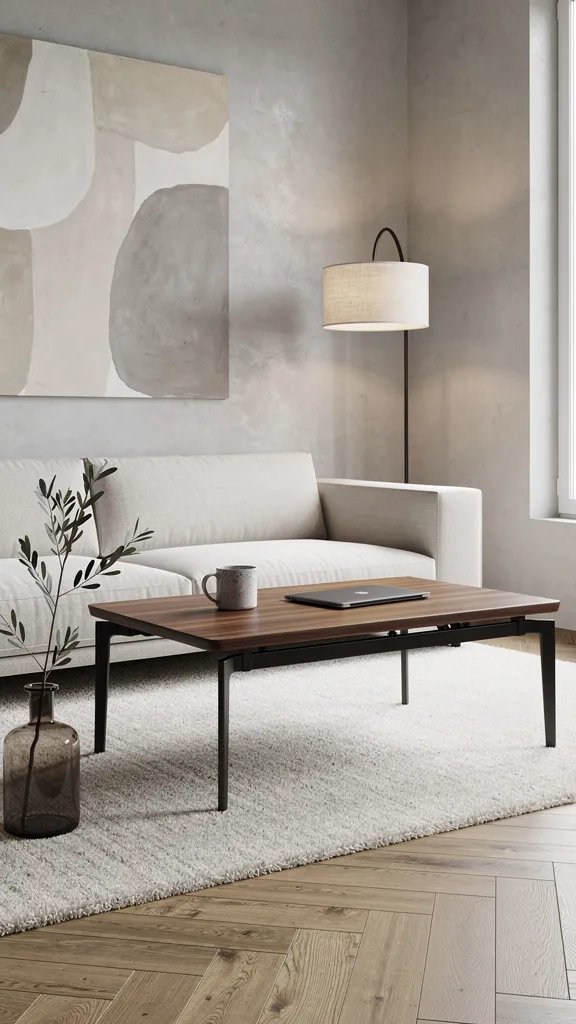
You want a gorgeous living room, but real talk: you sometimes eat dinner or answer emails on the couch. You’ve tried storage ottomans, but they look bulky and casual. A slim lift-top coffee table in walnut with matte black hardware solves the lifestyle puzzle. Closed, it reads sleek and refined. Open, it rises to laptop height so you can work or snack without hunching.
The vibe is modern, tailored, and quietly practical. It works in real homes because the proportions stay slim and the lift hardware stays hidden. Good lighting is key: a table lamp with a narrow beam keeps glare off the walnut while the matte black base swallows light for contrast. The result photographs like a boutique hotel lobby: sharp lines, just enough sheen, strong horizontals.
Material focus: walnut veneer with solid wood edges, matte black steel legs, soft-close hardware. Small-space version: a 42-inch length with tapered legs to show more rug. Darker option: smoked oak finish and bronze hardware. Renter-friendly tweak: choose a model with felt-lined storage and rubber feet to protect your rug.
Key Design Elements:
- Main materials: walnut veneer, matte black steel, soft-close hardware
- Color palette: walnut brown, black, stone gray, a whisper of brass
- Lighting strategy: table lamp with narrow shade; 2700–3000K LED for clarity
- Furniture silhouettes: straight-arm sofa, metal-legged accent chair
- Texture layers: flatweave rug, linen pillow covers, ribbed throw
- Accent details: slim tray, smoked glass candle, bronze bookmark clip
Budget Breakdown:
- Lift-top walnut coffee table: $260–$850
- Matte black desk lamp or table lamp: $60–$180
- Slim leather tray: $35–$90
- Cable organizer/cord box (tuck inside): $15–$30
Total Estimated Cost: $370 – $1,150
Best For: Multi-use living rooms, small condos, renters who need hidden function that still photographs design-forward.
How To Recreate This Look:
- Start with a lift-top table with slim legs and matte black hardware.
- Add a flatweave rug with quiet pattern to echo the table’s straight lines.
- Layer a leather tray and one candle; stash remotes, chargers, and coasters inside.
- Install a table lamp with focused light to reduce top glare while working.
- Style the shelf below (if you have one) with two low books—leave negative space.
Why This Reads High-End: Dual-function pieces that hide their utility feel custom. Matte hardware and tight proportions make it look like a designer commissioned piece, not a utility table.
The Most Common Mistake: Choosing a boxy base with chunky sides. It’ll feel like a storage trunk. Prioritize thin profiles and visible leg clearance for that “light on its feet” look.
Pro Styling Tip: Photograph with the top slightly lifted to show the mechanism’s clean lines—then angle the lamp just out of frame to add a warm spot highlight on the wood.
Before we dive into curves and gloss, a mindset pause.
Remember, this isn’t about recreating a showroom. It’s about solving your life first—then making it look beautiful. If one idea clicks, start there. You don’t need all seven to get a living room that makes you exhale when you walk in.
4. Oval Marble With Skinny Brass Legs (Lightweight Glam That Behaves)
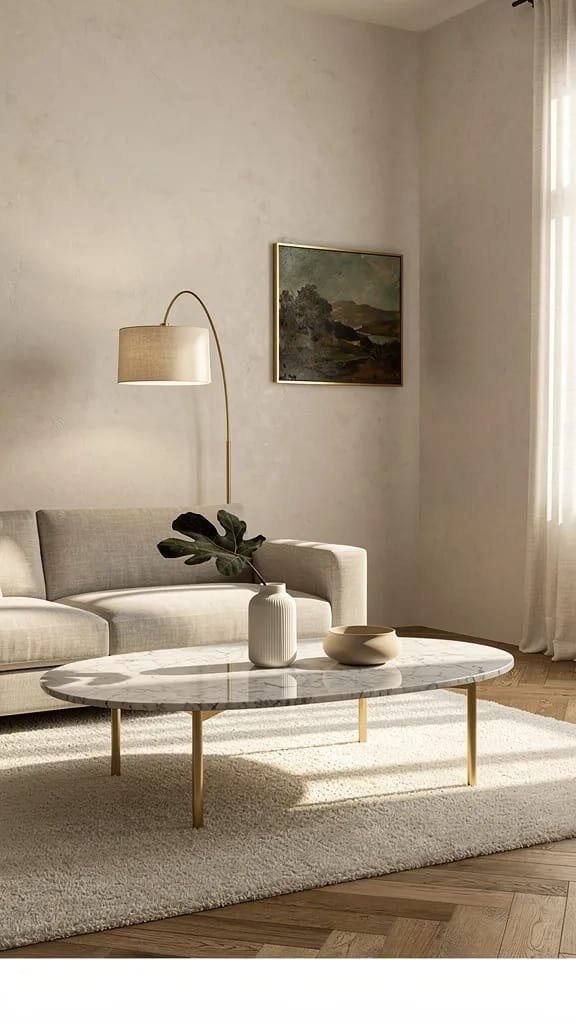
You love the idea of marble but hate the maintenance horror stories. You’ve tried faux marble that looked plasticky under daylight. This oval marble table, paired with skinny brass or brushed bronze legs, brings the glam without the weight. The oval shape keeps traffic flow smooth and avoids hip bruises—speaking from experience here—while the slim base prevents visual heaviness.
The mood is Parisian apartment meets boutique lounge. Real homes benefit because oval tops play nice with sofas of any shape and feel airy in small rooms. Lighting is your co-star: marble comes alive with reflected glow. Use a dimmable sconce or two on the side wall; let the light bounce across the surface. The subtle veining and the brass legs catch highlights that look incredible in photos—crisp, reflective, chic.
Materials: real or engineered marble with a honed finish (less glare, fewer etch marks), and brushed brass legs. Variation for tight budgets: a porcelain “marble” top on a metal frame; it cleans like a dream. Darker option: Marquina-look top with smoky veining and blackened steel legs for moody modern drama.
Budget Breakdown:
- Honed oval marble or porcelain-top table: $280–$980
- Brushed brass or bronze base: included or $120–$240 if separate
- Marble sealer or maintenance kit: $18–$35
- Low-profile felt pads: $8–$12
Total Estimated Cost: $306 – $1,267
Best For: Small-to-medium living rooms seeking a lighter silhouette; perfect for renters who want a luxe hit without bulk.
Key Design Elements:
- Main materials: honed marble/porcelain, brass/bronze
- Color palette: soft white, latte, brass, charcoal hits
- Lighting strategy: dimmable wall sconces and table lamps for controlled reflections
- Furniture silhouettes: curved sofa, open-base accent chairs
- Texture layers: silk-blend or viscose rug for a gentle sheen (or a wool-viscose mix)
- Accent details: rounded coasters, glass knot, petite floral bud vase
How To Recreate This Look:
- Start with an oval marble or marble-look table, honed if possible.
- Add a rug with a slight sheen to catch light under the brass legs.
- Layer one glass object and one small floral—keep colors limited.
- Install wall sconces at seated eye level for soft cross-lighting.
- Style with a tiny stack of two slim books; avoid bulky stacks that cover the stone.
Why This Looks Intentional: The oval shape feels curated and flow-conscious, while mixed finishes (stone + metal) create planned contrast. Honed marble whispers, it doesn’t shout—and that restraint reads thoughtful.
Don’t Do This: Don’t choose a high-gloss chrome base with honed marble; the clash cheapens both. Go brushed or satin—even blackened steel—to keep the mood cohesive.
Pro Styling Tip: Tilt your camera slightly above table height so the veining leads the eye; position a sconce reflection off-center for that editorial sparkle.
Ready for something sculptural and forgiving? The next one brings texture that hides everyday life like a pro.
5. Upholstered Square Ottoman Table With Oversized Tray (Family-Proof, Photo-Ready)
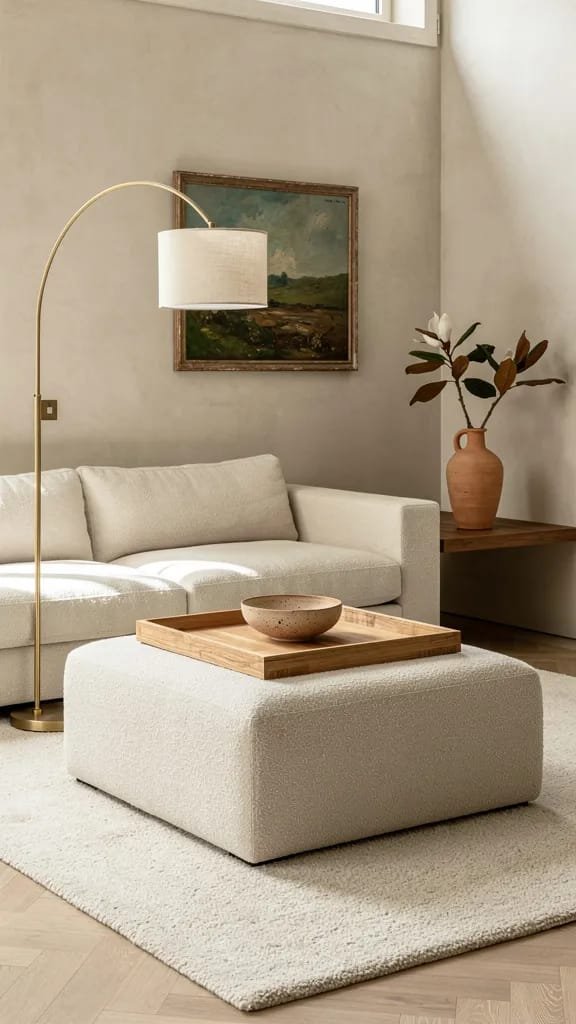
You want comfort, but you still want style. You’ve tried a standard ottoman, but it read “TV room” instead of “designer living room.” An upholstered coffee table—think a firm, square ottoman in tweed or boucle—paired with an oversized wood tray hits that sweet spot. It’s soft, safe for kids, and, with the right textiles, surprisingly elegant.
The mood leans cozy boutique hotel. Why it works: textile texture hides scuffs and toddler fingerprints. Soft corners encourage lounging and casual conversation. Lighting here should be warm and diffused: a shaded floor lamp or lantern-style table lamp keeps the fabric looking plush, not flat. In photos, the layered textures (fabric + wood tray + ceramic) create instant depth.
Materials: performance boucle, tweed, or a chenille that doesn’t shed. For legs, pick dark wood or black recessed feet for a floating effect. Variations: small-space version at 30–32 inches with a slim rectangular tray; darker palette with espresso fabric and a light oak tray to flip the contrast. Renter-friendly? Absolutely. You can move it around solo on cleaning day.
Key Design Elements:
- Main materials: performance fabric, firm foam core, oak or walnut tray
- Color palette: cream, mushroom, camel, black accents
- Lighting strategy: diffused lamp light; avoid harsh downlights that show lint
- Furniture silhouettes: deep seat sofa, low-slung lounge chair
- Texture layers: boucle, suede pillow cover, ribbed ceramic
- Accent details: oversized tray (24–30 inches), sculptural beads, small potted fern
Budget Breakdown:
- Upholstered ottoman table: $180–$700
- Oversized solid wood tray: $45–$160
- Fabric protector spray: $12–$25
- Weighted glass candle or match cloche: $20–$60
Total Estimated Cost: $257 – $945
Best For: Families, pet owners, and anyone who lounges hard on the weekends; ideal for layered, textural living rooms.
Why This Feels Designer: It’s the contrast. Soft upholstery paired with a disciplined, oversized tray looks intentional, not improvised. The tray becomes a stage for a small vignette, giving the plush surface structure.
How To Recreate This Look:
- Start with a firm, square ottoman (34–40 inches) in performance fabric.
- Add a 24–30-inch tray in oak or walnut—center it or shift slightly off-center.
- Layer a low bowl, one book, and a compact plant on the tray.
- Install a shaded lamp that casts a soft halo—fabric loves warm, indirect light.
- Style a throw folded neatly on the sofa arm to echo the ottoman texture.
Watch Out: Avoid tiny trays—nothing makes an ottoman feel like a placeholder faster. Also, skip silky fabrics that snag easily; textured performance fibers photograph and wear better.
Pro Styling Tip: Steam the fabric top before photos and brush the pile in one direction—like a velvet suit—so the surface reads calm and expensive.
Take a breath. If you’re feeling pulled toward wood grain, or maybe glass, trust that. If one design sparks a “yes,” go with it. You can mix and match principles later.
6. Layered Glass Nesting Pair With Mixed Metals (Small-Space Illusionist)
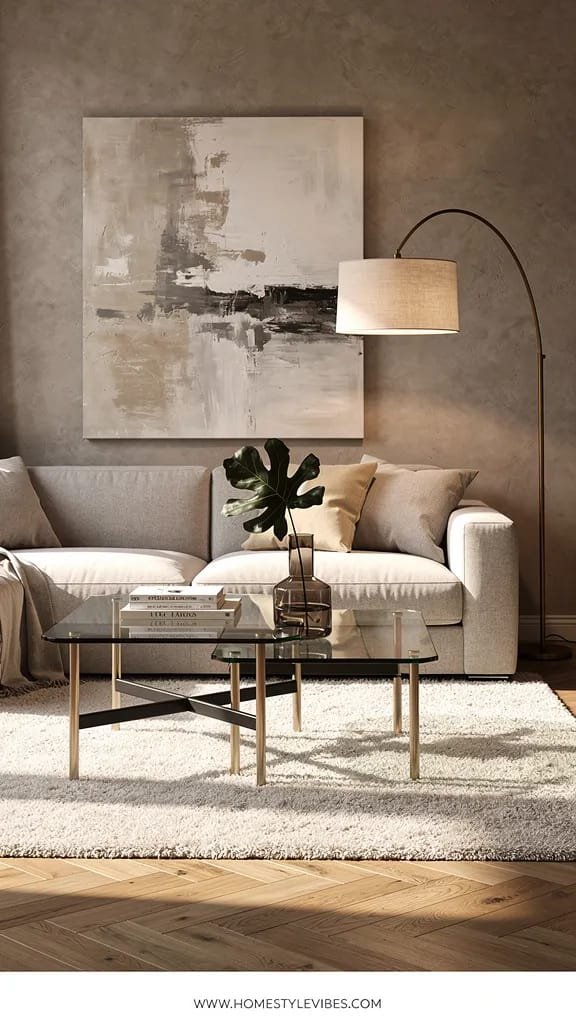
You’ve wrestled with a tight living room where anything solid feels too heavy. You’ve tried acrylic, but smudges made you cry inside by Thursday. A pair of glass nesting coffee tables with mixed-metal bases solves the footprint issue and keeps sightlines clear. Slide them apart for guests; nest them for everyday calm.
The mood is light, urban, and a touch gallery-inspired. Real homes benefit because the glass tops expand visual space and the nesting function adapts for movie nights or board games. Lighting matters a lot: bounce light off nearby walls with a floor uplight or sconce; glass loves reflected light but not direct glare. Photographs pop because the metal bases add linework and the layered transparency creates depth without clutter.
Materials: tempered glass with a slight green edge (or low-iron glass if budget allows) and mixed metal bases—brass and black steel, or polished nickel and bronze for subtle sophistication. Variations include a small-space duo at 24 and 18 inches, or a darker version with smoked glass tops for moody evenings that hide fingerprints better. Renter-friendly? Definitely—lightweight and easy to shuffle during move-in day.
Budget Breakdown:
- Glass nesting tables (pair): $180–$620
- Lint-free microfiber cloth set: $10–$18
- Brass bowl or knot: $22–$80
- Low-profile felt pads: $8–$12
Total Estimated Cost: $220 – $730
Best For: Small apartments, rooms with beautiful rugs you want to show off, minimalists who still like a touch of shine.
Key Design Elements:
- Main materials: tempered or low-iron glass, mixed metals
- Color palette: clear, black, brass, smoky gray accents
- Lighting strategy: indirect wall-bounced light; avoid bare overhead bulbs
- Furniture silhouettes: slim sofa legs, light-framed lounge chairs
- Texture layers: flatweave rug, linen drapes, leather pillow
- Accent details: tiny sculpture, single flower stem in a bud vase
Why This Looks Expensive: The restraint of clear surfaces with sharp metal linework screams architectural. Layered transparency hints at custom millwork and built-in thoughtfulness, even if you snapped these up online.
How To Recreate This Look:
- Start with a nesting pair in mixed metals for subtle contrast.
- Add a flatweave or vintage rug worth seeing through the glass.
- Layer a small brass object and a bud vase—keep the footprint sparse.
- Install a floor lamp that grazes the wall to avoid light hot spots on the glass.
- Style by nesting with a slight offset for dynamic overlap in photos.
The Most Common Mistake: Overdecorating the tops. One object per table is your rule here. Also, clean with a microfiber cloth, not paper towels—they create lint that shows in sunlight.
Pro Styling Tip: Shoot at an angle so the metal bases form overlapping geometric shapes; it adds visual rhythm that feels editorial.
7. Reclaimed Wood Rectangle With Waterfall Edge (Collected, Earthy, and Unfussy)
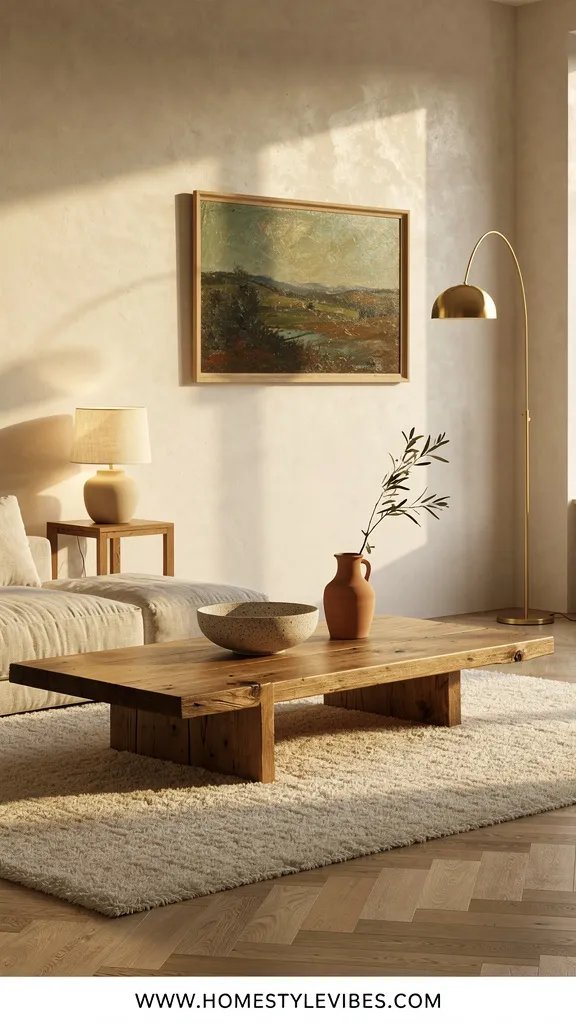
You crave soul. You’ve shopped plenty of sleek tables, but everything felt sterile. A reclaimed wood rectangle with a waterfall edge brings character in spades—knots, saw marks, and tone variation that make your living room feel collected. The waterfall keeps it modern; the reclaimed grain keeps it human.
The mood leans modern rustic with a European farmhouse undertone. It works because reclaimed wood hides wear and ages gracefully. Families, pets, pizza night—it can handle all of it. Lighting should be warm and layered: a table lamp plus a dimmable overhead gives the wood depth without glare. In photos, the end-grain detail at the waterfall joint is the hero line—little editorial moment right there.
Materials: reclaimed oak, elm, or pine with a matte hardwax oil. For smaller spaces, a 40–44-inch length works well. Darker option: ebonized finish with visible grain; pair with cream textiles for contrast. Renter-friendly version: veneer over plywood with a quality edge band—lighter, still reads substantial.
Budget Breakdown:
- Reclaimed wood waterfall coffee table: $320–$1,100
- Hardwax oil or furniture oil: $25–$55
- Vintage pottery or stoneware: $30–$120
- Natural fiber runner or small kilim on top (optional): $35–$140
Total Estimated Cost: $410 – $1,415
Best For: Homes that feel a bit cold and need warmth; busy households; anyone who loves patina and a “collected over time” vibe.
Key Design Elements:
- Main materials: reclaimed wood, matte oil finish
- Color palette: honey, tobacco, espresso, cream, olive
- Lighting strategy: warm bulbs, use dimmers to emphasize grain at night
- Furniture silhouettes: sink-in sofa, slipcover chair, black iron side tables
- Texture layers: vintage rug, linen-cotton throw, rough pottery
- Accent details: aged brass bowl, hand-thrown vase, woven tray
How To Recreate This Look:
- Start with a reclaimed wood waterfall table—choose a matte, not glossy, finish.
- Add a vintage or vintage-look rug with natural variation.
- Layer a stoneware vase and a small woven tray—low, tactile, unfussy.
- Install dimmers; turn overheads down and lamps up for grain drama.
- Style with one leafy branch or olive cutting for movement and height.
Why This Feels Designer: The waterfall edge is the secret—it creates one continuous visual plane, like custom millwork. Pairing it with imperfect grain looks curated, not crafty.
One Thing To Avoid: Don’t pair reclaimed wood with overly distressed accessories. Contrast it with clean lines and smooth ceramics so it doesn’t tip into theme-y rustic.
Pro Styling Tip: Leave one corner of the table completely unstyled so the waterfall edge reads clearly—then shoot from the end to highlight the joint shadow line.
Mindset reset: If your living room has a weird layout or a too-small rug, don’t spiral. The right coffee table shape can fix flow more than a new sofa can. Pick the silhouette that solves movement first, then worry about finishes.
8. Metal Clad Cube With Patina Top (Moody Statement, Surprisingly Versatile)
You want a strong focal point, but everything you’ve tried feels flimsy. You’ve flirted with black wood tables that chip, and they show every dust speck. Try a metal-clad cube or low rectangle—think brushed brass, burnished steel, or aged zinc—with a hand-applied patina top. It’s moody, sculptural, and honestly impossible to ignore in the best way.
The mood is industrial-meets-bespoke, like a converted loft with soul. It works in real homes because the metal reflects just enough light to avoid heaviness, while patina hides micro-scratches from everyday living. Lighting: graze the surface with a low lamp to exaggerate texture; avoid cool bulbs that make the metal look greenish. In photos, the subtle gradient on the patina creates painterly shadows that read expensive.
Materials: brass, zinc, or blackened steel sheets over a wood core. Variations: small-space square at 28–32 inches or a narrow rectangle for long, tight rooms. Renter-friendly? Yes—just add felt pads and choose a hollow-core version to keep weight manageable.
Budget Breakdown:
- Metal-clad coffee table: $280–$1,050
- Brass care kit or carnauba wax: $12–$28
- Stone coaster set: $18–$48
- Sculptural object (wood or stone): $25–$100
Total Estimated Cost: $335 – $1,226
Best For: Neutral rooms that need one bold anchor; homes with medium-to-low natural light where reflective surfaces help bounce glow.
Key Design Elements:
- Main materials: brass/zinc/steel cladding, wood core
- Color palette: charcoal, brass, ink, taupe
- Lighting strategy: low, warm accent lighting; avoid cool white LEDs
- Furniture silhouettes: tight-arm sofa, leather accent chair
- Texture layers: suede pillow, mohair throw, rough clay
- Accent details: black tray, stone knot, dried stems
How To Recreate This Look:
- Start with a metal-clad cube or rectangle—patina beats high polish for daily living.
- Add a neutral rug with subtle pattern for contrast and softness.
- Layer a black tray with a stone object—keep the palette tight.
- Install a low lamp to graze the surface and reveal the patina movement.
- Style sparingly; let 60–70% of the metal surface breathe.
Why This Reads High-End: Patina suggests age and craft. Metals that shift with light hint at custom fabrication, even when they’re not. The quiet sheen cues quality without shouting.
Don’t Do This: Don’t pair with mirrored side tables or glossy TV consoles; too much shine feels chaotic. Balance metal with matte textiles and one rough ceramic.
Pro Styling Tip: Capture the corner edge in photos—the crisp seam line against a soft rug pile is a texture contrast editors love.
Quick personal note: I tried a brass-clad table in my own living room last fall. In afternoon light, it went from mellow honey to deep bronze across the top—five shades in an hour. I caught myself just watching it while my tea cooled. That’s the tiny kind of magic a good coffee table brings.
9. Minimal Black Pedestal With Thick Round Top (The Gallery Anchor)
Ever feel like your living room has too many legs? Sofa legs, chair legs, side table legs—it’s visual noise. A minimal black pedestal base with a thick round top (wood or stone) cleans the scene. The pedestal simplifies lines, the thick top adds gravitas, and suddenly the room looks curated instead of cluttered.
The mood is gallery-modern and serene. This works beautifully in smaller rooms: you keep the surface area while opening up the floor. Lighting makes a huge difference: a single downlight or pendant centered over the pedestal casts a soft halo and a crisp shadow ring around the base—very magazine-ready. For materials, consider a black-finished oak top or a dark soapstone-look composite for practicality.
Variations: small-space 30–34-inch round; luxe version with a travertine top and black base; renter-friendly MDF top with a durable painted finish. If your sofa is bulky, this table lightens the vibe without losing presence.
Budget Breakdown:
- Pedestal coffee table (wood or composite top): $230–$780
- Centering pendant or flush mount with dimmer: $95–$280
- Round tray or bowl: $25–$75
- Felt base pads to protect rug: $8–$12
Total Estimated Cost: $358 – $1,147
Best For: Spaces overwhelmed by too many legs; open-plan rooms needing a strong, simple anchor that still feels airy.
Key Design Elements:
- Main materials: blackened wood or composite, optional stone top
- Color palette: black, camel, cream, moss
- Lighting strategy: centered downlight or pendant to frame the pedestal shadow
- Furniture silhouettes: low-profile sofa, armless accent chair, curved lines
- Texture layers: jute-wool rug, linen drapes, matte ceramics
- Accent details: round bowl, stacked coasters, single sculptural candle
Why This Looks Expensive: Visual simplification. One strong shape, fewer legs, thicker top—these cues mimic custom fabrication and gallery pedestals. It’s confident, not busy.
How To Recreate This Look:
- Start with a pedestal base table—prioritize a thick top (at least 1.25 inches).
- Add a round tray or bowl that echoes the table’s curve.
- Layer a soft jute-wool rug with visible texture around the base.
- Install a centered pendant or adjust overhead lighting for a clean halo effect.
- Style with just two objects, leaving negative space to read the silhouette.
Watch Out: Avoid pairing with a heavy, skirted sofa—it can feel bottom-heavy. Add a leggy chair or a glass side table to balance the massing.
Pro Styling Tip: Shoot directly overhead once; the circle-within-circle composition (bowl on round top on round rug) creates a striking, minimalist shot.
Micro-moment: Picture a rainy Sunday. You set your mug on a small stone coaster, a candle flickers, and the pedestal’s shadow forms a soft ring on the rug. That shadow ring? It’s oddly soothing—like the room giving itself a hug.
Quick Checklist
- Measure sofa seat height and pick a table within 2 inches of it
- Choose shape based on flow: oval/round for tight paths, rectangle for long rooms
- Prioritize one material with character: stone, patina metal, reclaimed wood
- Match finishes to bulb temperature: warm bulbs flatter wood, honed stone loves side light
- Keep 30–40% of the tabletop as negative space
- Use one high object and one low object to create a mini skyline
- Install dimmers for evening depth and shadow play
- Add felt pads under heavy pieces to protect rugs and floors
- Seal stone and oil wood surfaces seasonally
- Photograph at sofa height for magazine-ready proportions
Frequently Asked Questions
How do I pick the right size coffee table for a small living room without it feeling cramped?
Choose a round or oval between 30–36 inches and keep 14–18 inches of walkway between the table and seating. In tight spaces, nesting pairs or a pedestal base maintain surface area without adding visual bulk.
Are marble coffee tables a nightmare to maintain if I have kids or host often?
Honed marble is far friendlier than polished. Seal it every 6–12 months and use coasters. If you’re worried, go for a porcelain marble-look top—same vibe, ultra-durable, and practically zero maintenance.
What’s the biggest styling mistake that makes a coffee table look cheap?
Clutter. Too many small objects flatten the look. Aim for two or three pieces with varied heights and textures, and leave open space so the table’s material and shape get to be the star.
I rent and can’t change lighting. How do I still get that designer depth?
Use plug-in sconces or a dimmable floor lamp to create side light. Place the lamp so it grazes the table’s surface, not directly above it. Warm bulbs around 2700K add richness to wood and stone.
How do I maintain reclaimed wood or metal-clad tables so they age nicely, not messily?
For reclaimed wood, apply a matte hardwax oil twice a year and wipe spills promptly. For metal-clad, use a soft cloth and, if needed, a touch of carnauba wax; avoid harsh cleaners that strip patina.
Conclusion
Pick one idea that solves how you actually live. If you snack on the sofa, the lift-top wins. If you crave calm, the soft-edge stone plinth might be your forever table. You don’t need permission—just a tape measure, a clear palette, and the guts to keep your styling simple.
The truth is, designer coffee tables aren’t about logos. They’re about texture, lighting, and restraint. Choose one power material, add warm light that creates shadow depth, and style with two confident pieces. That’s it. The room will feel finished because your eye finally has a place to land.
Trust yourself. Start with the shape that fits your flow, then layer the material that makes you smile at 8 a.m. and 8 p.m. You’ve got this—and your living room is about to look like that pin you saved six months ago, only better because it’s yours.

About the Author

Krisztina P.Rendes, Founder of Home Style Vibes
Founder of Home Style Vibes
Krisztina Puskásné Rendes created Home Style Vibes as a cozy-modern lifestyle space where homemaking meets inspiration. Her goal is to help women create beautiful, organized, and peaceful homes they truly love — without overwhelm. You’ll find here heart-driven content on home decor, cleaning tips, easy family recipes, organization and decluttering, DIY home projects, plants, and seasonal ideas — all designed to bring more calm, comfort, and style into everyday life.