ZZ Plant Care: Easy Beginner’s Guide to Light, Water and Repotting for Low-Maintenance Indoor Plants
You want a plant that thrives on neglect? Meet the ZZ plant: a glossy, sculptural beauty that keeps on keeping on—no coddling required. It laughs at low light, shrugs off missed waterings, and still looks like a designer plant. If you’ve killed a cactus (no judgment), this one’s your comeback story. Let’s dial in light, water, and repotting so your ZZ looks premium with minimal effort.
Why ZZ Plants Make Lazy Plant Parents Look Good
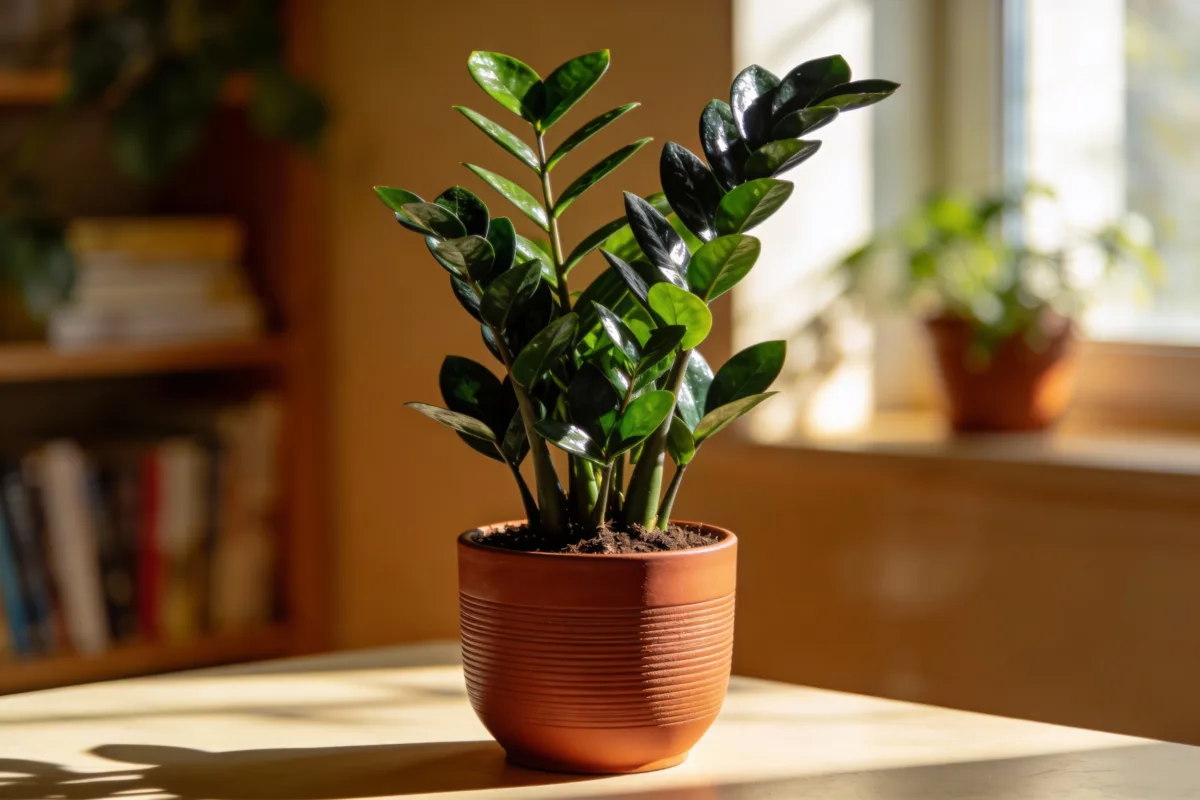
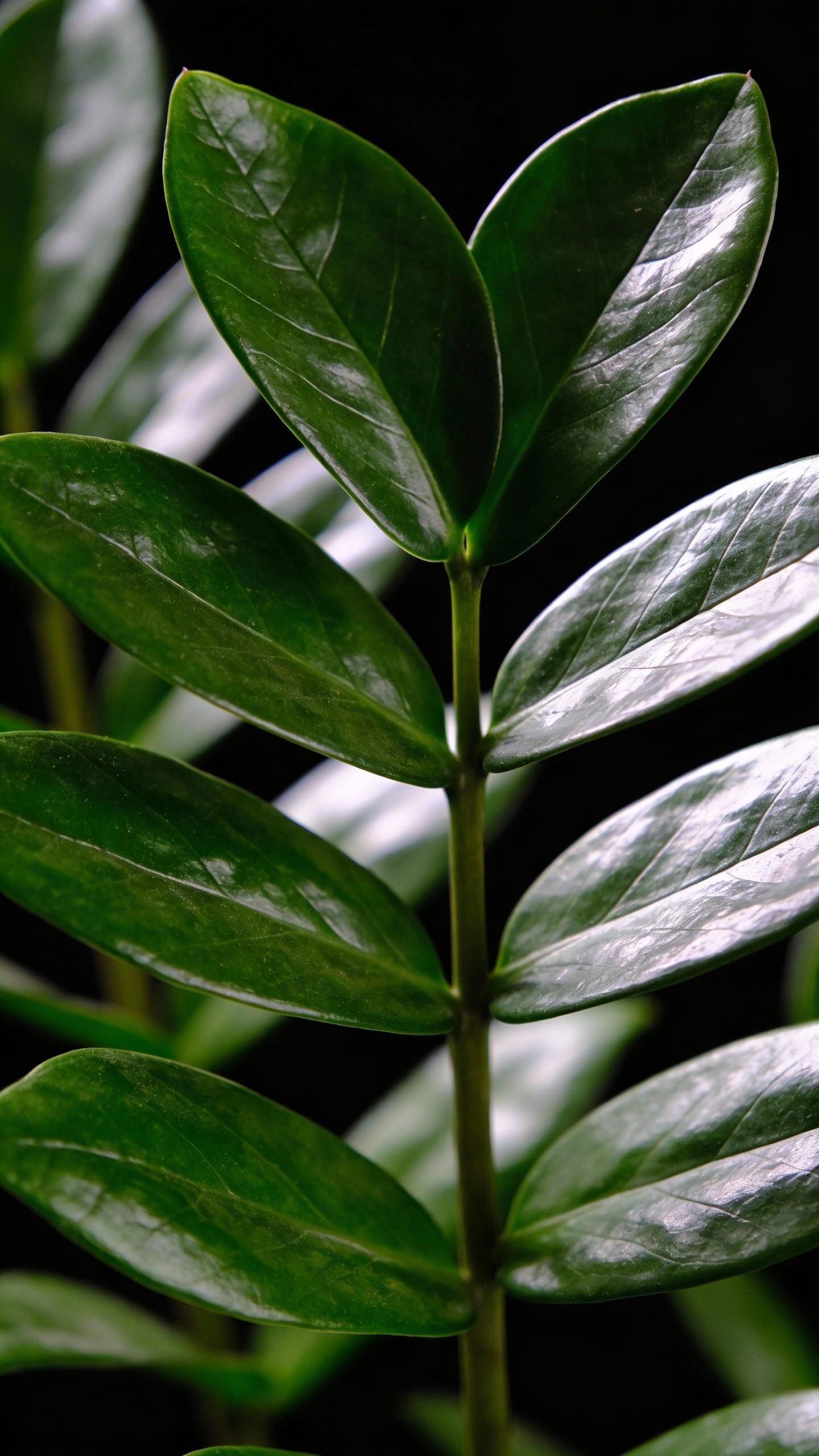
ZZ plants (Zamioculcas zamiifolia) come with thick, waxy leaves and potato-like rhizomes that store water. Translation: they forgive you when you forget them. They also handle a wide range of light and need very little upkeep. They’re basically the houseplant equivalent of a cast-iron skillet—tough, versatile, and timeless.
Want more? They grow slowly, resist most pests, and tolerate dry indoor air. They also handle office lighting like champs. This is a plant you set and admire, not babysit.
Light: Bright-ish Is Best, But Low Light Still Works
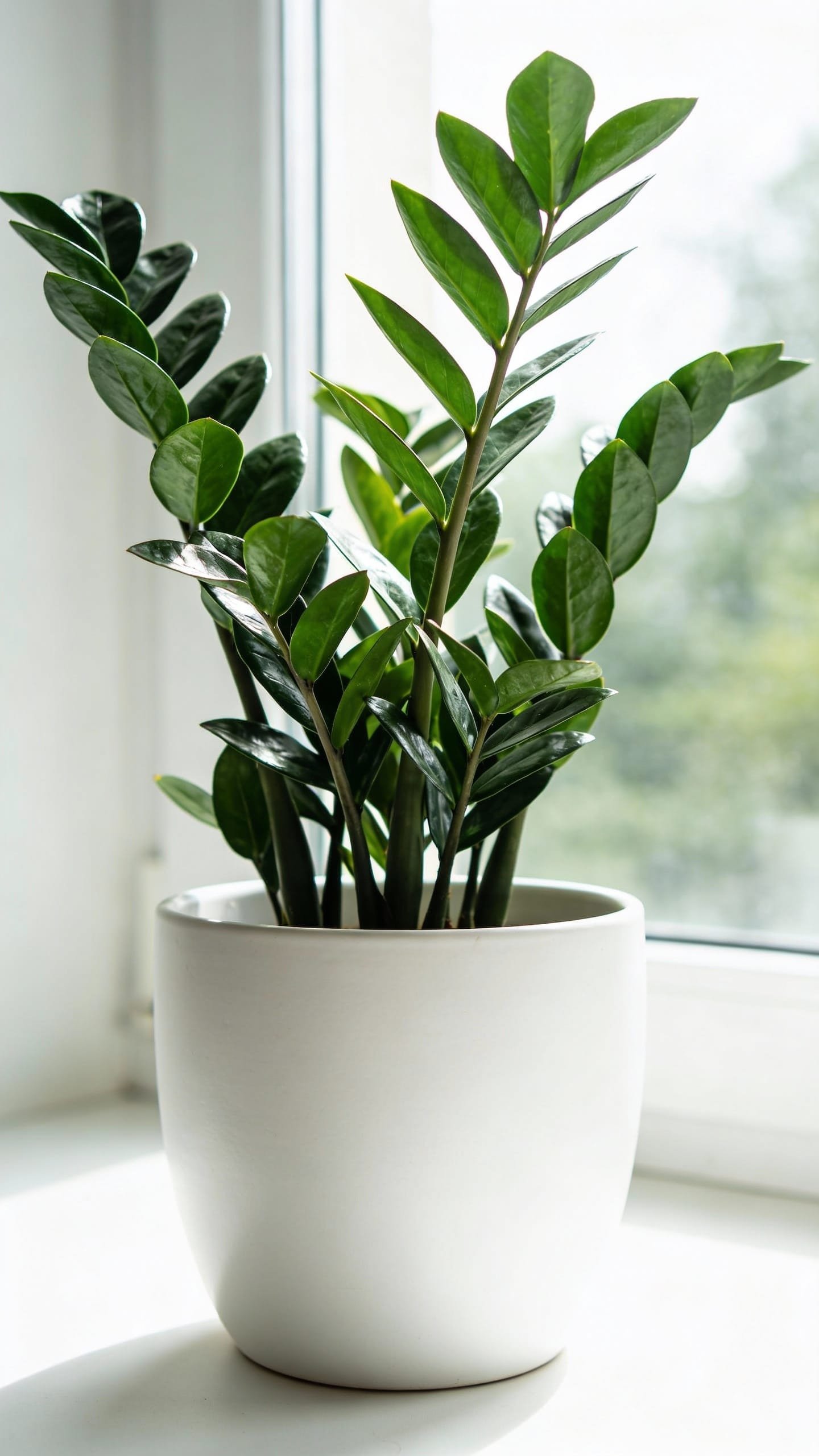
ZZ plants live their best life in bright, indirect light. That means near a window with filtered sun or a few feet back from a bright spot. They also tolerate low light, which makes them ideal for offices, bedrooms, and That One Corner™.
Signs You’ve Nailed the Light
- New shoots pop up occasionally (they look like little rolled spears)
- Leaves stay glossy and deep green
- No crispy tips, no dramatic droop
When Light Goes Wrong
- Too little light: Slow growth, leggy stems reaching toward the window
- Too much direct sun: Pale or scorched leaves, dry patches
FYI: A couple hours of gentle morning sun usually works. Avoid harsh afternoon sun unless you like crispy leaves. IMO, bright indirect light makes ZZ plants look their absolute best.
Watering: Less Often Than You Think
ZZ plants store water in their rhizomes, so they hate soggy soil. You’ll do more damage by overwatering than underwatering. Let the soil dry out completely between waterings—yes, completely.
Your Easy Watering Routine
- Stick a finger into the soil up to your second knuckle. If it feels dry, water. If not, wait.
- Water thoroughly until it drains from the bottom. Empty the saucer.
- In spring/summer: every 2–3 weeks. In fall/winter: every 3–5 weeks. Adjust for your home.
Overwatering Red Flags
- Yellow, mushy leaves
- Musty smell or fungus gnats
- Rhizomes turning soft or brown
If you panic-water plants, set a reminder to check soil, not pour water. Your ZZ will thank you by not rotting.
Soil and Pots: Drainage or Bust
ZZ plants need a quick-draining mix. Regular potting soil holds too much moisture for their taste. Use a chunky, airy blend that dries fast.
Best Soil Mixes
- 1 part potting soil + 1 part perlite or pumice
- Or: 2 parts cactus/succulent mix + a handful of orchid bark
Pot Choice That Actually Matters
- Mandatory drainage hole. No drainage, no deal.
- Terracotta dries quicker (great for heavy waterers). Ceramic keeps moisture longer (okay for forgetful folks).
- Go heavy-bottomed if your plant gets tall—ZZ stems can get top-heavy.
Repotting: Rarely Urgent, Sometimes Glorious
ZZ plants grow slowly and tolerate being snug. You don’t need to repot often—every 2–3 years works for most. Repot in spring for the smoothest transition.
When to Repot
- Roots circling the bottom or poking out of the drainage hole
- Rhizomes bulging at the surface or pressing against the pot walls
- Soil dries in a single day (roots may have taken over)
How to Repot Without Drama
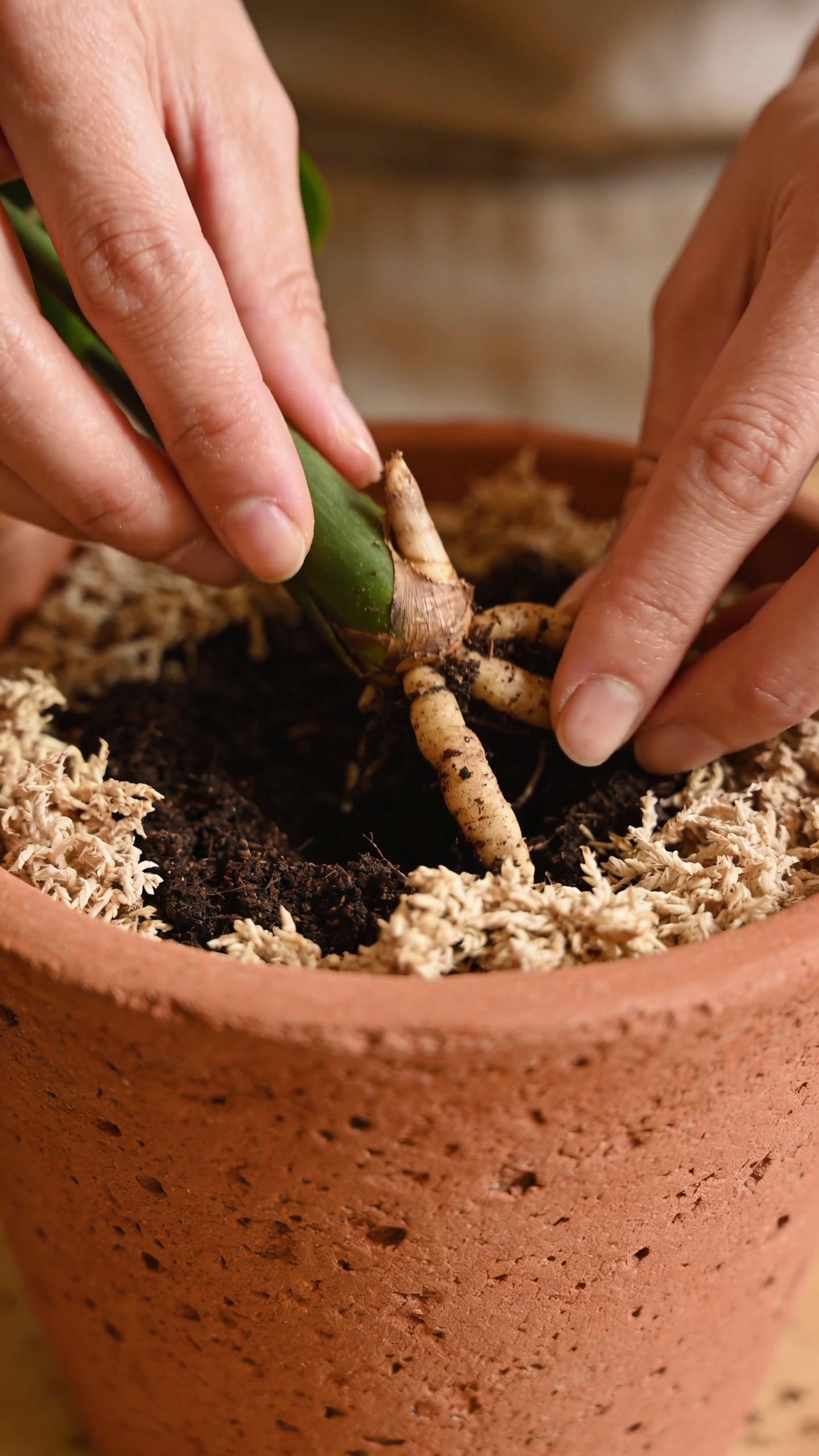
- Choose a pot 1–2 inches wider than the current one.
- Loosen the root ball gently. Don’t break rhizomes—those are the plant’s pantry.
- Set in fresh, airy mix. Keep the crown slightly above the soil line.
- Water lightly once to settle. Then resume your normal watering schedule after the top inch dries.
Pro move: If your plant is extremely root-bound, tease apart the outer roots and trim any rotted parts before potting up.
Fertilizer, Growth, and Pruning
You don’t need much fertilizer. Use a balanced, diluted liquid feed (half strength) once a month in spring and summer. Skip fall and winter—your plant naps then.
Prune only for looks. Snip yellow or broken stems at the base with clean shears. Wipe leaves with a damp cloth occasionally to keep that glossy runway finish.
Growth Pace and Expectations
- New shoots emerge in spurts—don’t expect weekly action.
- Tall varieties can reach 2–3 feet indoors with time.
- Raven ZZs start green and darken to near-black—very goth, very cool.
Common Problems (And Chill Fixes)
- Yellow leaves: Usually overwatering. Let the soil dry out more and check drainage.
- Wrinkled, droopy leaves: Thirsty. Water deeply and adjust your schedule.
- Brown tips: Low humidity or inconsistent watering. ZZ doesn’t need high humidity, so just water correctly.
- Fungus gnats: Soil staying wet. Let it dry out, add a top layer of sand, and use sticky traps.
- Pests: Rare, but wipe mealybugs or scale with alcohol on a cotton swab. Shower leaves if dusty.
Pet Safety, Propagation, and Styling
Heads up: ZZ plants are mildly toxic if chewed. Keep them away from curious pets and kids. Not panic-level toxic, but don’t let anyone snack on it.
Propagation: Slow but Satisfying
- Division: Easiest. Split the plant at the rhizomes during repotting.
- Leaf cuttings: Stick a leaf in soil and wait. And wait. It can take months to form a rhizome. Patience required.
- Stem cuttings in water: Works too, but transition to soil before roots get long and fragile.
Styling Tips
- Use a tall planter for a sculptural look.
- Group with trailing plants to soften the bold, upright stems.
- Place near mirrors or windows for that glossy leaf flex.
FAQ
Can ZZ plants live in a windowless room?
They can tolerate very low light, but they still need some indirect light to thrive. If you have zero natural light, add a small grow light for 8–10 hours a day. Even a desk lamp with a full-spectrum bulb helps.
How do I know if I’m overwatering?
Check for yellow leaves, soft stems, and constantly damp soil. Lift the pot—if it feels heavy days after watering, you’re overdoing it. Let the soil dry completely and ensure the pot drains fast.
Do ZZ plants need humidity?
Not really. They handle normal indoor humidity like a champ. Skip the pebble trays and misting rituals; just water properly and keep leaves dust-free.
Why are my ZZ leaves curling?
Usually thirst or too much direct sun. Check soil dryness first. If the plant sits in hot, harsh light, pull it back a few feet and water when the soil is bone-dry.
Is the Raven ZZ different to care for?
Care stays the same. Raven shoots emerge green and turn dark over several weeks. Give it bright, indirect light to keep that dramatic color strong.
How big can a ZZ plant get indoors?
Most top out around 2–3 feet tall and wide. Bigger pots and brighter indirect light encourage fuller growth, but don’t expect jungle vibes overnight.
Bottom Line
ZZ plants reward neglect, not fuss. Give them bright, indirect light (or decent low light), water only when the soil dries out, and repot every couple of years with a fast-draining mix. Do that, and you’ll own one of the easiest, best-looking houseplants around—minimal effort, maximum cool. IMO, that’s the ultimate win for any plant parent.