Vegetable Garden For Beginners: Easy Crops That Practically Grow Themselves
You want fresh veggies without turning your backyard into a full-time job? You’re in the right place. Some crops practically grow themselves, and you don’t need endless tools, compost PhD-level knowledge, or fancy raised beds to get started.
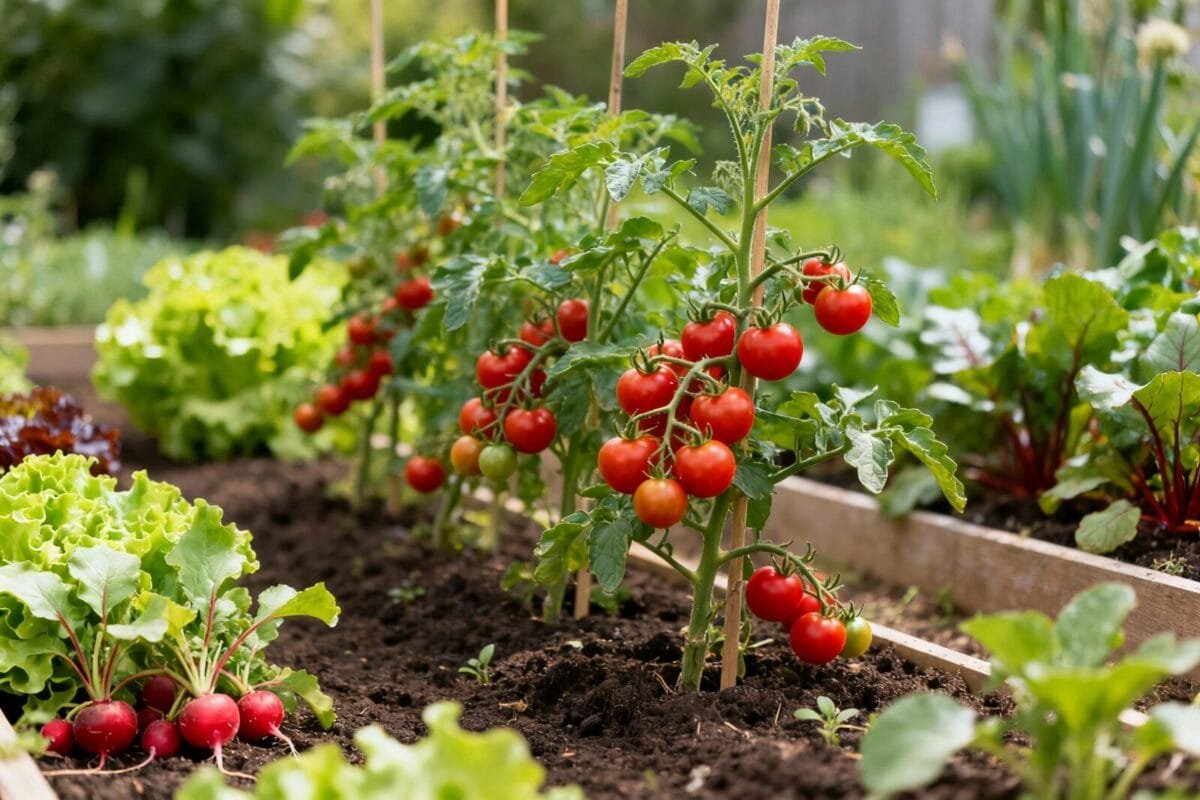
My first “garden” was a few random pots on a patio, and I absolutely overthought everything. Soil, fertilizer, sunlight, “is this drooping from thirst or am I drowning it?” Meanwhile the plants mostly wanted two things: sun and a deep drink of water, then to be left alone.
What I’ve learned since is this: beginner gardening doesn’t need perfection. It needs a few forgiving plants that still reward you even when you’re busy, distracted, or learning as you go.
Let’s set you up with a garden that’s low effort, high reward, and genuinely tasty.
Start Smart: Sun, Soil, and Simple Tools
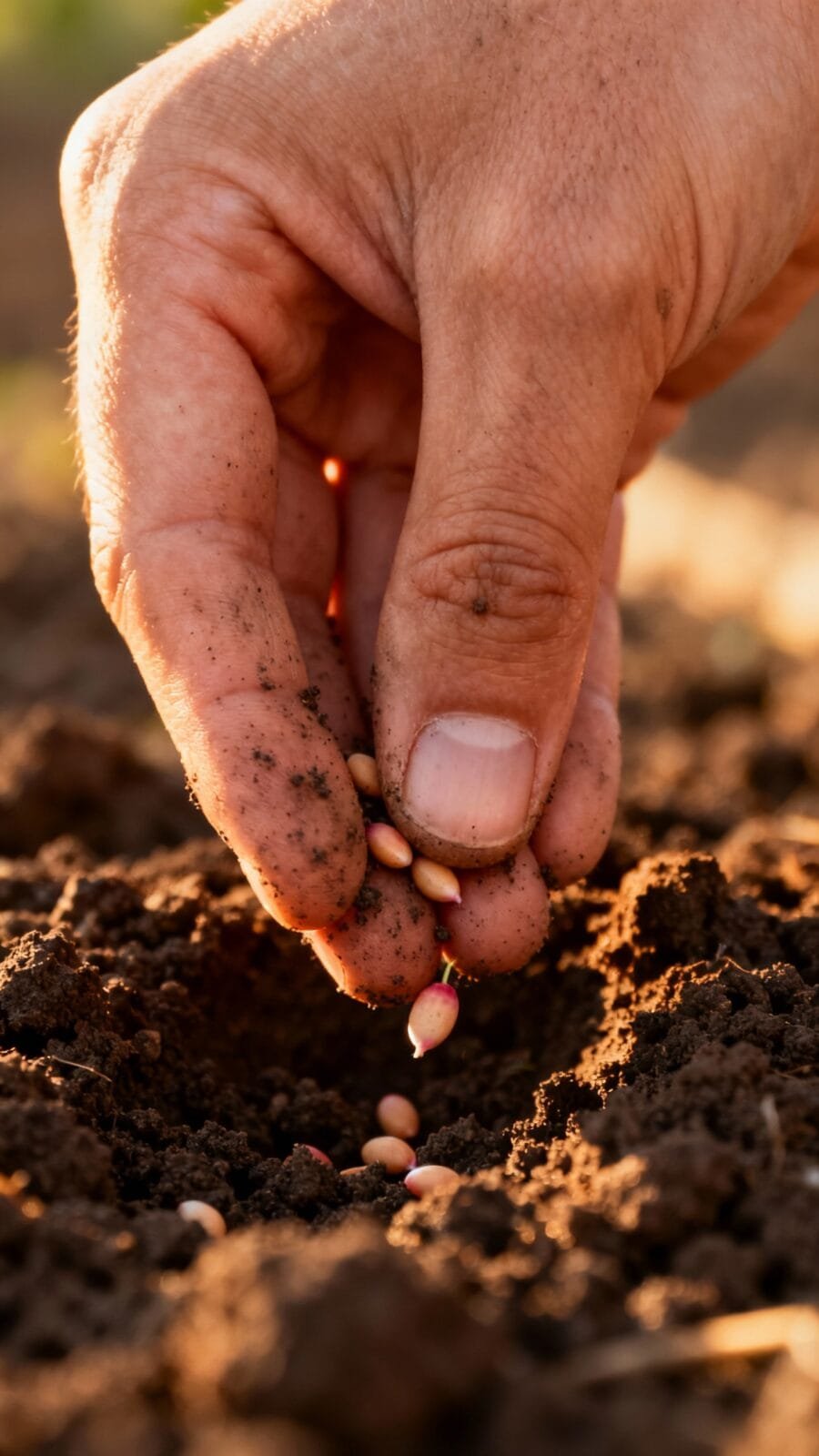
Keep it simple. You need three things: sun, decent soil, and consistent water. Give your plants 6-8 hours of sunlight, aim for soil that drains well, and water deeply a couple of times a week.
That’s your baseline.
- Sun: South-facing areas win. Morning sun beats afternoon scorch.
- Soil: Mix in compost if your soil looks like dusty soup or heavy clay. Don’t overthink it.
- Water: Soak the roots, don’t sprinkle the leaves.Early morning works best.
- Tools: Hand trowel, pruners, and a hose with a gentle spray nozzle. Done.
Quick reality check: you don’t have to get this perfect to get results. Most “mistakes” are just feedback. If your radishes turn spicy, you’ll pull them sooner next round. If your lettuce bolts, you’ll plant it again when it’s cooler. That’s gardening—small tweaks, steady wins.
The Easiest Crops for Beginners
These are the plants that forgive forgetful watering and minor neglect. They don’t hold grudges.
They just grow.
If I were starting from zero again, I’d keep it ridiculously simple: greens + radishes for quick wins, bush beans for easy volume, one cherry tomato for summer joy, and a couple herbs you’ll actually use. That combo gives you confidence fast—and confidence is the real secret fertilizer.
1) Salad Greens (Lettuce, Arugula, Spinach)
If you want quick wins, grow greens. They germinate fast, grow fast, and taste great.
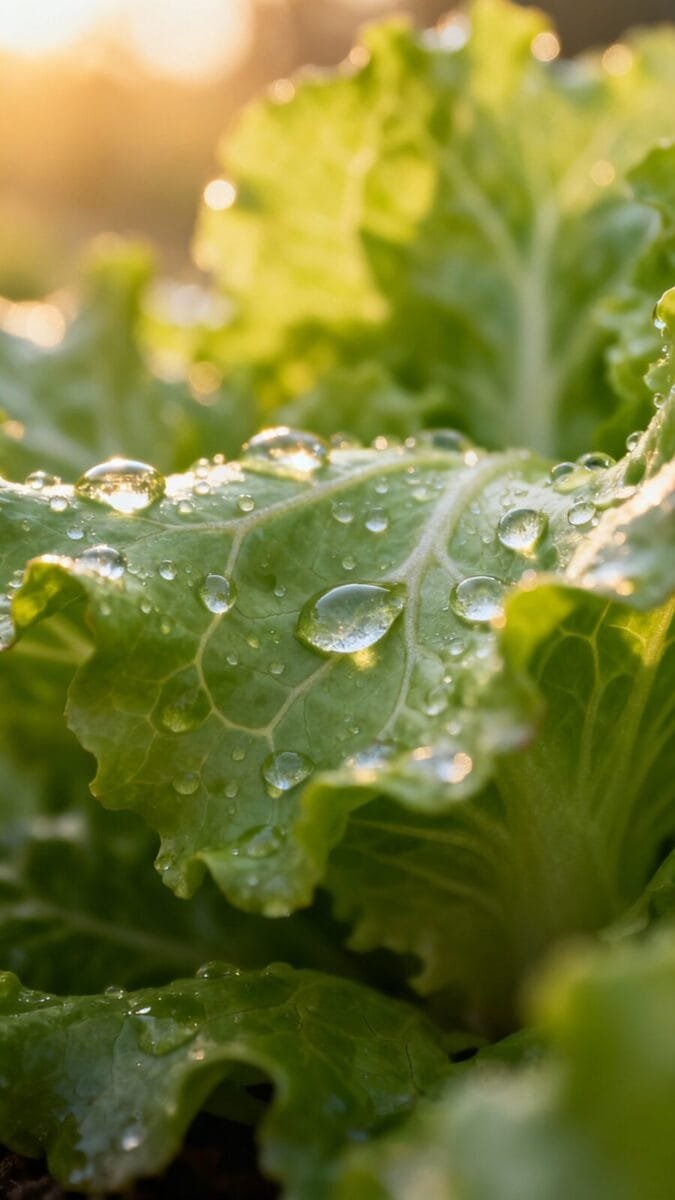
- Why they’re easy: Cool-weather lovers, no fuss. You can plant in spring and fall.
- How to plant: Sow seeds shallowly and keep moist.Harvest baby leaves in 3-4 weeks.
- Pro tip: Grow in containers if your soil is meh. Cut outer leaves and let the center keep growing.
2) Radishes
Radishes are the instant gratification of gardening. They mature in 25-35 days.
Blink and they’re ready.
- Why they’re easy: They don’t need much space and they don’t get picky.
- How to plant: Direct sow seeds 1/2 inch deep. Thin seedlings if they crowd.
- Pro tip: Plant every 2 weeks for a steady supply. Don’t let them sit in the ground too long or they get spicy and woody.
3) Green Beans (Bush Varieties)
Bush beans deliver a lot for very little effort.
They don’t need trellises and produce for weeks.
- Why they’re easy: Heat-tolerant and robust. They fix nitrogen, so they perk up your soil, too.
- How to plant: Direct sow after frost. Space 4-6 inches apart.Water when pods form.
- Pro tip: Harvest often to keep the plants producing. Avoid overhead watering to reduce disease.
4) Zucchini and Summer Squash
Plant two, and you’ll feed your block. Plant three, and your neighbors will avoid eye contact.
FYI, they’re that productive.
- Why they’re easy: Big leaves shade out weeds and the plants forgive less-than-perfect soil.
- How to plant: Direct sow or transplant after frost. Give them space—3 feet per plant.
- Pro tip: Pick squash when they’re small for best flavor. Watch for squash vine borers if you live in hot, humid climates.
Small warning from experience: zucchini is not a hobby, it’s a lifestyle. The first year I planted two thinking “that’s reasonable,” and suddenly I was handing squash to neighbors like I was running a tiny vegetable witness protection program.
5) Cherry Tomatoes
Cherry tomatoes taste like summer and produce buckets without as many diseases as big slicers.
IMO, they’re the most satisfying for beginners.
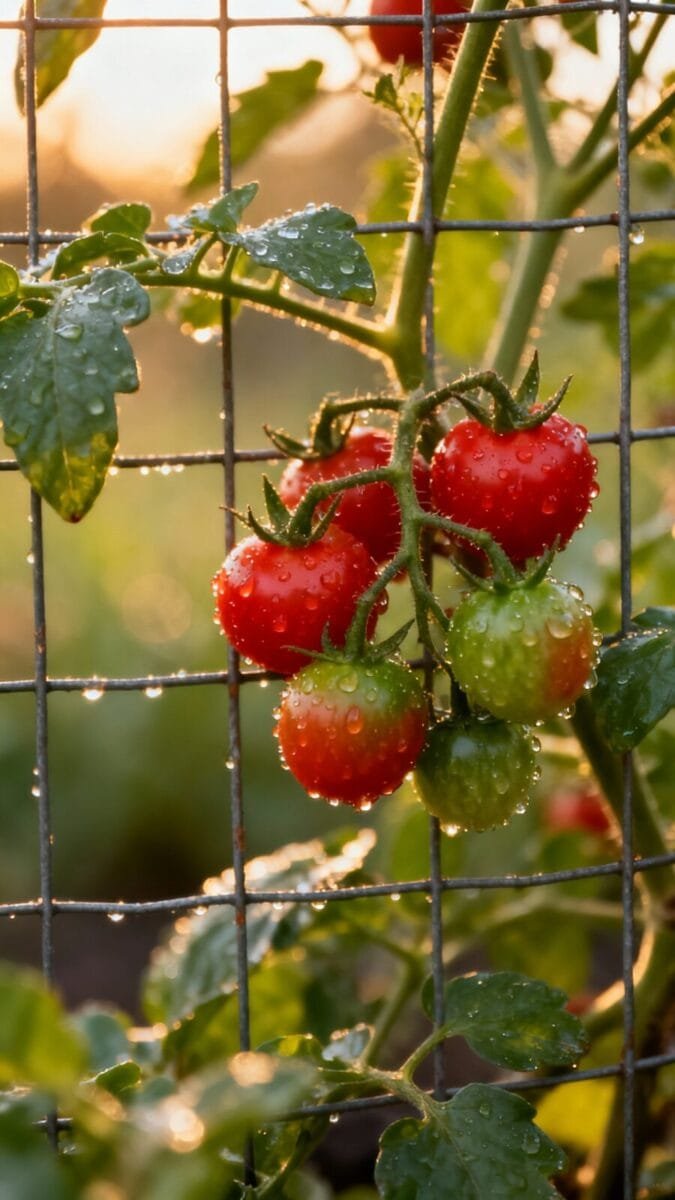
- Why they’re easy: They’re vigorous and handle irregular watering better than larger varieties.
- How to plant: Buy a start, plant deep (bury part of the stem), and stake or cage.
- Pro tip: Water consistently to avoid splitting. Choose disease-resistant varieties for fewer headaches.
6) Herbs (Basil, Chives, Mint, Parsley)
Herbs make everything taste better and don’t ask for much in return.
- Why they’re easy: Many thrive in pots and poor soil. Mint basically raises itself (contain it unless you want a mint jungle).
- How to plant: Start with nursery plants.Put basil in full sun; parsley and chives tolerate part shade.
- Pro tip: Snip often. Regular harvests make herbs bushier and tastier.
7) Potatoes
Potatoes impress with almost no effort. Toss seed potatoes in a deep container or a loose bed, then cover as they grow.
- Why they’re easy: They don’t need perfect soil.They produce a lot from a small space.
- How to plant: Plant chunks with 2-3 eyes, 4 inches deep. Hill soil or mulch around stems as they grow.
- Pro tip: Harvest when plants die back. Use a fork, not a shovel, to avoid spearing your dinner.
Plant Once, Enjoy Often: Simple Successions
Want steady harvests without planning like a military operation?
Do small successions. Replant a little every couple of weeks.
- Every 2 weeks: Radishes, lettuce, arugula.
- Once per season: Beans, zucchini, cherry tomatoes.
- Herbs: Snip continuously; plant a second basil mid-summer if the first gets woody.
Quick Layout Ideas
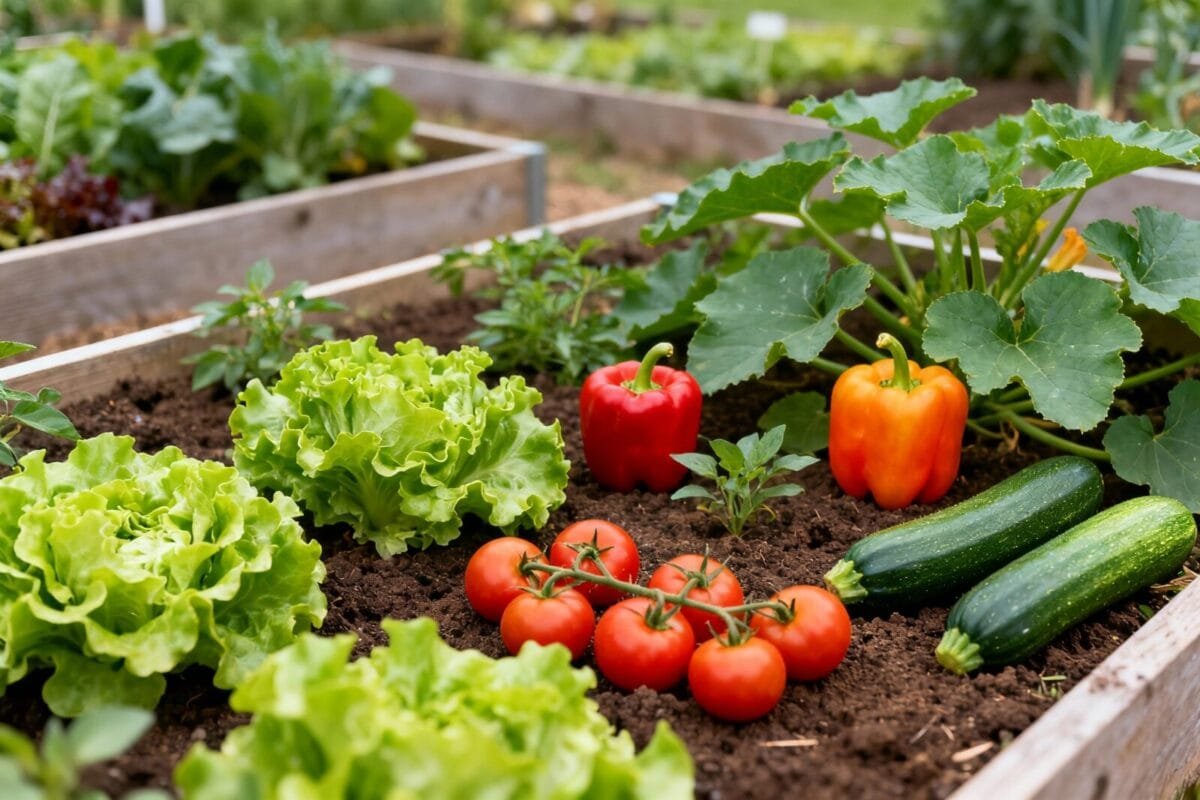
- 4×8 bed: 2 cherry tomatoes (caged), 2 zucchini on corners, 2 rows of beans, and a strip of lettuce/radishes up front.
- Balcony setup: Tomato in a 10+ gallon pot, a window box of greens, a pot of basil, and a bucket of potatoes.
Set-It-and-Forget-It Watering (Almost)
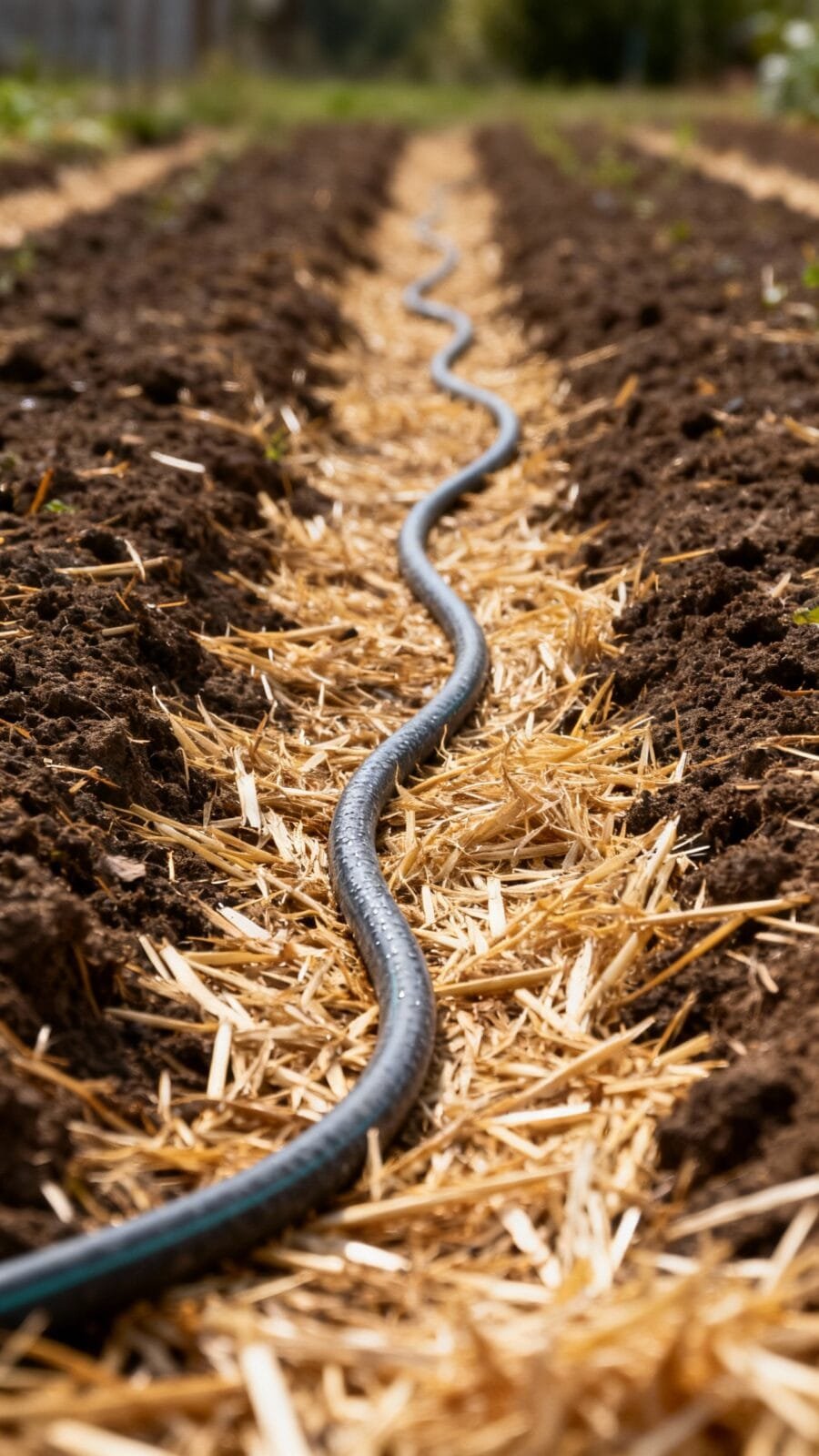
You don’t need a fancy irrigation system. A cheap soaker hose does most of the work for you.
- Soaker hose: Lay it between rows.Run 30-45 minutes, 2-3 times a week depending on heat.
- Mulch: Add 2-3 inches of straw, shredded leaves, or wood chips to hold moisture and block weeds.
- Finger test: Stick your finger 2 inches into the soil. Dry? Water.Still damp? Chill.
Pests and Problems (Without Panic)
Don’t spiral at the first hole in a leaf. Plants can handle some munching.
Focus on simple prevention.
- Barriers: Row covers keep bugs off greens and squash early in the season.
- Hand pick: Remove caterpillars and beetles. It’s weirdly satisfying.
- Encourage allies: Plant flowers like marigolds and calendula to attract beneficial insects.
- Water wisely: Wet leaves invite disease. Water the soil, not the foliage.
Common Oops Moments
- Overcrowding: Give plants space so air can move.Tight plants invite disease.
- Overwatering: Roots need oxygen. Soggy soil = sad plants.
- Planting too early: Frost zaps tomatoes and squash. Wait until nights stay above 50°F.
Harvesting Without Guesswork
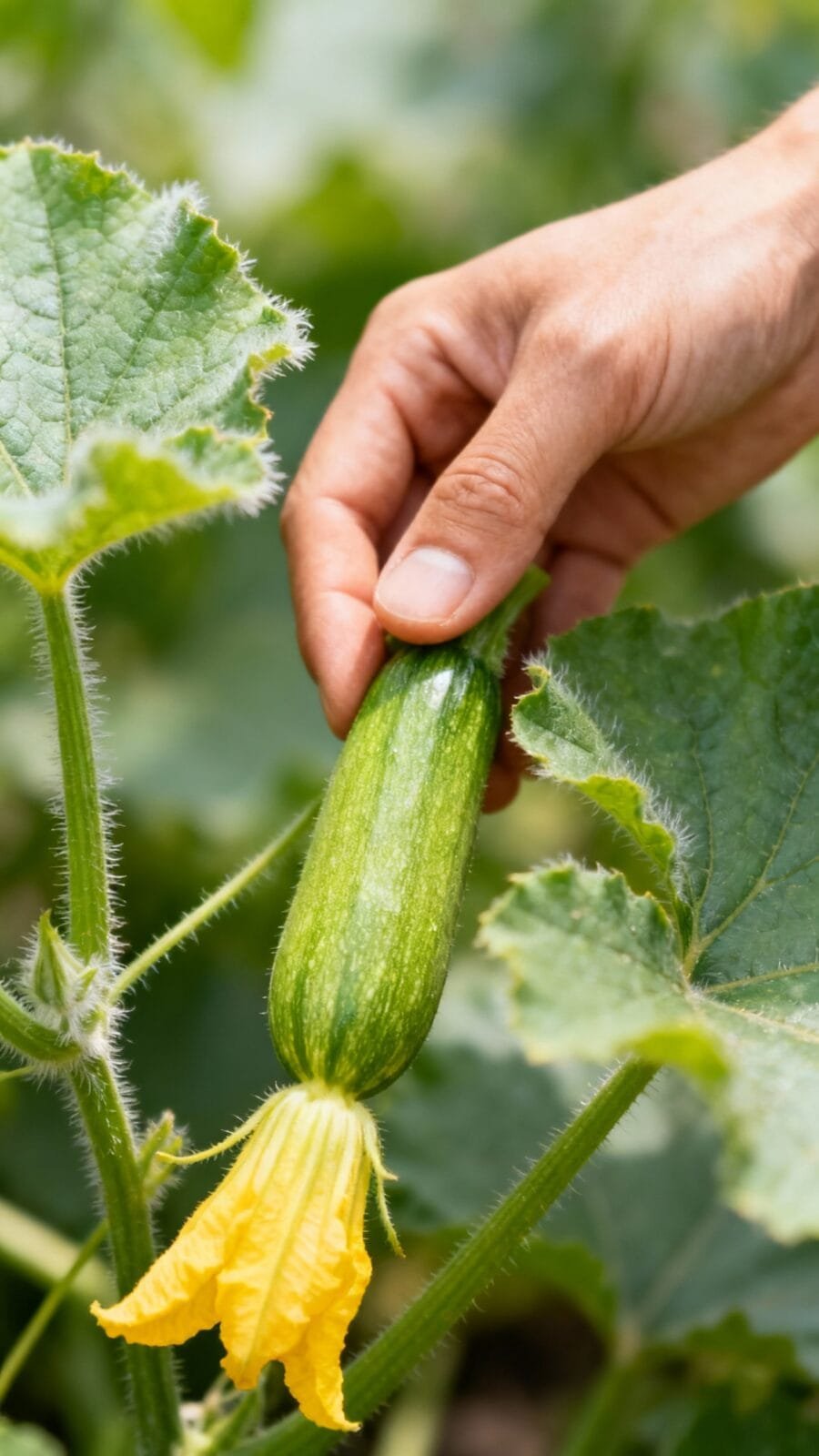
Harvesting feels confusing at first, but it’s not rocket science.
Use your eyes and taste buds.
- Lettuce and greens: Cut outer leaves when they’re 3-6 inches. Keep the center intact.
- Radishes: Tug when roots look golf-ball sized. If tops flop, they’re probably ready.
- Beans: Pick when plump but not bumpy.If you feel seeds bulging, you waited too long.
- Zucchini: Harvest at 6-8 inches. Bigger isn’t better—unless you’re making zucchini bread, then go wild.
- Cherry tomatoes: Pick when fully colored and slightly soft. Taste test encouraged (required, IMO).
- Potatoes: New potatoes when plants flower; main crop after foliage dies back.
Quick shortcut: If you’re in the U.S., use Urban Farmer’s Planting Schedules to look up your USDA hardiness zone (or select your state) and get a clear, zone-based vegetable planting calendar—so you can time seeds and transplants with way less guesswork. Use it as a starting point and adjust for your local microclimate and frost risk.
Link is here: https://www.ufseeds.com/planting-schedules.html
FAQ
Do I need raised beds to succeed?
Nope.
Raised beds help with drainage and tidiness, but you can grow great veggies in the ground or containers. If your soil drains poorly, raised beds or tall containers make life easier, but they’re optional.
How often should I fertilize?
Use a slow-release organic fertilizer at planting and top up mid-season for heavy feeders like tomatoes and squash. Compost or a diluted liquid feed every few weeks keeps greens happy.
Don’t overdo it—too much nitrogen makes leafy plants and no fruit.
What’s the easiest way to start seeds?
Direct sow when possible: radishes, beans, greens, and squash prefer it. For tomatoes and some herbs, buy healthy starts from a nursery. If you start indoors, give seedlings strong light and don’t keep the soil soggy.
How do I keep weeds under control without losing my mind?
Mulch is your best friend.
Lay 2-3 inches around plants and between rows. Weed for 10 minutes twice a week and you’ll never face a jungle. Tiny weeds pull easily—catch them early.
Can I garden if I only have shade?
Partial shade still grows food.
Try lettuce, spinach, arugula, parsley, and mint. Fruit-heavy plants like tomatoes and squash need more sun, but you can squeeze by with 5-6 hours if you choose compact, early varieties.
What if I forget to water for a few days?
Most of these crops bounce back. Give a deep soak and mulch to prevent future dry-outs.
Consider a timer on a soaker hose if you travel or get forgetful (no judgment).
Wrap-Up: Keep It Easy, Keep It Fun
Start small, pick forgiving plants, and let your garden teach you. You’ll mess up a little, and that’s fine—plants want to grow. Focus on sun, soil, and steady water, and choose the crops above for fast wins.
Next thing you know, you’ll be handing out cherry tomatoes like candy and Googling “what to do with too much zucchini.” FYI: you’re officially a gardener.
One last thing: some weeks your plants will “survive” more than they “thrive,” and that’s completely normal. A garden isn’t a test—it’s a habit. If you end the week with a handful of greens or a few tomatoes for dinner, you’re doing it right.