Spider Plant Care: Beginner’s Guide to Growing Healthy Spider Plants Indoors
Spider plants don’t ask for much, but they give a lot—fresh vibes, arching leaves, and adorable baby “spiderettes” that look like tiny aliens hanging out. If you want a houseplant that thrives with minimal fuss, you just found it. Let’s cut the fluff and get you growing a lush, happy spider plant that survives your busy life and occasional neglect. Sound good? Cool—let’s dig in.
Meet the Spider Plant (a.k.a. Your New Low-Maintenance Bestie)
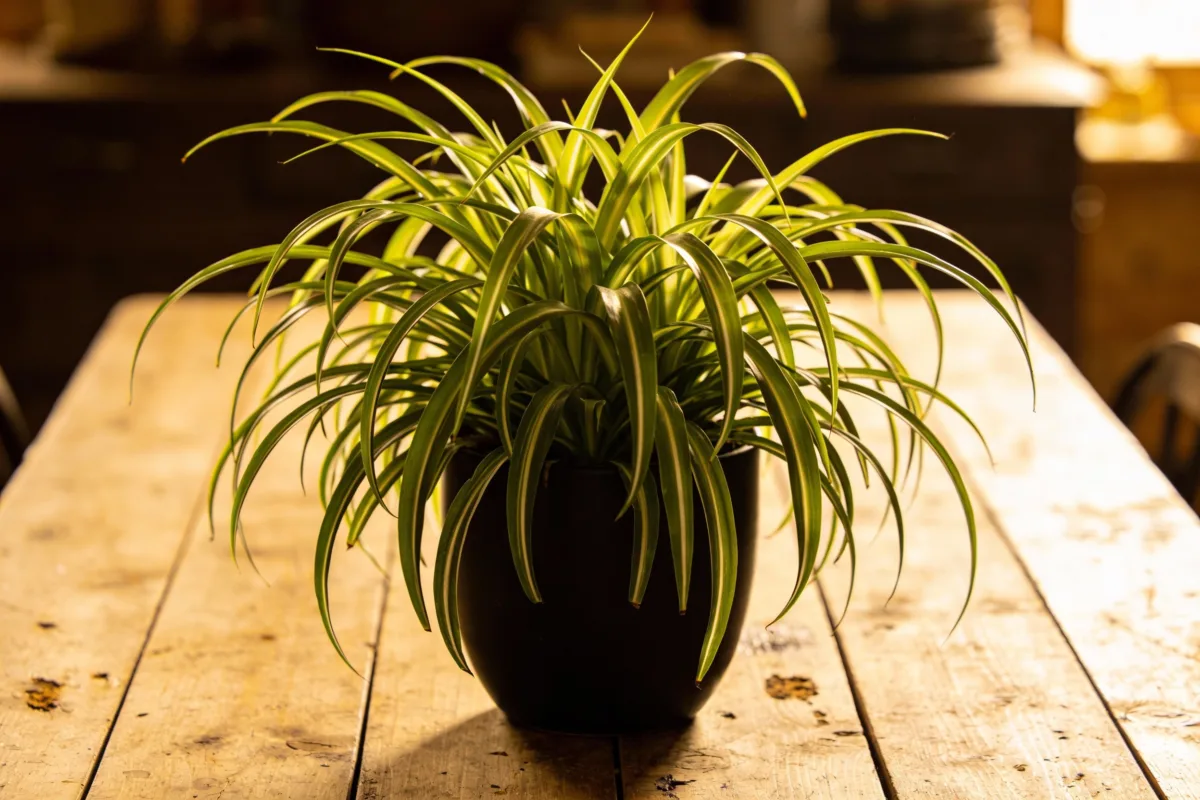
Spider plants (Chlorophytum comosum) handle apartment life, office life, and “oops, I forgot to water you” life like champs. They grow fast, bounce back from minor mistakes, and even throw a party by producing baby plants on long stems. They’re basically the gateway plant to indoor gardening—perfect for beginners and folks who don’t want drama.
Light: Bright, But Not Blinding
Spider plants love bright, indirect light. Think near a window with filtered sun—not glued to the glass in full afternoon blast. Too much direct sun can scorch the tips, and too little light can fade the variegation.
Best spots
- East-facing window for gentle morning light
- Bright rooms with sheer curtains
- A few feet back from a sunny south or west window
Grow lights? Totally fine
If your space feels cave-like, use an LED grow light for 10–12 hours a day. Keep it 12–18 inches above the plant. FYI: Your plant will forgive you for winter gloom, but it won’t thrive in a dark hallway forever.
Watering: Don’t Overthink It (or Overwater It)
Spider plants like even moisture, but they hate soggy roots. Water when the top inch of soil feels dry. In most homes, that means every 7–10 days. In winter, space it out a bit more.
Pro tips to avoid drama
- Use room-temperature water. Cold water can shock the roots.
- If your tap water contains lots of fluoride or chlorine, use filtered or let water sit out overnight. It can help prevent brown tips.
- Let extra water drain. No plant enjoys wet socks (aka a waterlogged saucer).
Soil & Pot: Give Those Roots Some Breathing Room
Spider plants prefer a well-draining potting mix. Use a general houseplant mix with added perlite for aeration. They don’t want heavy, compact soil.
Pot size and material
- Pick a pot with drainage holes. Non-negotiable.
- Terracotta helps prevent overwatering because it wicks moisture.
- Go up one pot size at a time when repotting—spider plants like being slightly snug.
Humidity, Temperature, and Airflow: Keep It Comfy
Normal household humidity works fine. If you live in desert-dry conditions, bump humidity a tad with a pebble tray or nearby humidifier—especially in winter. Ideal temps: 60–80°F (15–27°C). Avoid freezing drafts and heat vents. Spider plants enjoy fresh air, but not tornado-level fans.
Feeding: Light Meals, Not Buffets
During spring and summer, feed monthly with a balanced, water-soluble fertilizer at half strength. Skip winter feedings or cut way back. Spider plants don’t need protein shakes to bulk up; they just want a snack. Overfertilizing = brown tips and sad vibes.
Pruning, Grooming, and Those Cute Baby Spiderettes
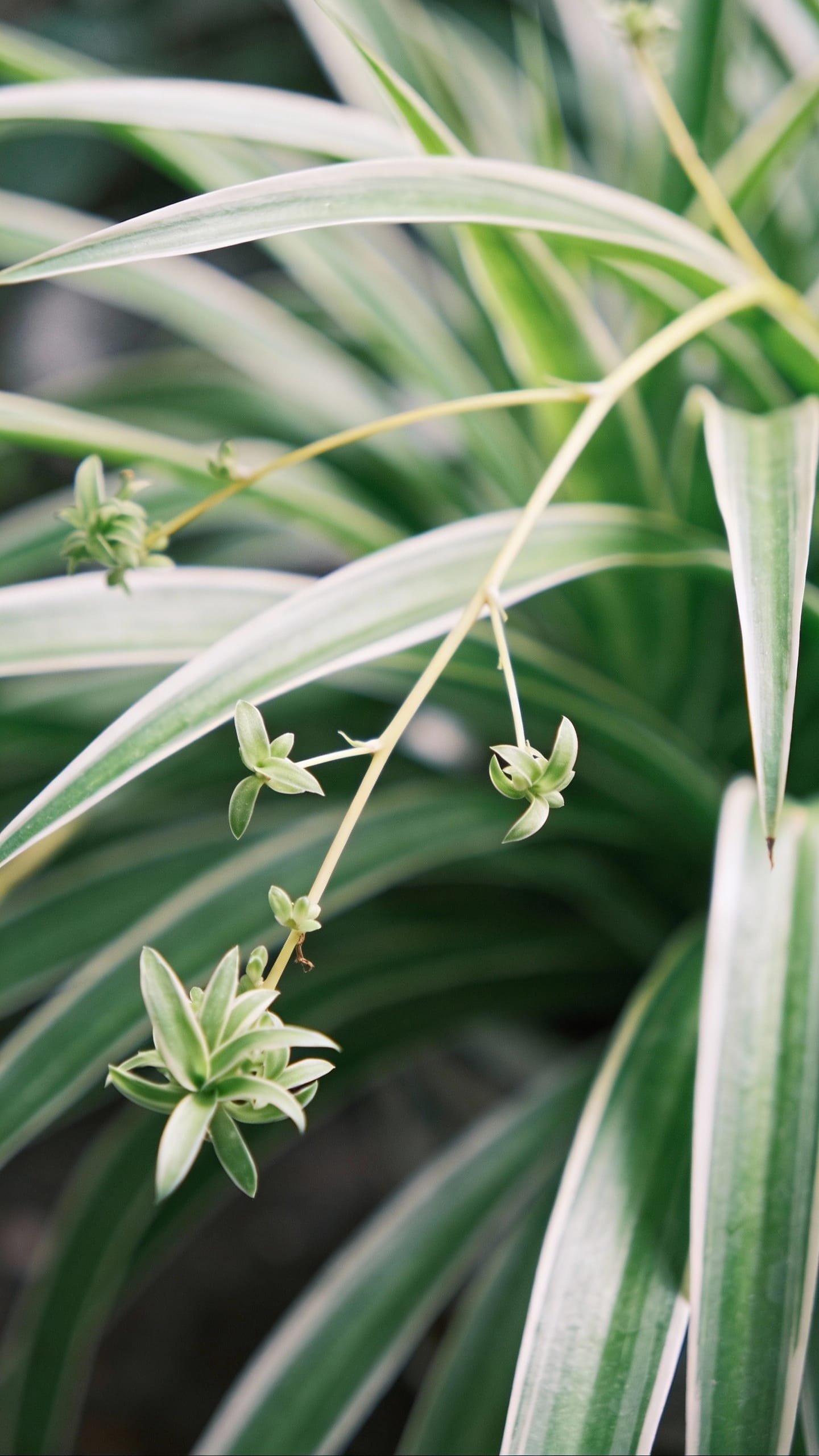
Trim brown tips and dead leaves with clean scissors to keep things tidy. If tip burn bugs you, it often points to inconsistent watering, fluoride in water, or too much fertilizer.
What about the babies?
Those long arching stems with mini plants mean your spider plant feels good about life. You can:
- Leave them on for a cascading look—very boho-chic.
- Trim the stems if they feel messy or heavy.
- Propagate them (more on that in a sec).
Propagation: Free Plants, Anyone?
Spider plants practically throw free plants at you. Here’s the easiest way:
- Wait for a baby with small roots or bumps at the base.
- Snip it off or keep it attached while you root it (either works).
- Place the baby in water or stick it in moist potting mix.
- If rooting in water, transfer to soil once roots reach 1–2 inches.
- Keep the soil lightly moist for the first few weeks while it settles.
IMO, rooting in soil from the start gives sturdier plants, but water rooting is fun if you like watching roots grow like a nerd (same).
Common Problems (and Chill Fixes)
Spider plants rarely spiral, but when they do, here’s how to help.
Brown leaf tips
- Cause: Fluoride/chlorine in water, inconsistent watering, low humidity, or overfertilizing.
- Fix: Use filtered water, water more consistently, trim tips, reduce fertilizer.
Yellowing leaves
- Cause: Overwatering or poor drainage.
- Fix: Let soil dry slightly, check drainage holes, repot into well-draining mix if needed.
Droopy plant
- Cause: Underwatering, rootbound pot, or extreme temps.
- Fix: Water thoroughly, check if roots circle the pot (repot if yes), move away from vents/drafts.
Pests (ugh, why)
- Spider mites: Fine webbing and stippled leaves. Rinse leaves, increase humidity, use insecticidal soap.
- Mealybugs/aphids: Sticky residue or cottony clusters. Dab with alcohol on a cotton swab, then spray with soap.
Styling and Placement Ideas
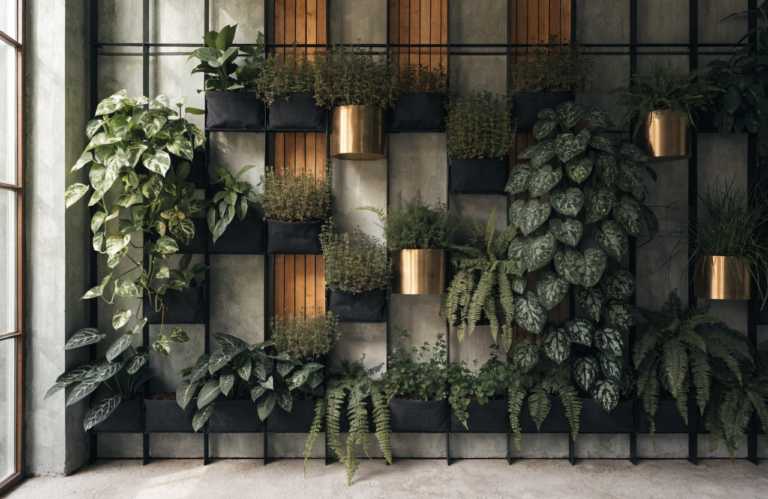
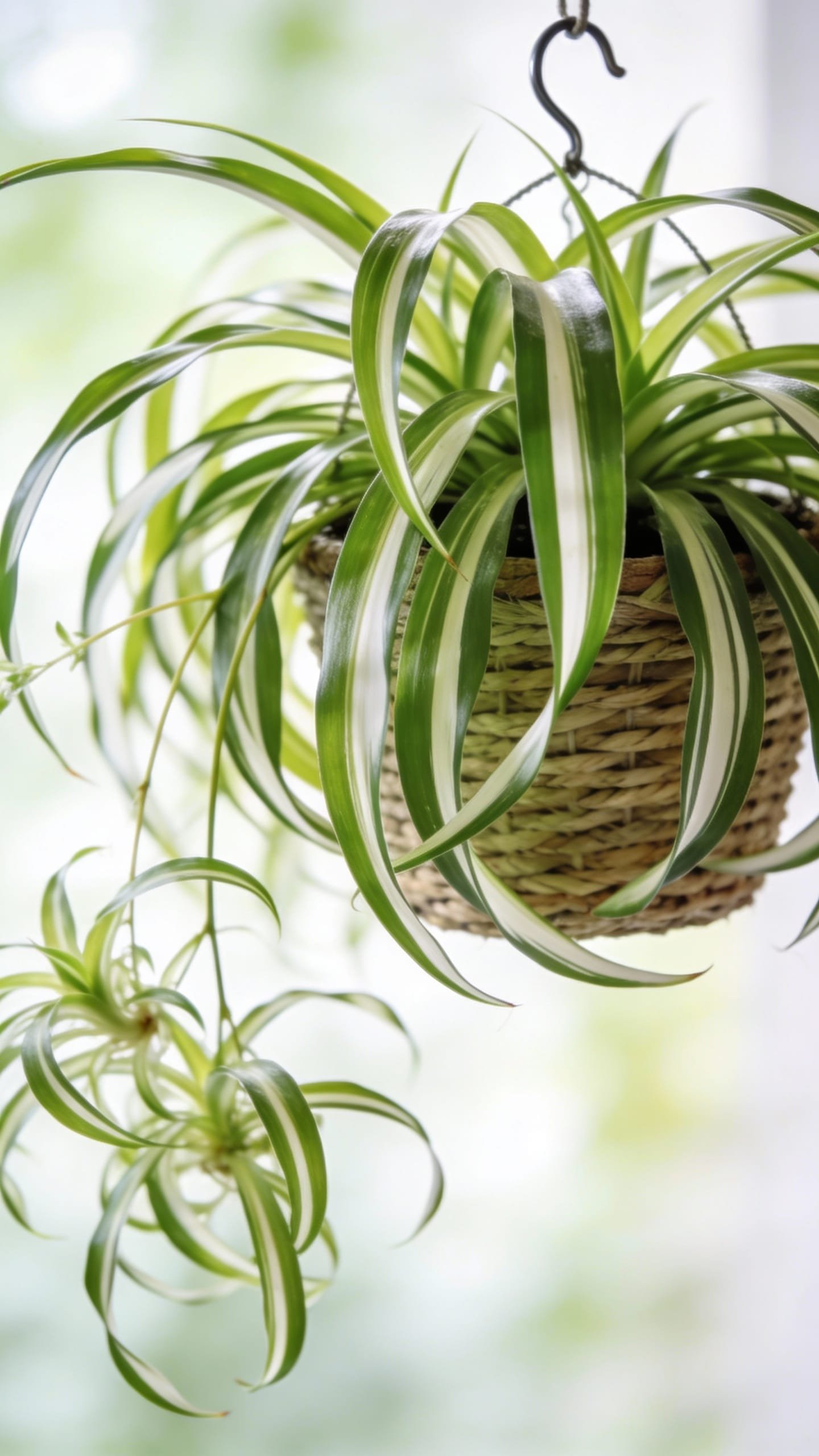
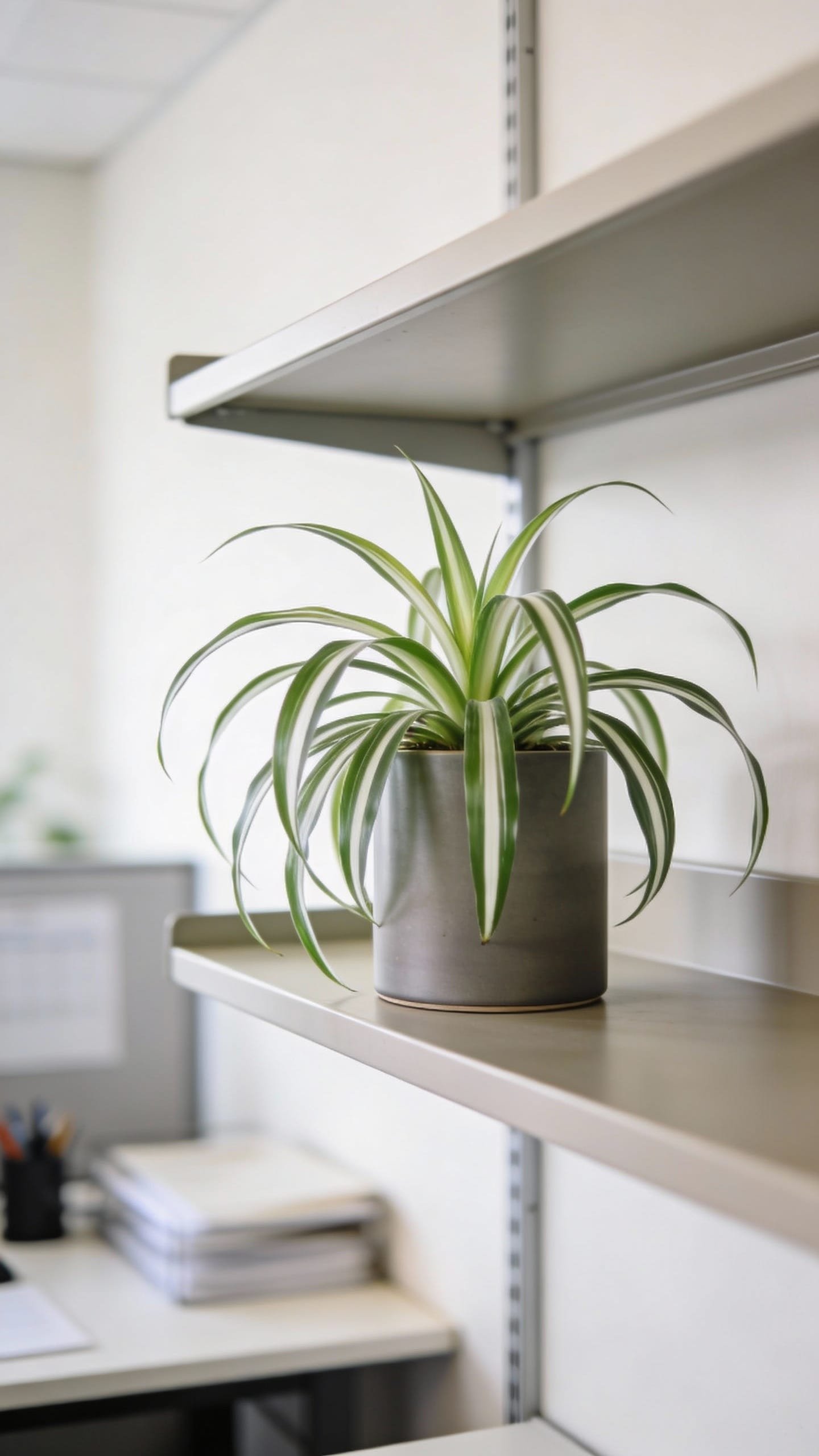
You don’t need a design degree to make spider plants pop. Hang them in a macramé planter, perch them on a shelf, or let them spill over a bookcase for cozy jungle vibes. They look amazing in bathrooms with bright, indirect light because they enjoy the steam. Just don’t cram them in a dark corner and expect magic, OK?
Pairing with other plants
- Pothos or philodendron for a cascading duo
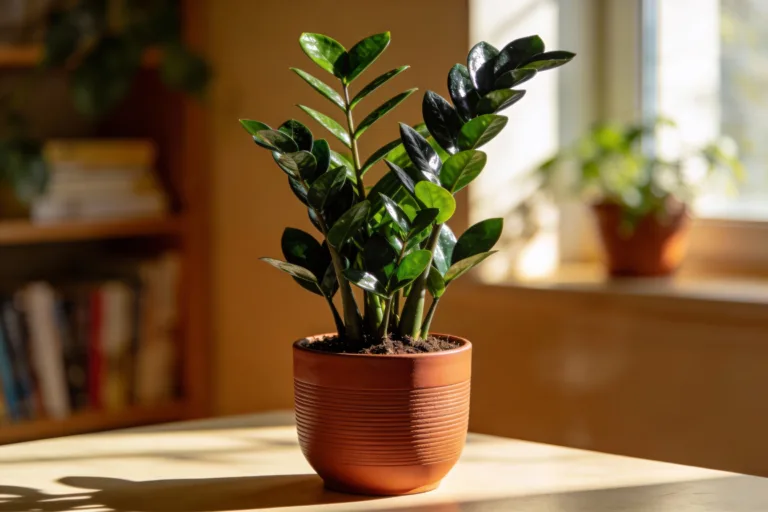
- ZZ plant for contrast and low-maintenance synergy
- Peace lily if you want a lusher, humidity-loving corner
FAQ
Why does my spider plant have brown tips?
Brown tips usually come from fluoride or chlorine in tap water, inconsistent watering, or too much fertilizer. Switch to filtered water, keep a steady watering schedule, and feed lightly. Trim the tips for looks—it won’t hurt the plant.
How often should I repot?
Every 1–2 years works for most plants. If you see roots circling the surface or poking through the drainage holes, go up one pot size. Repot in spring for the smoothest recovery.
Can spider plants live in low light?
They’ll survive low light, but they won’t thrive or produce many babies. Variegation may fade, and growth slows. If low light is your reality, consider a small grow light to keep it happy.
Are spider plants safe for pets?
Yes—spider plants are non-toxic to cats and dogs. Cats might nibble the leaves like salad, though. Hang the plant or place it out of reach if your feline thinks it’s a snack bar.
Do spider plants clean the air?
They help a bit, but they won’t replace your HVAC filter. They can absorb some pollutants, which is cool, but don’t expect a single spider plant to purify your whole apartment. Nice bonus, not a miracle.
Why isn’t my spider plant making babies?
It needs maturity, bright indirect light, and a little patience. Older plants and those slightly snug in their pots tend to produce more spiderettes. Ensure it gets good light and modest feeding—then wait.
Conclusion
Spider plants keep things easy and rewarding—like the friend who always texts back and brings snacks. Give yours bright, indirect light, consistent watering, and a breathable soil mix. Trim when needed, propagate the babies, and enjoy the cascade. FYI: Once you grow one well, you’ll end up with three. Ask me how I know.