Philodendron Plant Care: Easy Beginner’s Guide to Light, Water and Repotting for Lush Indoor Vines
You want lush, trailing vines without the drama? Philodendrons deliver. They grow fast, forgive forgetful watering, and look like a mini jungle draped over your bookshelf. If you’ve ever killed a succulent (no judgment), this is your redemption arc. Let’s get you set up with light, water, and repotting so your philodendron thrives, not just survives.
Meet Your New Favorite Houseplant
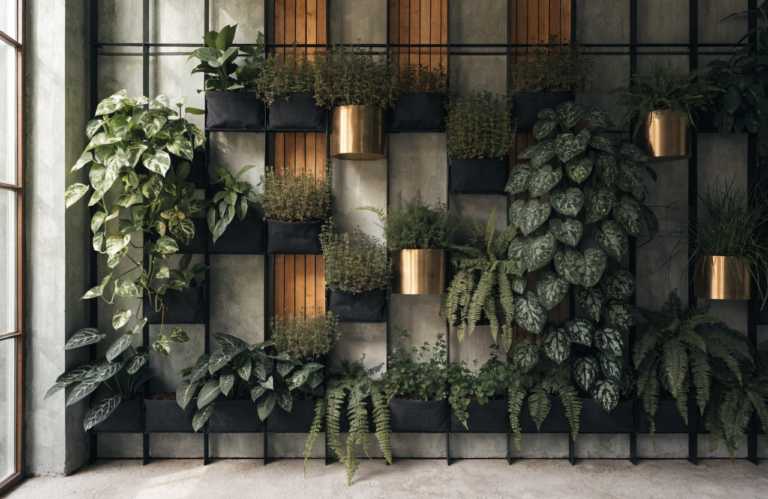
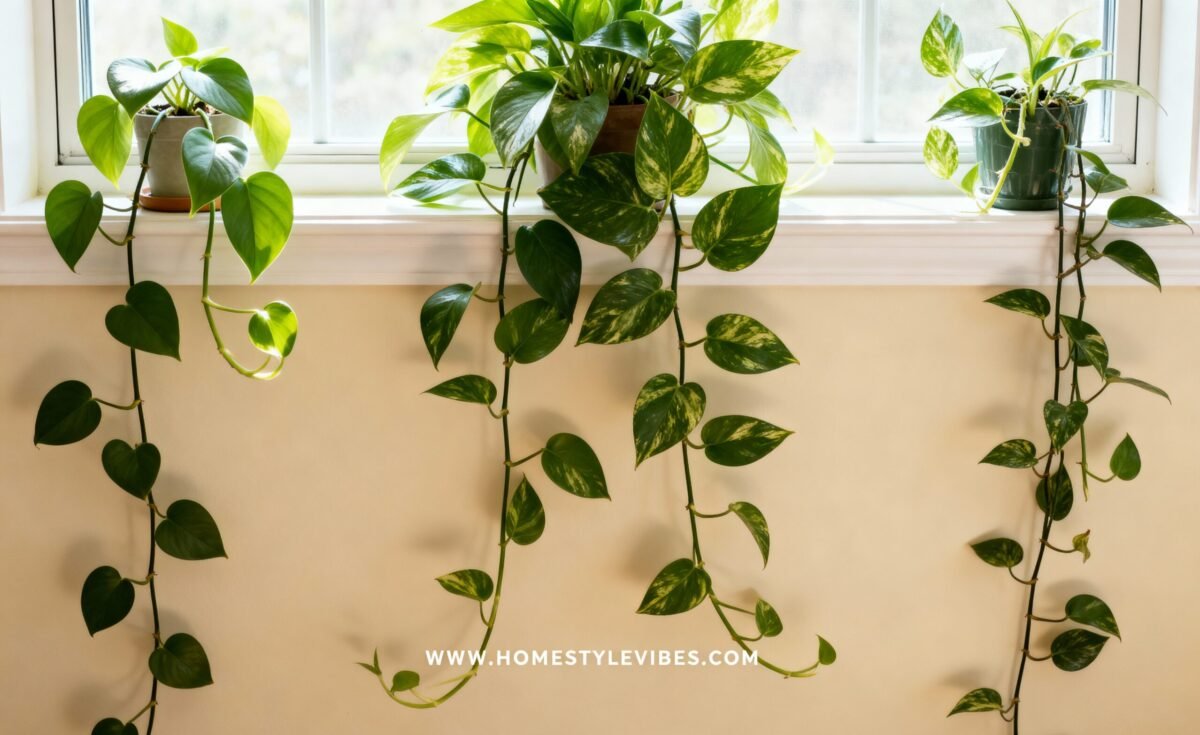
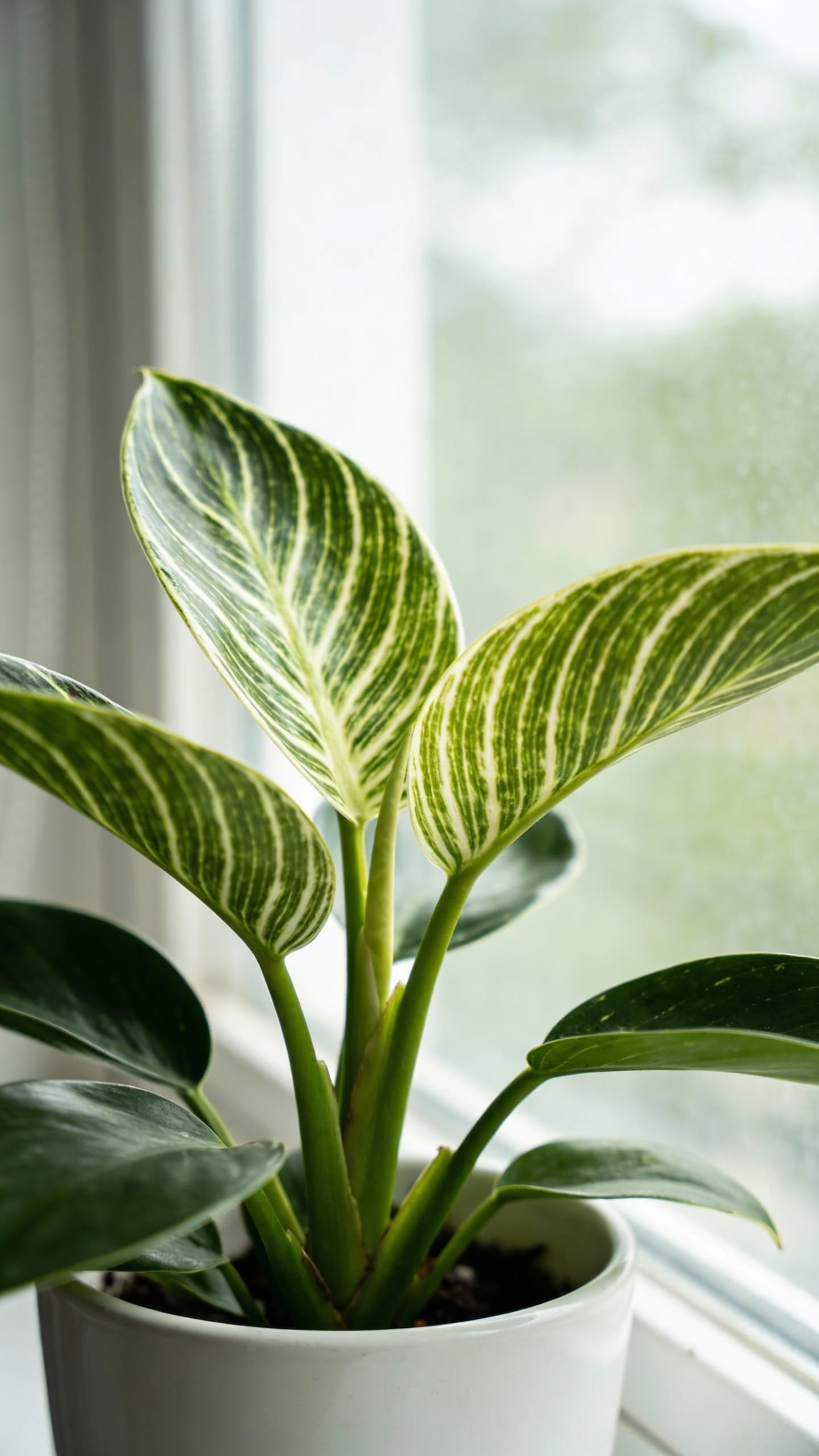
Philodendrons come in two vibes: vining (like Heartleaf philodendron) and self-heading (like Philodendron ‘Birkin’). Vining types dangle or climb. Self-heading types grow upright with bigger leaves. Both handle indoor life like champs.
Not sure which you have? If it sends out long stems and looks like it wants to hang off everything you own, it’s a vining type. Perfect for shelves, hanging baskets, or a moss pole.
Light: Bright, Indirect = Happy Vines
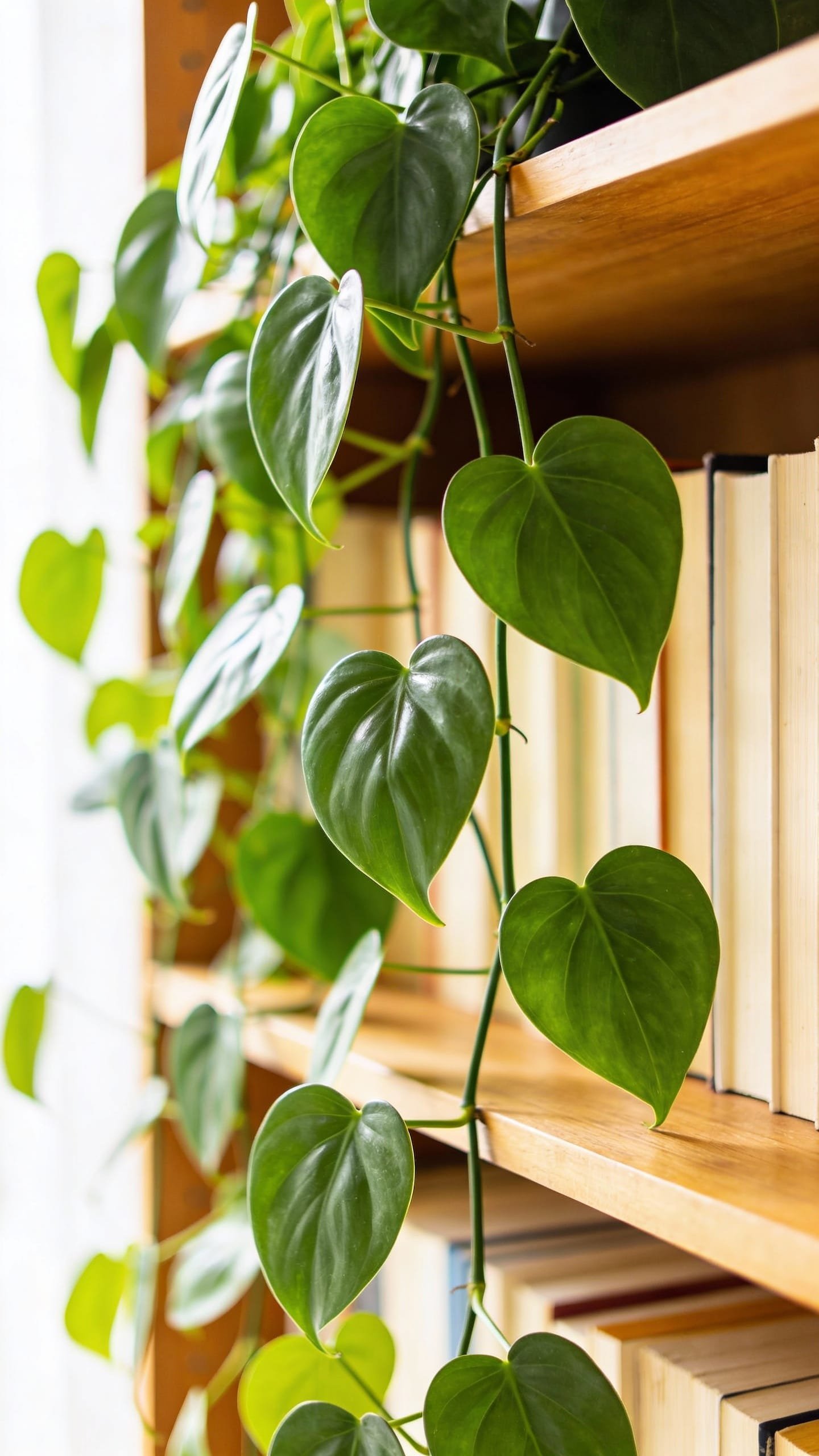
Think “well-lit room but no sunburn.” Philodendrons love bright, indirect light, and they tolerate lower light better than most houseplants. But lower light means slower growth and smaller leaves.
- Best spot: Near an east or north window, or a few feet back from a bright south/west window.
- Avoid: Harsh direct sun for hours. Leaves get crispy edges and faded color.
- Too little light signs: Long, stretched stems and tiny leaves. The plant’s basically asking for a window seat.
Can I use grow lights?
Yes, absolutely. Place a full-spectrum LED about 12–18 inches above the plant for 10–12 hours daily. It’s the indoor equivalent of a tropical vacation (minus the sand).
Watering: Don’t Love It to Death
Here’s the rule: let the top 1–2 inches of soil dry out before watering again. No schedules. Your plant doesn’t care that it’s Thursday. It cares about moisture levels.
- Finger test: Stick your finger in the soil. If it feels dry up to your first knuckle, water.
- Water thoroughly: Drench until water drains out the bottom, then empty the saucer.
- Overwatering signs: Yellowing leaves, mushy stems, and a soil smell like a swamp. Not the vibe.
- Underwatering signs: Droopy leaves that perk back up after watering. It’s dramatic, but forgivable.
Seasonal tweaks
In spring and summer, the plant grows and drinks more. In fall and winter, it chills and needs less water. Adjust accordingly. IMO, this is the most common place people mess up.
Soil and Pots: Keep It Breathable
Philodendrons like light, chunky, fast-draining soil. Dense, heavy mixes suffocate roots and invite rot.
- DIY mix: 2 parts high-quality potting mix + 1 part perlite + 1 part orchid bark. Add a pinch of charcoal if you’re fancy.
- Pot choice: Always use drainage holes. Terracotta helps wick moisture away if you overwater (FYI, it dries out faster).
Repotting: When and How
You don’t need to repot every five minutes. Repot every 1–2 years, or when roots circle the pot, water runs straight through, or growth stalls.
Step-by-step repot
- Pick the right size: Go up 1–2 inches in diameter. Bigger isn’t better; huge pots = wet soil = sad roots.
- Loosen the roots: Gently untangle circling roots so they spread out.
- Refresh the soil: Use a chunky mix and set the plant at the same depth as before.
- Water and rest: Water thoroughly, then give it bright, indirect light and peace for a week.
Feeding, Pruning, and Training
You don’t need a chemistry degree for this. Philodendrons like a little food during their grow-time and a haircut when they get leggy.
- Fertilizer: Feed monthly in spring/summer with a balanced liquid fertilizer at half strength. Skip winter.
- Pruning: Snip leggy stems above a node to encourage fuller growth. Use clean scissors. Your plant will bush out like it got a blowout.
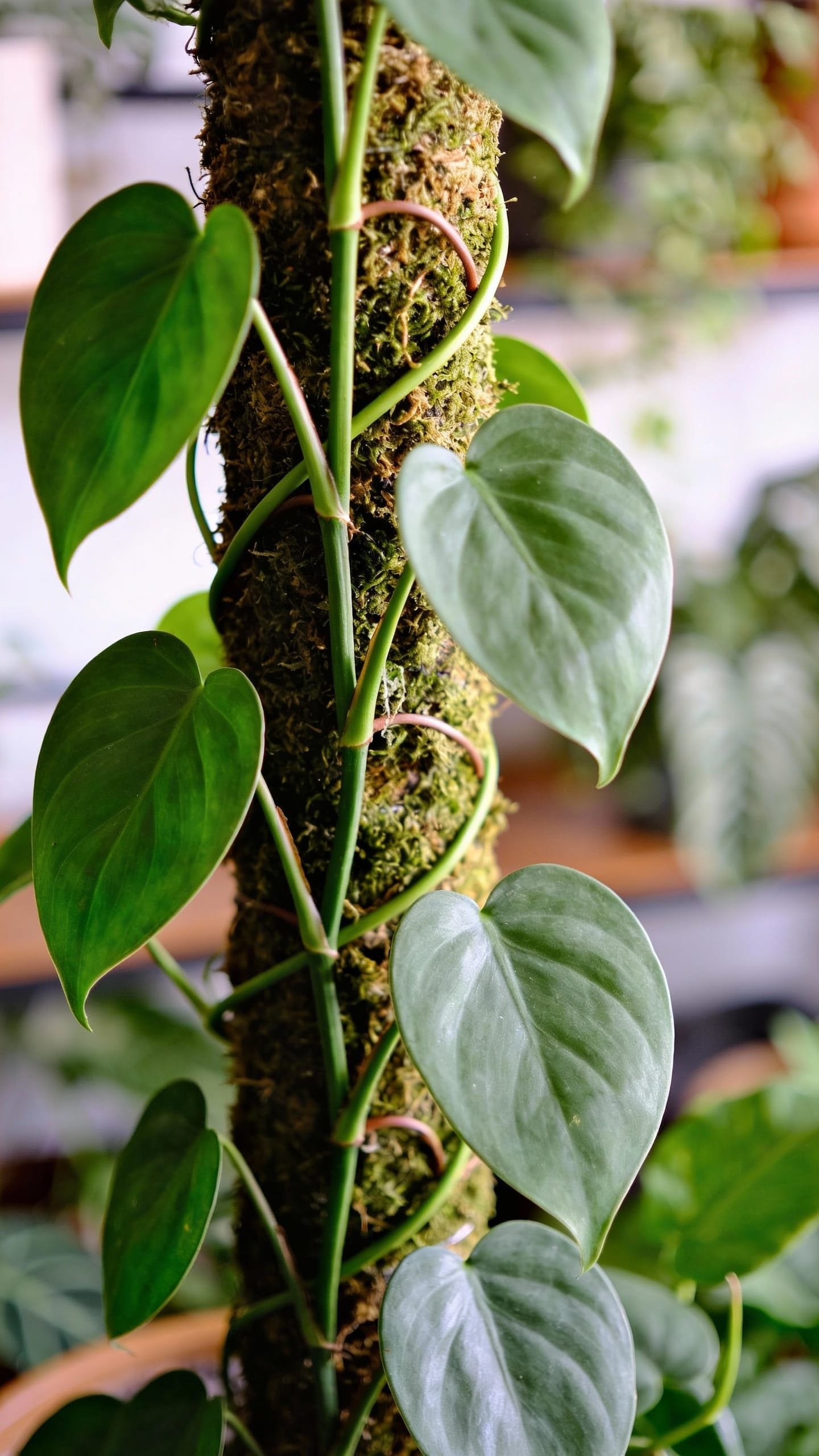
- Training: For vines, add a moss pole or trellis. Tie stems loosely as they grow. Climbing often means bigger leaves—yes, please.
Propagating cuttings
Cut below a node (where a leaf meets the stem) and include at least one node. Root in water or directly in moist soil. In water, change it weekly; plant once roots are a couple inches long. New plant, who dis?
Humidity, Temperature, and Other Vibes
Philodendrons prefer average indoor temps (65–80°F) and moderate humidity (40–60%). They won’t throw a tantrum if your air is dry, but they’ll look extra lush with a bit more humidity.
- Easy humidity boost: Group plants or use a pebble tray. Humidifiers if you want to be that person. (Do it. It works.)
- Drafts: Keep away from AC blasts and heaters. Cold, dry air = crispy leaves.
Common Problems (And Chill Fixes)
Plants panic. You don’t have to.
- Yellow leaves: Usually overwatering or old leaves aging out. Check soil moisture before spiraling.
- Brown tips/edges: Underwatering or low humidity. Water more consistently and boost humidity.
- Pests: Mealybugs, spider mites, aphids. Wipe leaves, then treat with insecticidal soap or neem weekly until gone.
- Leggy growth: Not enough light. Move closer to a window or add a grow light. Prune to encourage branching.
FAQ
Are philodendrons safe for pets?
Philodendrons are toxic if ingested due to calcium oxalate crystals. Keep them out of nibbling range and call your vet if your pet chews a leaf. Consider pet-safe alternatives if your cat thinks every plant is a salad.
How often should I water a philodendron?
Water when the top 1–2 inches of soil feel dry. That might be weekly in summer and every 10–14 days in winter, but always check the soil first. The plant’s thirst changes with light, pot size, and temperature.
Why are my philodendron’s leaves turning yellow?
Most often, overwatering or poor drainage. Make sure the pot has holes, the soil drains well, and you let it dry slightly between drinks. Older leaves also yellow naturally—if new growth looks good, don’t panic.
Can philodendrons live in low light?
They can survive, but they won’t flex. Expect slower growth, smaller leaves, and more space between leaves. Give them at least bright, indirect light for that lush, jungle look.
Should I mist my philodendron?
Misting provides a brief humidity bump and cleans dust, but it doesn’t change the room’s humidity for long. If you want real results, use a humidifier, pebble tray, or cluster plants. Still, a quick mist + leaf wipe is great for dust control.
What’s the difference between pothos and philodendron?
They look similar, but philodendron leaves feel thinner and more heart-shaped with a matte finish. Pothos have thicker, waxier leaves with a little ridge mid-leaf. Care is nearly the same, so you win either way.
Wrap-Up: Your Lush Vine Era Starts Now
Give your philodendron bright, indirect light, water when the top inch dries, and repot every year or two into a breathable mix. Train it to climb, snip it when it gets leggy, and feed it lightly during growth season. Do that, and you’ll have cascading vines that make your space look curated, not chaotic. IMO, it’s the easiest “instant jungle” you can grow.