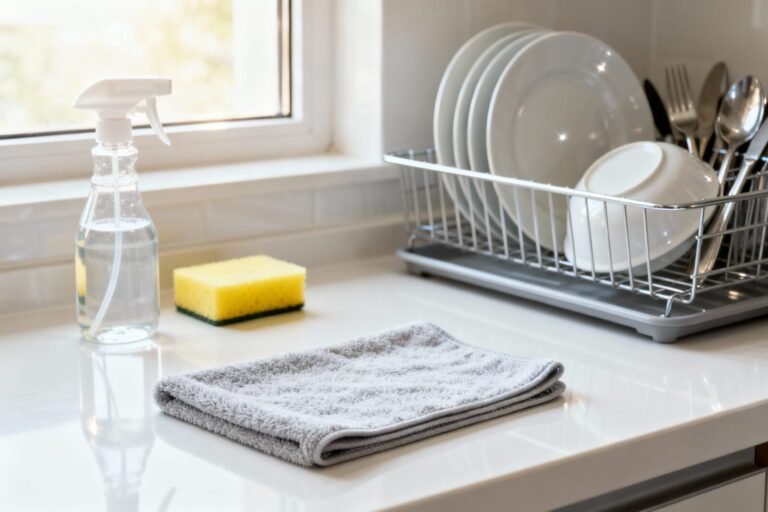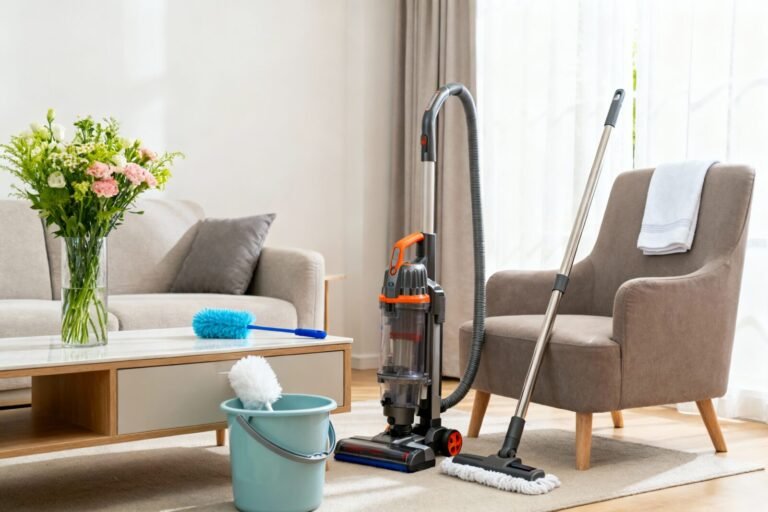
Pet-friendly Diy Cleaning Solutions (no Harsh Fumes)
Your mop shouldn’t smell like a chemistry lab, and your pet shouldn’t sneeze every time you clean the floor. If you’ve ever sprayed a cleaner and watched your cat side-eye you from across the room, same. Let’s ditch the harsh fumes and switch to cleaning recipes that actually work, won’t wreck your air, and keep paws safe.
Ready to clean smarter without the toxic cloud? Grab a jar and a sense of humor.
Why Go Fume-Free When You’ve Got Fur Babies
Pets hang out on floors, lick surfaces, and nap on literally everything. So when we leave behind strong fragrances or residue, they get a front-row seat.
Not ideal. Beyond that, many traditional cleaners contain solvents or bleach that irritate eyes, skin, and throats. Our pets breathe faster than we do, so they feel it more. Bottom line: Fume-free DIY cleaners can still crush grime.
They just skip the stuff that makes your house smell like a pool supply store.
Pet-Safe Ingredients That Actually Work
You don’t need a lab. You need a handful of basics you can pronounce.
- Distilled white vinegar: Cuts grease, removes mineral deposits, deodorizes. Don’t use on natural stone (marble, travertine, granite) or fresh spills on waxed floors.
- Baking soda: Mild abrasive and deodorizer.Great for sinks, litter boxes, carpets.
- Unscented liquid castile soap: Gentle, effective surfactant for all-purpose cleaning.
- Hydrogen peroxide (3%): Non-chlorine oxidizer for stains and sanitizing. Keep out of direct light; spot test colored fabrics.
- Rubbing alcohol (70%): Fast-evaporating for glass and stainless. Keep pets away until dry.
- Hot water and elbow grease: Seriously underrated combo.
Skip or limit essential oils around pets, especially cats and birds.
If you insist, use tiny amounts and ventilate well. IMO, unscented wins.
Simple, No-Fume Recipes You’ll Actually Use
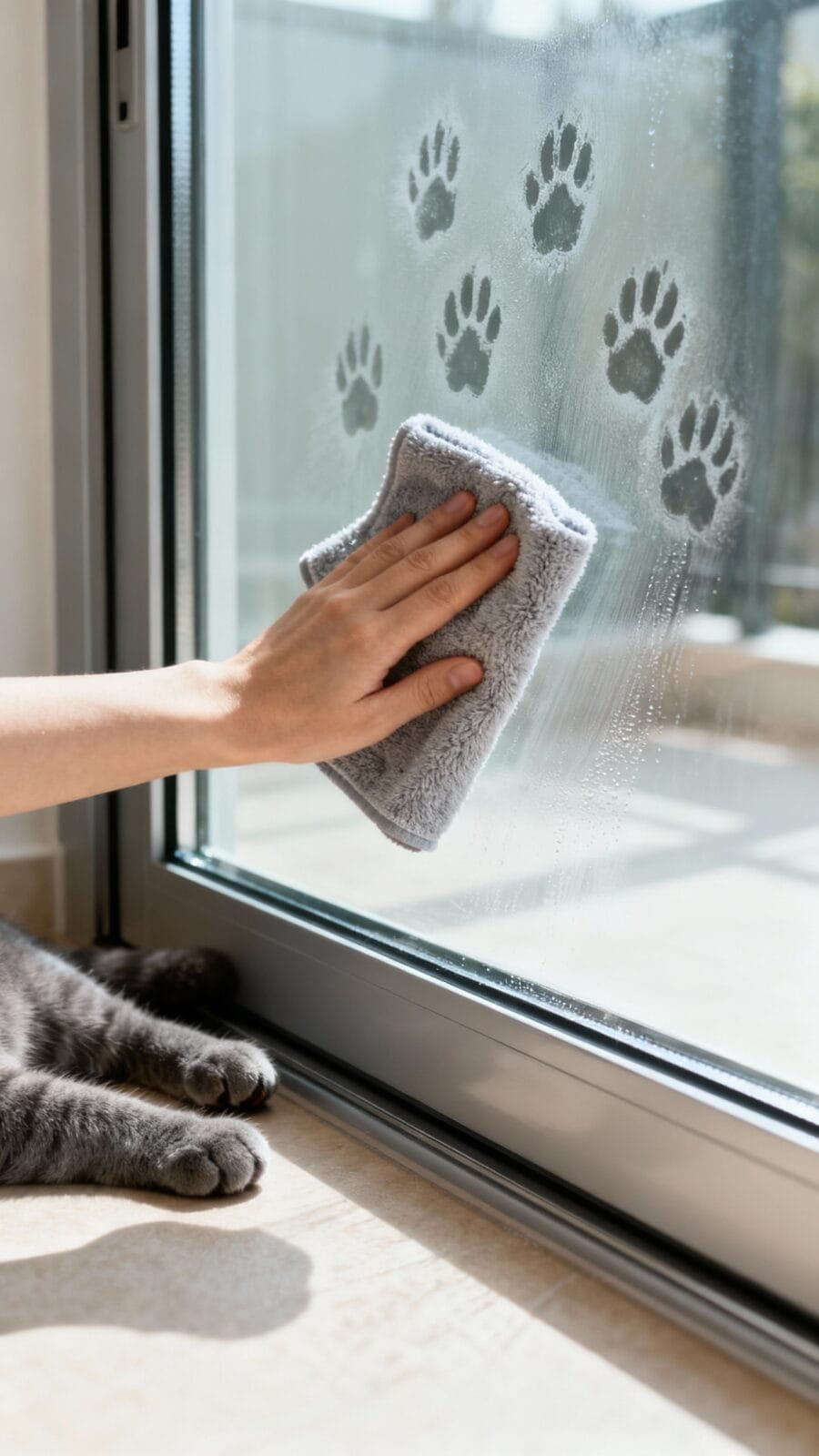
1) Streak-Free Glass + Paw-Print Remover
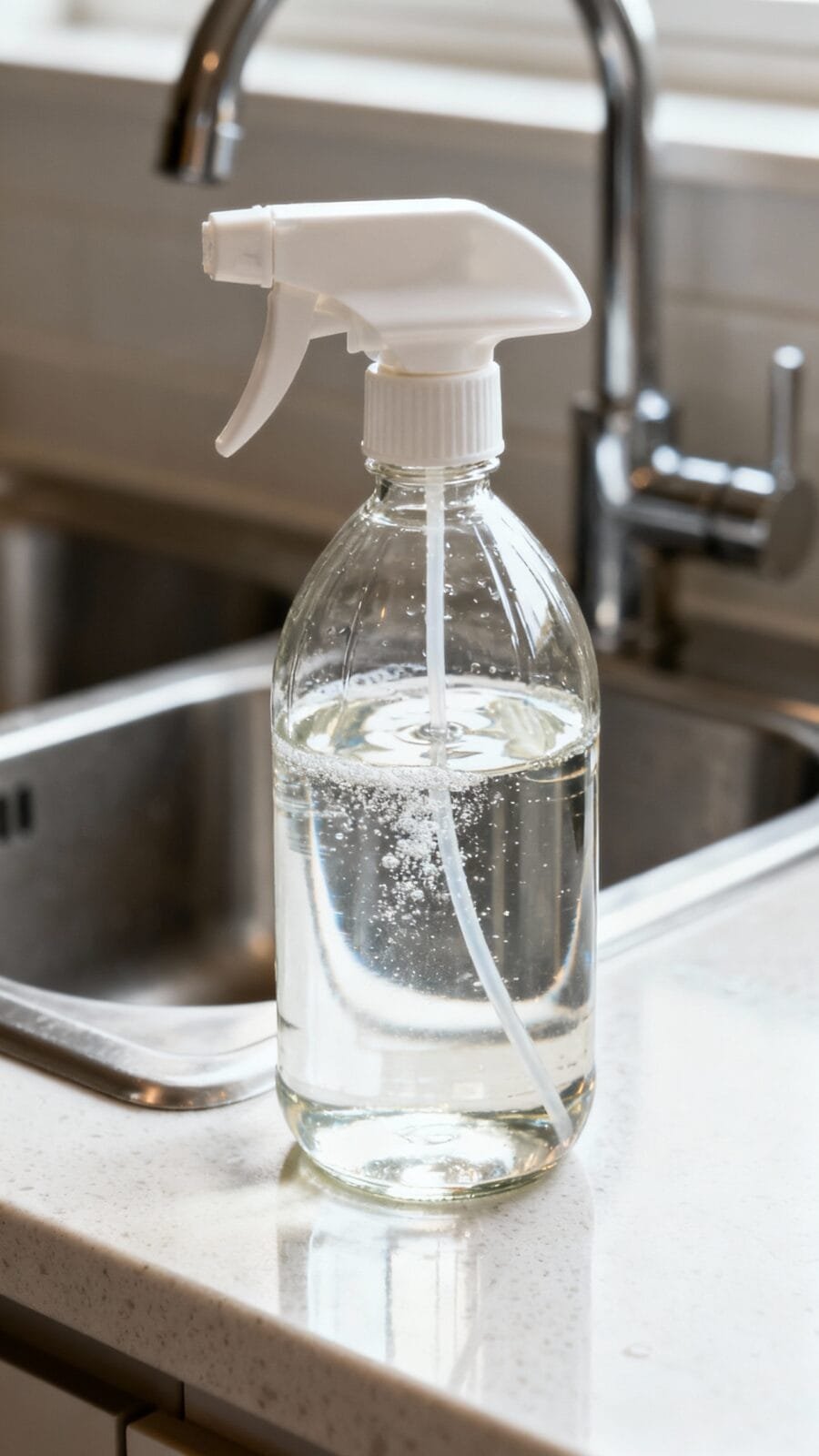
Mix in a spray bottle:
- 1 cup distilled water
- 1 cup white vinegar
- 1 tablespoon rubbing alcohol (optional, speeds drying)
Spray on windows, mirrors, or sliding doors. Wipe with a microfiber cloth. For faster flash-dry, increase rubbing alcohol to ¼ cup (60 ml).
Those nose smudges? Gone. FYI: Don’t spray near a bird’s cage.
2) Everyday All-Purpose Cleaner (Non-Stone)
In a bottle:
- 2 cups warm water
- 1 tablespoon liquid castile soap
Shake gently.
Use on sealed wood, laminate, tile, cabinets, and counters (not natural stone). Wipe with a damp cloth. Do not mix vinegar and castile soap in the same bottle—vinegar can break the soap and make it less effective.
3) Deodorizing Baking Soda Scrub
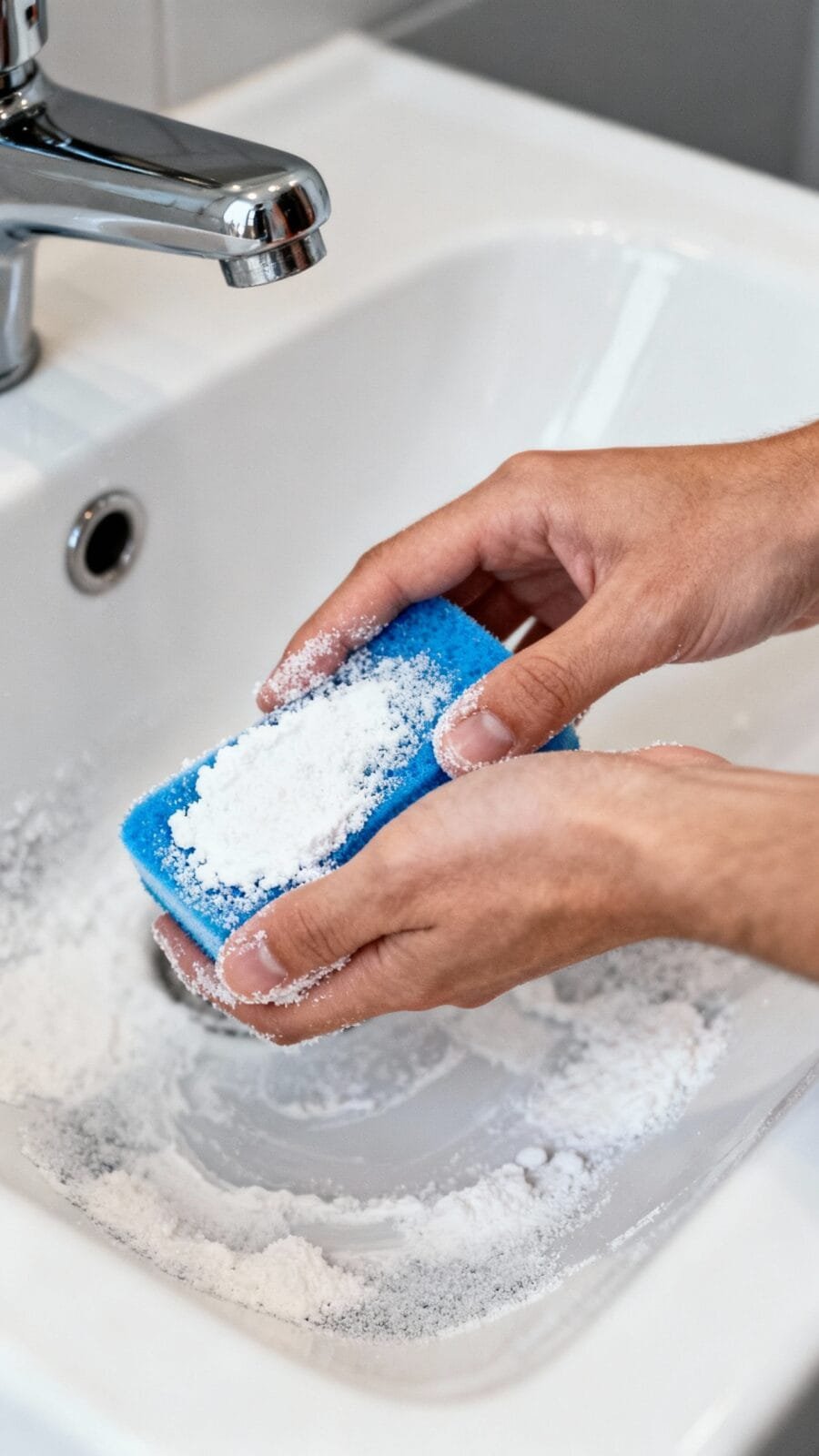
For sinks, tubs, litter box exteriors, and gunky bowls:
- 1/2 cup baking soda
- 1–2 tablespoons water to make a paste
Spread, let sit 5–10 minutes, scrub, rinse. For extra greasy spots, drizzle a few drops of castile soap on the paste just before scrubbing.
4) Peroxide Freshener for Light Stains
In a dark spray bottle:
- 1 cup 3% hydrogen peroxide
- 1 cup water
Spritz on light-colored grout, cutting boards (non-wood), or stained plastic bowls.
Let bubble for 5 minutes, wipe, rinse. Spot test fabrics and colored surfaces first.
5) Floor Cleaner for Paw Traffic
For sealed tile, vinyl, and laminate:
- 1 gallon hot water
- 1–2 teaspoons liquid castile soap
Mop lightly damp, not soaking. Pets can walk on it once dry—no lingering perfume cloud.
For wood, keep the mop barely damp and dry immediately.
Pet Messes: From “Oops” to “Handled”
Urine on Carpets or Rugs
- Blot up as much as possible. Don’t scrub—it spreads the stain and smell.
- Sprinkle baking soda over the area.
- Mix 1 cup water + 1 cup white vinegar. Spray to wet the spot; you’ll hear fizzing.Let sit 10–15 minutes.
- Blot again. When dry, vacuum. If odor lingers, follow with a light spritz of peroxide solution and blot after a few minutes. Do not apply vinegar and peroxide at the same time!
Note: Skip vinegar on natural stone floors or you’ll etch the surface and cry later.
Vomit on Upholstery or Carpets
- Lift solids with a spoon or spatula.Blot liquids.
- Spray all-purpose castile cleaner. Blot, don’t rub.
- For lingering smell, use a tiny bit of peroxide solution; blot and air dry.
Still smelly? Put a bowl of baking soda nearby overnight to absorb odors.
Not cute, but effective.
Litter Box Deodorizing (Without Perfume)
- Wash the empty box with warm water + a few drops of castile soap.
- Rinse thoroughly and dry. Lightly sprinkle baking soda on the bottom before refilling.
- Clean scoops and mats with the glass cleaner or peroxide solution.
Pro tip: Avoid scented litters if your cat’s picky. Many cats hate them, then you get “protest art” on the rug.
Surface-Specific Smarts
Natural Stone (Granite, Marble, Travertine)
Use only pH-neutral cleaners.
- 2 cups warm water + a few drops of castile soap
- Spray, wipe, then wipe again with clean water and dry.
Never use vinegar, lemon, or abrasive powders here.
Stainless Steel
Use the glass cleaner or a 50/50 water and rubbing alcohol mix.
Wipe with the grain. For smudges, a tiny dab of olive oil on a cloth, buff lightly, then wipe clean with a dry microfiber.
Pet Bowls and Toys
Wash with hot water and a few drops of castile soap. Rinse very well.
For silicone toys, a peroxide spritz can sanitize—rinse after.
Storage, Safety, and What Not to Mix
You’re going DIY, but chemistry still matters. A little.
- Label everything with contents and date.
- Keep solutions away from pets until surfaces dry fully.
- Store peroxide in opaque bottles; it breaks down with light.
- Use distilled water if your tap leaves mineral spots.
- Ventilate lightly even with no-fume cleaners—fresh air beats stale air.
Combinations to avoid (for real)
- Bleach + anything acidic (like vinegar) = toxic chlorine gas. Hard no.
- Vinegar + castile soap = curdled, weak cleaner.Pointless.
- Hydrogen peroxide + vinegar in the same container = peracetic acid risk. If you use both, apply separately with a rinse between. If you ever use vinegar and hydrogen peroxide on the same spot, rinse with plain water in between and let the area nearly dry.
Little Habits That Keep Pet Odors Down
You can clean less if you maintain more—life hack.
- Vacuum or sweep high-traffic areas 2–3 times a week. Fur waits for no one.
- Wash pet bedding weekly with hot water and unscented detergent.
- Wipe paws at the door with a damp cloth—less dirt dragged in.
- Air out rooms daily for 10 minutes.Fresh air is free, last I checked.
- Spot-clean messes immediately. Dried mystery stains become boss fights.
FAQs
Are essential oils safe to add for scent?
Short answer: usually not worth the risk. Cats and birds can be sensitive to even small amounts.
If you use them, stick to very dilute levels, avoid direct skin contact for pets, and ventilate well. Personally, I skip them—unscented feels cleaner, IMO.
Is vinegar safe for pets?
Yes, in cleaned-and-dried amounts, but don’t let pets lick wet surfaces. Keep vinegar away from stone and aluminum.
Once dry and wiped, it leaves no residue that attracts paws or noses.
Can I disinfect without bleach?
You can reduce germs effectively with hot soapy water, then a hydrogen peroxide spritz on non-porous surfaces. Let it sit 5–10 minutes, then wipe. For food areas, rinse after.
It’s not a hospital-grade disinfectant routine, but it handles normal household needs.
What if my dog licks the floor after I mop?
Use the castile-and-water floor mix, wring the mop well, and let the floor dry fully before letting your pet roam. If you’re anxious, do a final wipe with plain water. Also, distract with a chew toy in another room—works wonders.
How do I handle skunk or truly evil odors?
Baking soda + peroxide + a touch of dish soap can neutralize skunk spray on fur: 1 quart 3% peroxide, 1/4 cup baking soda, 1 tsp liquid soap.
Use immediately, don’t store, and avoid eyes. Rinse well. For fabrics, test first or call in the big guns (aka a pro).
Wrapping It Up (Without the Fumes)
You don’t need harsh chemicals to live clean with pets—you need smart basics and a little consistency.
Vinegar, baking soda, castile soap, and peroxide can tackle 95% of messes without setting off your smoke detector of a nose. Start with one or two mixes, label your bottles, and keep it simple. Your home will feel fresh, your pets will breathe easy, and you’ll retire that “eau de bleach” scent for good, FYI.