Kids’ Room Ideas: 15 Fun, Practical Spaces That Kids Love And Moms Can Actually Keep Tidy
You want a kids’ room that looks adorable, works hard, and doesn’t explode into chaos five minutes after cleanup? Same. The secret: design the space so it tells your kid where things go without nagging. You’ll get more play, less clutter, and a room that doesn’t make you sigh every time you walk by. Let’s build a fun, practical setup that kids love—and moms can actually keep tidy.
Start With Zones, Not Themes
Trendy themes age fast. Zones don’t.
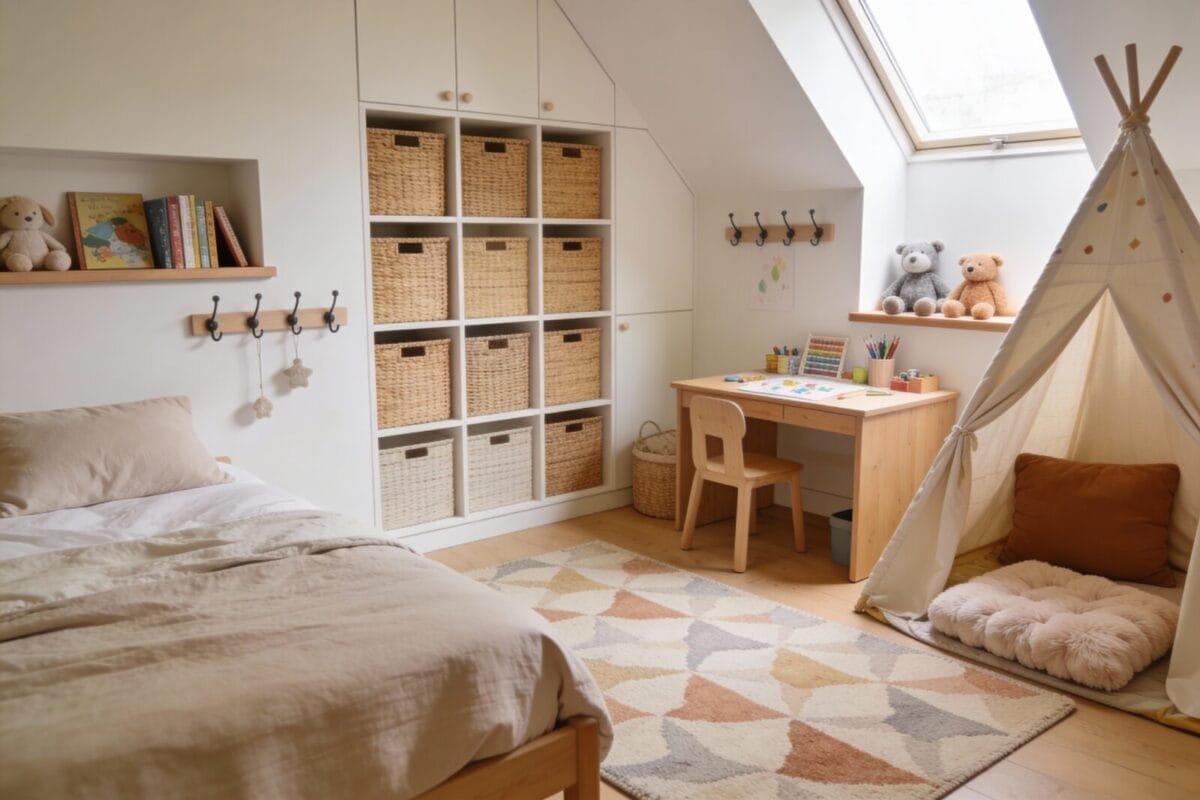
Create clear areas for sleep, play, art, reading, and getting dressed. You can layer any style on top later.
- Sleep zone: Calm colors, soft lighting, nothing overstimulating nearby.
- Play zone: Open floor space, easy-access bins for quick cleanup.
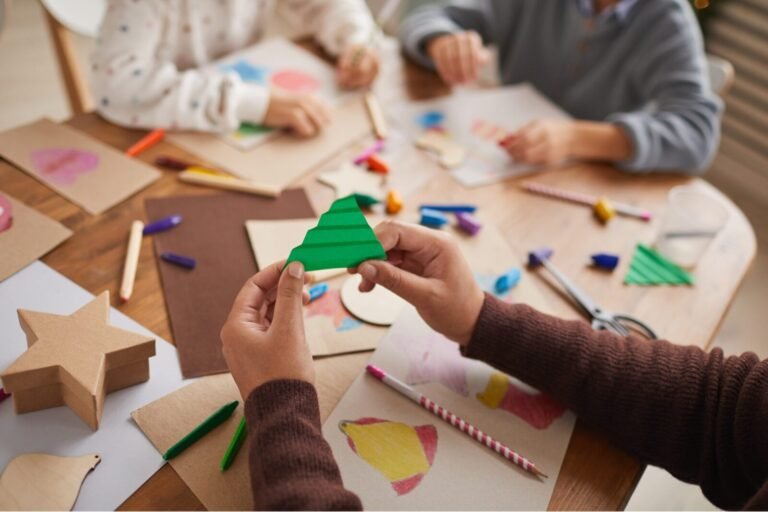
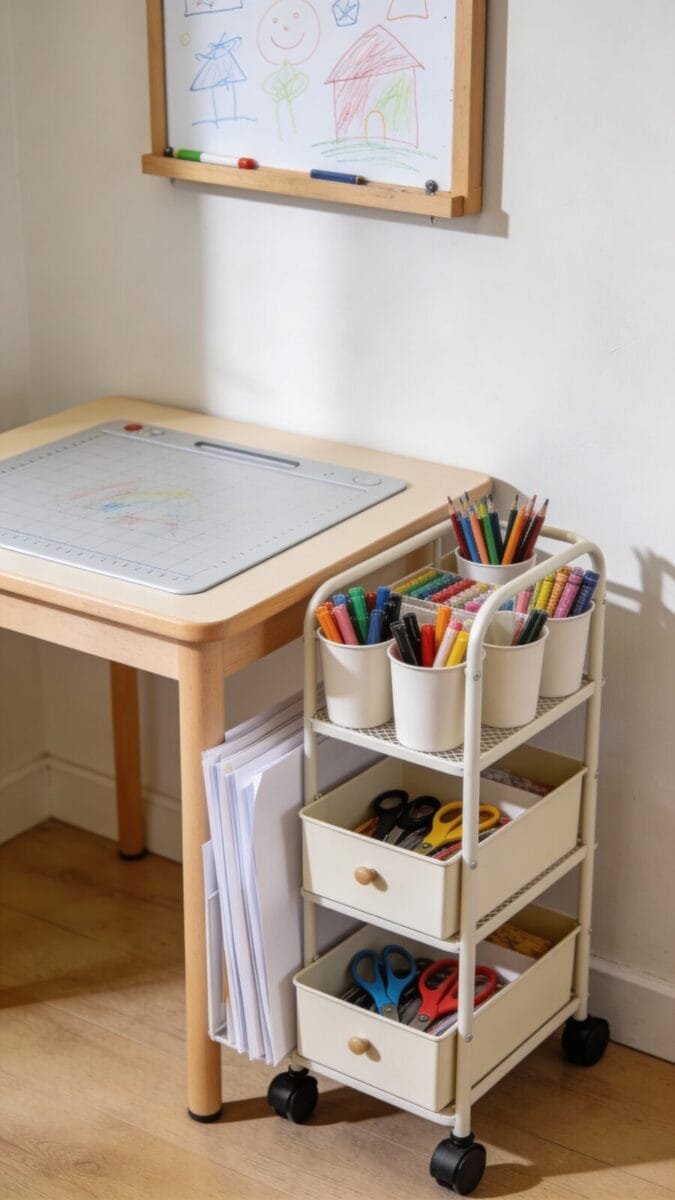
- Art zone: Hard surface, wipeable mat, supplies in labeled drawers.
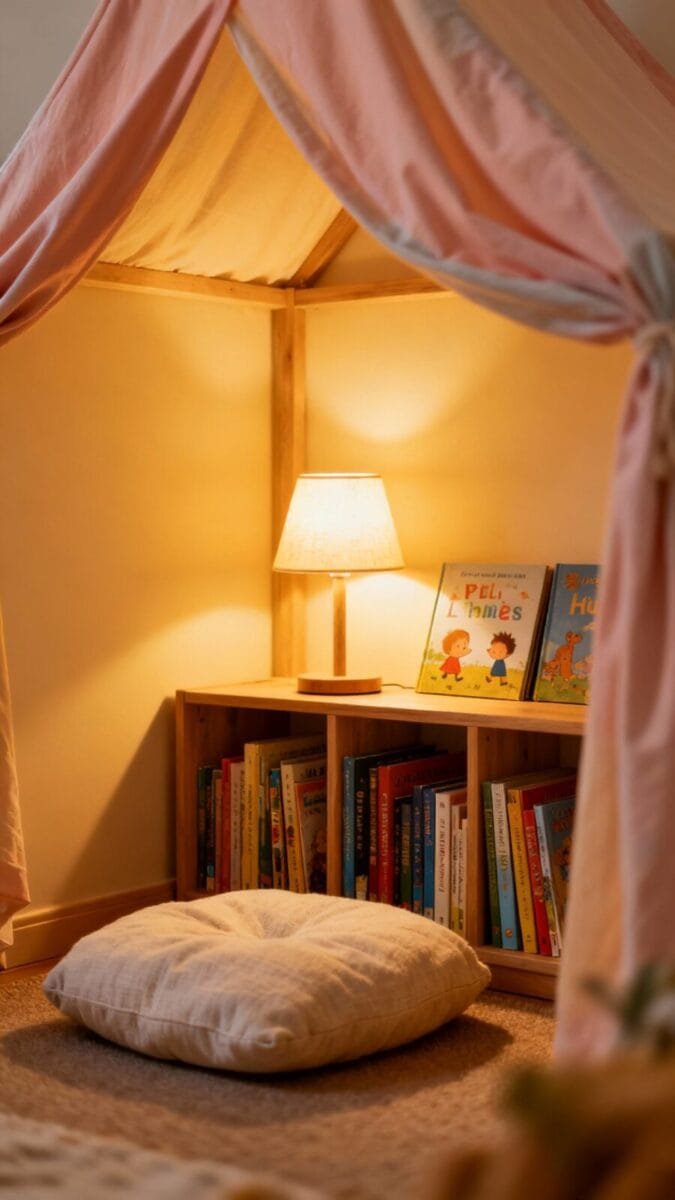
- Reading nook: Cozy chair or floor cushion, low bookshelf, warm lamp.
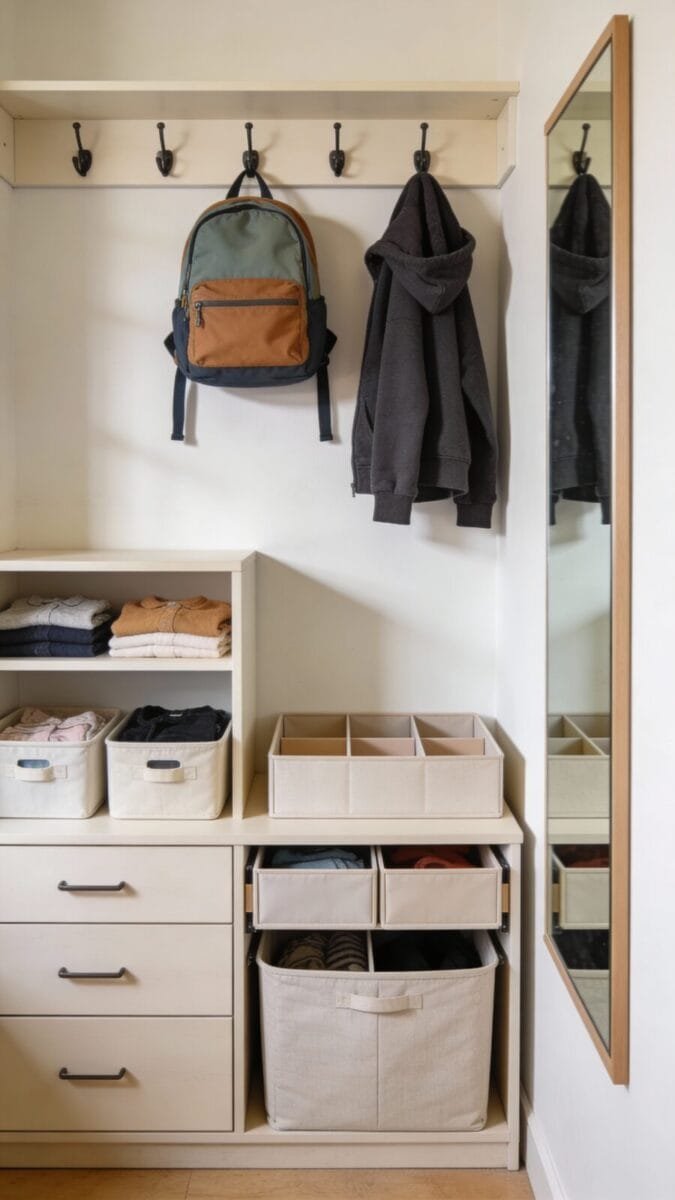
- Dress zone: Hooks, labeled drawers, mirror at kid height.
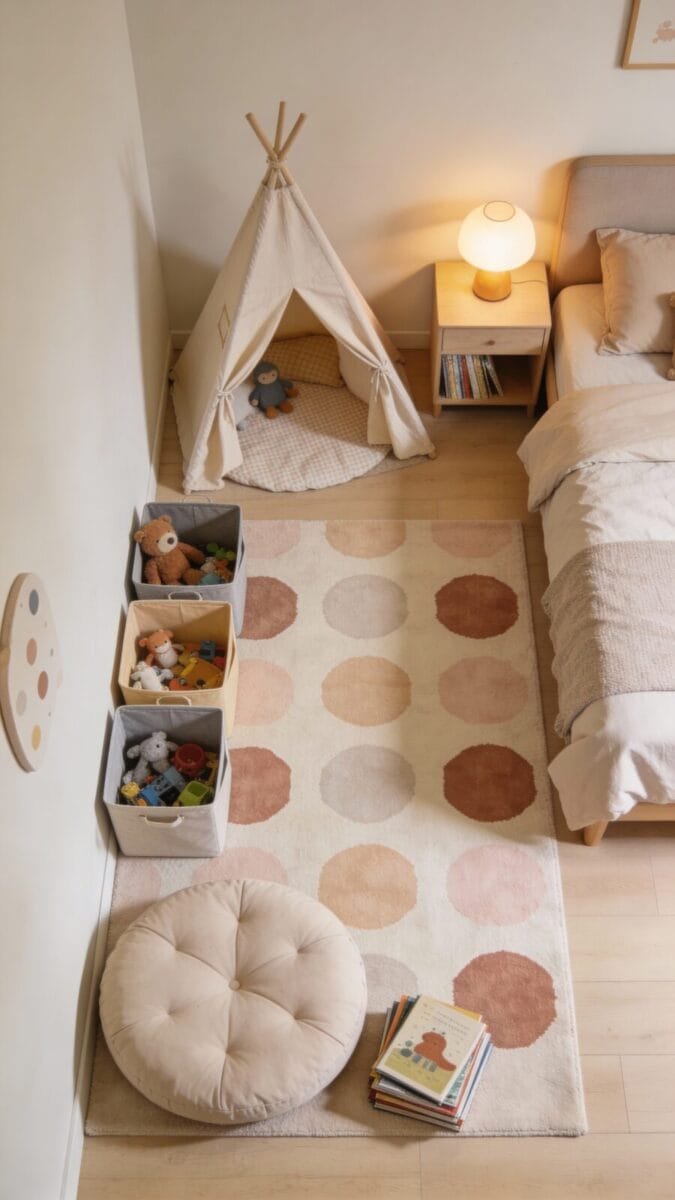
Why zones keep rooms tidy
Kids put things back if the spot makes sense. A puzzle shelf in the play zone screams “puzzles go here.” Art supplies near the desk?
Done. You reduce arguments and wandering toy chaos.
Use the “Two-Thirds Open” Storage Rule
Want your kid to clean up without drama? Make it obvious.
Keep about two-thirds of storage open and visible.
- Open bins for everyday toys: Blocks, cars, dolls—no lids, just grab and drop.
- Closed storage for messy stuff: Craft kits, slime, tiny pieces—use lidded boxes up high.
- Labels with pictures: Especially for pre-readers. FYI, photos beat words every time.
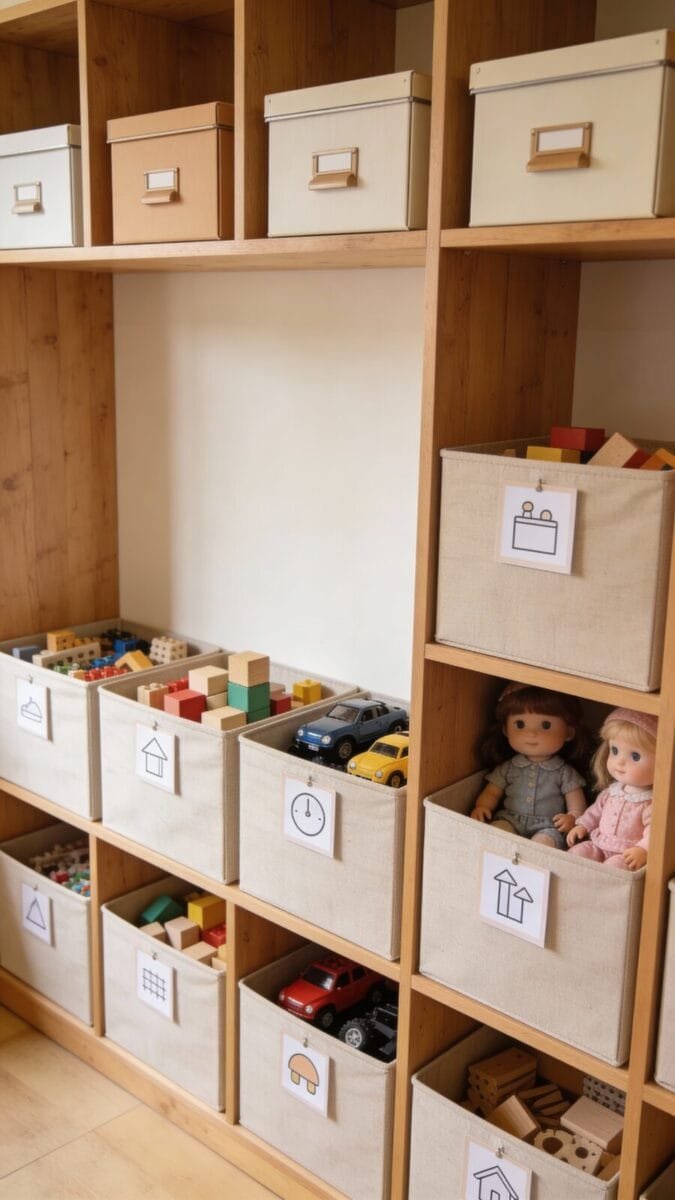
Smart bin map
Post a simple “bin map” on the wall with pictures: blocks, animals, trains, etc. Cleanups go from 20 minutes to three.
You’re welcome.
Furniture That Works Hard (And Looks Cute)
Skip the mini-sized furniture that you’ll donate in a year. Go for pieces that grow.
- Extendable bed or daybed: Space-saving now, useful later. Add a trundle for sleepovers.
- Desk with adjustable height: Preschool art table today, homework station tomorrow.
- Cubby storage bench: Seating plus bins equals clutter control and a place to tie shoes.
- Wall-mounted shelves: Keep breakables and “parent-only” supplies up high.
Mattress and bedding sanity check
Use a waterproof mattress cover and zippered pillow protectors.
Keep two fitted sheets on deck. When “mystery spill” happens, you swap fast and keep your cool.
Make Play Easy—and Cleanup Easier
If you want tidy, design for fast resets. Kids don’t fold or stack neatly.
They toss and go.
- Rug as a play zone marker: Choose a patterned rug to hide crumbs and craft confetti.
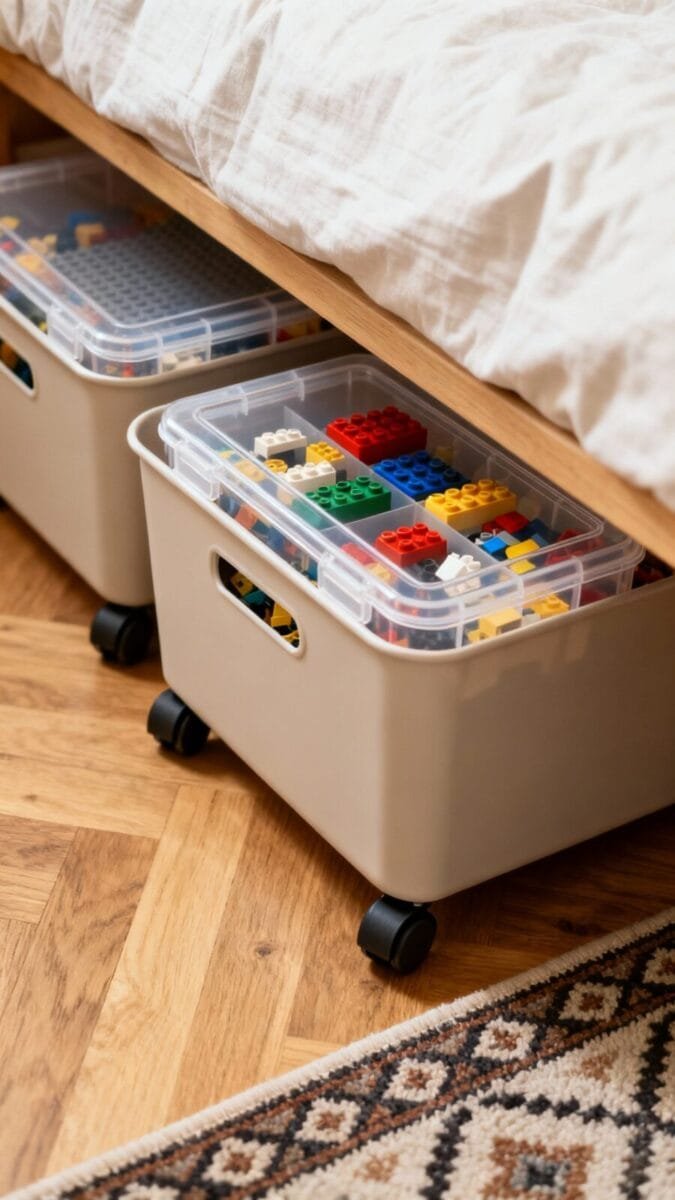
- Under-bed rolling bins: Ideal for Legos, train tracks, or dolls.
- Magnetic or pegboard wall: Hang costumes, toy tools, headphones, even baskets for supplies.
- Rotate toys: Keep two-thirds in storage elsewhere. Fresh toys feel new without buying more.
Contain the tiny stuff
Use clear tackle boxes or bead organizers for mini figures and Lego sets. Label each with a photo.
Bonus: they travel to the kitchen table without spreading everywhere.
Color and Theme: Commit Lightly
Yes, your kid adores dinosaurs this week. You don’t need a T-Rex mural. Keep large pieces neutral and go wild on the swap-ables.
- Neutral base: Walls, main rug, big furniture.
- Fun accents: Bedding, pillows, art prints, decals, lampshade.
- Change on a budget: New pillowcases, a poster, and a novelty lamp = instant refresh.
Statement wall that won’t haunt you
Peel-and-stick wallpaper or big decals give drama without commitment.
When your kid moves on from space cats, you peel and pivot.
Lighting That Calms Bedtime (And Saves Your Sanity)
Lighting can hype kids up or wind them down. Choose soothing layers.
- Ceiling light with dimmer: Bright for cleanup, low for bedtime story vibes.
- Warm bedside lamp: Prevents post-story “I’m not sleepy” stalling.
- Nightlight with red or amber tones: Blue light = wired kid. Warm light = sleepy kid.Science!
One switch to rule them all
Use smart bulbs or a remote plug so you shut everything off from the door. IMO, nothing kills wind-down like hopping up 14 times to turn off forgotten lights.
Closet Tricks That Actually Work
Small humans don’t use hangers. Let’s not pretend.
- Lower rods and lots of hooks: Hoodies and backpacks finally find a home.
- Drawer dividers: Shirts, pants, PJs—no digging, no chaos.
- Outfit bins: Pre-pack 3-5 outfits in small bins.Mornings stop being a fashion debate.
- Slim hamper with two sections: Lights and darks (or “clean-ish” vs “definitely not”).
Seasonal swap
Keep only the current season in the dresser. Off-season goes in labeled bins up high. Less choice = faster dressing.
And fewer “where’s my shorts?” moments in December.
15 Fun, Practical Ideas to Steal
- Add a canopy or tent over the reading nook for instant magic.
- Create a gallery wall with clipboards so kids swap art by themselves.
- Install a low mirror for dress-up and independence.
- Use a small rolling cart for art supplies—roll it out, roll it away.
- Mount a whiteboard or chalkboard for doodles and chore charts.
- Hang a hammock chair or swing if the ceiling can handle it.
- Build a simple loft or mid-sleeper bed to free floor space.
- Use a book ledge wall so covers face out—kids actually read those.
- Keep a “treasure box” for rocks, tickets, and random gems.
- Set up a puzzle board that slides under the bed mid-build.
- Pick a patterned duvet—hides chocolate fingerprints and marker smudges.
- Use command hooks for headphones, hats, and capes.
- Group toys by play type: building, pretend, vehicles, animals, art.
- Add a simple timer for cleanup races—three songs and done.
- Post a kid-drawn “room reset” checklist—make it their mission.
Design for Independence (So You Do Less)
The more your kid can do solo, the tidier the room stays. Set them up for wins.
- Everything at kid height: Books, toys, hooks, hamper.
- Clear “homes” for favorites: A special shelf for the beloved stuffed sloth.
- Visual routines: Morning and evening cards on a ring—hang by the door.
When clutter creeps back
Do five-minute resets twice a day. Use a laundry basket to scoop “homeless” items.
Sort later while you watch TV. FYI, perfection is a myth; progress is the win.
FAQ
How do I keep toys from taking over?
Limit what lives in the room. Store extras elsewhere and rotate monthly.
Use open bins for daily toys and lidded boxes for sets. When everything has a clear home, kids put things back without battles.
What’s the best bed for a small room?
A daybed with a trundle or a mid-sleeper with storage wins. You gain floor space and stash bins under or behind.
Pair with wall shelves and you’ll create a roomy feel without knocking down walls.
How do I organize art supplies without locking them away?
Use a three-tier rolling cart with cups and small drawers. Top tier: crayons, markers, scissors. Middle: paper and coloring books.
Bottom: paints and “with an adult” items. Roll it to the table, then park it out of the way.
How can I make the room feel cohesive with random toys?
Pick two to three colors and repeat them in bins, pillows, and a rug. Keep big items neutral and let toys be the accents.
Add a matching lamp or curtains and suddenly everything looks intentional.
What’s a realistic cleanup routine for young kids?
Two resets: before dinner and before bed. Set a timer for 5 minutes, blast a favorite song, and guide with the “bin map.” Praise effort, not perfection. IMO, daily tiny tidies beat weekend marathons every time.
Any tips for shared rooms with different ages?
Give each child a personal shelf and a closed bin for treasures.
Use bunk or loft beds to divide zones. Keep shared toys low and age-specific items up high. Headphones and clip-on lights help with staggered bedtimes.
Wrap-Up
Design the room to do the heavy lifting.
Create clear zones, use mostly open storage, and choose furniture that grows up with your kid. Layer in fun with easy-to-swap decor, and lean on quick daily resets. You’ll get a room that’s cheerful, functional, and—dare I say—actually tidy.
Now go claim your floor space back.