How To Make A Christmas Cactus Bloom On Time (step-by-step)
Your Christmas cactus looks gorgeous in July… but ghosts you in December? Let’s fix that. These plants don’t bloom on holiday cheer alone—they need the right cues to kick into gear.
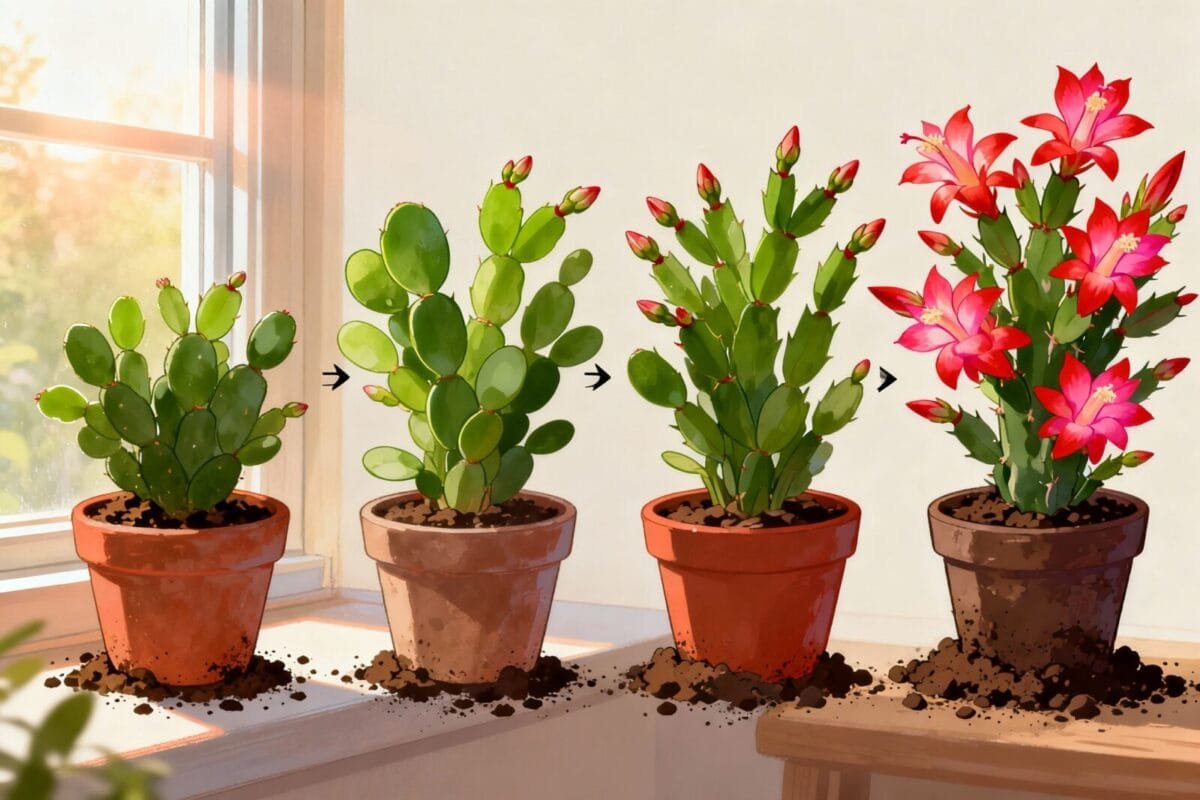
Follow this simple plan and you’ll get buds right on schedule, without sacrificing your sanity (or your plant).
Know Your Plant’s Secret: It’s a Short-Day Bloomer
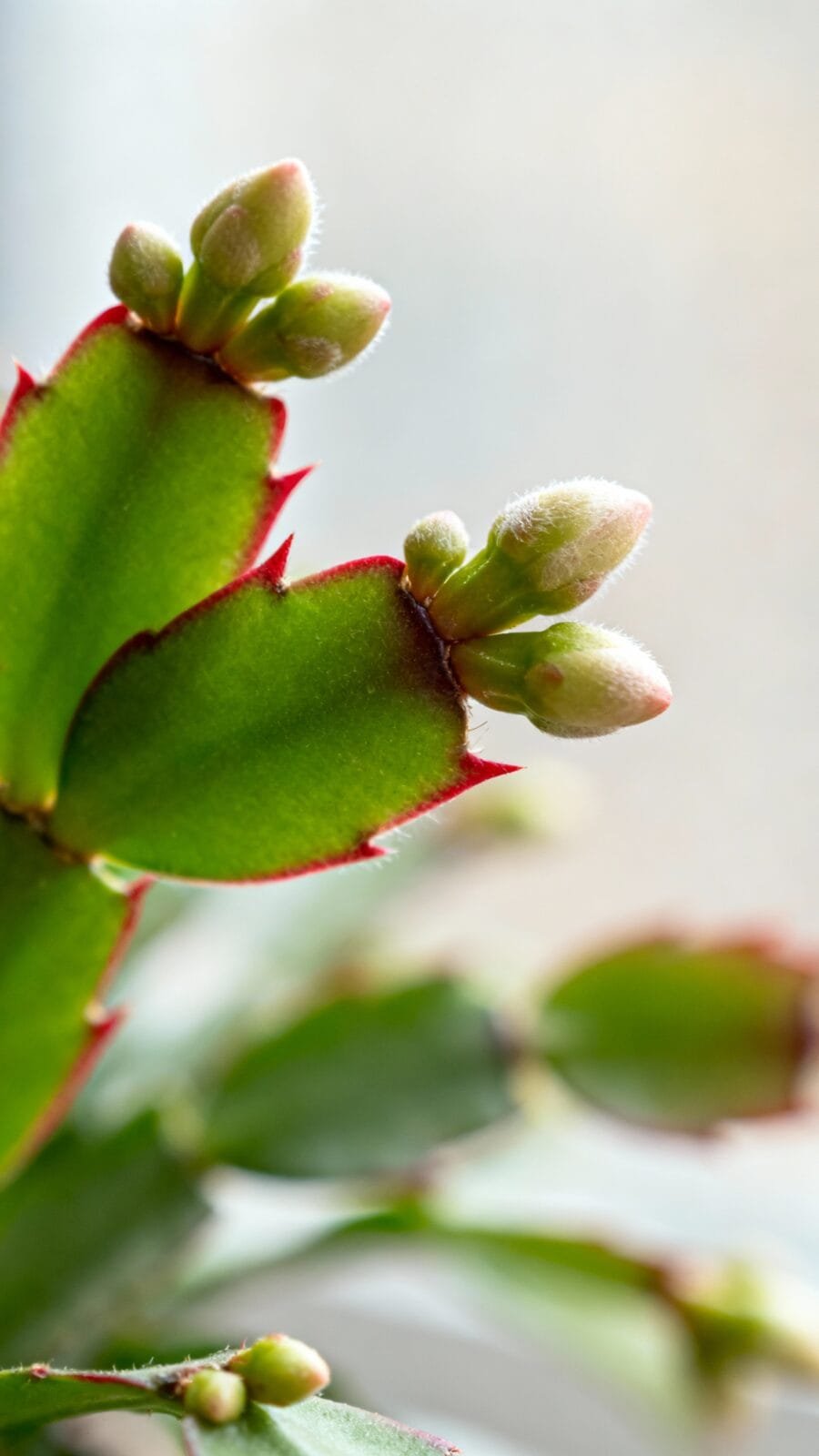
Christmas cactus (Schlumbergera) blooms when it thinks winter has arrived. It measures day length and temperature like a tiny botanist with a lab coat. You’ll trigger buds by giving it:
- Short days (long nights): About 14 hours of darkness, uninterrupted.
- Cooler temps: Ideally 55–65°F (13–18°C), slightly warmer in the day.
- Consistent care: Slightly less water, no repotting, and steady light during the day.
Sound complicated?
Not really. Use the steps below and set a calendar reminder. Your future self will thank you.
Timing the Bloom: Start 8–10 Weeks Before Your Target Date
Want blooms the first week of December?
Count back 8–10 weeks. That’s when you start the “bloom boot camp.”
- Target date: Early December
- Start date: Early to mid-October
Why so early? Buds take time to form and develop.
If you start late, you get the dreaded “New Year’s cactus.” Cute, but off schedule.
Step-by-Step: The Bud-Setting Routine
Follow this daily rhythm for 6–8 weeks to set buds.
- Give it long nights. From evening to morning, keep it in 14 hours of darkness. No lamps. No TV glow.No midnight fridge raids with the lights on… at least not in that room. Cover with a breathable box or move it to a spare room that stays dark.
- Keep it cool. Aim for 55–65°F (13–18°C) at night and up to 70°F (21°C) by day. Cooler nights help big time.Avoid heat vents and fireplaces—festive, but not plant-friendly.
- Give bright, indirect light by day. A north or east window works best. Direct sun can stress buds, especially through hot glass.
- Water less (but don’t let it bone-dry). Let the top inch of soil dry, then water thoroughly and let excess drain. During bud-setting, slightly on the dry side works better than soggy soil.
- Stop fertilizing. Pause all food during bud formation.Resume light feeding after blooming.
How to Handle Room Lighting
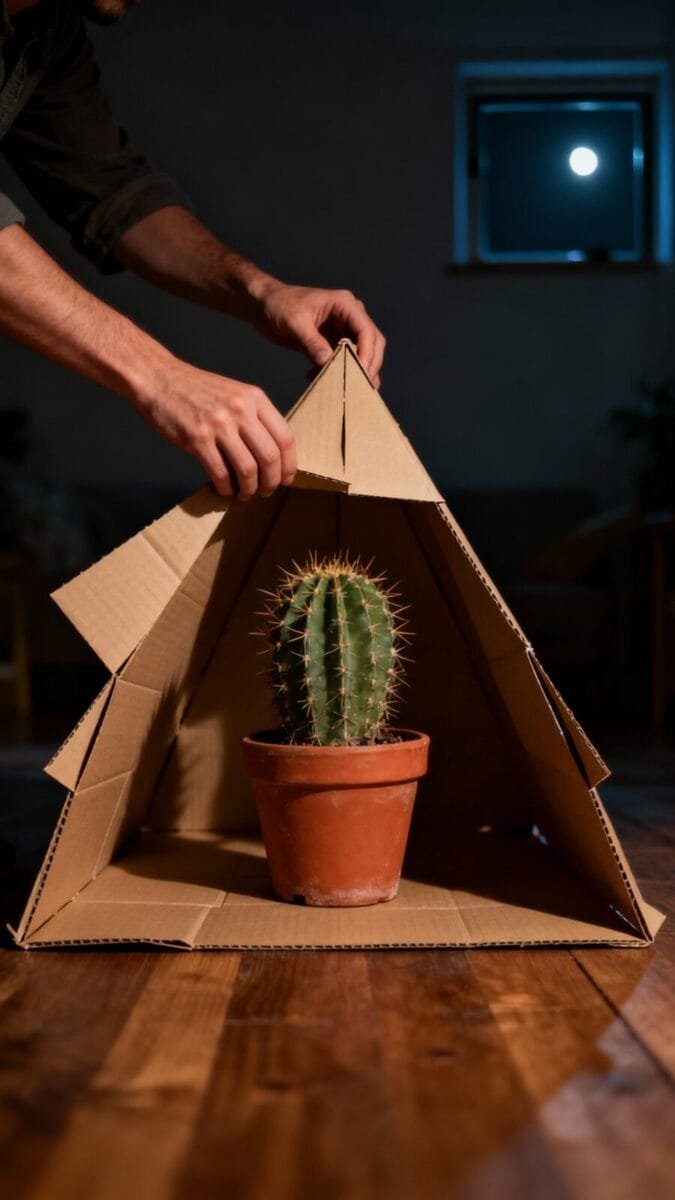
If you can’t guarantee darkness, set a routine:
- Move the plant to a dark closet or bathroom at 6–7 PM.
- Bring it back to bright, indirect light at 8–9 AM.
Annoying? A little. But IMO, it works like magic if your living room stays lit late.
When to Stop the Long-Night Treatment
Once you see small buds (tiny bumps at leaf joints), you can relax the darkness routine. Keep temps cool and light steady, and avoid any sudden changes.
Prevent Bud Drop (aka The Heartbreakers)
Buds formed… then fell off?
Classic bud drop. Here’s how to stop it:
- Keep conditions stable. No sudden moves, drafts, or heat blasts.
- Don’t overwater. Soggy roots = drama. Water when the top inch feels dry.
- Avoid moving it around. Rotate gently, but don’t change rooms or light intensity drastically.
- Skip fertilizer until after blooming. Too much nitrogen = leaves happy, buds grumpy.
Post-Bud Care
Once buds swell:
- Maintain even moisture (never waterlogged).
- Give bright, indirect light.A bit more light helps flowers develop color.
- Keep it cool at night to extend bloom time.
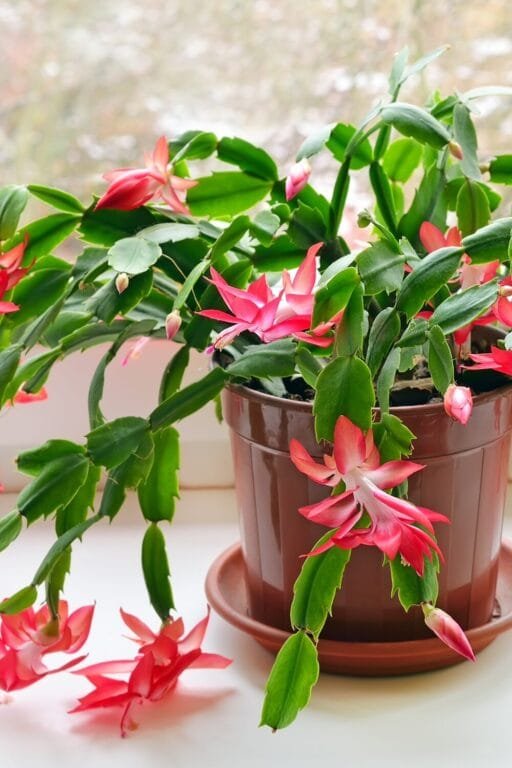
Set Up Your Environment Like a Pro
Let’s talk gear and placement, because the right spot does half the work.
- Light: Bright, indirect. Sheer curtain if you get harsh sun.
- Temperature: Cool nights, moderate days. Avoid vents, ovens, and drafty doors.
- Humidity: 40–60% works well.Dry air won’t kill it, but a tray of pebbles with water below the pot gives a nice boost.
- Soil and pot: Use a fast-draining mix (cactus blend + a little orchid bark, IMO). Pot with drainage holes only—no exceptions.
Fertilizer Schedule (Outside Bloom Season)
From spring through late summer:
- Feed monthly with a balanced, diluted fertilizer (e.g., 10-10-10 at half strength).
- Stop feeding by early fall to prepare for bud set.
Quick Fix for Late Starters
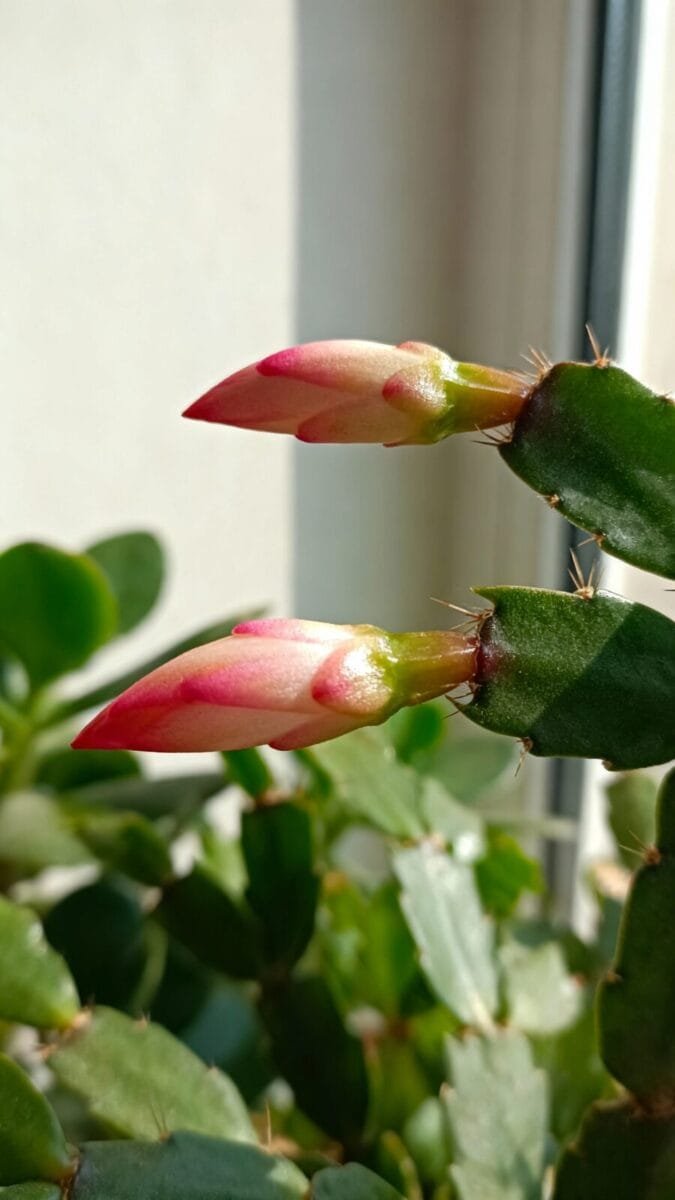
Started the routine late? You can still get blooms—just later.
Do this:
- Start the long-night treatment immediately for 6–8 weeks.
- Keep it cooler (closer to 55–60°F at night) to speed the signal.
- Be patient. You might get a gorgeous January show. Not Christmas, but still fabulous.
Common Mistakes That Delay Blooms
We’ve all been there. Avoid these:
- Too much light at night. Even short bursts can reset the clock.Streetlights count.
- Warm nights. If it’s 72–75°F at night, buds often stall.
- Overwatering. Roots sulk, buds drop.
- Repotting in fall. Big energy drain. Repot right after blooming or in late spring.
- Heavy fertilizing in fall. You’ll grow leaves, not flowers.
FAQ
How long do the flowers last?
Blooms usually last 3–6 weeks, depending on temperature and care. Cooler nights and steady moisture extend the show.
Deadhead spent flowers to keep it tidy and encourage more buds to open evenly.
Can I force a second bloom in the same year?
Sometimes, yes. After the first bloom, rest the plant for a few weeks with bright light and normal watering. Then try a shorter 3–4 week long-night cycle.
You might get a lighter encore. FYI, don’t push it every year or you’ll tire the plant out.
Why are the segments reddish or purple?
That usually means too much direct sun or a nutrient imbalance. Move it to bright, indirect light and resume light feeding in spring.
The color often fades back to normal as the plant chills out.
Do I need to prune it?
A little pruning helps shape and encourages branching (more tips = more flowers). After blooming, twist or snip off a segment or two from long stems. You can root the cuttings—free plants for friends.
You’re welcome.
What if I see buds, then they stop growing?
Check the basics: night light leaks, warm temps, or dry soil. Fix those first. If the plant looks healthy, give it time.
Buds can pause during stress and then continue once conditions improve.
Is my plant actually a Thanksgiving cactus?
Maybe! Thanksgiving cactus has pointy, claw-like segments; Christmas cactus has smoother, scalloped edges. Thanksgiving types often bloom earlier.
The care is nearly identical, so follow the same steps—just start the routine a couple weeks sooner.
Conclusion
You don’t need a greenhouse or a PhD—just short nights, cool temps, and a little consistency. Start 8–10 weeks before your target date, keep conditions steady, and resist the urge to fuss. Do that, and your Christmas cactus will show up to the holiday party right on time, dressed to impress.
IMO, that’s plant-parent victory at its finest.