How to Cook Steak on the Stove: Easy Pan-Seared Steak with Garlic Butter and Crispy Edges
Steak night doesn’t need a grill, a backyard, or a culinary degree. You can nail a juicy, crusty, restaurant-level steak right on your stovetop in under 20 minutes. We’re talking crispy edges, butter basting, and that deep, savory sear that makes you close your eyes for a second. Ready to become the hero of dinner? Let’s pan-sear like we mean it.
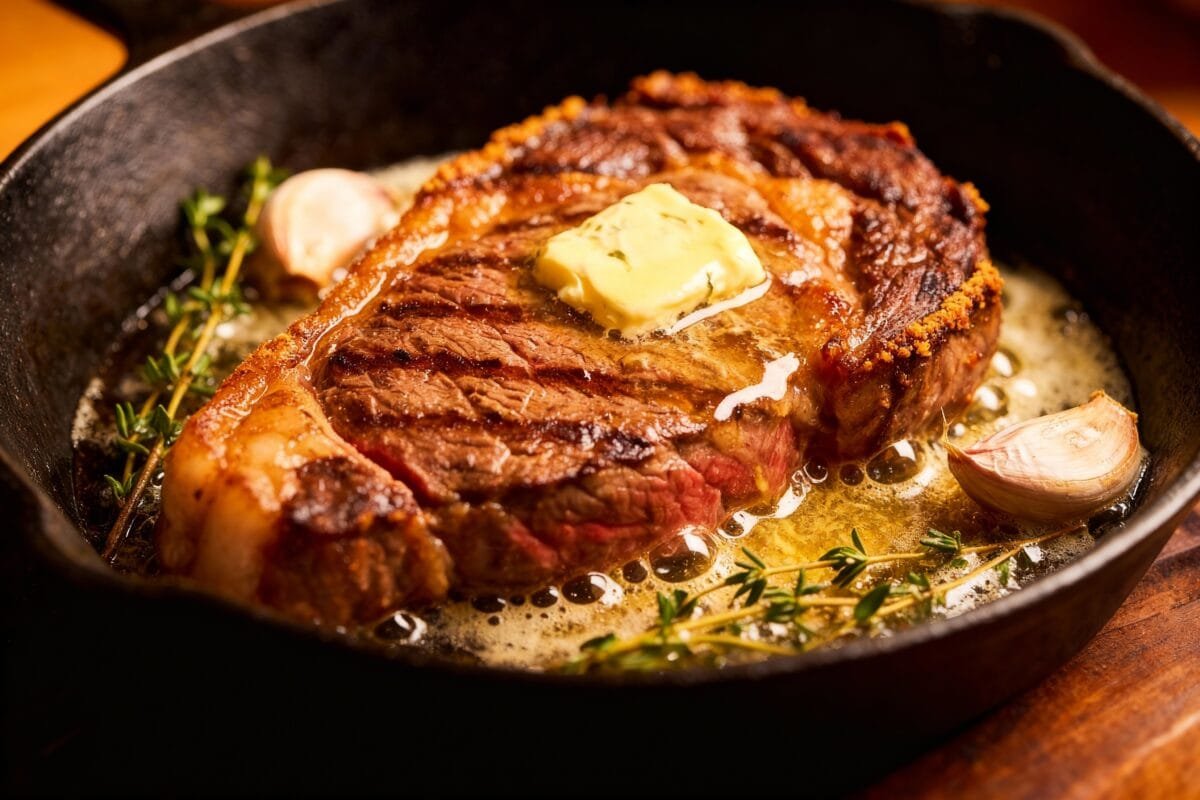
Choose the Right Cut (and Size) for Searing Glory
Not every steak wants the pan life. Some cuts shine here, others absolutely don’t. You want something thick and marbled enough to handle high heat without drying out.
- Best cuts: Ribeye, New York strip, sirloin, filet mignon.
- Thickness: Aim for 1 to 1.5 inches. Thin steaks cook too fast to build a proper crust.
- Marbling: Visible fat = flavor and juiciness. Don’t fear the white lines.
What about flank or skirt?
You can sear them, but they shine with quick, hot cooks and slicing thin against the grain. For steakhouse-style pan-seared perfection, choose ribeye or strip. IMO, ribeye wins on flavor every time.
Gear and Ingredients That Make It Easy
You don’t need fancy equipment, just the right tools and a bit of patience.
- Pan: Heavy skillet, preferably cast iron or stainless steel. Nonstick won’t get the same crust.
- Fat for searing: Neutral, high-smoke-point oil like avocado, canola, or grapeseed.
- Butter for basting: Unsalted butter, 2–3 tablespoons.
- Aromatics: Crushed garlic cloves (skins on), fresh thyme or rosemary.
- Seasoning: Kosher salt and freshly cracked black pepper. That’s it. Don’t overcomplicate it.
- Optional hero: Instant-read thermometer for zero guesswork.
Prep Like a Pro (This Part Matters)
The difference between “eh” and “oh wow” happens before the steak hits the pan.
- Bring steak to room temp: Take it out 30–45 minutes before cooking. Cold steak = uneven cooking.
- Pat it dry: Blot both sides with paper towels. Moisture kills crust.
- Season generously: Salt and pepper both sides right before it hits the pan. Don’t be shy—season the edges too.
FYI: Salt timing
You’ve got two ideal windows: either salt right before cooking, or a full 40+ minutes before. Anything in between can pull moisture to the surface. If you forgot, just salt right before the pan.
The Searing Game Plan
This is the play-by-play for a perfect, pan-seared steak with garlic butter and crispy edges. Breathe. Trust the process.
- Preheat the pan: Put your skillet over medium-high heat for 3–5 minutes until it’s ripping hot. A drop of water should dance and vanish.
- Add oil: 1–2 tablespoons of high-heat oil. Swirl to coat.
- Lay the steak in: Place it away from you so oil doesn’t splatter. It should sizzle loudly. If it whispers, your pan isn’t hot enough.
- Don’t touch it: Let it sear 2–4 minutes, depending on thickness, until a deep brown crust forms. No poking. No peeking. You’re building flavor.
- Flip once: Turn the steak. Sear the other side 2–4 minutes.
- Reduce heat to medium: Add 2–3 tablespoons butter, 2–3 crushed garlic cloves, and a few sprigs of thyme or rosemary.
- Baste like you mean it: Tilt the pan and spoon the foaming butter over the steak for 60–90 seconds. This adds flavor and gorgeous gloss.
- Check temp: Pull at 125°F for rare, 130–135°F for medium-rare, 140°F for medium. It’ll rise 5°F while resting.
- Rest it: Transfer to a plate or rack and rest 5–10 minutes. You earned those juices.
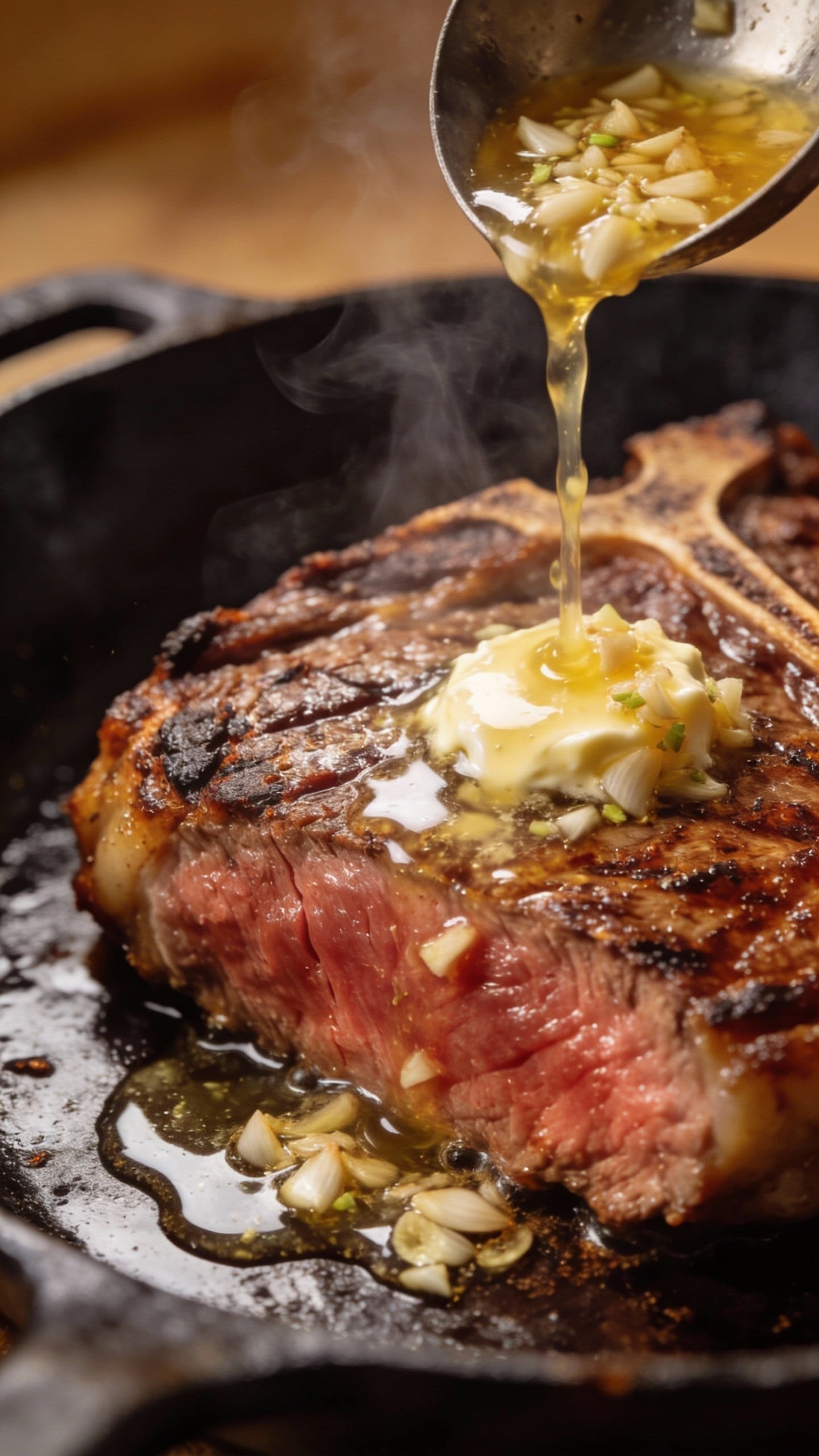
Doneness Guide (quick and honest)
- Rare: 120–125°F, deep red center.
- Medium-rare: 130–135°F, warm red-pink center (the gold standard, IMO).
- Medium: 140–145°F, pink center.
- Medium-well: 150–155°F, slight blush.
- Well-done: 160°F+, no pink—still tasty if you baste properly, but riskier.
Crust, Crispy Edges, and Flavor Tricks
Want restaurant-level char without burning? Use these moves.
- Press the edges: After the flip, use tongs to stand the steak on its side and sear the fat cap for 30–60 seconds. Hello, crispy edges.
- Let the fond work: Those browned bits in the pan? That’s flavor. Don’t wipe them off. Let the butter and aromatics pick them up.
- Use enough heat: If the pan cools when you add the steak, bump the heat. You want active sizzling, not sad steaming.
- Add pepper after the flip: Pepper can scorch. Crust one side, flip, then add a little extra pepper before basting.
Optional: Quick pan sauce
After the steak rests, pour off extra fat, add a splash of beef stock or red wine to the hot pan, scrape the browned bits, reduce by half, swirl in a knob of butter. Done. Fancy without effort.
When to Slice (and How)

You rested it, right? Good. Now slice it correctly so all that work pays off.
- Slice against the grain: Shorter muscle fibers = more tender bites.
- Use a sharp knife: Serrated if you must, but a sharp chef’s knife is better.
- Top with butter: Add a small pat of compound butter or the pan’s garlic-herb butter as you slice. Extra? Yes. Worth it? Also yes.
Simple Sides That Don’t Steal the Spotlight
Keep the steak as the star, but let’s give it a supporting cast.
- Crispy potatoes: Smash boiled baby potatoes and crisp them in the pan while the steak rests.
- Garlicky greens: Sauté spinach or broccolini in the same pan (wipe lightly first).
- Salad with bite: Arugula, lemon, olive oil, shaved parmesan. Bitter + rich = perfect balance.
FAQ
Can I use butter from the start?
You can, but it’ll burn at high heat. Start with oil for the sear, then add butter later for basting and flavor. That way you get a proper crust without scorched butter vibes.
Do I really need a cast-iron skillet?
No, but it helps. Cast iron holds heat like a champ, which means better searing and more even cooking. A heavy stainless-steel skillet works too. Thin pans struggle and can hot-spot.
How do I prevent smoke?
Use high-heat oil, preheat properly (not on max for 10 minutes), and open a window. Dry the steak well, because moisture = steam = smoke. If your alarm screams anyway, consider it applause.
What if I don’t have fresh herbs?
No stress. Use just garlic, or skip aromatics entirely. You’ll still get incredible flavor from the butter baste and the crust. A tiny pinch of dried thyme in the butter works in a pinch—tiny, though.
Why rest the steak?
Resting lets juices redistribute so they don’t gush out when you slice. Five to ten minutes makes a big difference. It’s the least glamorous step and the most crucial, IMO.
Can I cook two steaks at once?
Yes, if your pan fits them with space. Crowding causes steaming instead of searing. If they touch, cook in batches and keep the first steak warm in a low oven (200°F) while the second cooks.
Conclusion
Stovetop steak doesn’t need wizardry—just heat, patience, and butter. Choose a good cut, dry it, season it, then sear hard and baste like you’re auditioning for a cooking show. Rest, slice, and enjoy those crispy edges with smug satisfaction. FYI: once you master this, the grill might get jealous.