Dracaena Plant Care: Easy Beginner’s Guide to Light, Water and Repotting for Happy Indoor Plants
Dracaenas look fancy, act chill, and forgive your busy schedule. That’s the triple threat of houseplants. If you want a plant that can handle office lighting, occasional neglect, and your learning curve, you’re in the right place. Let’s turn your dracaena from “meh” to “wow” with simple, low-stress care.
Meet Your Dracaena: The Low-Drama Houseplant
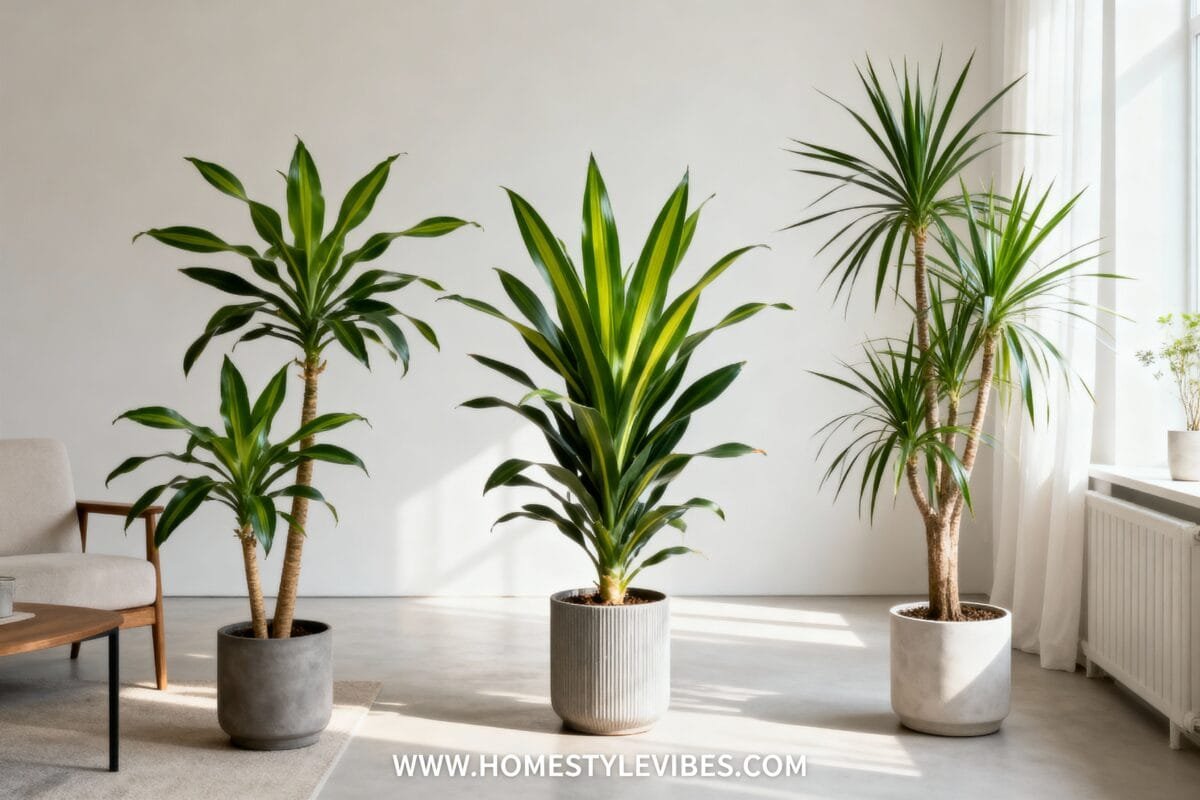
Dracaena covers a bunch of varieties—marginata (spiky), fragrans (a.k.a. corn plant), and compacta (sleek and sculptural). Different looks, same vibe: low maintenance. They grow slowly, tolerate less-than-ideal conditions, and clean your air while looking cute. Not bad for a plant that basically sips water like a polite guest.
Light: Bright But Not Blinding
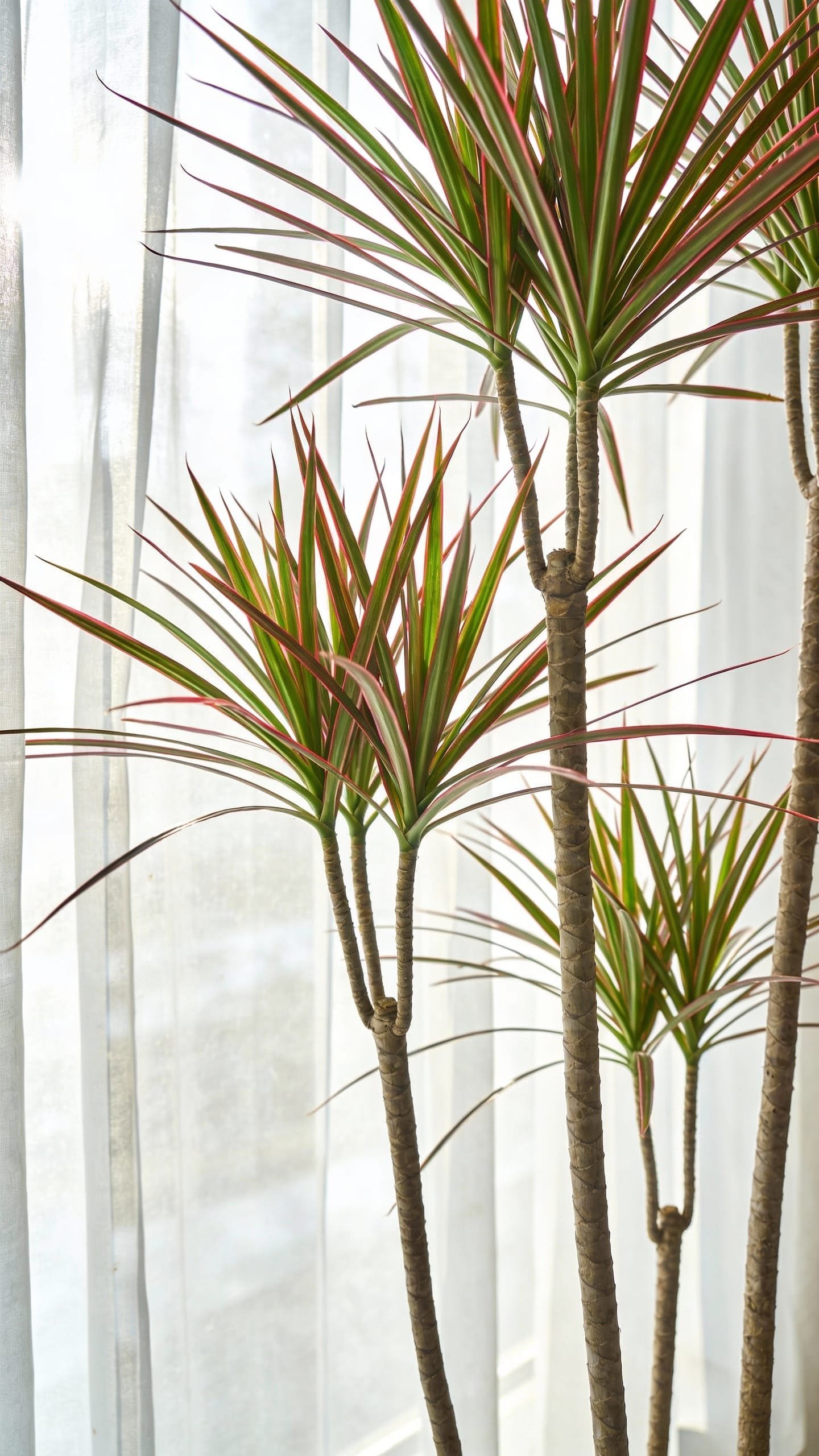
Dracaenas crave light, but they hate sunburn. Place them in bright, indirect light and you’ll see steady growth and richer color. A few feet from a sunny window works well, or next to a sheer-curtained window.
- Best spot: East or north-facing window; west works if you diffuse the light.
- Okay spot: Mid-room with good natural light.
- Avoid: Direct afternoon sun—crispy leaves are not the vibe.
What about low light?
They’ll survive, but growth slows and variegation can fade. If your plant looks leggy, move it closer to a window or add a grow light. FYI, grow lights don’t have to be ugly—there are stylish options now.
Water: Less Is More (Seriously)
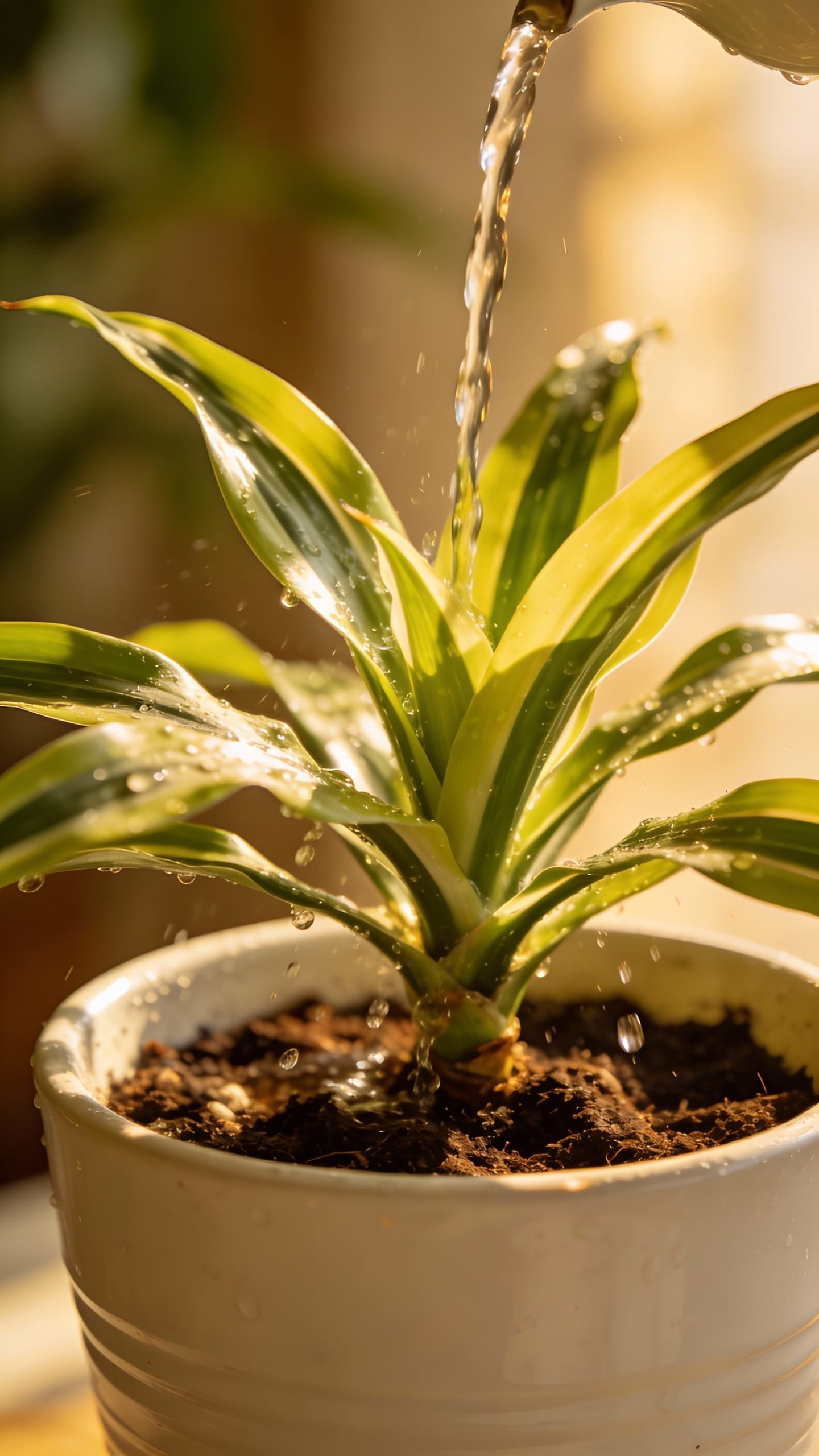
Most dracaena issues come from overwatering. The roots hate sitting in soggy soil. Let the top half of the pot dry between waterings.
- Finger test: Stick your finger two inches deep. If it feels dry, water. If it’s cool or damp, wait.
- Watering rhythm: About every 10–14 days in average indoor conditions. In winter, stretch it to 2–3 weeks.
- Drainage matters: Always use a pot with drainage holes. No holes, no deal.
Leaf tips turning brown?
That’s usually fluoride or chlorine in tap water, plus low humidity. Use filtered or distilled water if possible, or let tap water sit out overnight. Trim brown tips with clean scissors if they bug you—it’s cosmetic, not fatal.
Soil, Pots, and Repotting Without Drama
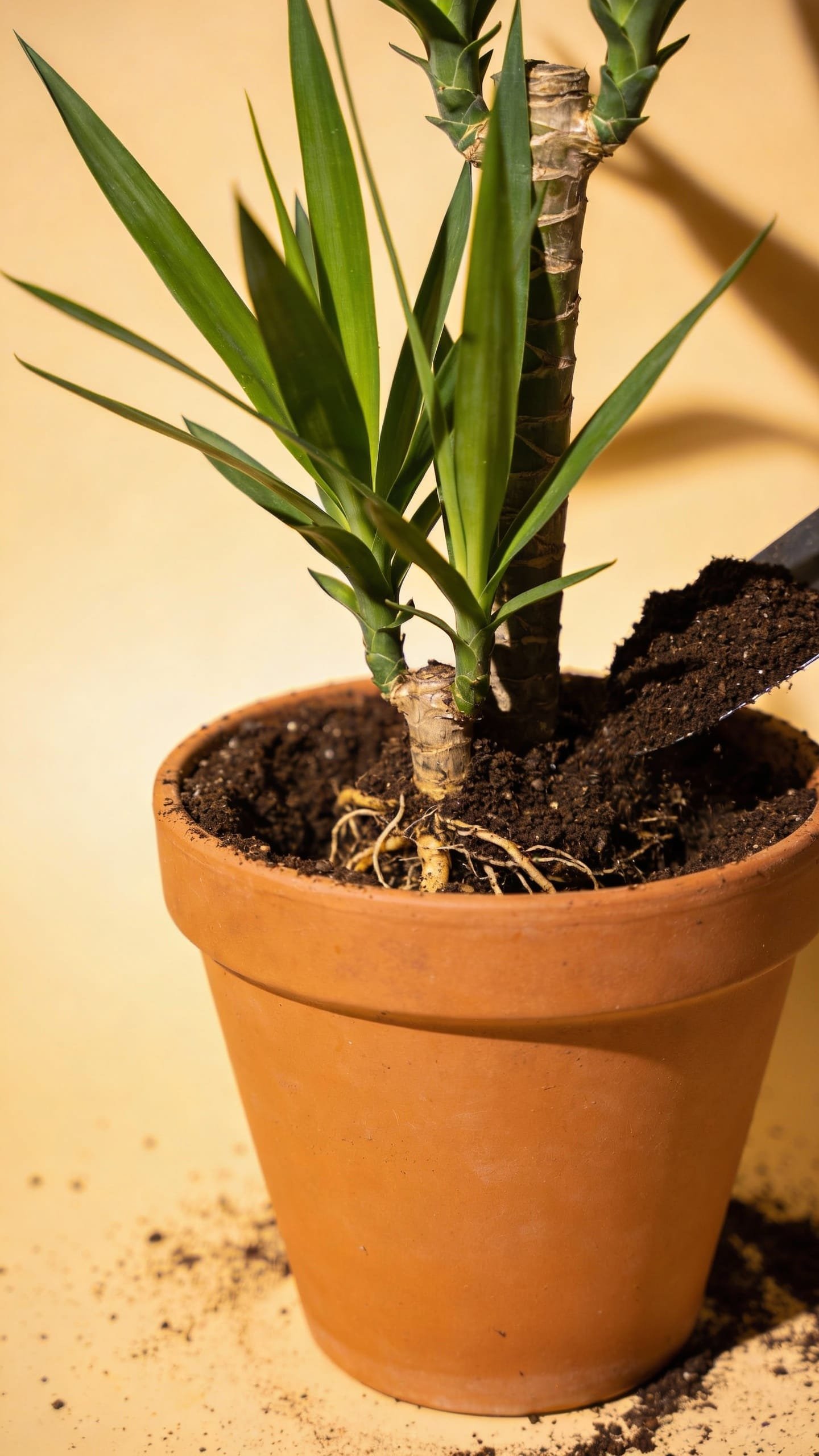
Dracaenas love a breathable, well-draining mix. They don’t need spa treatments, just a decent home.
- Soil mix: Use a houseplant mix with perlite or pumice. You can DIY: 2 parts potting soil, 1 part perlite, 1 part orchid bark.
- Pot choice: Terracotta helps prevent soggy roots; plastic retains moisture longer (nice in dry homes).
- Repot timing: Every 2–3 years or when roots circle the pot or poke out the bottom.
How to repot (quick and painless)
- Water the plant the day before—easier to remove and less shock.
- Choose a pot 1–2 inches wider than the current one.
- Loosen roots gently and trim dead ones (mushy or black).
- Set in new pot with fresh mix, keeping the same soil level.
- Water thoroughly, then let excess drain. Done.
Temperature, Humidity, and Your HVAC
Dracaenas prefer normal indoor temps. You probably already nail this part.
- Temperature: 65–80°F is prime. Below 55°F? Hard pass.
- Humidity: Average is fine, but they like 40–50%. Brown tips mean bump it slightly.
- Drafts: Keep away from AC blasts, heaters, and frosty windows.
Easy humidity boosts
– Group plants together.
– Add a pebble tray with water (not touching the pot bottom).
– Run a small humidifier near your plant zone. IMO, it helps way more than misting.
Feeding and Growth: Slow and Steady
Dracaenas aren’t heavy feeders. Over-fertilizing causes leaf burn faster than you think.
- Fertilizer: Use a balanced liquid fertilizer at half strength once a month in spring and summer.
- Skip in winter: Growth slows; your plant wants a nap, not a buffet.
- Pruning: Trim leggy canes back in spring. New shoots will sprout below the cut. It’s plant magic, but also science.
Common Problems (And Easy Fixes)
You don’t need a botany degree. Just match the symptom to the culprit.
- Brown tips: Fluoride/chlorine or low humidity. Use filtered water and increase humidity a bit.
- Yellow lower leaves: Natural aging or overwatering. If many leaves yellow at once, check the roots and watering schedule.
- Soft, droopy stems: Severe overwatering and possible root rot. Unpot, trim mushy roots, repot in fresh dry mix, and water less.
- Brown patches with crispy edges: Sunburn. Move out of direct sun.
- Pests (mealybugs, spider mites): Wipe leaves with soapy water or neem oil weekly until gone. Increase humidity for mites. Consistency is key.
Propagation: Make More Plants for Free
Want backups? Or gifts? Dracaenas propagate easily from cane cuttings.
Simple cane cutting method
- Cut a healthy cane into 4–6 inch sections with sterilized shears.
- Stick the bottom end in moist, well-draining mix, or lay horizontally and lightly cover.
- Keep warm and lightly moist, not wet. Bright, indirect light.
- Roots form in 3–8 weeks. New leaves appear soon after. FYI, patience helps.
Styling Tips (Because Aesthetics Matter)
Dracaenas bring height and structure, which makes them perfect for corners or entrances. Marginata fits modern, minimal spaces; fragrans gives tropical, cozy vibes. Group with trailing plants for contrast, or pair with a bold pot to make it pop. If your space feels flat, a tall dracaena fixes that fast.
FAQ
Are dracaenas safe for pets?
Nope. Dracaenas are toxic to cats and dogs if ingested and can cause vomiting or drooling. Keep them out of reach or choose a pet-safe alternative like a parlor palm. IMO, safety first.
Why is my dracaena leaning?
It reaches for light. Rotate the pot a quarter turn every week for even growth. If it’s tall and wobbly, stake it temporarily and adjust the light.
Do dracaenas need special water?
They prefer filtered, distilled, or dechlorinated water because fluoride and chlorine can cause brown tips. If tap water is your only option, let it sit out 24 hours before using. It’s a small habit that pays off.
Can I cut back a tall dracaena?
Yes, and it responds well. Cut the cane to your desired height in spring or summer. New shoots will sprout from nodes below the cut, and you can root the top as a new plant. Free plant, who dis?
How fast do dracaenas grow?
They grow slowly—think inches per year, not feet. Good light and warm temps speed things up. If yours hasn’t moved in months, tweak light and watering and be patient.
What’s the best pot size?
Choose a pot only 1–2 inches wider than the current one. Oversized pots hold extra moisture and increase rot risk. Snug is safe with dracaenas.
Wrap-Up: A Chill Plant for Busy People
Give your dracaena bright, indirect light, water only when the top half of the soil dries, and repot every few years. That’s the gist. Keep things simple, and this plant will reward you with sculptural leaves and steady, drama-free growth. Low effort, high style—honestly, the dream.