Cottage Cheese Chocolate Chip Cookies: High Protein, Soft and Chewy Cookies Without Tons of Butter
You want soft, chewy chocolate chip cookies that don’t guzzle a stick and a half of butter? Same. Enter cottage cheese: the stealthy, high-protein hero that turns classic cookies into a feel-good treat without sacrificing texture or flavor. No, they won’t taste like a salad. Yes, they still taste like cookies you’ll want to hoard.
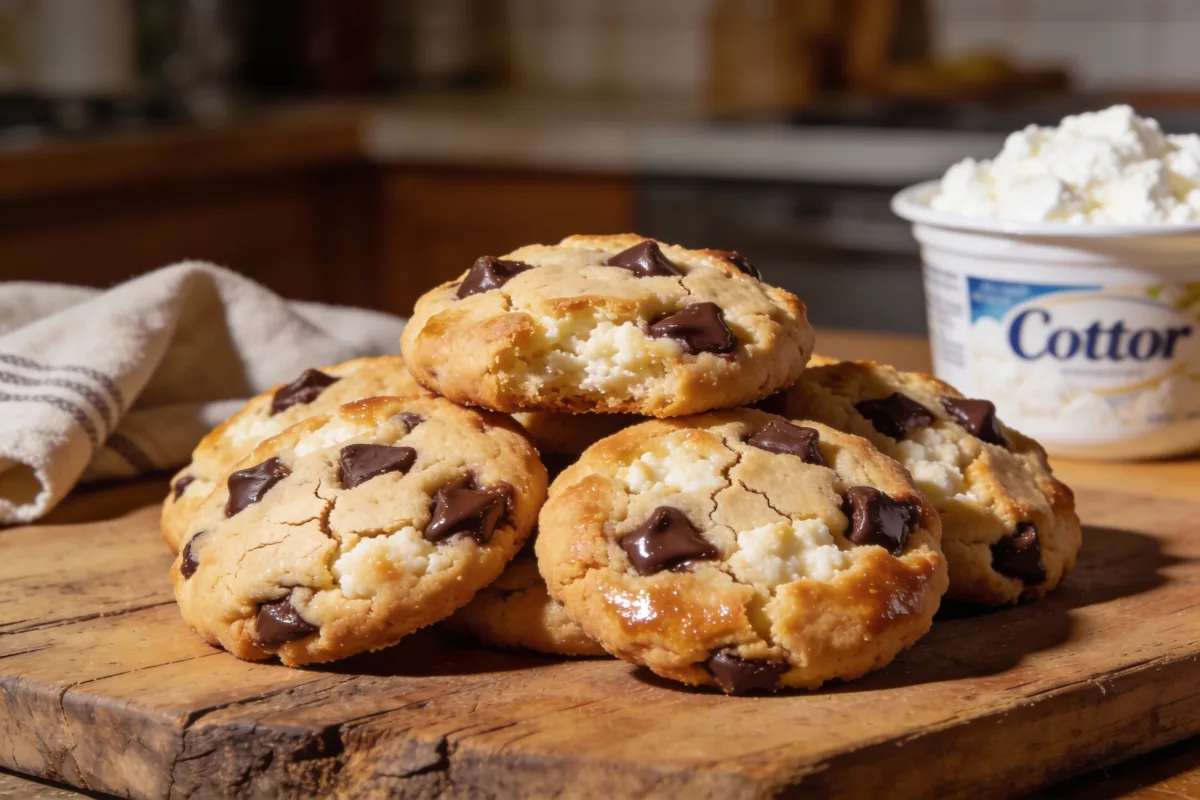
Cottage cheese blends into the dough, adds moisture, and boosts protein—so you get cookies that stay tender for days. Ready to bake smarter, not sadder?
Why Cottage Cheese Actually Works in Cookies
Cottage cheese brings moisture and protein to the party, which means you can use less butter while keeping that soft chew. It blends seamlessly into the dough when you process it smooth—no curds in sight, promise.
It also adds a gentle tang that balances sweetness. Think of it like a lighter, friendlier version of sour cream or Greek yogurt in baking. And because it’s high in casein, it keeps cookies tender instead of cakey when you get the ratios right.
Bottom line: You’ll get cookies that feel classic, not “health food.”
The Texture: Chewy, Soft, and Slightly Fudgy
We’re aiming for edges with a tiny bite and centers that stay soft on day two. Cottage cheese brings the moisture; a quick chill keeps spreading under control; and a mix of brown sugar and chocolate seals the deal.
Key moves for texture:
- Blend the cottage cheese until silky before adding to the dough.
- Chill 30–60 minutes so the dough doesn’t pancake in the oven.
- Underbake slightly and let carryover heat finish the centers.
The Recipe: High-Protein Chocolate Chip Cookies Without Tons of Butter
IMO, this hits the sweet spot between “lighter” and “still indulgent.” FYI, you’ll use half the usual butter and pick up extra protein from cottage cheese and a touch of whey.
Ingredients (makes about 18 cookies)
- 6 tbsp unsalted butter, softened
- 1/2 cup blended cottage cheese (start with 2/3 cup small-curd; blend to 1/2 cup smooth)
- 1/2 cup packed light brown sugar
- 1/3 cup granulated sugar
- 1 large egg
- 2 tsp vanilla extract
- 1 3/4 cups all-purpose flour
- 1/2 tsp baking soda
- 1/2 tsp baking powder
- 1/2 tsp fine salt
- 2 tbsp unflavored or vanilla whey protein (optional but awesome for structure)
- 1 cup semisweet or dark chocolate chips/chunks
Instructions
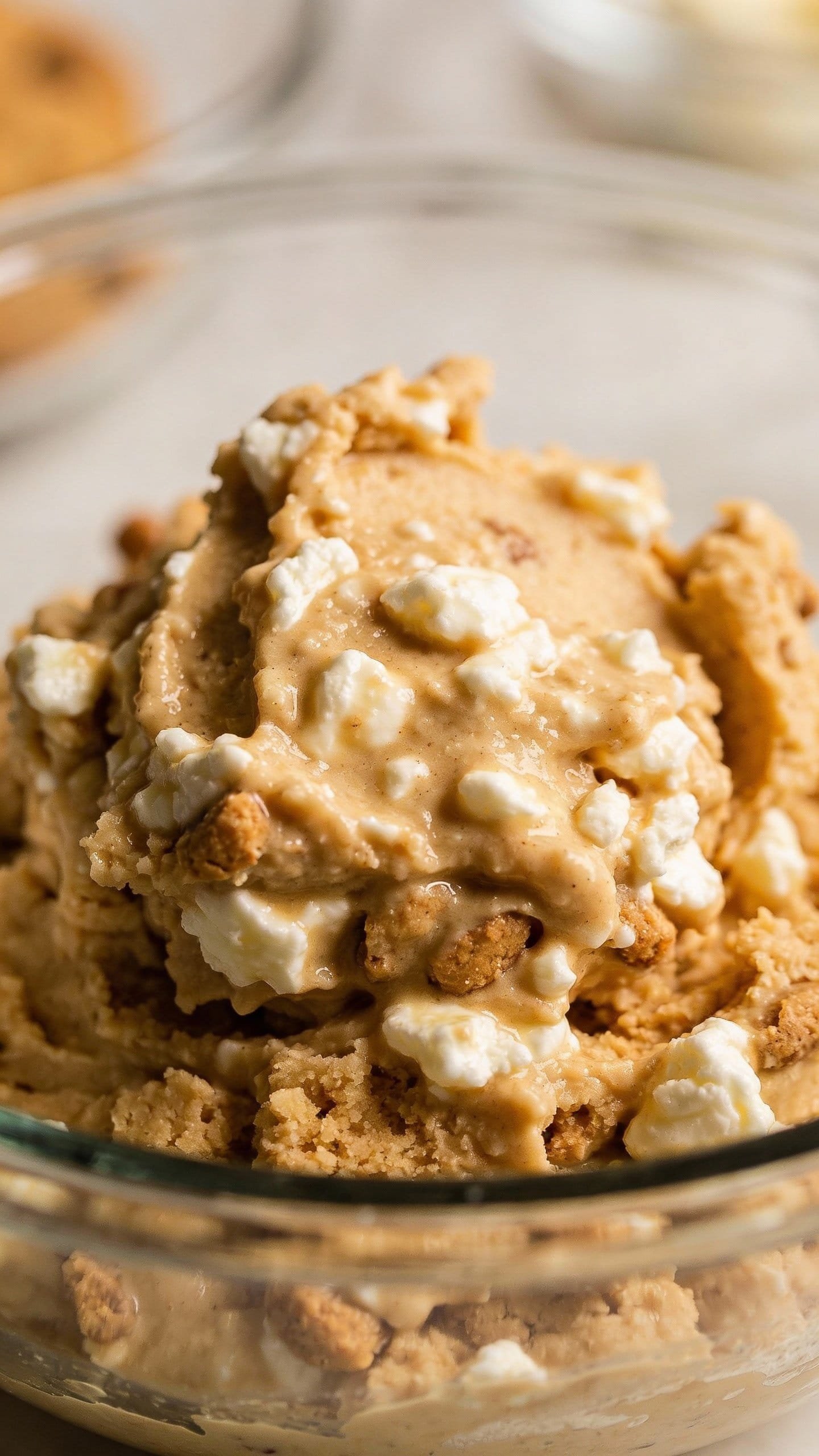
- Blend the cottage cheese: Use a small blender or immersion blender to make it completely smooth.
- Cream the fats and sugars: Beat butter with both sugars until fluffy, 2–3 minutes. Beat in the blended cottage cheese until fully incorporated.
- Add egg and vanilla: Mix until just combined.
- Whisk dry ingredients: In a separate bowl, whisk flour, baking soda, baking powder, salt, and whey protein (if using).
- Combine: Add dry ingredients to the wet and mix on low until a soft dough forms. Fold in chocolate.
- Chill: Cover and chill 30–60 minutes.
- Bake: Scoop 2-tablespoon balls onto a parchment-lined sheet. Bake at 350°F (175°C) for 9–11 minutes until edges set and centers look slightly underdone.
- Finish: Tap the pan once to deflate puff, swirl cookies with a glass or cookie ring for perfect circles if you’re feeling extra, and cool 10 minutes.
Pro move: Sprinkle a pinch of flaky salt on top right after baking. Salty-sweet supremacy.
Ingredient Swaps That Actually Work
Want to tweak? Go for it—but choose wisely unless you enjoy cookie roulette.
Dairy swaps
- Cottage cheese: Use full-fat or 2%. Nonfat works but yields drier cookies; add 1 extra tbsp butter if you insist.
- Greek yogurt: Works in a pinch. Use 1/2 cup, drain if watery, and add 1 extra tbsp sugar for balance.
Protein tweaks
- Whey protein: Helps structure. If using plant protein, reduce to 1 tbsp and add 1 tsp milk if dough looks dry.
- No protein powder: Totally fine—just skip it and keep the rest the same.
Chocolate choices
- Dark chocolate chunks: Best for rich, melty puddles.
- Mini chips: Great distribution if you like chocolate in every bite.
- Chopped bar + 1 tbsp cocoa nibs: Adds texture and a hint of bitterness.
How to Nail the Dough (and Avoid Cake-y Cookies)
Cottage cheese adds moisture, which you love, but it can push cookies toward cake-y if you go overboard. Keep it balanced.
Tips for success
- Blend the cottage cheese smooth. Lumps = uneven hydration and weird pockets.
- Measure flour correctly. Spoon and level. Over-measuring flour dries the dough and puffs the cookies.
- Don’t overbake. Pull them while centers look soft. They set as they cool.
- Chill but don’t freeze the dough. Too cold and the cookies won’t spread.
Macros and What to Expect (Without Doing Math Homework)
Exact numbers vary by brands, but here’s the vibe for one cookie out of 18:
- Protein: About 4–6 g each (closer to 6 g with whey and full-fat cottage cheese)
- Fat: Lower than your average bakery cookie thanks to half the butter
- Carbs: Cookie-typical, because sugar and flour still exist
Will this replace your post-workout shake? No. Will it make your afternoon coffee feel like it owns a gym membership? Absolutely.
Make-Ahead, Storage, and Freezing
Soft cookies taste best fresh, but you’ve got options.
- Chill the dough: Up to 48 hours. Let it sit at room temp 10–15 minutes before scooping if it’s rock hard.
- Freeze dough balls: Freeze on a tray, then bag. Bake from frozen at 350°F, adding 1–2 minutes.
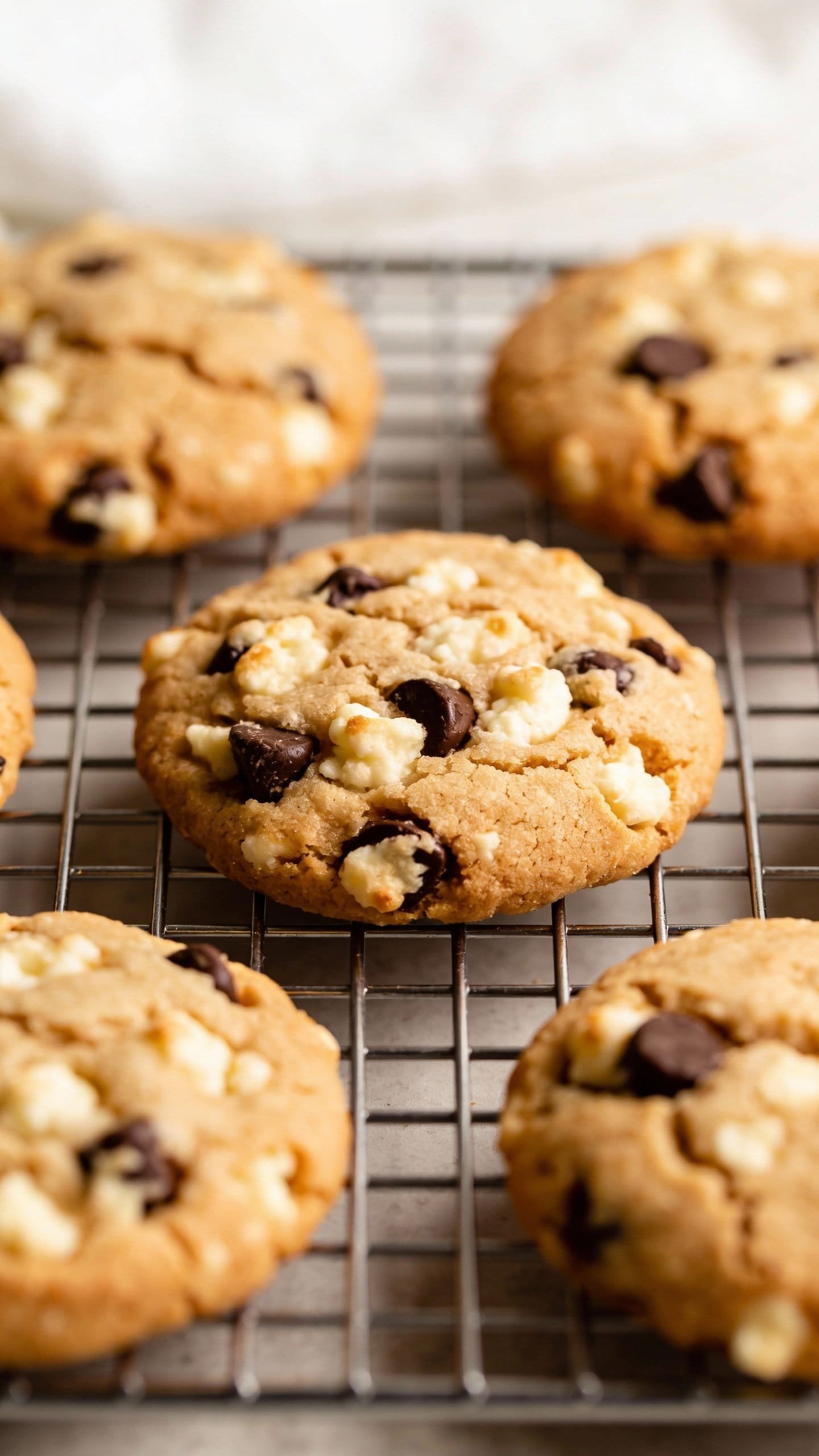
- Store baked cookies: Airtight at room temp for 3–4 days. They stay soft, thanks to cottage cheese magic.
- Revive: Microwave a cookie for 8–10 seconds to fake that fresh-baked vibe.
Flavor Upgrades If You’re Feeling Fancy
You can stay classic or flex a little. IMO, these tweaks slap.
- Brown butter: Brown 2 tbsp of the butter for nutty depth; cool before creaming.
- Espresso powder: 1/2 tsp intensifies chocolate without “coffee flavor.”
- Orange zest + dark chocolate: Bright, bakery-level energy.
- Toasted pecans or walnuts: 1/2 cup for crunch and extra protein.
- Tahini swirl: 1–2 tbsp for subtle nuttiness and extra chew.
FAQ
Will the cookies taste like cottage cheese?
Nope. Once blended and baked, cottage cheese just adds moisture and a slight tang—similar to using sour cream. Chocolate and brown sugar dominate the flavor.
Can I make these gluten-free?
Yes. Use a 1:1 gluten-free baking flour with xanthan gum already included. The dough may feel a bit more delicate, so chill slightly longer and don’t overmix.
What if I don’t have a blender for the cottage cheese?
Mash it very thoroughly with a fork or whisk. You’ll still get a good result, but blending gives the smoothest texture and most consistent spread.
Can I reduce the sugar?
A little. Drop the granulated sugar to 1/4 cup and keep the brown sugar at 1/2 cup for chew. Reducing further may make the cookies less spread-y and more cake-like.
Do I need the whey protein?
No. It’s optional. It adds a bit of structure and a smidge of extra protein, but the recipe works beautifully without it.
Why did my cookies not spread?
Your dough probably ran cold or your flour packed heavy. Let the dough warm 10 minutes before baking and double-check you measured flour by spoon-and-level. Also, old baking soda can sabotage spread—replace it every few months.
Conclusion
Cottage cheese chocolate chip cookies give you the best of both worlds: soft, chewy texture and legit protein without a butter bomb. Blend the cottage cheese, chill the dough, and pull them while the centers still look a little gooey. You’ll get cookies that taste classic, feel lighter, and disappear suspiciously fast—just the way we like it.