Best January Flowers To Brighten Your Home
January feels like the month when color goes into hibernation. The trees look sleepy, the sky plays the grayscale card, and your living room? It could use a mood lift.
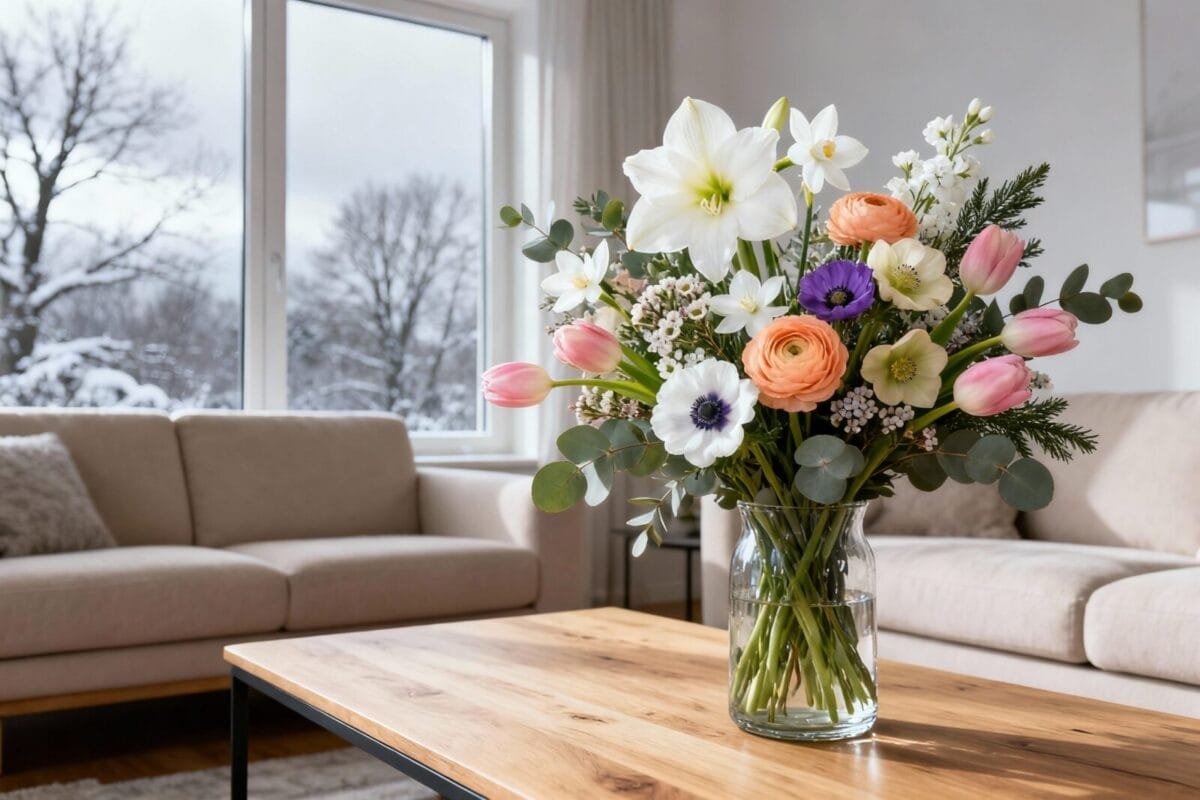
Good news: winter doesn’t scare flowers as much as you think. Bring in the right blooms, and your home snaps back to life—like coffee, but prettier.
Why January Flowers Just Hit Different
January sits between holiday sparkle and spring hype, which makes fresh flowers feel extra special. You get gorgeous shapes, surprising scents, and texture for days.
Plus, winter blooms often last longer indoors because cooler temps slow them down. Win-win, IMO.
- Longer vase life in cool rooms means you get more bang for your bouquet.
- Unexpected textures—think berries, branches, and petals with attitude.
- Better prices on some seasonal flowers because they’re plentiful right now.
Top January Bloom-All-Stars
These flowers shine when the weather doesn’t. Mix a few of these and your mantle will think it’s in a magazine.
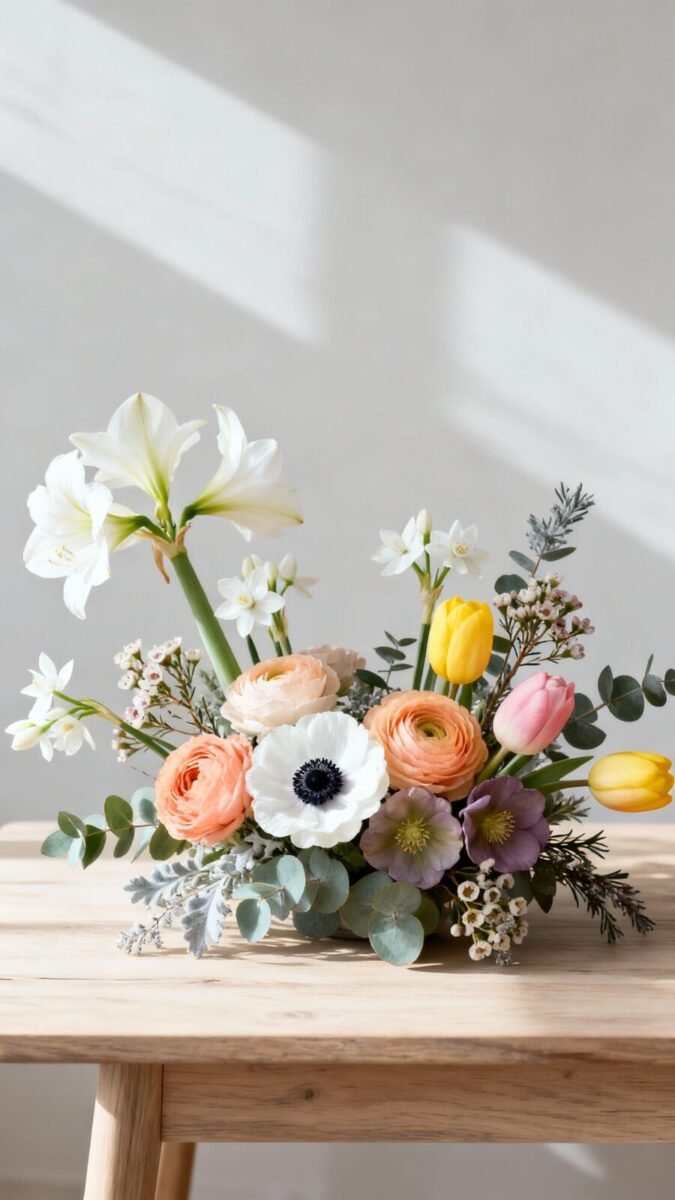
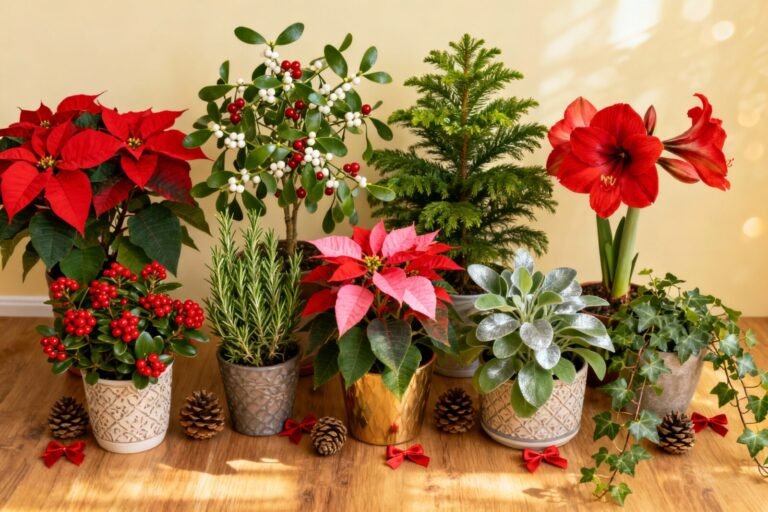
Amaryllis: The Drama Queen
Amaryllis delivers huge trumpet flowers that look like they’re auditioning for a lead role.
You can buy bulbs or cut stems; both feel luxe with minimal effort. Go classic red, or try blush, white, or candy-striped for something softer.
- Vase tip: Use a heavy vase—those stems get top-heavy once the blooms pop.
- Longevity: 10–14 days, sometimes more with cool temps.
Paperwhites: The Indoor Snowfall
Paperwhites (a type of narcissus) offer fragrant white clusters on slender stems. Some folks love the scent; others call it “a lot.” Fair warning.
If scent-sensitive, place them in an entryway or a room you don’t live in 24/7.
- Grow or buy: Force bulbs in pebbles and water, or snag pre-bloom stems at florists.
- Style: Cluster 5–7 stems for a cloud-like moment.
Ranunculus: The Petal Overachiever
Ranunculus look like roses’ artsy cousins—layers on layers of crepe-like petals. They come in delicious colors: peach, buttercream, blush, berry, and moody maroons.
- Hydration hack: Give them deep water for the first few hours to plump the stems, then switch to shallow water.
- Longevity: 7–10 days, and they open beautifully over time.
Anemones: Graphic, Modern, Cool
Think crisp white petals with inky centers, or vibrant pinks and purples that look like a design choice. Anemones bring major contrast to winter textures.
- Light lover: They follow light, so rotate the vase to keep stems straight.
- Pair with: Eucalyptus, ranunculus, or dusty miller for soft contrast.
Tulips: Early Birds of Spring
Tulips often show up early in January, especially at grocery stores.
They continue to grow after you cut them, which gives arrangements a relaxed, organic vibe.
- Pro move: Wrap stems in paper and let them drink in cool water for an hour to help them stand tall.
- Look to try: Parrot tulips for ruffled edges, or French tulips for long, elegant stems.
Hellebores: Moody and Romantic
Also known as Lenten rose, hellebores bring muted, painterly tones—sage, mauve, burgundy, and creamy white. They feel like a quiet luxury moment.
- Cutting tip: Choose stems with mature, open flowers. Young buds can droop.
- Vibe: Mix with branches for a woodland feel.
Waxflower and Winter Greens: The Secret Sauce
Not technically the headliners, but these support your stars like champs.
Waxflower adds tiny blooms and a citrusy scent. Seasonal greens—eucalyptus, pine, cedar—give structure and aroma.
- Filler, but make it fashion: Use waxflower to fill gaps without looking “filler-y.”
- Bonus: Greens last weeks and make even a few stems look intentional.
Color Palettes That Cheer Up January
Want foolproof combos? Try these quick palettes that don’t scream holiday leftovers.
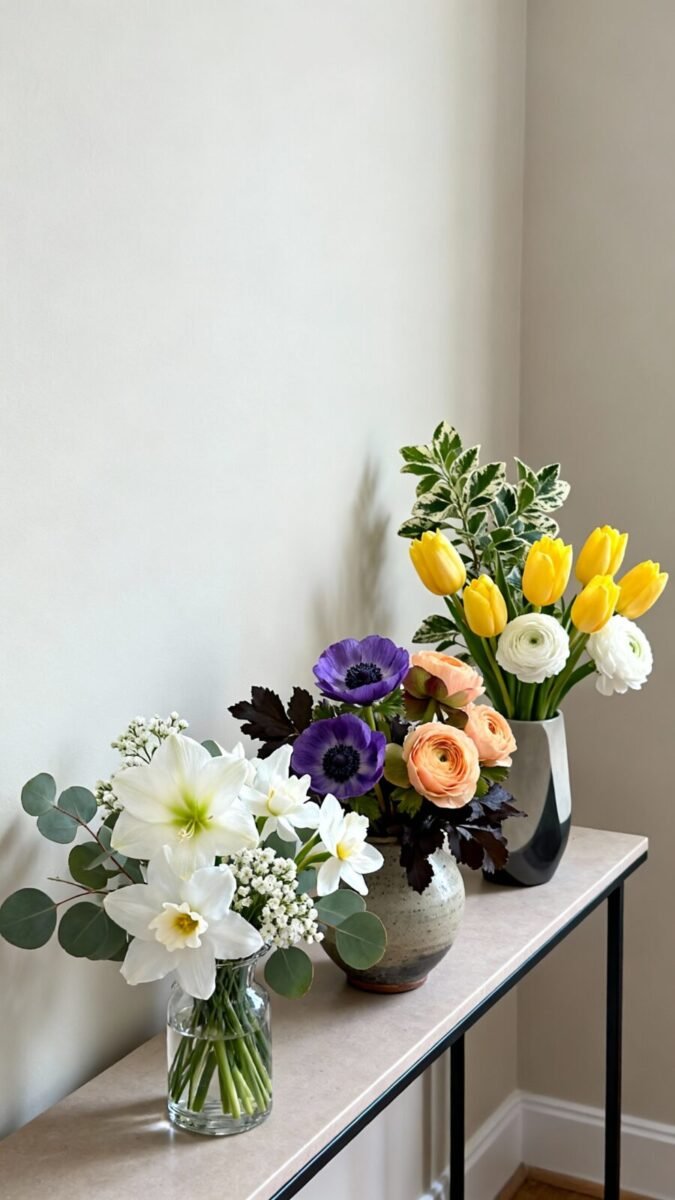
- Scandi Snow: White amaryllis + eucalyptus + waxflower.Minimal, calm, chic.
- Berry Bramble: Anemones (purple/berry) + ranunculus (peach) + hellebores + dark foliage.
- Citrus Sunshine: Yellow tulips + white ranunculus + variegated pittosporum. Fresh and punchy.
- Fireside Glow: Red amaryllis + cedar + ilex berries. Cozy, winter-forward, not Santa-core.
Care Tips So Your Blooms Don’t Tap Out Early
You don’t need a florist’s secret handshake—just a few habits.
Keep it simple and consistent.
- Trim stems at a 45-degree angle when you get home. Change water every 2 days, no excuses.
- Keep it cool. Flowers love cool rooms, away from heaters and sunlight. Drafts = nope.
- Clean vases matter. Bacteria shortens vase life fast.Wash with hot, soapy water between arrangements.
- Use flower food if you get it. Or DIY: tiny pinch of sugar + a drop of bleach. Don’t overdo it.
- Remove wilting stems ASAP so they don’t funk up the rest.
Special Handling for Tricky Divas
Some blooms need a little extra TLC, FYI.
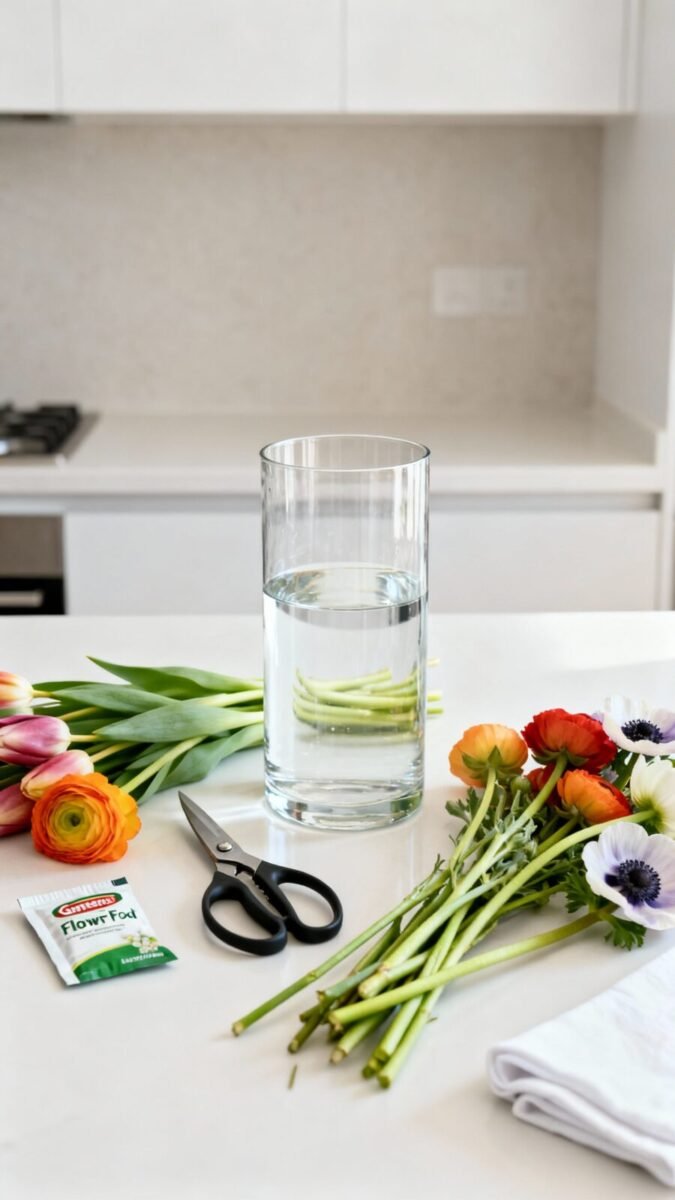
- Hellebores: Scald the cut ends for 5–10 seconds, then place in cold water.Helps prevent droop.
- Anemones: Expect them to curl and dance. Embrace the movement; it’s part of their charm.
- Tulips: They keep growing. Give them room to arc and look graceful.
Easy Arrangements Anyone Can Nail
No floral foam, no stress.
You got this.
One-and-Done Statement
– Pick a single variety (like amaryllis or tulips). – Grab a tall cylinder vase. – Add greens if you want, but honestly, the clean look slaps.
Low, Lush Coffee Table Bowl
– Use a wide bowl or compote and a chicken wire nest (eco-friendly, reusable). – Combine ranunculus, anemones, and hellebores. – Fill in with waxflower and eucalyptus for texture.
Branch + Bloom Minimalism
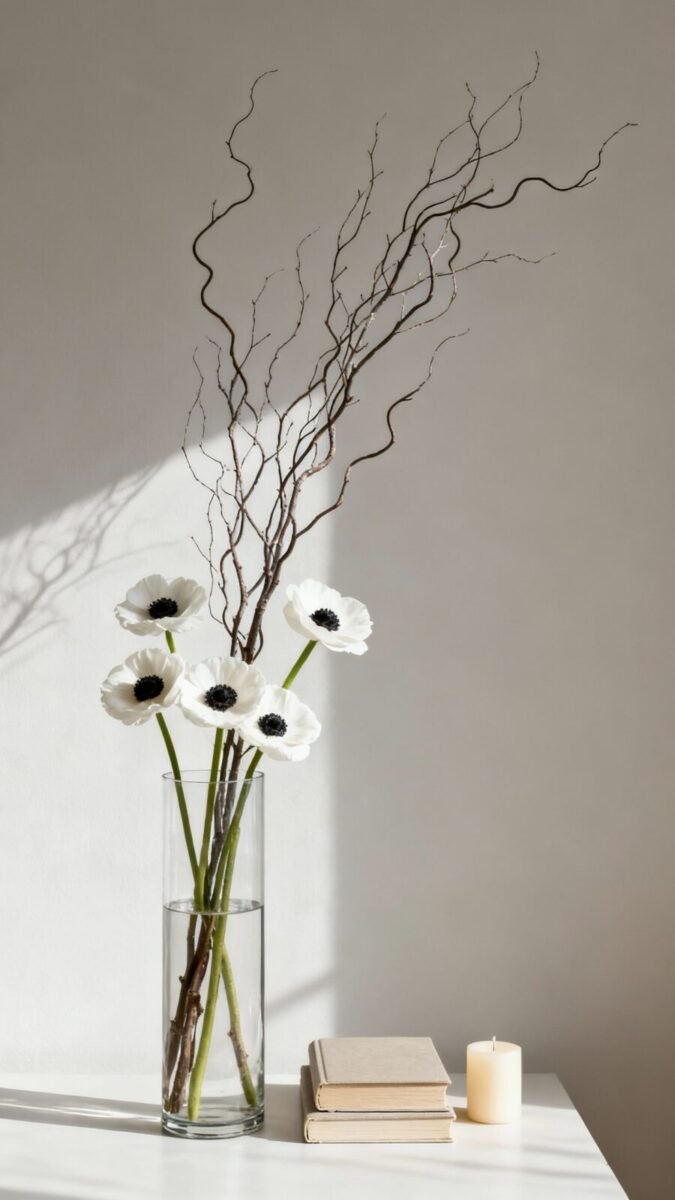
– Clip a few bare branches (or buy curly willow). – Add 3–5 anemone stems. – Negative space does the heavy lifting—very gallery-core.
Budget-Friendly Grocery Store Picks
You can absolutely build a vibe without a fancy florist. The trick? Edit.
Don’t throw every color in the cart like you’re making floral salad.
- Grab 2–3 bunches of the same flower for impact (e.g., all white tulips).
- Layer in one filler (waxflower or baby eucalyptus) for texture.
- Skip dyed flowers if you want a natural look. Blue roses…probably not.
- Check freshness: Tight ranunculus centers, firm tulip stems, no slimy water.
FAQs
Which flowers last the longest in January?
Tulips, waxflower, and winter greens hold up like champs—often a week or more with good care. Amaryllis also sticks around if you keep it cool.
Refresh water often and trim stems to extend life.
What can I use if I’m allergic to strong scents?
Go for anemones, tulips, ranunculus, and hellebores. They bring drama without the perfume. Avoid paperwhites if you’re scent-sensitive—they’re beautiful but bold.
How do I keep tulips from flopping?
Wrap them loosely in paper, stand them in cool water for an hour, then arrange.
Use a tall vase for support and don’t overfill the water. They’ll still curve a bit—that’s the charm.
Can I mix fresh flowers with faux in winter?
Absolutely. Combine real greens or a few real stems with high-quality faux blooms to stretch your budget.
Just keep faux away from direct light to avoid the “plastic glare” giveaway.
Do I need floral foam?
Nope. Chicken wire or a floral frog gives you structure without the mess. Foam can dry out flowers faster and isn’t eco-friendly, IMO.
What’s a good first arrangement for beginners?
Try a mono-floral bouquet: all tulips, all ranunculus, or all amaryllis.
Same-stem bunches look intentional, and you skip the guesswork of mixing textures and heights.
Conclusion
January doesn’t have to feel gray and blah. Bring in amaryllis for drama, tulips for freshness, anemones and ranunculus for texture, and greens to tie it all together. Keep your care routine simple, pick a cohesive palette, and let a few great stems do the heavy lifting.
Your home will look brighter—no sunshine required.