Christmas Sangria (Red Wine, Cranberry and Orange)
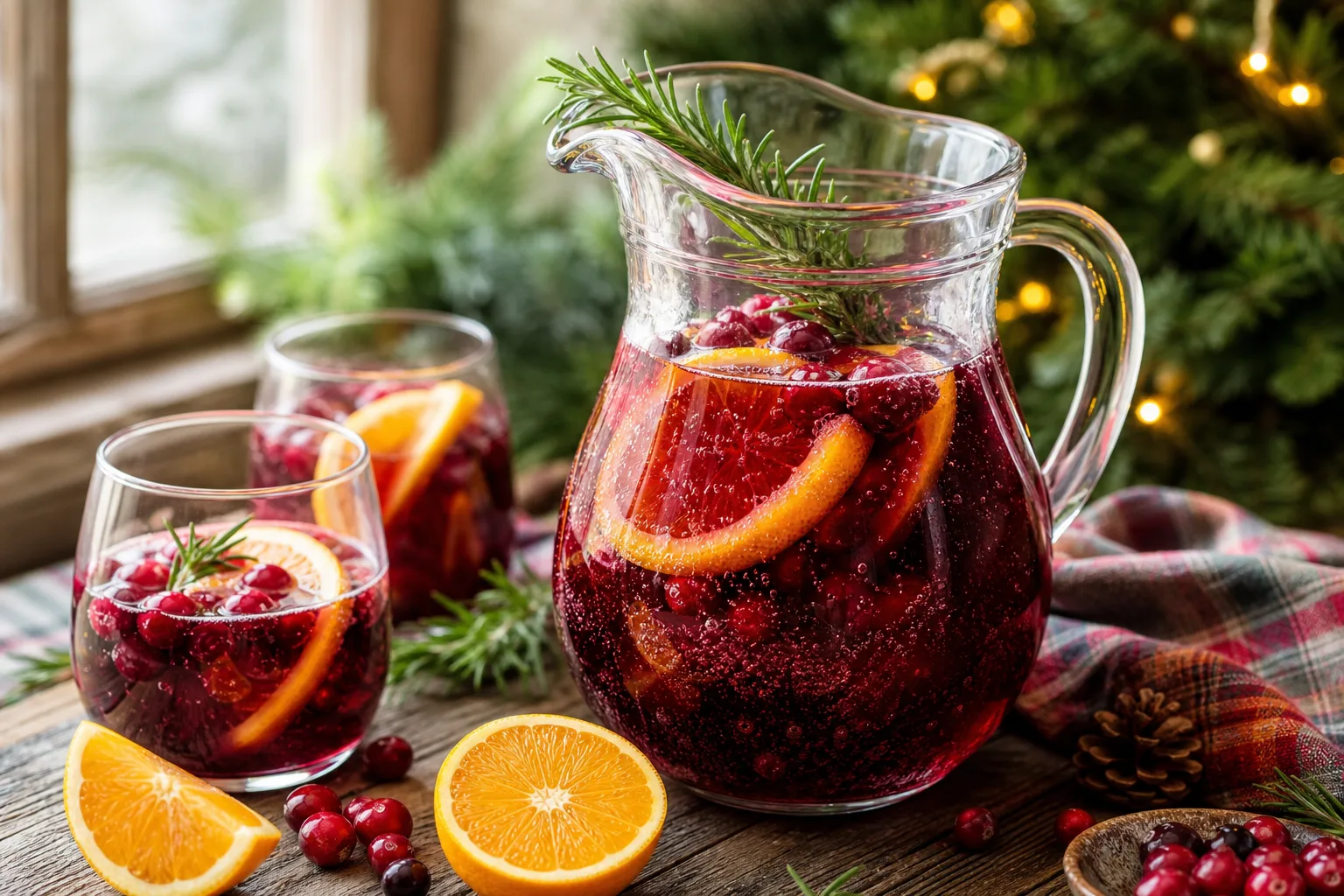
This Christmas Sangria is the cheerful pitcher you can build ahead and forget about until guests arrive. It’s ruby red from cranberries, bright with fresh orange, and just sweet enough to sip happily all night.
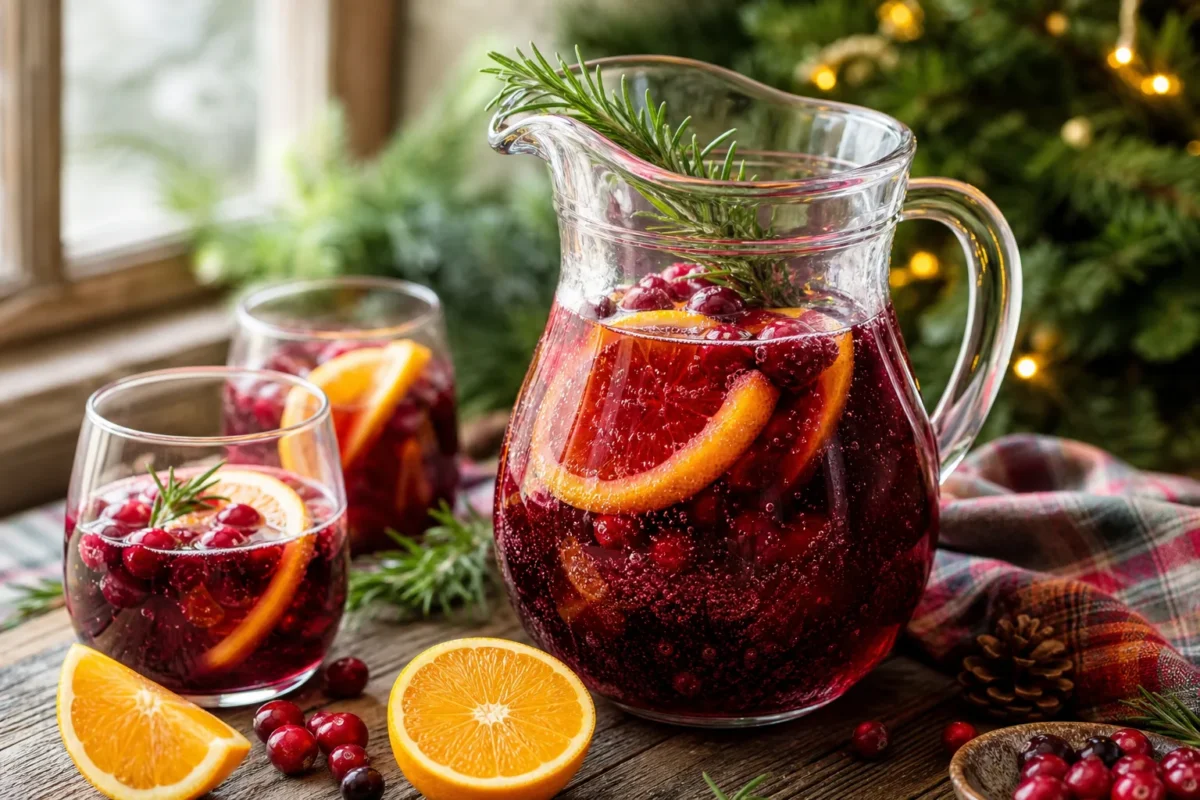
I use dry red wine plus cranberry and orange, a splash of brandy, and a little fizz before serving. It’s simple, pretty, and foolproof for parties or a cozy night trimming the tree.
Why This Christmas Sangria Works
Good sangria is about balance. This one leans on dry red wine so the fruit and juice can shine without tasting sticky-sweet. Cranberry juice brings tartness, orange adds sunny citrus, and a modest pour of brandy tucks everything together with warmth.
I like to add fresh cranberries, orange slices, and a crisp apple for color and texture. The fruit gently infuses the wine as it chills, so the flavor actually improves after a few hours. Right before serving, a little club soda or ginger ale gives it festive bubbles and softens the alcohol for easy sipping.
This pitcher is also wonderfully flexible. If you prefer sweeter sangria, use sweetened cranberry juice or stir in simple syrup to taste. If you love spices, add cinnamon sticks while it chills for cozy holiday notes. It’s a low-lift recipe that looks and tastes like you planned ahead.
What You Need for Cranberry Orange Sangria
Fresh citrus, tart cranberry, and a good dry red wine do the heavy lifting. Use what you have, and adjust the sweetness to taste.
- 25 oz dry red wine (Tempranillo, Garnacha, Merlot, or similar)
- 2 cups cranberry juice, 100% juice or sweetened, to taste
- 1 cup freshly squeezed orange juice
- 1/2 cup brandy
- 1/4 cup orange liqueur (such as Cointreau or Triple Sec)
- 1 large orange, thinly sliced
- 1 crisp red apple, cored and thinly sliced
- 1 cup fresh cranberries, rinsed
- 2 cinnamon sticks, optional, for subtle spice
- 1–2 tbsp simple syrup or granulated sugar, optional, to taste
- 2 cups club soda or ginger ale, chilled, for topping
- ice, for serving
- 2 fresh rosemary sprigs, optional, for garnish
How to Make Christmas Sangria
Build in a pitcher, chill to infuse, then top with fizz and ice just before serving.
- Add the orange slices, apple slices, and cranberries to a large 3-quart (or larger) pitcher.
- Pour in the red wine, cranberry juice, orange juice, brandy, and orange liqueur. Add the cinnamon sticks if using.
- Taste and sweeten if needed. Stir in 1 tablespoon simple syrup (or sugar dissolved in a splash of juice), then add more to taste in small increments.
- Cover and refrigerate for at least 2 hours and up to 24 hours to let the flavors infuse. The fruit will deepen the color and soften the wine’s edges.
- When ready to serve, remove the cinnamon sticks if you prefer a lighter spice note.
- Stir in the chilled club soda or ginger ale. Do not add ice to the pitcher to avoid dilution.
- Fill glasses with ice and ladle in sangria, making sure each glass gets some fruit. Garnish with a rosemary sprig or extra orange slice, if desired.
- Taste and adjust in the glass: add a splash of club soda for more fizz, or a touch of simple syrup if you like it sweeter.
- Keep the pitcher chilled between pours, and top up with extra bubbles as needed to maintain sparkle.
Storage, Make-Ahead and Serving Later
This sangria is best when chilled at least 2 hours and up to 24 hours before serving. The fruit infuses the wine and mellows the edges. Hold off on adding ice and bubbles until the last minute so you keep the flavors bright and undiluted.
If you have leftovers, strain out the fruit after 24 hours and refrigerate the sangria for up to 2 more days. The fruit can become soggy and overly boozy if it sits too long, so store it separately if you want to reuse it as a garnish. Add fresh club soda or ginger ale to revive fizz when you pour another round.

Common Mistakes to Avoid
- Using very sweet wine: Start with a dry red so the juice and fruit don’t push it into cloying territory.
- Adding the bubbles early: Club soda or ginger ale should go in right before serving so it stays lively.
- Skipping the chill time: Give it at least 2 hours. The fruit needs time to infuse and soften the flavors.
- Overloading with spirits: Too much brandy overpowers the fruit. Stick to the measured amount and adjust gradually.
- Adding ice to the pitcher: Ice melts fast and waters everything down. Add it to glasses instead.
Variations and Easy Substitutions
- Spiced sangria: Add 2–3 cinnamon sticks and a few strips of orange zest while it chills for subtle holiday spice.
- Rosemary twist: Tuck in a small sprig of rosemary for a piney aroma. Remove before serving if you want just a hint.
- Stronger orange note: Swap brandy for orange liqueur, or use half-and-half for a layered citrus profile.
- Sweeter sangria: Use sweetened cranberry juice or stir in 2–4 tablespoons simple syrup to taste.
- Lower sugar: Choose 100% cranberry juice and club soda instead of ginger ale, then sweeten lightly if needed.
- Fruit swap: Pears, pomegranate arils, or red grapes work well if apples aren’t on hand.

What to Serve With Christmas Sangria
This sangria is party-friendly and pairs with savory nibbles and sweets. I like to set it next to a warm tray of buttery Cranberry Brie Bites for a matching cranberry note. If you want a second chilled option with autumn vibes, try the Apple Cider Bourbon Cocktail.
For a dessert table, a plate of no-bake Rum Balls makes a simple, boozy bite that echoes the warmth of brandy. And for non-drinkers or kids, a slow cooker of creamy Crockpot Hot Chocolate keeps everyone happy.
Christmas Sangria FAQs
What kind of red wine is best for Christmas sangria?
Choose a dry, fruity red that’s not too oaky or tannic. Spanish Tempranillo, Garnacha, Merlot, or a lighter Zinfandel all work well. Save your expensive bottles for sipping; a reliable $10–$15 wine is perfect here.
Do I have to add brandy?
Brandy adds warmth and helps the fruit flavors blend, but you can skip it if you prefer a lighter drink. Use orange liqueur instead for a citrusy twist, or add a little more cranberry juice to maintain volume.
Can I make this non-alcoholic?
Yes. Replace the red wine and brandy with a mix of cranberry juice, pomegranate juice, and orange juice, then top with club soda or ginger ale. Keep the fresh fruit and chill the same way.
How long should sangria soak before serving?
At least 2 hours, and up to 24 hours, is ideal. The fruit infuses slowly and smooths the flavor. Add sparkling mixers only when you’re ready to pour.
How do I sweeten sangria without overdoing it?
Start with dry wine and 100% cranberry juice, then add 1–2 tablespoons simple syrup at a time, tasting as you go. You can also use ginger ale instead of club soda for a built-in touch of sweetness.
A Festive Little Finish
Make this once and it becomes your December tradition. Bright, balanced, and beautiful, this Christmas Sangria is the pitcher that lets you enjoy your party instead of babysitting the bar. Cheers to a cozy, twinkly night.
Christmas Sangria (Red Wine, Cranberry and Orange)
Ingredients
Method
- Add the orange slices, apple slices, and cranberries to a large 3-quart (or larger) pitcher.
- Pour in the red wine, cranberry juice, orange juice, brandy, and orange liqueur. Add the cinnamon sticks if using.
- Taste and sweeten if needed. Stir in 1 tablespoon simple syrup (or sugar dissolved in a splash of juice), then add more to taste in small increments.
- Cover and refrigerate for at least 2 hours and up to 24 hours to let the flavors infuse. The fruit will deepen the color and soften the wine’s edges.
- When ready to serve, remove the cinnamon sticks if you prefer a lighter spice note.
- Stir in the chilled club soda or ginger ale. Do not add ice to the pitcher to avoid dilution.
- Fill glasses with ice and ladle in sangria, making sure each glass gets some fruit. Garnish with a rosemary sprig or extra orange slice, if desired.
- Taste and adjust in the glass: add a splash of club soda for more fizz, or a touch of simple syrup if you like it sweeter.
- Keep the pitcher chilled between pours, and top up with extra bubbles as needed to maintain sparkle.
Notes

About the Author

Tamás Puskás Owner of Home Style Vibes
Owner of Home Style Vibes
Tamás Puskás is the owner and editor of Home Style Vibes, a cozy-modern lifestyle blog about creating a home you truly love. Right now he's building a new family home from the ground up, so he deals with the same questions readers ask every day: which materials actually last, what's worth the money, and how to make a house feel like home without the overwhelm. Home Style Vibes covers home decor, DIY projects, cleaning and organization, easy family recipes, plants, and seasonal ideas. Everything is practical, tested, and made for real family life with a little one at home.