Lemongrass Plant Care: Beginner’s Guide to Growing Lemongrass in Pots and Small Backyard Gardens
You don’t need a tropical farm to grow lemongrass. A sunny patio, a pot, and a tiny bit of patience will do the trick. This citrusy, fragrant grass grows fast, looks gorgeous, and makes every stir-fry taste like you’re winning at life. Ready to grow your own? Let’s get those stalks thriving.
Why Grow Lemongrass (Besides the Obvious Yum)
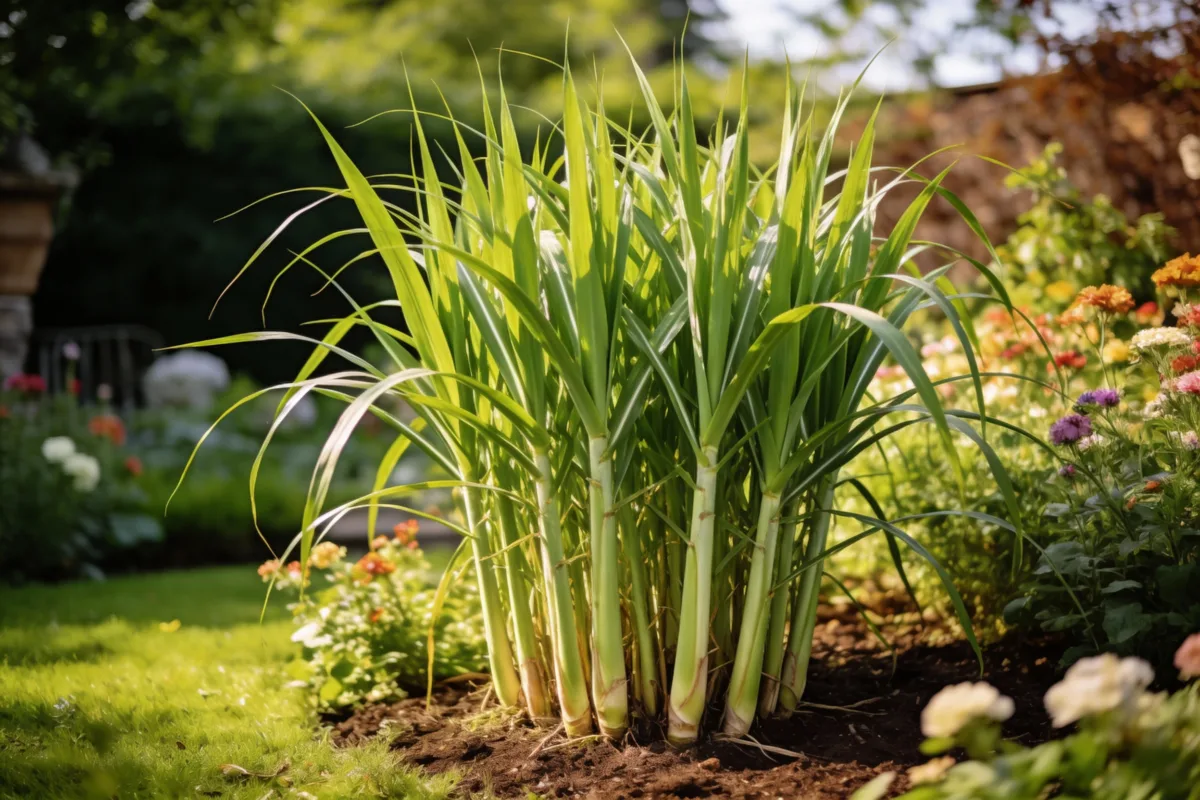
Lemongrass does double-duty: you use the stalks for cooking and the leaves for tea. It also brings height and texture to your patio or garden beds, which makes your space look fancy with very little effort. Bonus: it smells incredible and, FYI, it’s a great plant to impress your “I only eat organic” friends.
Quick wins:
- Fast growth: You’ll harvest in a few months.
- Container-friendly: Loves big pots and warm patios.
- Low drama: Needs sun, water, and occasional food. That’s it.
Picking the Right Plant and Pot
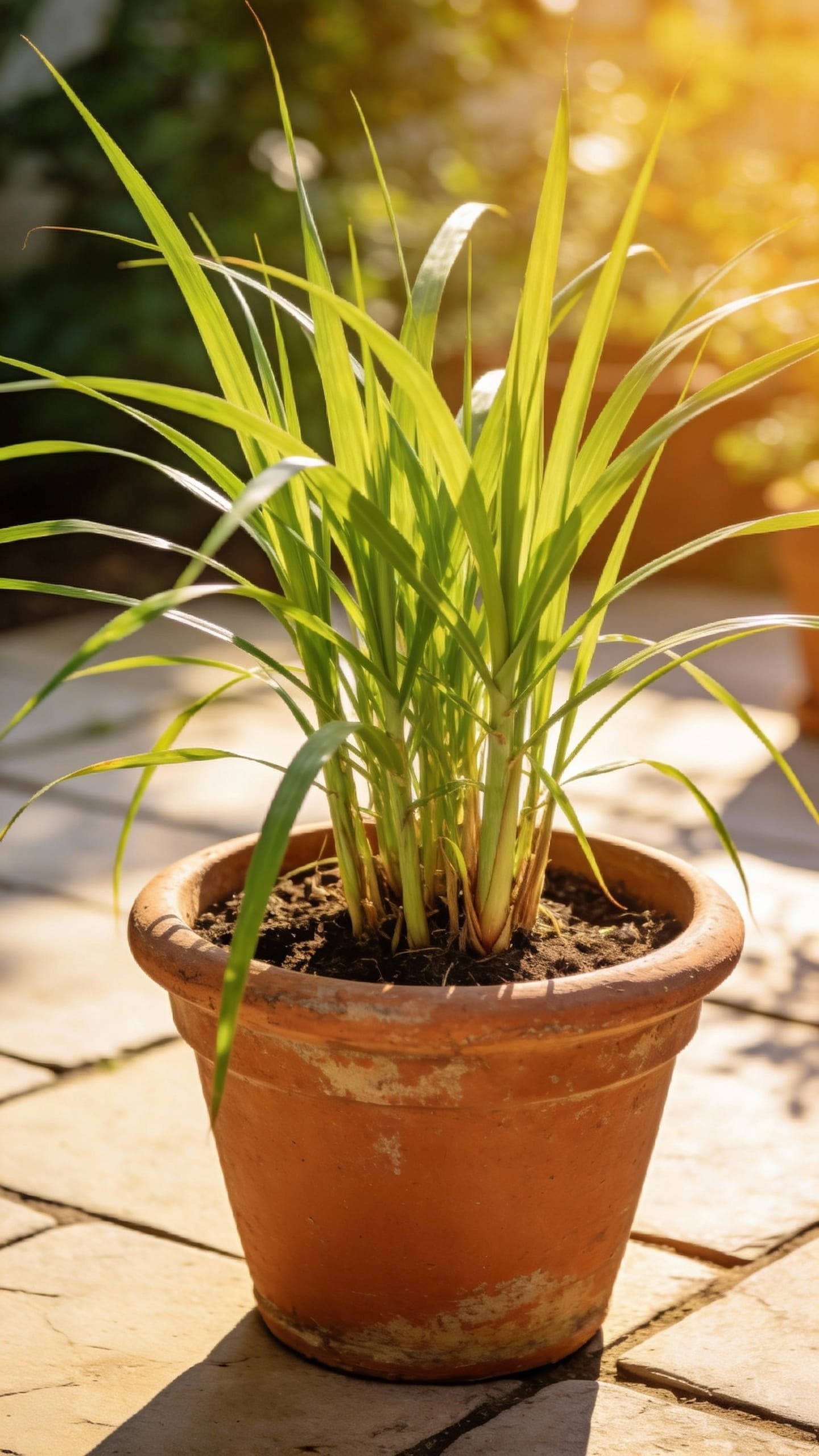
You’ve got two routes: start from nursery starts or root store-bought stalks. Both work. If you’re impatient (same), go with nursery starts.
Starting from Stalks
- Buy fresh stalks with intact bases (the bulb ends shouldn’t be hacked off).
- Place 3–5 stalks in a glass with an inch of water. Change the water every 2–3 days.
- Wait for roots and tiny green shoots, usually 1–3 weeks.
- Pot them up once roots reach 1–2 inches.
Choosing the Perfect Container
You want room for roots and clumping. Go bigger than you think.
- Size: Minimum 12–16 inches wide and deep. Bigger = happier lemongrass.
- Material: Terra cotta breathes (great in humid spots). Plastic retains moisture (great in dry climates).
- Drainage: Non-negotiable. At least 3–4 holes or add more with a drill.
Soil, Sun, and Water: The Big Three
Lemongrass loves warmth and bright light. Think tropical beach—but in your backyard.
Soil Mix That Actually Works
Use a well-draining potting mix and skip the heavy clay.
- Base: High-quality potting soil (not garden soil).
- Drainage: Mix in 20–30% perlite or coarse sand.
- Food: Add a slow-release organic fertilizer at planting.
Light Requirements
Full sun equals best flavor and fastest growth. Aim for 6–8 hours daily. If you only have partial sun, you’ll still grow leaves, just slower. Indoors? Place near a bright south-facing window or use a grow light.
Watering Without the Guesswork
Keep the soil consistently moist, not soggy. Drought makes it sulk.
- Check top inch of soil daily in summer; water when dry to the touch.
- Water deeply so moisture reaches the lower roots.
- Use a saucer sparingly; don’t let roots sit in water.
Planting and Spacing (Even in Small Gardens)
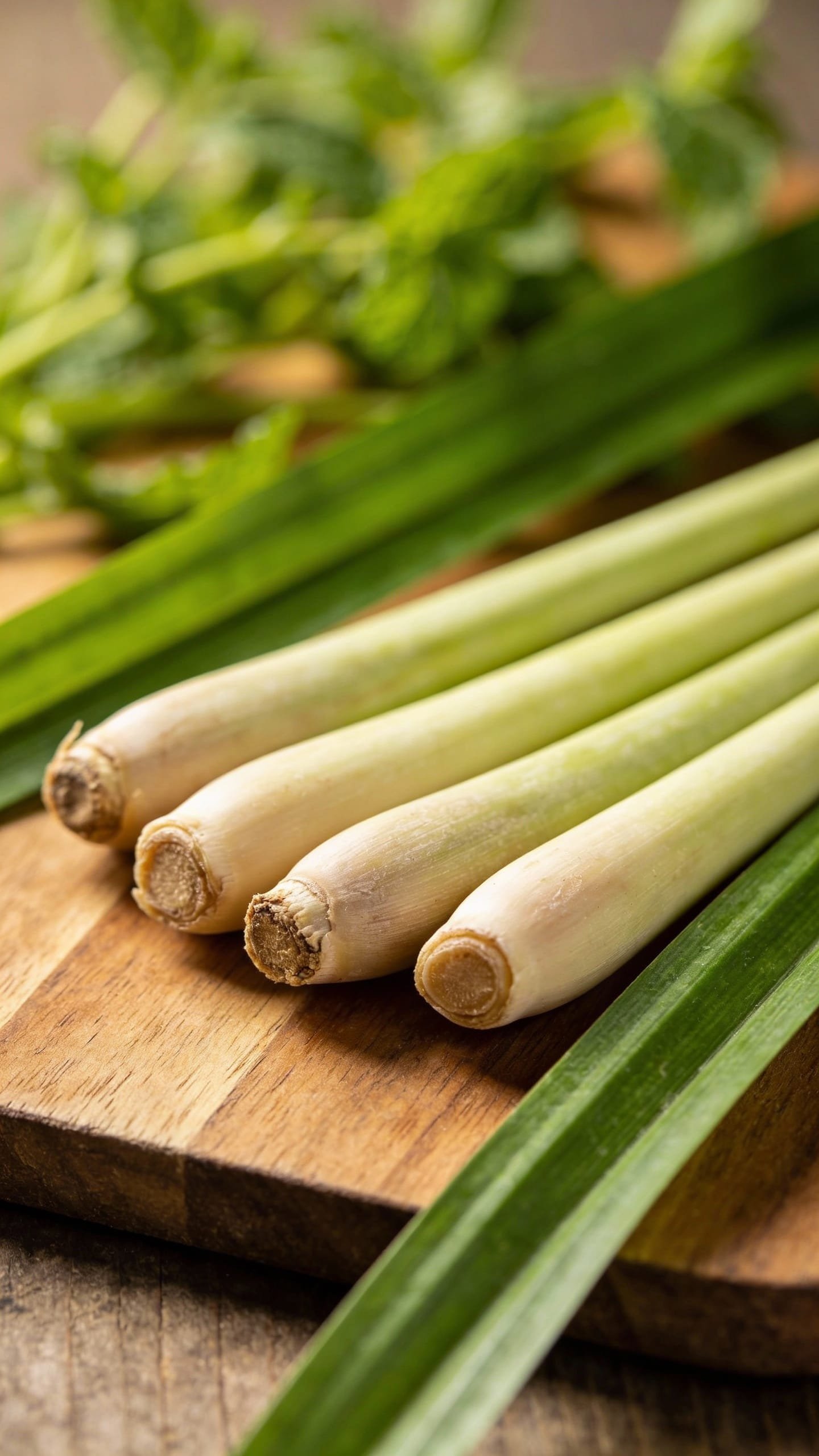
Plant clumps 24 inches apart in beds. In containers, give each clump its own pot unless it’s huge. Plant the rooted stalks 1–2 inches deep, with the base just below the surface. Firm the soil and water thoroughly.
Pro tip: Mulch with straw or shredded bark in beds to retain moisture and prevent weeds. In pots, a thin layer of mulch helps but don’t pile it against the stems.
Feeding for Lush Growth
This plant eats like an athlete in training—feed it regularly for thick, juicy stalks.
- At planting: Mix in a balanced slow-release fertilizer (like 4-4-4 or 5-5-5).
- During growth: Every 2–4 weeks, use a liquid fertilizer high in nitrogen (fish/seaweed or a veg formula).
- In midsummer: Top-dress with compost to boost soil life.
If leaves yellow, it often means hunger. Feed it and watch it perk up. IMO, a little fish emulsion works miracles.
Harvesting Without Harming the Plant

You can harvest when stalks thicken to at least pencil width.
- Grip a stalk at the base and twist-pull, or cut at soil level.
- Trim off tough leaves and the root nub; keep the pale, tender base for cooking.
- Use the leaves for tea, stocks, and potpourri. Waste nothing, be smug.
How Much Can You Take?
Leave at least one-third of the clump so it keeps growing. In peak season, you can harvest every few weeks and it bounces back fast.
Overwintering and Cold-Weather Survival
Lemongrass hates frost. Like, genuinely offended by it. If temps dip below 40°F (4°C), make a plan.
- In pots: Move indoors to the sunniest window you have. Water less, keep it barely moist.
- Outdoors in mild climates: Cut back to 6–8 inches, mulch heavily, and cross your fingers if you get light frost.
- As a backup: Divide a few stalks and root them in water indoors. Insurance policy = smart.
Indoor Winter Care
Light drops, growth slows, and that’s normal. Don’t overwater. If leaves get crispy, increase humidity with a pebble tray or occasional misting.
Pests, Problems, and Easy Fixes
Healthy lemongrass rarely throws tantrums, but stuff happens.
- Spider mites/aphids: Rinse leaves, then spray with insecticidal soap or neem oil weekly until gone.
- Fungal spots: Improve air flow, avoid wetting foliage late in the day, and use a copper or bio-fungicide if needed.
- Yellow leaves: Usually hunger or overwatering. Check drainage and feed.
- Floppy growth: Not enough sun. Relocate to a brighter spot.
FYI: The lemony scent may deter some pests, but it’s not a force field. Stay observant.
Companion Planting and Styling Ideas
Lemongrass pairs beautifully with basil, peppers, and Thai chiles for a “cook’s corner” vibe. In containers, use it as the tall thriller with creeping thyme or oregano as spillers. It also makes a killer border plant in small gardens, adding movement and that “I planned this” look—without you actually planning much.
FAQ
How long does lemongrass take to mature?
Expect usable stalks in 3–4 months during warm weather. From grocery-store stalk to harvest, give it about a season. Faster if you start with robust nursery plants.
Can I grow lemongrass indoors year-round?
You can, but give it strong light—ideally a south-facing window or a grow light for 12–14 hours. Indoors, it grows slower and stays more leaf-heavy. Still great for tea and occasional stalks.
What’s the best way to store harvested stalks?
Wrap trimmed stalks in a damp paper towel and stash them in a zip bag in the fridge for up to two weeks. For long-term storage, slice and freeze, or freeze whole stalks. They retain flavor well, which is rare and delightful.
Will lemongrass spread or get invasive?
It forms tight clumps and doesn’t run, so no invasive drama. In the ground, those clumps can get big over time, but they stay where you plant them. In pots, the size stays manageable.
Do I need to divide lemongrass?
Every 1–2 years, yes. Dividing refreshes the plant and prevents the pot from turning into a root brick. Lift the clump, slice with a sharp knife or spade, and replant the healthiest divisions.
Why do my leaves have brown tips?
Usually low humidity, underwatering, or salt buildup from fertilizer. Trim the tips for looks, flush the pot with plain water monthly, and keep the soil evenly moist. Also check that the pot isn’t baking against a hot wall.
Conclusion
Growing lemongrass in pots or small backyards is easy, fast, and ridiculously rewarding. Give it sun, steady moisture, and regular snacks, and it pays you back with fragrant stalks and lush foliage. Try a pot this weekend, and IMO, you’ll wonder why you didn’t start sooner. Your curries—and your patio—will thank you.

About the Author

Krisztina P.Rendes, Founder of Home Style Vibes
Founder of Home Style Vibes
Krisztina Puskásné Rendes created Home Style Vibes as a cozy-modern lifestyle space where homemaking meets inspiration. Her goal is to help women create beautiful, organized, and peaceful homes they truly love — without overwhelm. You’ll find here heart-driven content on home decor, cleaning tips, easy family recipes, organization and decluttering, DIY home projects, plants, and seasonal ideas — all designed to bring more calm, comfort, and style into everyday life.