How to Revive an Orchid: Easy Step-by-Step Guide to Bring Your Dying Orchid Back to Life
Your orchid looks dramatic, droopy, and maybe a little crunchy? Don’t panic. Most “dying” orchids just cry for better care, not a funeral. Give me a few minutes, and I’ll show you how to triage, rehab, and actually get blooms again. Spoiler: you don’t need a greenhouse or a botany degree—just a little patience and a pair of scissors.
First, Diagnose: Is Your Orchid Really Dying?
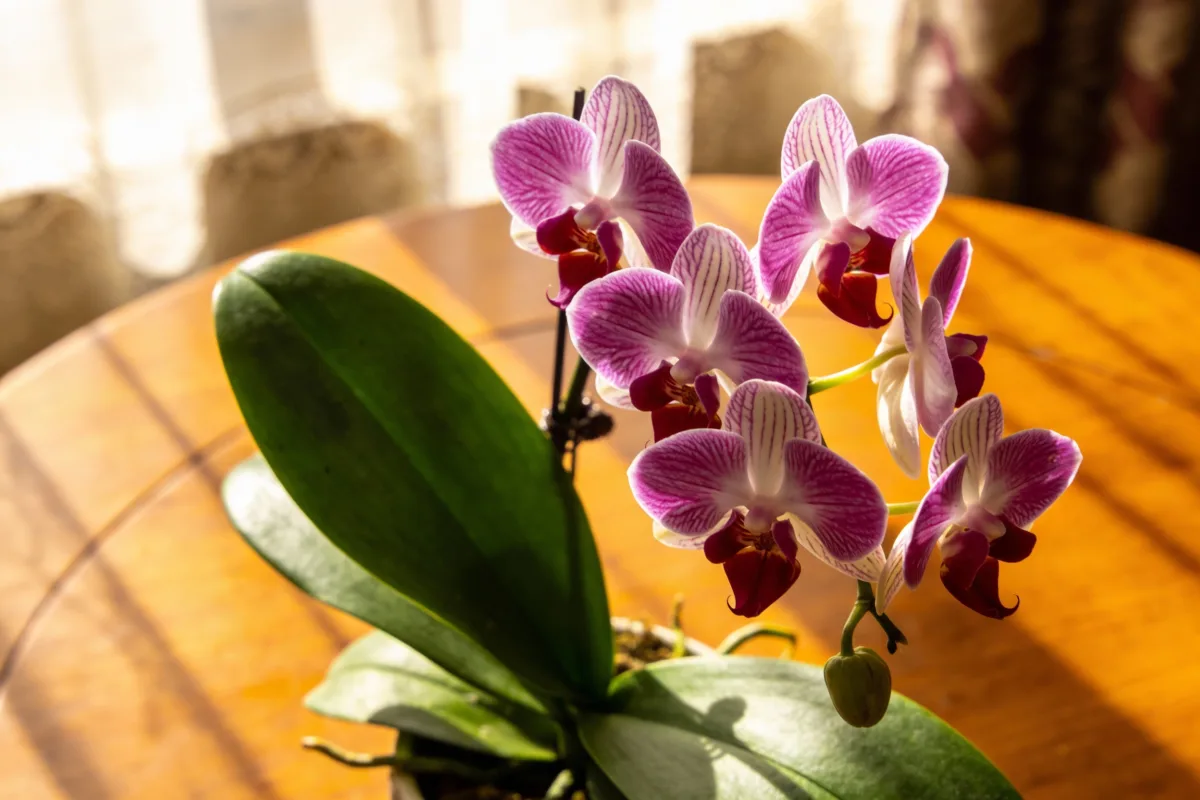
Look closely. Orchids, especially phalaenopsis (the common grocery-store type), go dormant after blooming. No flowers doesn’t mean doom. You need to check the roots and leaves.
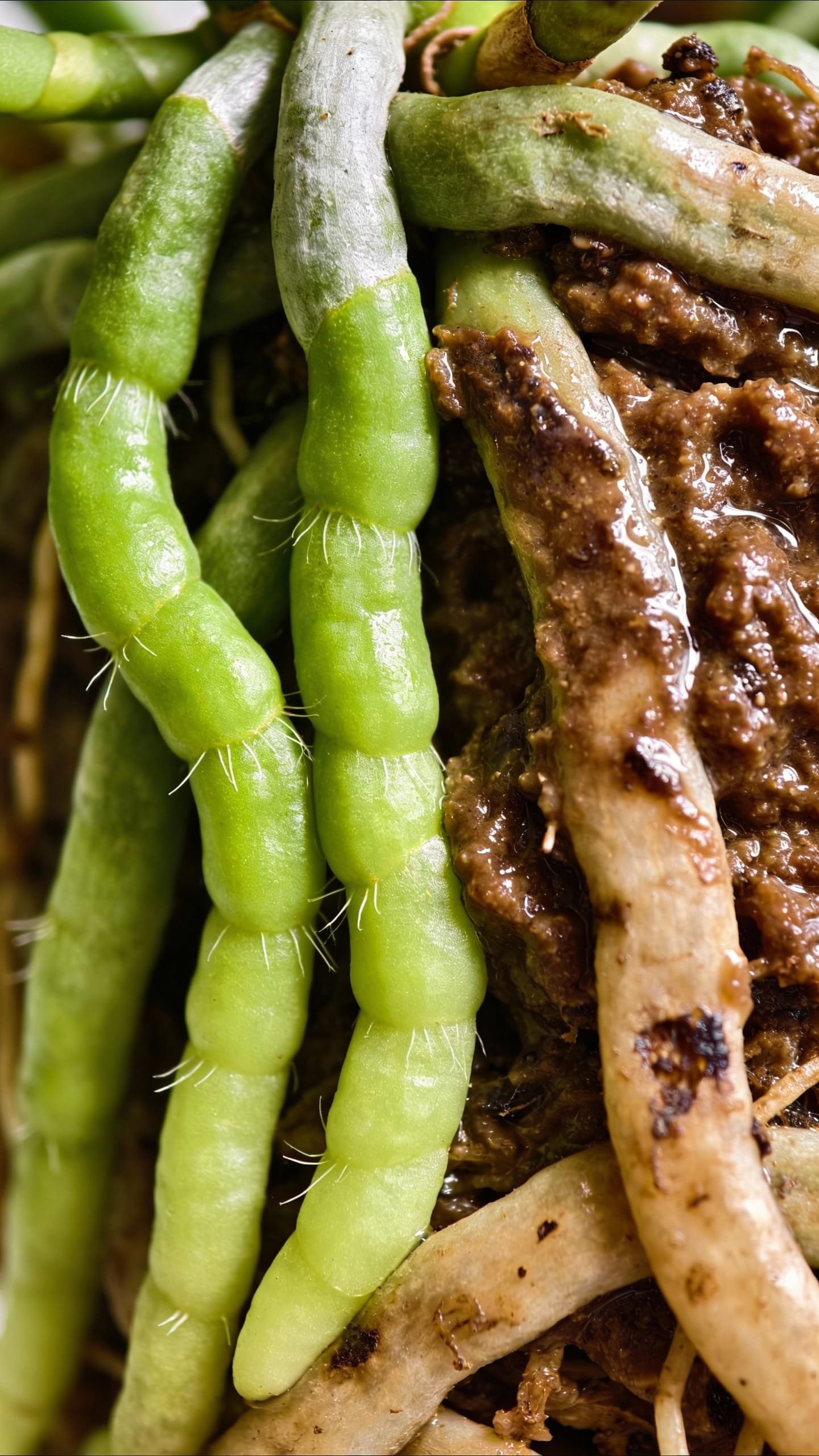
- Healthy roots: firm and green/silver. Bad roots: brown, mushy, hollow.
- Healthy leaves: firm and relatively upright. Limp, wrinkled, or yellow leaves signal stress.
- Crown (the center where leaves meet): if it’s soft and smelly, that’s crown rot—tough, but not always game over.
If roots look rough and the potting mix smells swampy, congrats: you’ve found the problem. Overwatering and old, compacted bark cause most orchid drama.
Step-by-Step Rescue: The Fast Rehab
Yep, we’re doing plant ER. Grab clean scissors, fresh orchid bark, and a new pot with holes (lots of them). Ready? Let’s go.
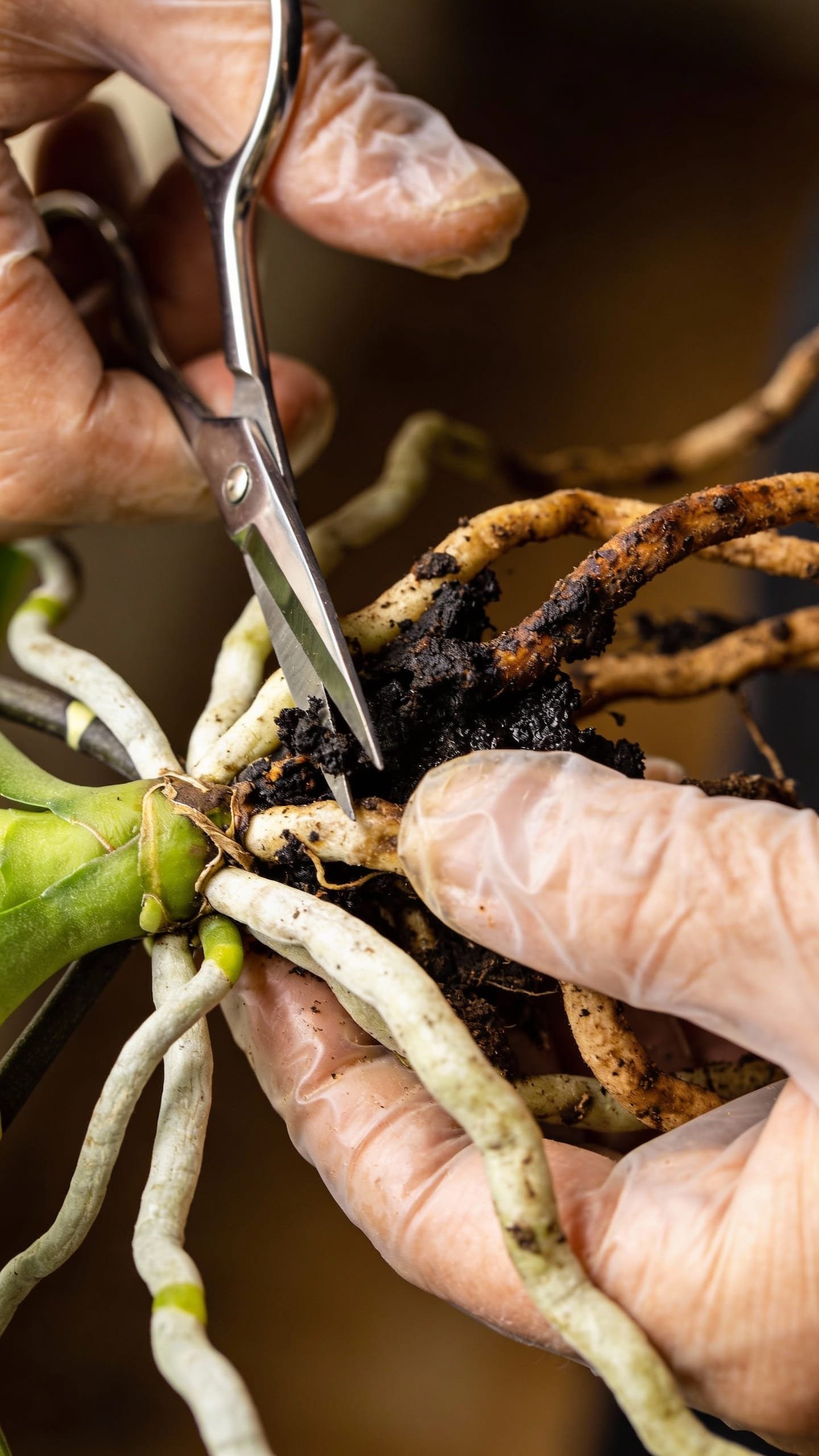
- Remove the plant from its pot. Gently shake off old mix. Rinse roots to see what you’re working with.
- Trim dead roots. Cut anything brown, mushy, or hollow. Leave only firm, green/silver roots.
- Disinfect cuts. Dust cuts with cinnamon (the kitchen kind). It acts like a natural antifungal. FYI: only use it on roots/leaves, not deep in the crown.
- Refresh the medium. Use chunky orchid bark or a bark-perlite mix. Avoid regular potting soil—your orchid will suffocate.
- Repot correctly. Place the orchid so the base sits at the surface, not buried. Tuck bark around roots without cramming.
- Stake the plant. If it wobbles, add a stake or clip so new roots don’t snap.
Key tip: Choose a snug pot—just big enough for the roots. Orchids like cozy shoes, not clown boots.
Watering: Stop Drowning Your Orchid
Orchids hate wet feet. The secret? Water deeply, then let the medium dry a bit.
- Soak method: Run water through the pot for 10–15 seconds until the bark gets wet, then let it drain completely.
- Frequency: Usually every 7–10 days. In dry homes, maybe every 5–7. Check by touch—if the bark still feels cool/damp, wait.
- Avoid the “ice cube trick.” Cute idea, cold roots. Not ideal, IMO.
How to Tell When to Water
– Pick up the pot. Light pot? Time to water.
– Look at roots in a clear pot. Silvery = thirsty; green = hydrated.
– Stick a finger in the mix. Damp? Wait a day or two.
Light and Temperature: Your Orchid’s Comfort Zone
Orchids need bright, indirect light. Think “near a window, not sunbathing on the sill.”
- Ideal placement: East window or slightly pulled back from a bright south/west window.
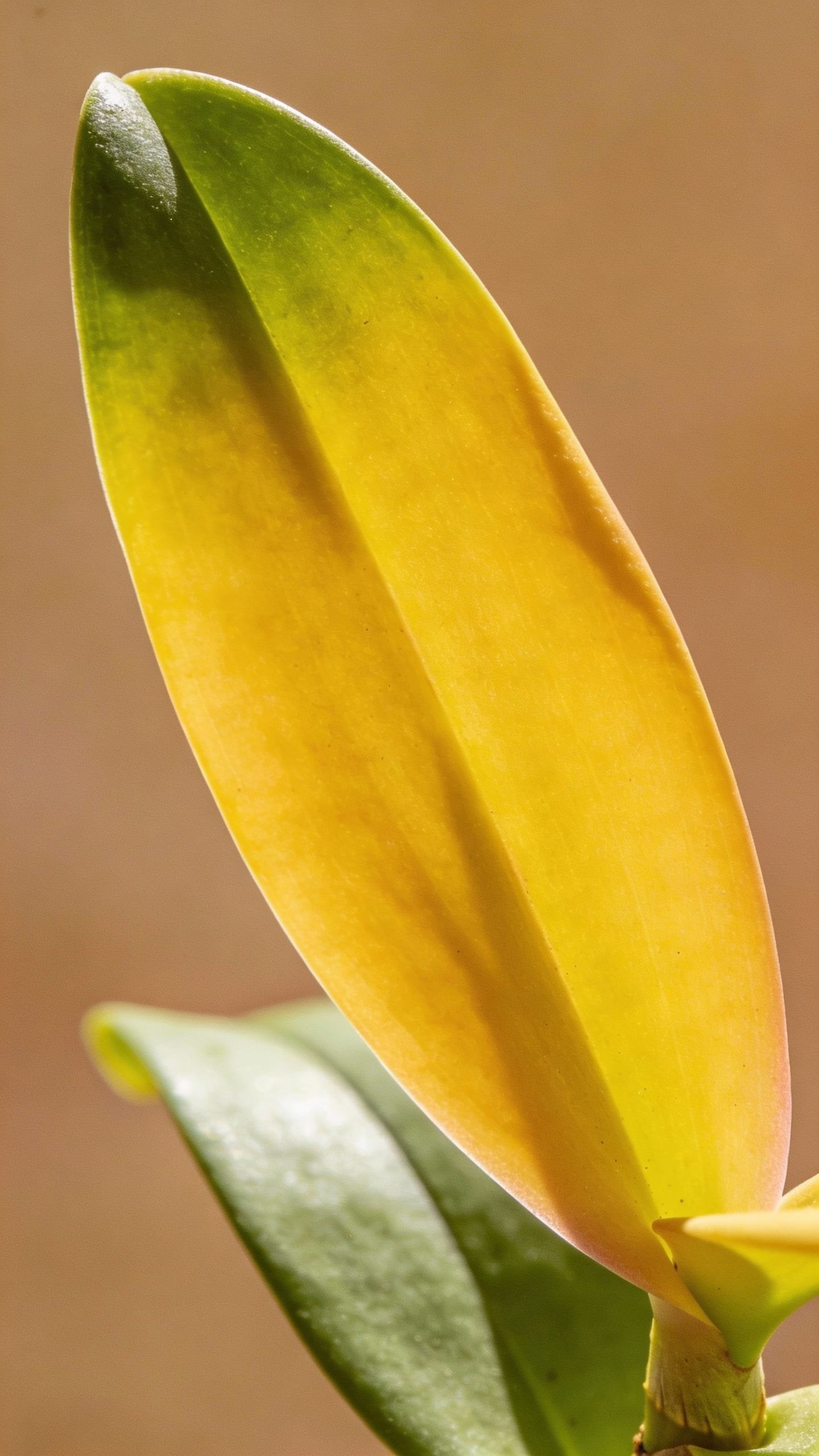
- Signs of too much light: yellow, leathery leaves. Too little: dark green, floppy leaves and no blooms.
- Temperature: Day 70–80°F (21–27°C), night 60–70°F (16–21°C). A small night drop helps future blooms.
Humidity Help (Without a Jungle)
– Use a humidity tray (pebbles + water, pot sits on pebbles, not in water).
– Group plants together.
– Light misting is okay, but keep water out of the crown. Crown rot = instant regret.
Feeding: Small Meals, Big Payoff
Orchids don’t need steak dinners. They prefer snacks.
- Fertilizer: Balanced orchid fertilizer (like 20-20-20), diluted to quarter strength.
- Schedule: Feed every 2–3 weeks during growth. Rinse with plain water once a month to prevent salt buildup.
- After repotting: Wait 2–3 weeks before feeding to avoid root burn.
Special Cases: What If It’s Really Bad?
Sometimes the plant looks like it went three rounds with a hair dryer. You still have options.
No Good Roots Left
Try a “rehab spa.” Place the orchid over moist sphagnum moss in a ventilated container (not sealed). Keep high humidity and bright, indirect light. Mist roots lightly, not the crown. New root nubs may appear in a few weeks.
Crown Rot
Cut away mushy tissue carefully, dab with cinnamon, and tilt the plant slightly so water can’t sit in the crown. If the crown dies, the plant can still grow keikis (baby plants) from the stem nodes—slow, but possible.
Leaf Drop After Repotting
Totally normal for a stressed plant to ditch a leaf or two. Stick to good care and give it 4–8 weeks. You’ll usually see new roots first, then a leaf.
Encouraging Reblooms (Because We’re Here for the Drama)
You revived the plant—now let’s get flowers again.
- Cool nights: 10°F (5°C) drop at night for a few weeks helps spike formation.
- Steady light: Bright, indirect light daily. A grow light works in darker homes.
- Trim old spikes: If the spike is still green, cut just above a node (a bump) about halfway down. It may branch. If the spike is brown, remove it entirely.
Timeline Reality Check
– Root recovery: 2–8 weeks
– New leaf growth: 1–3 months
– Flower spike: often in fall/winter, blooms in late winter/spring
Patience pays. Orchids move at “spa day” speed, not “espresso shot” speed.
Common Mistakes to Avoid
Let’s dodge the usual pitfalls, shall we?
- Overwatering “just to be safe.” It’s not safe.
- No drainage or decorative pots without holes. Looks cute, kills roots.
- Old, broken-down medium left for years. Repot every 1–2 years.
- Direct midday sun that scorches leaves.
- Water in the crown that sits there and rots the plant. Always drain after watering.
FAQ
How often should I water a phalaenopsis orchid?
Usually every 7–10 days, but it depends on your home’s humidity and temperature. Check the bark and roots: if the bark feels dry and the roots look silvery, water. If in doubt, wait a day—orchids forgive dryness more than soggy feet.
Can I use ice cubes to water orchids?
You can, but I wouldn’t, IMO. Ice chills the roots and can stress tropical plants. Use room-temperature water and a thorough soak with good drainage. Your orchid will thank you with fewer tantrums.
Do I need special orchid soil?
Yes. Use orchid bark or a bark-based mix with perlite or charcoal. Regular potting soil suffocates roots and leads to rot. Orchids evolved to cling to trees, not sit in mud.
Why are my orchid’s leaves wrinkled?
Wrinkled leaves mean the plant can’t take up water. Either roots rotted from overwatering or the plant got too dry for too long. Inspect and trim roots, repot in fresh bark, and fix your watering schedule.
My orchid lost all its flowers—did I kill it?
Nope. Bloom drop after a few weeks or months is normal. Keep caring for the leaves and roots. With good light, a slight night temperature drop, and time, you’ll see another spike.
Should I cut the flower spike after blooming?
If the spike turned brown, cut it at the base. If it’s still green, you can cut above a node to encourage a side branch. Side branches often give smaller, quicker blooms; a full rest can lead to stronger spikes later.
Conclusion
You don’t need magic to revive an orchid—just fresh bark, smarter watering, and decent light. Tidy up the roots, give the plant air and drainage, and let it recover at its own chill pace. Stick with these basics and you’ll go from “help, it’s dying” to “OMG it’s blooming!” FYI, that first new spike after a rescue feels extra satisfying.

About the Author

Krisztina P.Rendes, Founder of Home Style Vibes
Founder of Home Style Vibes
Krisztina Puskásné Rendes created Home Style Vibes as a cozy-modern lifestyle space where homemaking meets inspiration. Her goal is to help women create beautiful, organized, and peaceful homes they truly love — without overwhelm. You’ll find here heart-driven content on home decor, cleaning tips, easy family recipes, organization and decluttering, DIY home projects, plants, and seasonal ideas — all designed to bring more calm, comfort, and style into everyday life.