How To Create An Aesthetic Home Organization System
Your home can look curated without feeling like a museum. If you stash everything in random bins and call it a day, you’ll still lose your scissors every Tuesday. Let’s build a system that looks good, works hard, and doesn’t collapse the second life gets busy.
Sound dreamy? Cool—let’s make it real.
Start With Less: Edit Ruthlessly
You can’t organize clutter. You can only hide it.
So first, audit what actually serves you and what just guilt-squats on your shelves.
- Run a 20-minute blitz per room. Grab a bag for donate, toss, and relocate. Set a timer so you don’t spiral into sentimentality over old cables.
- Use the “Prime Real Estate” rule: Eye-level and easy-to-reach spaces only get items you use weekly.Everything else goes higher, lower, or out.
- Match volume to space: If the bookshelf holds 40 books, you keep 40 books. Not 60. Math saves arguments.
Keep vs.
Maybe vs. No
If you hesitate, that’s a “maybe.” Put maybes in a labeled box with a date. If you don’t open it in 60 days, donate the whole box.
No debating, no “but maybe in fall”—the answer is already “no.”
Design Your System Like a Stylist, Not a Stockroom
Aesthetic systems don’t just hide stuff; they curate the look. You’ll combine function, flow, and finish—like a capsule wardrobe, but for your drawers.
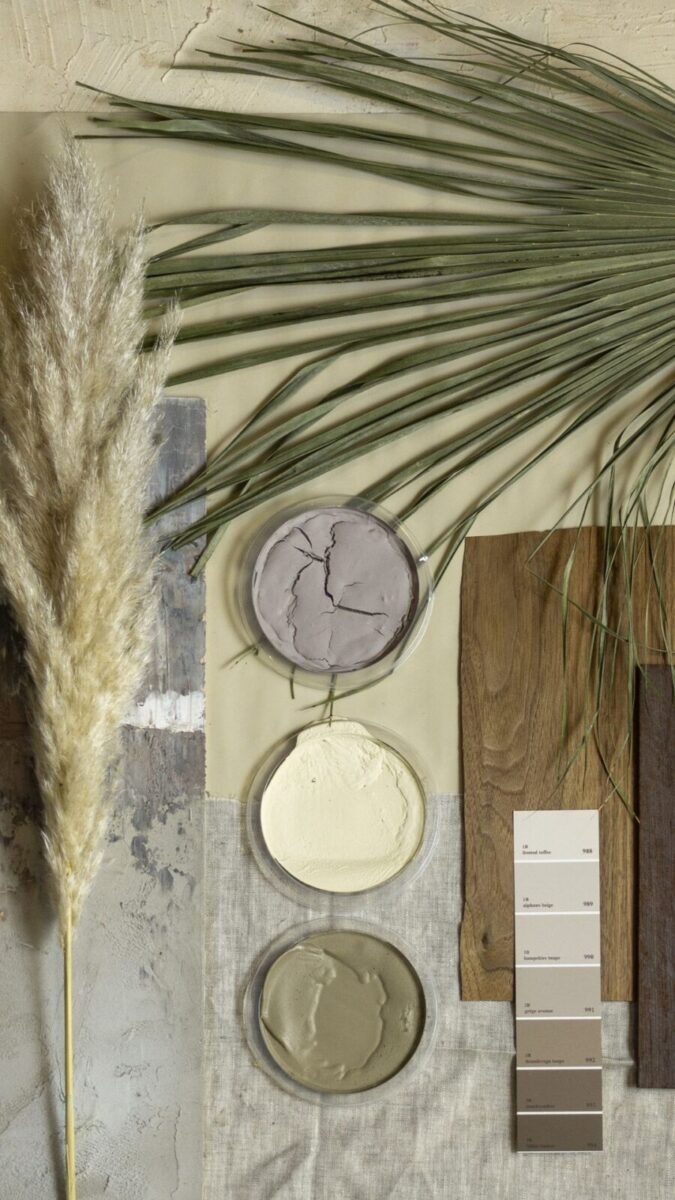
- Pick a palette: Choose 2–3 base colors (black, white, natural wood) and 1 accent (brass, sage, blush). This instantly unifies bins and baskets that weren’t born together.
- Repeat materials: Cane, wire, linen, acrylic—choose two max and repeat them.Consistency looks polished, even with mismatched brands.
- Hide chaos, display calm: Clear bins for pretty stuff (ribbons, pantry decanters). Opaque bins for the goblins (cables, bulk snacks, random “house things”).
Zones > Rooms
Think in zones, not just rooms. You want a “mail zone,” a “coffee zone,” a “pet zone.” Each zone gets a home base—tray, basket, shelf—so the household knows where items land.
Label it and boom: fewer “where’s the…?” texts.
Containers That Work (and Look Good)
We’re shopping with strategy. Not every cute bin helps. Choose containers that enforce behavior.
- Shallow wins: Use shallow drawers and trays for everyday things (makeup, chargers).Deep bins become bottomless pits where chapstick goes to die.
- Transparent with limits: Clear containers make sense for things you need to see—pasta, craft beads. Just size them right so you can’t overstuff.
- Drawer inserts = instant polish: Adjustable bamboo or acrylic dividers transform chaos into rows. Your brain will sigh with relief.
- Vertical is your friend: File-fold clothes and papers.Use bookends, pot lid racks, cutting board organizers. Vertical storage looks tidy and prevents Tower of Pisa piles.
Labels That Don’t Ruin the Vibe
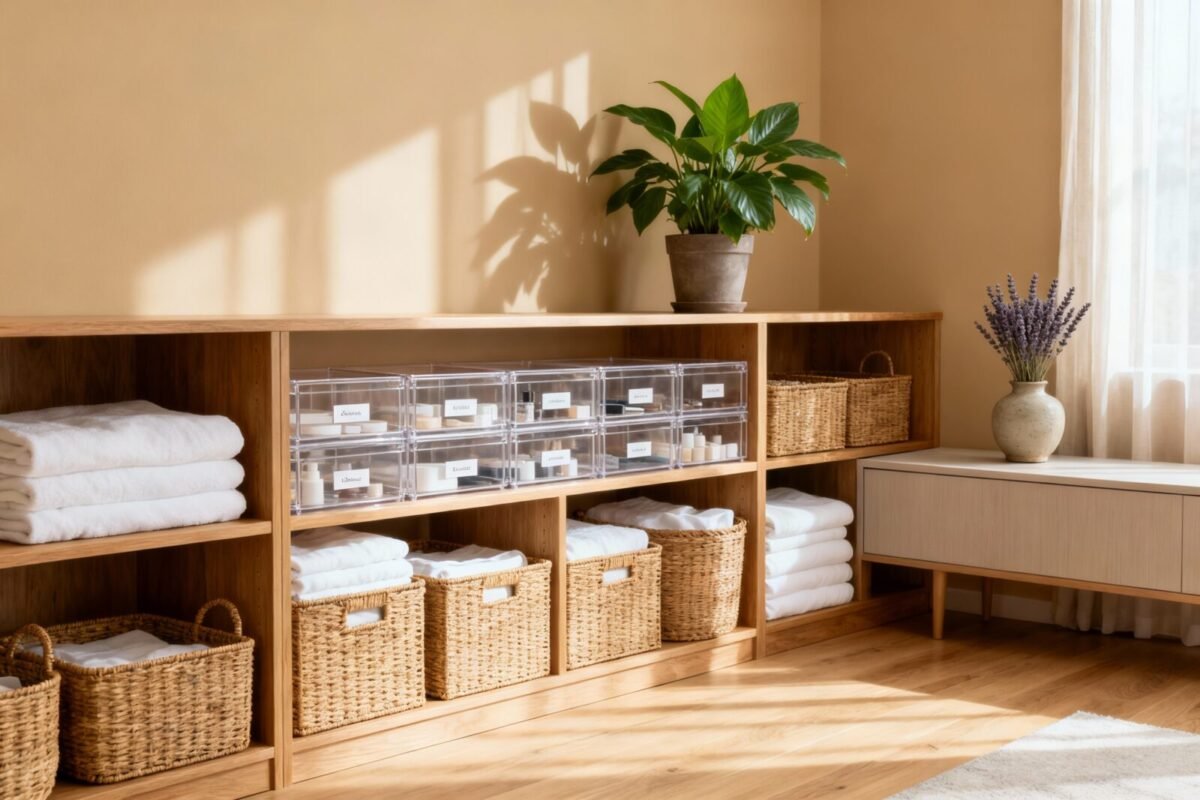
Label everything, but make it chic:
- Minimal vinyl labels for jars and bins
- Hanging tags with twine for baskets
- Painter’s tape for test labels (edit before committing)
Pro tip: Label categories, not items. “Snacks,” not “Pretzels.” Life changes; labels should still fit.
Make It Pretty: Styling + Practical Magic
Your space works harder when it looks intentional. Styling helps you maintain it because you actually enjoy putting stuff back.
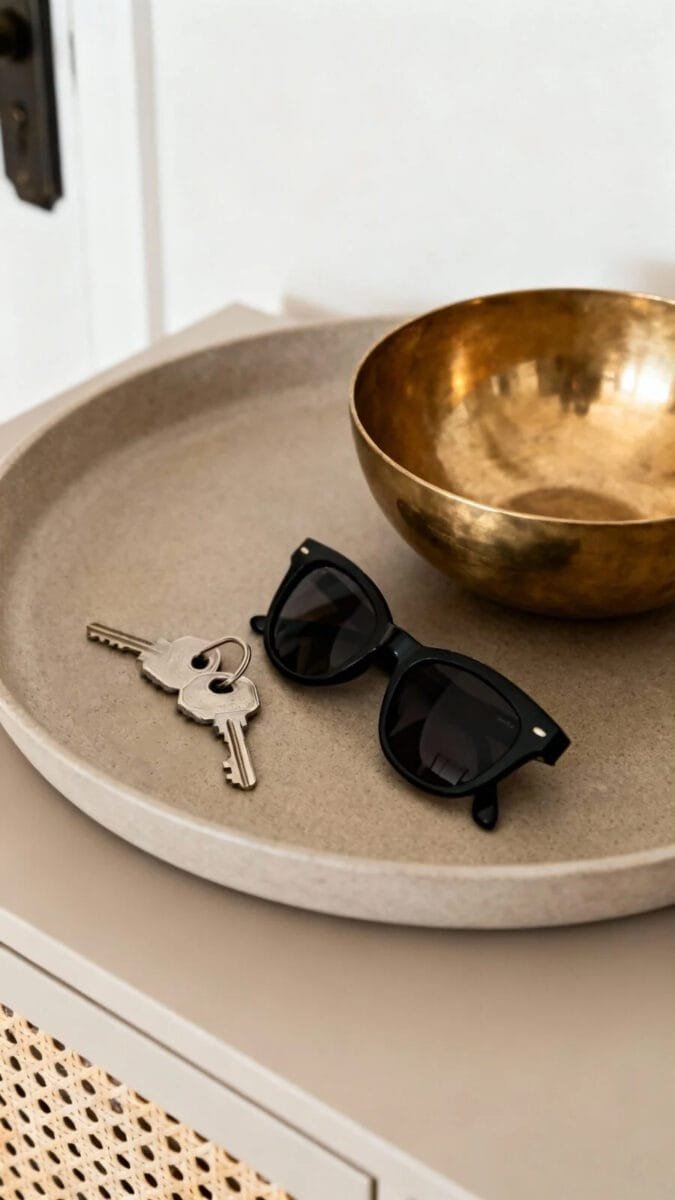
- Use trays: Corrals on countertops make random items look curated.Keys and sunglasses on a little tray? Instant adulting.
- Color-block books and supplies: It’s easy to scan and looks designer-y with zero talent required.
- Decant mindfully: Pantry decanting looks great, but only decant what you buy repeatedly. FYI, decanting five brands of rice will break your soul.
- Add soft texture: Fabric bins or woven baskets soften shelves.Pair them with metal or glass for balance.
Hide the Ugly, Keep the Access
- Stash batteries, tools, and cords in labeled latching bins on a low shelf.
- Use a pretty lidded box for remotes and gaming controllers on the coffee table.
- Mount a power strip under a console table to charge devices invisibly. IMO this is non-negotiable.
Systems for the “I’ll Put It Away Later” People
If your system assumes you’ll always behave, it will fail. Create “lazy pathways” so you can be slightly messy without wrecking the look.
- Landing pads by the door: Hooks for bags, tray for mail, bowl for keys.It beats the chair pile of doom.
- The floater basket: One medium basket per floor catches out-of-place items. Empty it nightly during a 5-minute reset.
- Paper pipeline: In-tray (needs action), to-file (weekly), recycle (immediate). No orphan papers allowed.
- Reset rituals: Micro-resets work: 2 minutes after dinner, 5 minutes before bed.Set a timer, put things back, move on with your life.
Household Buy-In
You’re not a lone ranger. Use:
- Visual labels everyone understands (icons help kids and partners who “don’t see mess”)
- One-sentence rules: “Snacks live in the basket,” “Mail goes on the tray,” “Chargers stay in the drawer.”
- Weekly 15-minute family tidy sprints—music on, no whining, small bribes allowed.
Room-by-Room Quick Wins
Sometimes you need a fast dopamine hit. Here’s where to start.
- Entry: Add wall hooks, a shoe tray, and a mail sorter.One slim bench with hidden storage changes everything.
- Kitchen: File-fold towels, use a lazy Susan for oils, install a pan lid rack, and decant dish pods into a glass jar. Cute and functional.
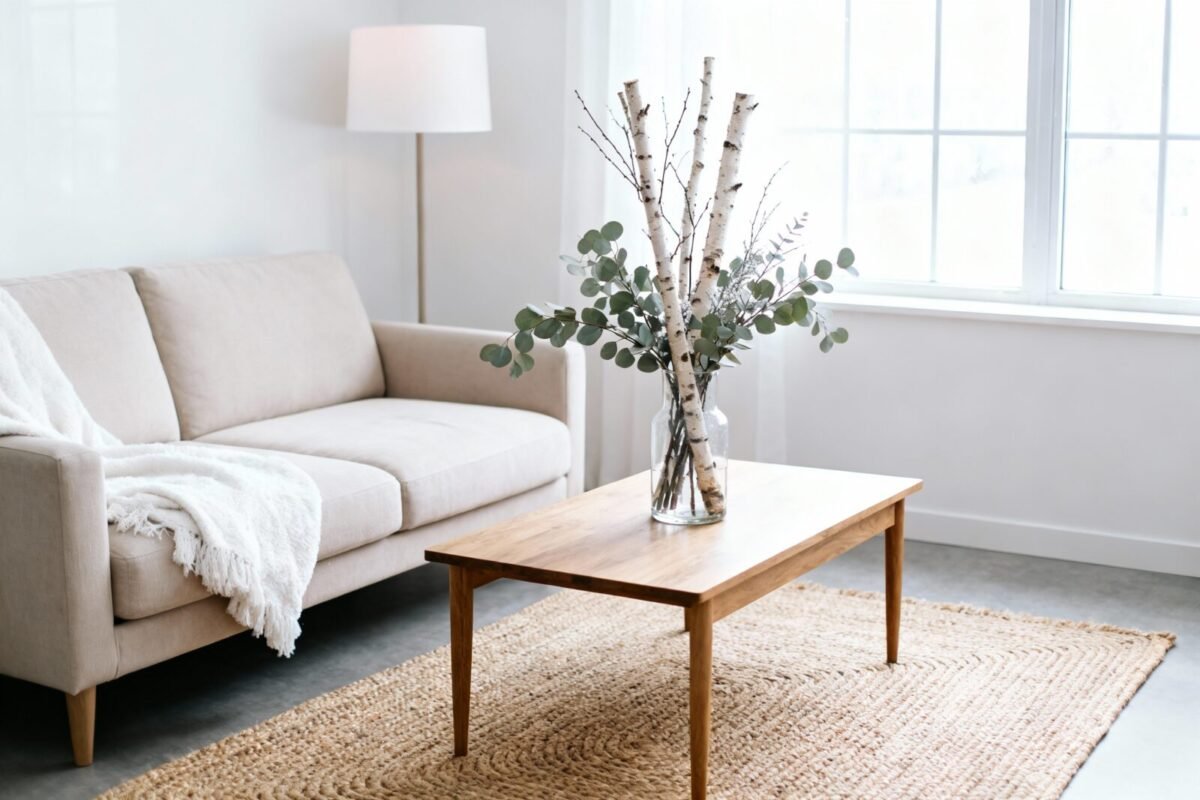
- Living Room: Basket for blankets, lidded box for remotes, magazine file for laptops/tablets.
- Bathroom: Tiered shelf inside the cabinet, turntables for skincare, labeled drawers (hair, face, body, backup).
- Bedroom/Closet: Same hangers, color order, bins for off-season. Drawer dividers for socks and underwear—trust me.
- Office: Aesthetically match your organizers to your tech (matte black or walnut).Cable clips, a docking station, and one “in-progress” tray.
Maintenance: Keep It Cute Long-Term
Pretty systems fail without upkeep. Set tiny, brainless routines that don’t require heroics.
- Weekly reset: 30 minutes to re-home floaters, wipe surfaces, restock paper goods, and clear the entry zone.
- Monthly edit: One drawer, one shelf, one bin. Rotate categories with the seasons (gloves out, sunscreen in).
- Quarterly refresh: Replace dead labels, fix broken bins, upgrade anything that annoys you.Small tweaks keep morale high.
Prioritize Ease Over Perfection
If a container always overflows, size up. If no one uses the label, rename it. If decanting feels like a part-time job, stop.
The best system is the one you’ll actually maintain—FYI, “good enough” beats “Pinterest perfect” every time.
FAQ
Do I need to buy all new containers?
Nope. Shop your house first. Shoe boxes, mason jars, and old candle vessels work great.
Aim for consistency in color/material, then fill the gaps with budget-friendly pieces. Mix high/low—splurge on heavy-use items, save on pretty extras.
How do I keep my family from undoing everything?
Make it easier to put away than to leave out. Big open bins beat tiny finicky containers.
Label clearly, place zones where people naturally drop things, and run one weekly tidy with everyone involved. Behavior-friendly systems win, IMO.
Is decanting food actually worth it?
Sometimes. Decant what you buy in bulk or repeat (rice, oats, pasta).
Skip one-off snacks and random baking supplies. If you hate refilling, use clear bins that hold the original packaging instead. Looks tidy without the commitment.
What’s the best way to handle sentimental items?
Create one “memory box” per person.
Limit the size and label it. Photograph bulky items you don’t need to keep physically. Revisit once a year and curate.
You can honor memories without drowning in them.
How do I choose a color palette for organizers?
Look at your existing furniture and finishes. If you have warm wood and brass, lean into natural baskets and cream bins. If your vibe is modern black and white, choose matte black and clear acrylic.
Keep it to 3–4 finishes max for cohesion.
I’m overwhelmed. Where do I start?
Pick the smallest, most annoying zone—junk drawer, entry tray, or bathroom cabinet. Set a 20-minute timer, declutter, contain, label.
Small wins build momentum. Then move to the next zone tomorrow. Momentum > marathon.
Conclusion
An aesthetic home organization system isn’t about perfection; it’s about smooth habits wrapped in a good outfit.
Declutter first, design zones, pick containers that guide behavior, and label like you mean it. Keep it lightweight with quick resets and a sense of humor. Do that, and your home will look polished—and actually work for you.

About the Author

Krisztina P.Rendes, Founder of Home Style Vibes
Founder of Home Style Vibes
Krisztina Puskásné Rendes created Home Style Vibes as a cozy-modern lifestyle space where homemaking meets inspiration. Her goal is to help women create beautiful, organized, and peaceful homes they truly love — without overwhelm. You’ll find here heart-driven content on home decor, cleaning tips, easy family recipes, organization and decluttering, DIY home projects, plants, and seasonal ideas — all designed to bring more calm, comfort, and style into everyday life.