Evergreen Structure: Pine, Podocarpus & Nandina For Four Seasons
Ever walked into a garden mid-winter and thought, “Wow, someone actually planned this”? That’s the magic of evergreen structure. You don’t need a hundred plants to get that year-round wow—just a smart trio.

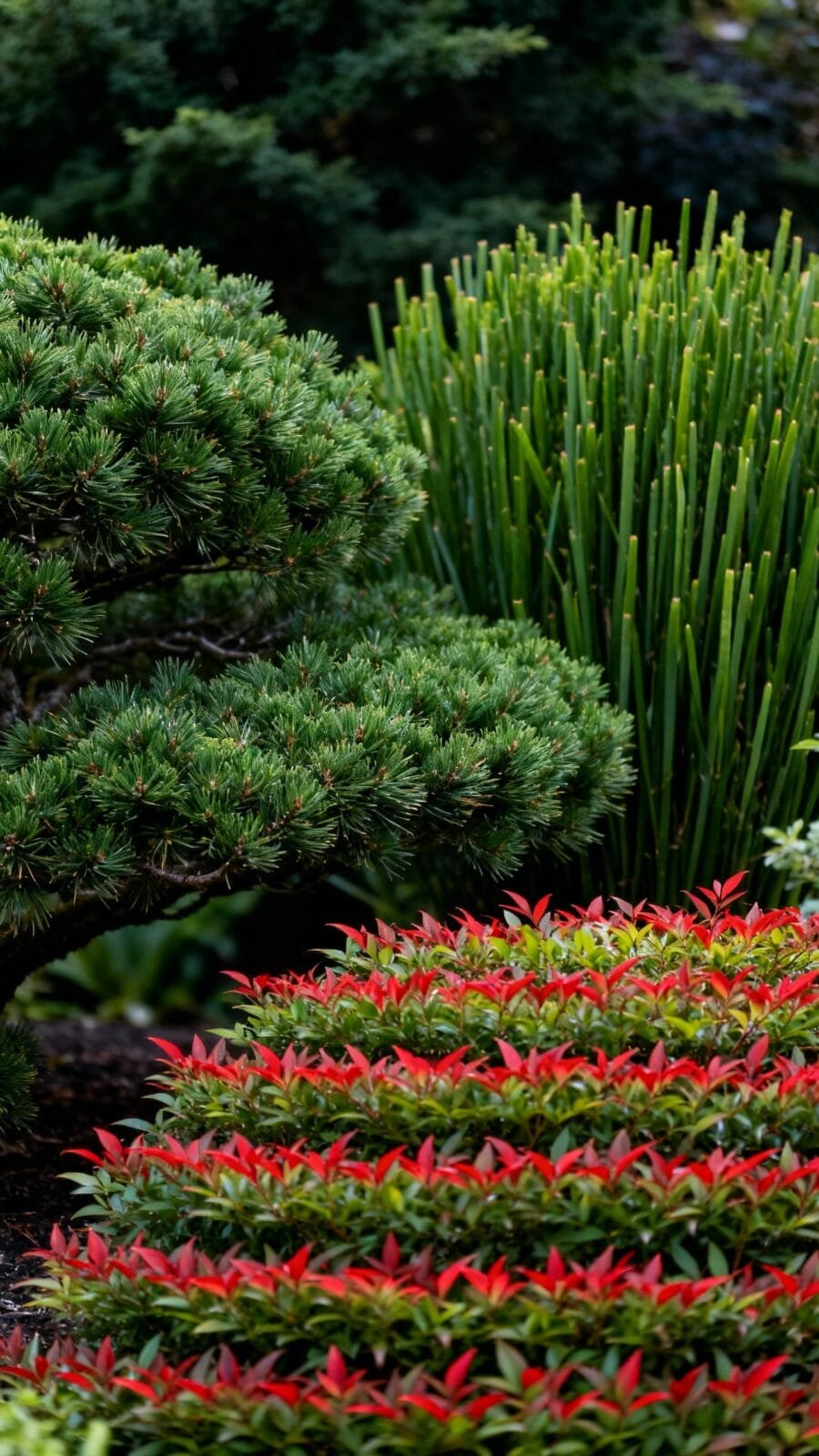
Pine, podocarpus, and nandina bring backbone, texture, and color through all four seasons without begging for constant attention. You get tall, medium, and low layers; needle, leaf, and berry interest; and a look that holds up when the rest of the garden calls it quits. Sound good?
Let’s build that evergreen dream, shall we?
Why This Trio Works (And Keeps Working)
The secret sauce here is contrast. You want different shapes, textures, and tones so the garden still looks alive when the perennials go to sleep.
- Structure: Pine gives height and movement, podocarpus shapes into clean lines, and nandina fills the gaps with soft, layered foliage.
- Texture: Needles meet glossy leaves meet delicate leaflets. Instant visual interest.
- Seasonality: Winter berries, spring growth flushes, summer shade, fall color.Yes, all three contribute.
- Low care: Once established, this combo sips water and minds its own business. IMO, that’s the dream.
Pines: The Tall, Breezy Backbone
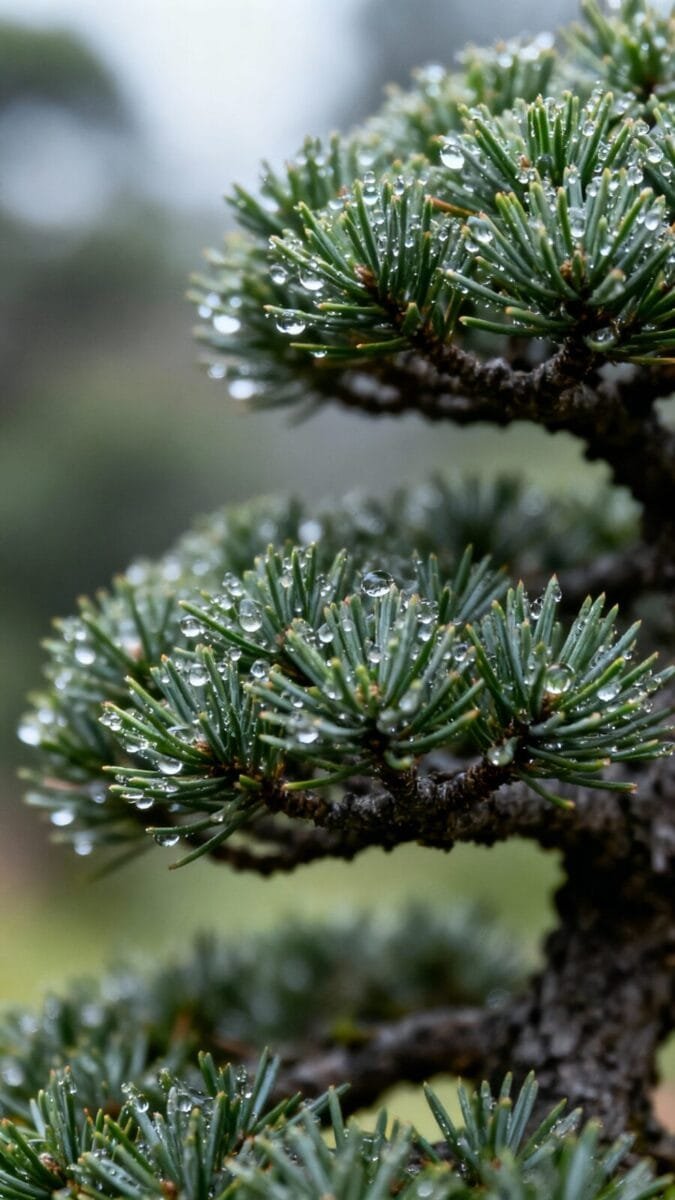
Pines do the heavy lifting. They create vertical anchors and soften wind with that whispery needle sound.
Choose the right one for your space and sun.
Great Pine Picks
- Pinus mugo (Mugo pine): Compact and moundy. Perfect for small gardens and rock areas.
- Pinus nigra (Austrian pine): Tough, dense, and good for screening in larger spaces.
- Pinus thunbergii (Japanese black pine): Sculptural, dramatic, and coastal-tolerant. Training-friendly for that bonsai-lite vibe.
Quick Pine Care
- Light: Full sun.They hate shade sulking.
- Soil: Well-drained. Sandy or loamy works best.
- Water: Deep and infrequent after the first year. No soggy feet.
- Pruning: Candle-prune in late spring to control size and shape.Easy peasy.
Podocarpus: The Calm, Stylish Middle Layer
Podocarpus (aka Buddhist pine) gives you clean lines and an instantly polished look. It’s evergreen, flexible, and surprisingly tough, especially in mild climates.
Why Gardeners Love It
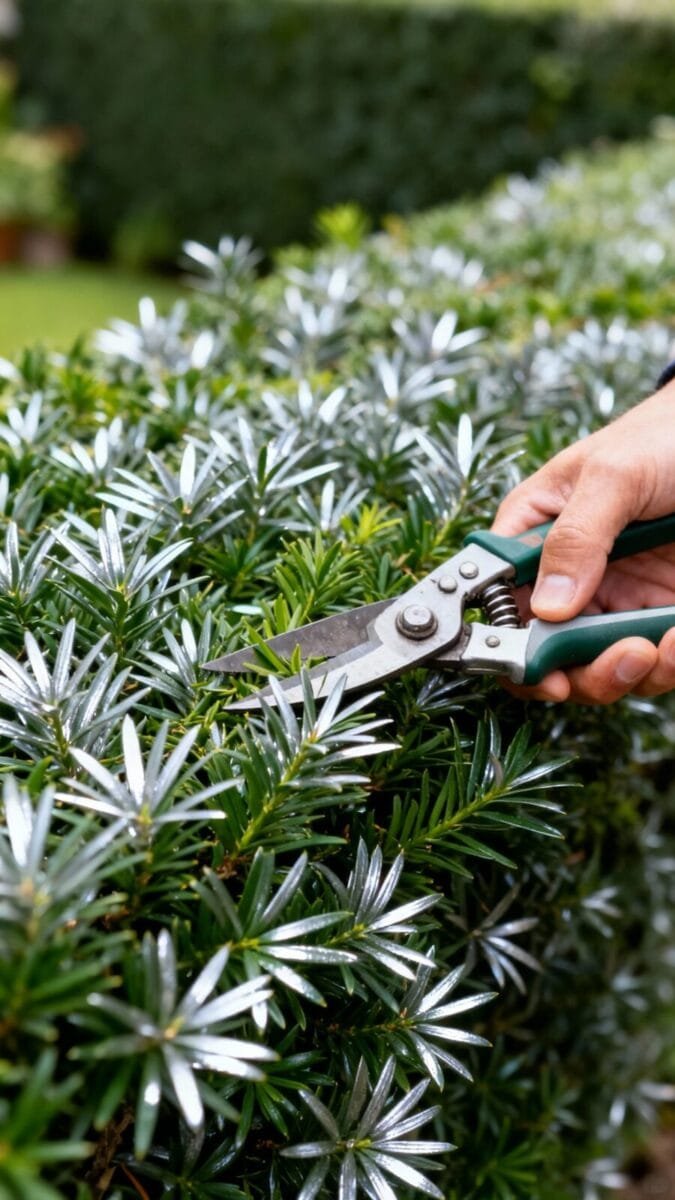
- Form: Upright and narrow or clipped into hedges. It stays tidy without looking uptight.
- Leaves: Slim and glossy.They read modern without trying too hard.
- Versatility: Works as a screen, specimen, or formal backdrop.
Podocarpus Basics
- Light: Full sun to part shade.
- Soil: Well-drained, slightly acidic to neutral. Don’t overthink it.
- Water: Moderate until established, then drought-tolerant.
- Cold: Most types handle USDA zones 8–11. In colder zones, use containers and overwinter.
Nandina: Color, Movement, and Those Winter Berries
Nandina (heavenly bamboo) isn’t bamboo at all, but it brings that airy, layered feel.
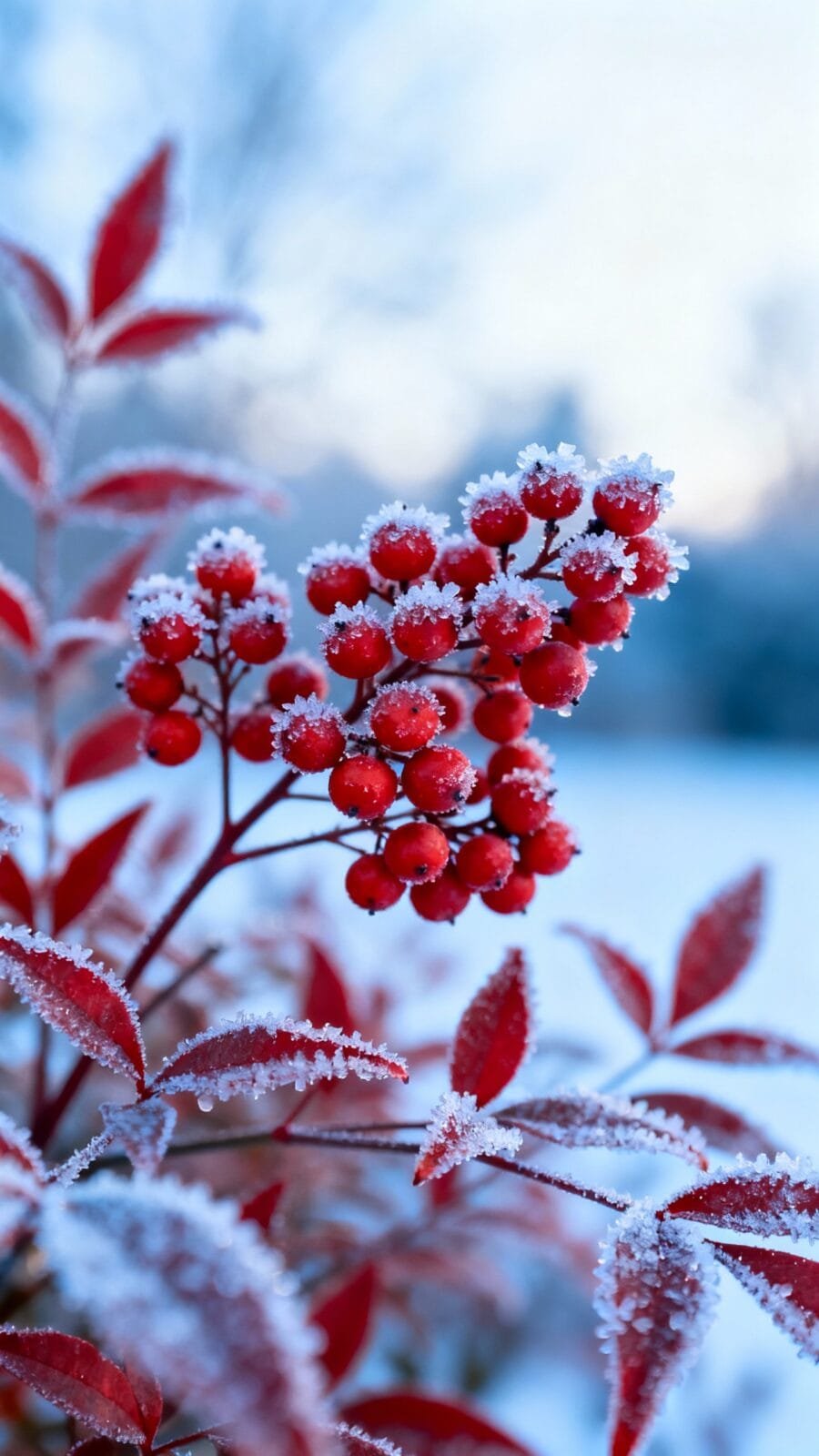
It gives you foliage color that shifts through the seasons and bright berries.
Choose the Right Nandina
- ‘Gulf Stream’: Compact, dense, and great for borders.
- ‘Firepower’: Short and dramatic with intense fall/winter red.
- ‘Obsession’: New growth comes in vivid red. Show-off energy, in a good way.
Nandina Care + FYI
- Light: Sun for best color; part shade still works.
- Soil: Tolerant, but prefers well-drained.
- Water: Average needs. Cut back after establishment.
- Invasiveness note: Some older seed-producing types spread by seed in certain regions and berries may be harmful to birds.Choose non-fruiting or sterile cultivars where this matters and deadhead if needed.
Designing a Four-Season Layout
You want simple, not sterile. Layer the trio so your garden looks good from the street and up close.
The 3-2-1 Planting Formula
- 3 on top: One to three pines as anchors (corner of the house, back fence, or as “bookends”).
- 2 in the middle: A line or cluster of podocarpus to build the backbone. Hedge or individual columns.
- 1 down low: Mass of nandina at the base for color and softness.Mix heights for depth.
Spacing Tips
- Pines: Give them space to breathe—no one likes a claustrophobic conifer. Check mature width and add 20% buffer.
- Podocarpus: For hedges, plant 2.5–3 feet apart. For columns, 4–6 feet.
- Nandina: Group in threes or fives, 18–30 inches apart depending on variety.
Seasonal Interest Cheatsheet
- Spring: Pine candles, podocarpus push fresh growth, nandina flushes red or bronze tips.
- Summer: Evergreen mass holds the line; add flowering companions if you want extra color.
- Fall: Nandina turns red; pines deepen in tone.
- Winter: Structure shines; nandina berries and foliage color do the heavy lifting.
Companions That Play Nice
Want flowers without chaos?
Pair thoughtfully.
- Perennials: Salvia, agastache, and nepeta for hummingbirds and low fuss.
- Grasses: Sesleria or Pennisetum for movement without a weed vibe.
- Bulbs: Alliums and narcissus thread through the nandina for spring pops.
- Groundcovers: Creeping thyme or dwarf mondo grass for clean edges.
Care Calendar (So You Don’t Overdo It)
A little routine keeps the trio looking expensive with minimal effort. FYI, most of this takes an afternoon.
- Late winter: Lightly shape podocarpus. Remove dead or crossing branches on pines.
- Spring: Candle-prune pines to control size.Feed all with a slow-release, balanced fertilizer if soil is poor.
- Summer: Water deeply but infrequently. Mulch to keep roots cool.
- Fall: Tidy nandina; thin older canes from the base to keep it fresh.
- Anytime: Remove any podocarpus suckers or awkward shoots. Keep mulch 2–3 inches deep, off the trunks.
Common Mistakes (And How To Dodge Them)
We’ve all done at least one of these.
Learn from our collective chaos.
- Overcrowding: Small plants grow. Respect mature sizes or you’ll prune forever.
- Wet feet for conifers: Poor drainage kills pines faster than winter does. Elevate beds if needed.
- Shady sulk: Pines and podocarpus want bright light.Don’t tuck them behind a shed and hope.
- Ignoring local rules: In some regions, older nandina cultivars are invasive. Pick sterile types. IMO, better aesthetics anyway.
FAQ
Will this combo work in a small urban yard?
Yes—just scale your choices.
Use a dwarf pine like Pinus mugo, a narrow podocarpus variety (or keep it clipped), and compact nandinas such as ‘Firepower’ or ‘Gulf Stream’. Containers work too if you’ve only got a patio.
What if my winters are harsh?
If you’re colder than USDA Zone 7, choose cold-hardy pines (like mugo) and skip podocarpus in-ground. Use it in pots you can protect.
Nandina usually handles cold down to Zone 6, but pick hardy cultivars and mulch well.
Do I need to fertilize these plants?
Not much. If you have decent soil, you can skip it. In lean soils, apply a slow-release, balanced fertilizer in spring.
Over-fertilizing pushes weak growth and invites pests—hard pass.
How do I keep nandina from taking over or seeding?
Choose sterile or non-fruiting cultivars and remove berries if they form. Thin older canes at the base once a year to keep the plant dense and civilized.
Can I shape podocarpus into a hedge?
Absolutely—that’s one of its best roles. Shear lightly two to three times during the growing season or do selective hand pruning for a more natural, layered look.
It holds a clean edge without looking plastic.
Do pines drop needles and make a mess?
They shed older needles in late summer or fall, which is normal. Use those needles as mulch under the tree—they suppress weeds and look tidy. Free mulch is a win.
Conclusion
If you want a landscape that looks intentional 365 days a year, build it on evergreen bones.
Pine sets the scene, podocarpus adds the polish, and nandina brings the color and charm. Mix the three in layers, give them room, and keep maintenance simple. You’ll get a garden that holds its shape through every season—and looks like you meant it.
IMO, that’s the best kind of garden flex.

About the Author

Krisztina P.Rendes, Founder of Home Style Vibes
Founder of Home Style Vibes
Krisztina Puskásné Rendes created Home Style Vibes as a cozy-modern lifestyle space where homemaking meets inspiration. Her goal is to help women create beautiful, organized, and peaceful homes they truly love — without overwhelm. You’ll find here heart-driven content on home decor, cleaning tips, easy family recipes, organization and decluttering, DIY home projects, plants, and seasonal ideas — all designed to bring more calm, comfort, and style into everyday life.