6 Lavender Plant Care Tips Every Beginner Needs to Know
Lavender looks innocent, but it has standards. Give it sun, grit, and space, and it basically takes care of itself. Ignore those, and it sulks. If you want those dreamy purple spikes and that “I live in Provence” vibe, here’s how to keep your lavender alive and thriving without memorizing a botany textbook.
Pick the right lavender (they’re not all the same)
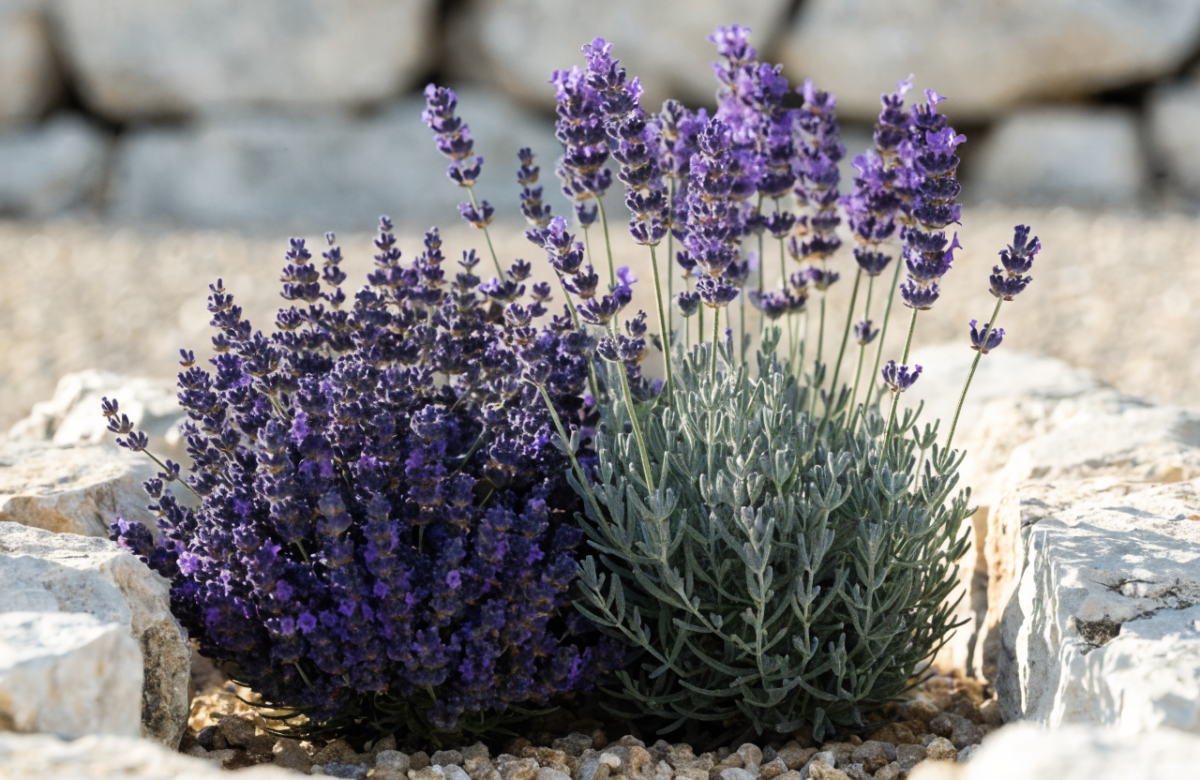
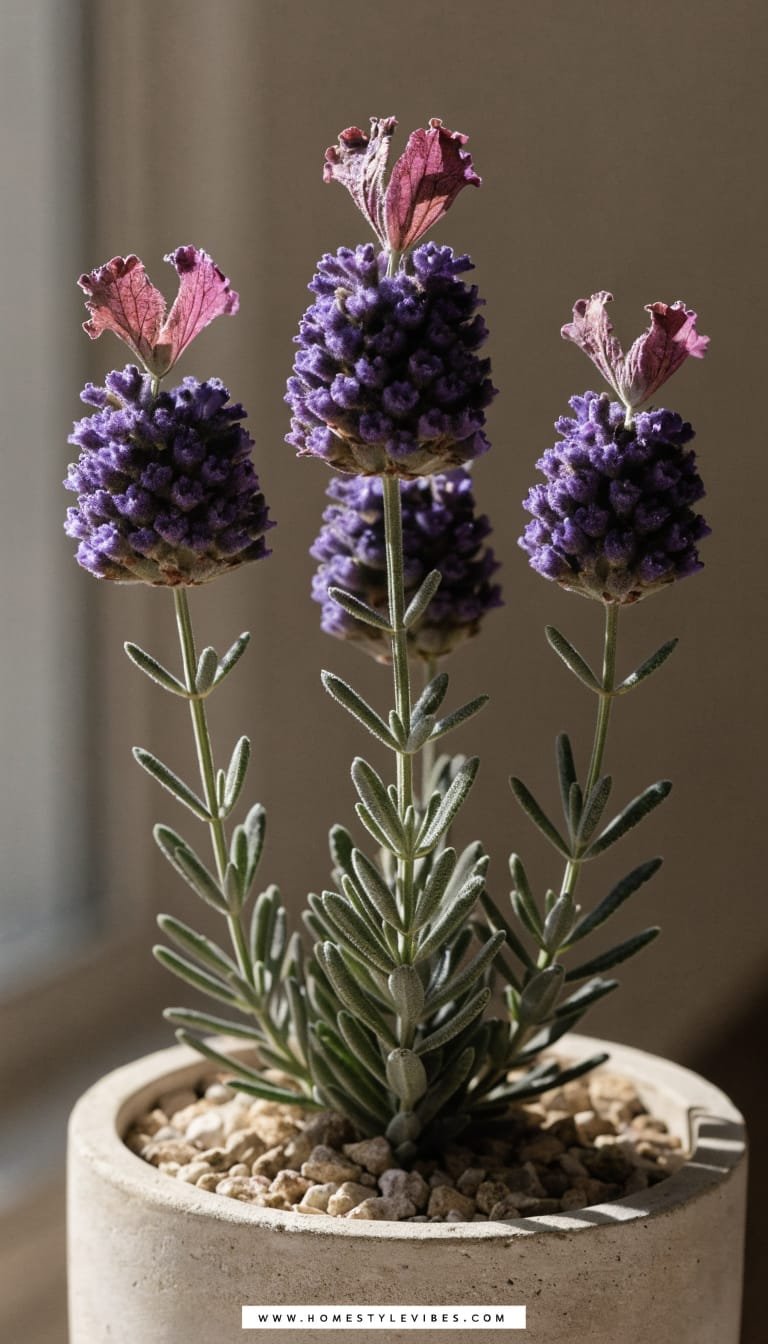
Not all lavender varieties love the same climate. English lavender (Lavandula angustifolia) handles cooler temps and humidity better than you’d expect, while Spanish and French lavenders (L. stoechas, L. dentata) prefer warmer, drier conditions and make great container plants. Choose what fits your weather, not just your Pinterest board.
Match variety to your zone
– Cooler climates (USDA zones 5–8): Go with English lavender and hybrids like ‘Hidcote’ or ‘Munstead.’
– Warm, mild winters (zones 8–10): Spanish or French lavender loves you back.
– Super humid summers? Choose disease-resistant types and give them extra airflow (more on that in a sec).
Sun, sun, sun (and then some)
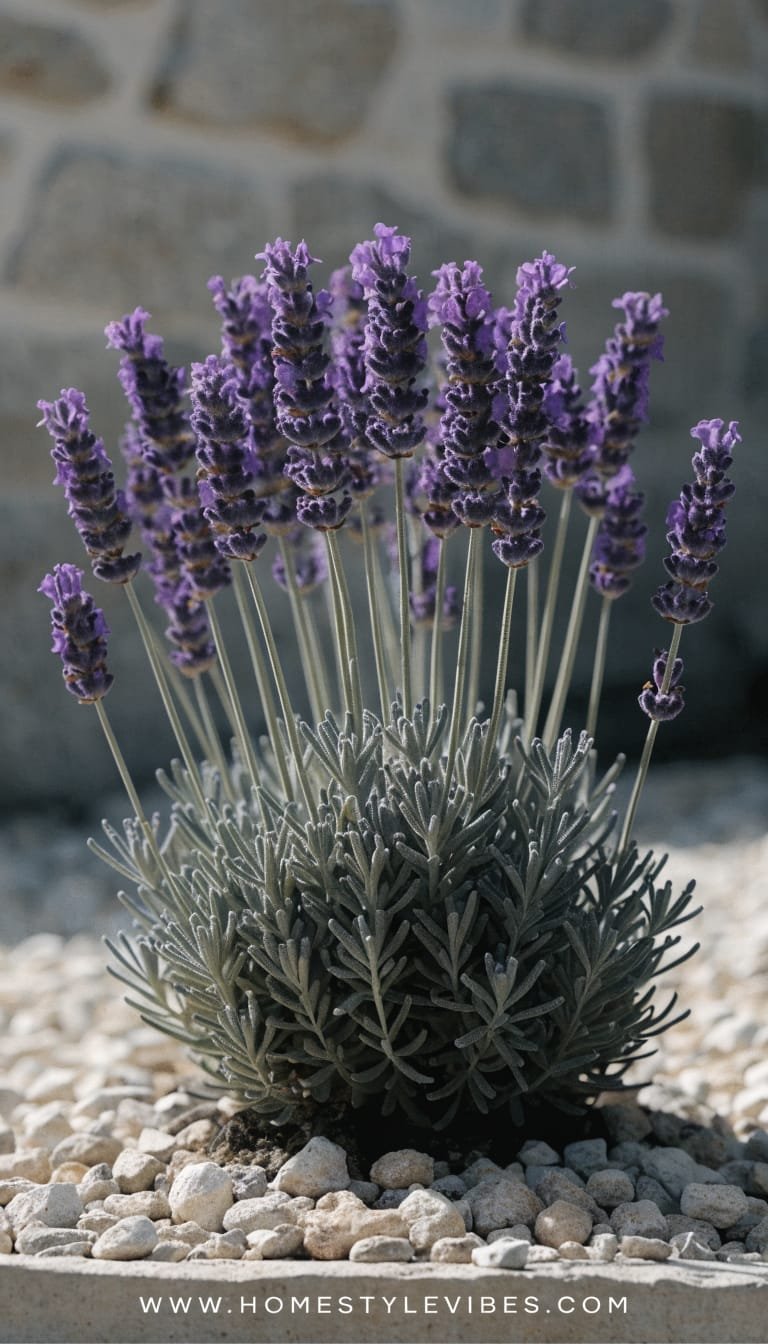
Lavender worships the sun like it’s its job. Give it at least 6–8 hours of direct light daily—more if you can swing it. Indoors, a south-facing window might cut it, but honestly, it’ll still complain.
Indoor growers, read this
If you must grow lavender inside (I get it—apartment life), use:
– A bright south or west window plus a grow light for 10–12 hours.
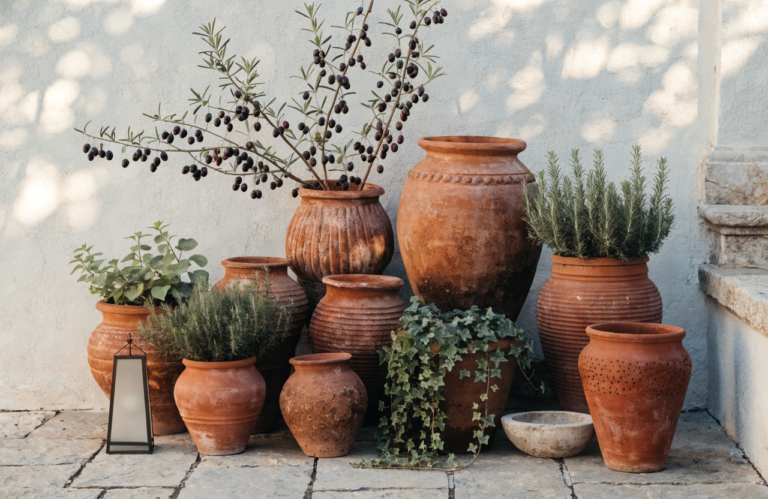
– A fast-draining potting mix (cactus/succulent blends work) and a terracotta pot.
– A fan nearby for airflow. Lavender hates stale air almost as much as wet feet.
Soil: think “Mediterranean beach,” not “bog”
Lavender wants fast-draining soil with some grit. If your garden soil holds water, fix it or choose containers. Waterlogged roots = instant drama.
Pro-level planting mix
– In-ground: Amend native soil with coarse sand or grit plus crushed gravel. Aim for a slightly alkaline pH (6.5–7.5).
– Containers: Mix 2 parts quality potting soil + 1 part perlite or pumice + 1 part coarse sand.
– Bonus: A sprinkle of garden lime can nudge pH up if your soil runs acidic.
Watering: less is more (seriously)
Overwatering kills more lavender than anything else. After planting, water to help roots settle. Then water deeply but infrequently and let the soil dry between sessions. If the top 1–2 inches feel dry, it’s watering day. If not, back away from the hose.
Seasonal watering cheat sheet
– Spring: Moderate watering while it wakes up.
– Summer: Deep soak every 1–2 weeks, depending on heat and soil. Containers may need weekly water—sometimes twice in serious heat.
– Fall: Taper off as temps drop.
– Winter: Water only during dry spells if the ground isn’t frozen. In cold zones, your plant mostly naps.
FYI: Yellowing leaves can mean too much water. Crispy, grayish foliage? Often not enough—or root issues from compacted soil.
Prune like you mean it (but not into old wood)
Pruning turns your lavender from leggy broomstick into a neat, bushy cushion. Prune once or twice a year, but never cut into the old, woody stems or it may not resprout. Find the green growth and trim above it.
When and how to prune
– Light prune in early spring: Shape the plant and remove dead tips.
– Harder prune after the first big bloom: Cut back spent flower stalks and about one-third of the soft growth.
– Avoid late fall hacking in cold climates—new growth can get zapped by frost.
– Keep a rounded, mound shape to prevent splits and keep the center from getting bald.
IMO, a tidy lavender mound looks like a plush purple hedgehog. That’s your goal.
Airflow, spacing, and mulch (the low-drama trio)
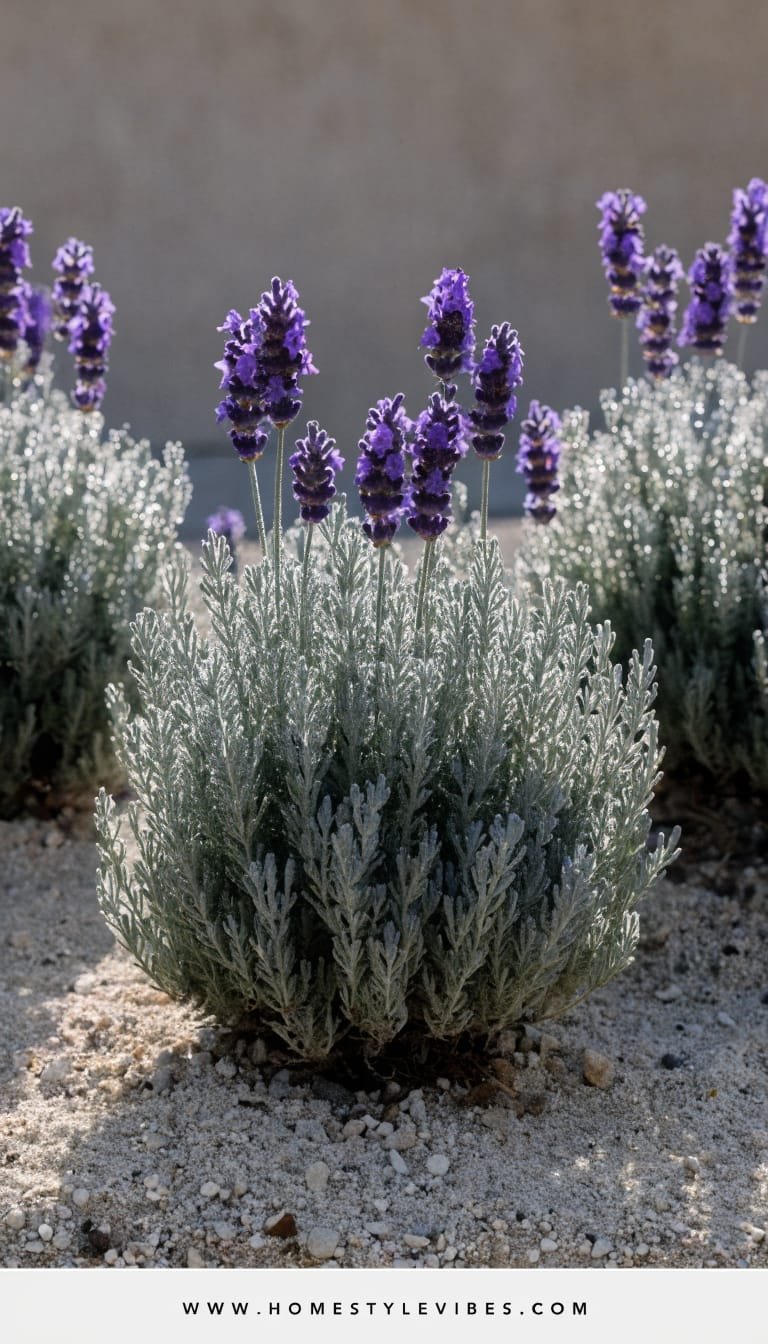
Lavender hates crowded, muggy conditions. Space plants 2–3 feet apart so air can flow freely. Skip heavy, moisture-trapping mulches like wood chips.
Mulch the smart way
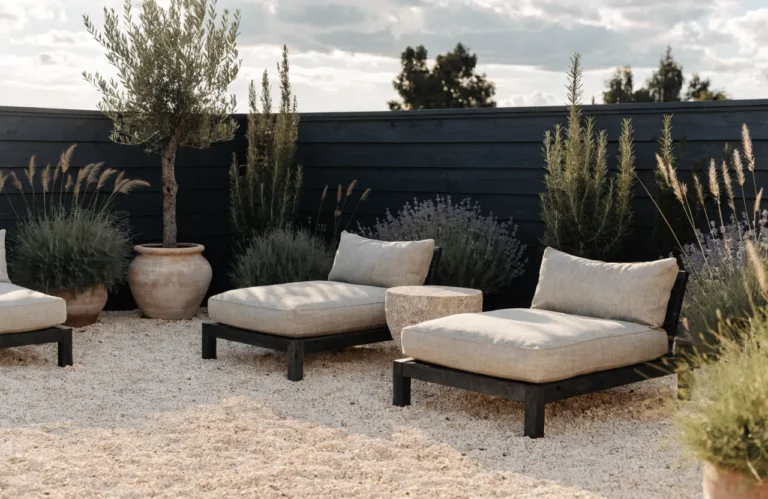
– Use gravel, crushed shell, or small pebbles around the base.
– Keep mulch an inch or two from the stems.
– Avoid organic mulches that hold moisture and invite rot. Lavender wants to breathe.
Fertilizing: go easy, it’s not a tomato
You don’t need to feed lavender like a hungry teen. Too much nitrogen gives you floppy, leafy plants with fewer blooms. Light feeding in spring is enough, or skip it entirely if your soil’s decent.
What to use (and what to skip)
– Compost that’s fully aged: a thin top-dress in spring.
– Low-nitrogen, slow-release fertilizer: once in early spring if growth looks meh.
– Skip high-nitrogen feeds. Your blooms will ghost you.
Harvesting and enjoying the blooms
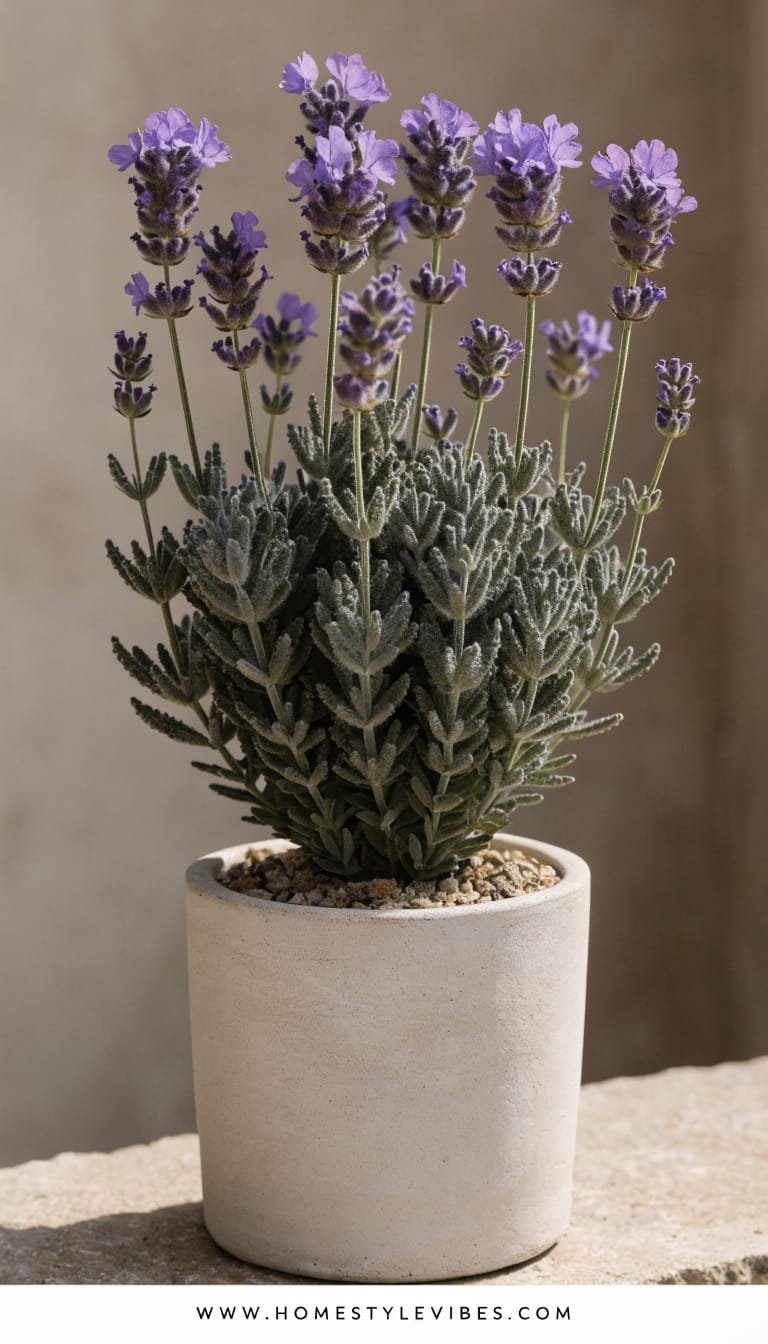
Snip flower stems when the buds are mostly formed but not fully open for the strongest scent. Use clean shears and cut in the cool morning for best oil content. Bundle small bunches and hang them upside down in a dry, airy spot.
- Early harvest = stronger fragrance, great for drying.
- Later harvest = showier stems, better for fresh bouquets.
- Regular cutting encourages more blooms, so don’t be shy.
FAQs
Why is my lavender turning brown at the base?
That woody base happens naturally with age, but excessive browning usually screams poor drainage or overwatering. Improve soil drainage, prune to encourage new green growth, and make sure you never bury the crown with mulch. If the center dies out, take cuttings to start fresh plants—lavender roots easily from semi-ripe stems.
Can I grow lavender in humid climates?
Yes, but you need to stack the deck. Choose English lavender or humidity-tolerant hybrids, plant in raised beds or mounded soil, space generously, and use gravel mulch. A little morning sun with good airflow beats all-day steam-bath conditions.
How do I overwinter lavender in cold areas?
Hardy types (English lavender) survive in zones 5–8 with good drainage. In very cold spots, plant near a south-facing wall, avoid wet soil, and don’t overmulch the crown. Container lavender? Move it to an unheated garage or cold frame, water sparingly, and put it back out in spring.
My indoor lavender looks sad. Help?
Indoors, lavender fights low light and stale air. Give it a grow light, a bright window, and a gritty mix in a terracotta pot. Water when the top couple inches dry out, and run a fan nearby. If it still sulks, IMO it’s telling you it wants to live outside.
When should I prune for maximum blooms?
Do a shaping prune in early spring, then a generous trim right after the first bloom flush. That post-bloom haircut sparks a second wave of flowers in many varieties. Just don’t cut into woody stems, and stop heavy pruning late in the season.
Do I need to deadhead lavender?
You don’t have to, but you’ll get tidier plants and often more blooms if you do. Snip spent spikes just above a set of leaves. Use those cuttings for sachets—your sock drawer will thank you.
Conclusion
Lavender thrives when you keep it simple: blazing sun, quick-draining soil, light watering, regular pruning, and plenty of space. Choose the right variety for your climate, avoid soggy roots, and let airflow do its thing. Do that, and you’ll get armfuls of fragrant stems and a plant that basically says, “Thanks, I’ve got it from here.” FYI: Once you nail it, lavender becomes one of the easiest, most rewarding plants you’ll ever grow.